Notice Of Motion For Discovery In Cuyahoga
Description


Get your form ready online
Our built-in tools help you complete, sign, share, and store your documents in one place.
Make edits, fill in missing information, and update formatting in US Legal Forms—just like you would in MS Word.
Download a copy, print it, send it by email, or mail it via USPS—whatever works best for your next step.
Sign and collect signatures with our SignNow integration. Send to multiple recipients, set reminders, and more. Go Premium to unlock E-Sign.
If this form requires notarization, complete it online through a secure video call—no need to meet a notary in person or wait for an appointment.
We protect your documents and personal data by following strict security and privacy standards.

Make edits, fill in missing information, and update formatting in US Legal Forms—just like you would in MS Word.

Download a copy, print it, send it by email, or mail it via USPS—whatever works best for your next step.

Sign and collect signatures with our SignNow integration. Send to multiple recipients, set reminders, and more. Go Premium to unlock E-Sign.

If this form requires notarization, complete it online through a secure video call—no need to meet a notary in person or wait for an appointment.

We protect your documents and personal data by following strict security and privacy standards.
Looking for another form?

Form popularity
FAQ
You must file the motion with the Clerk of Court located on the ground floor of the County Courthouse, 1 W. Lakeside Avenue, Cleveland, Ohio 44113. You must mail a copy of the motion to the other party.
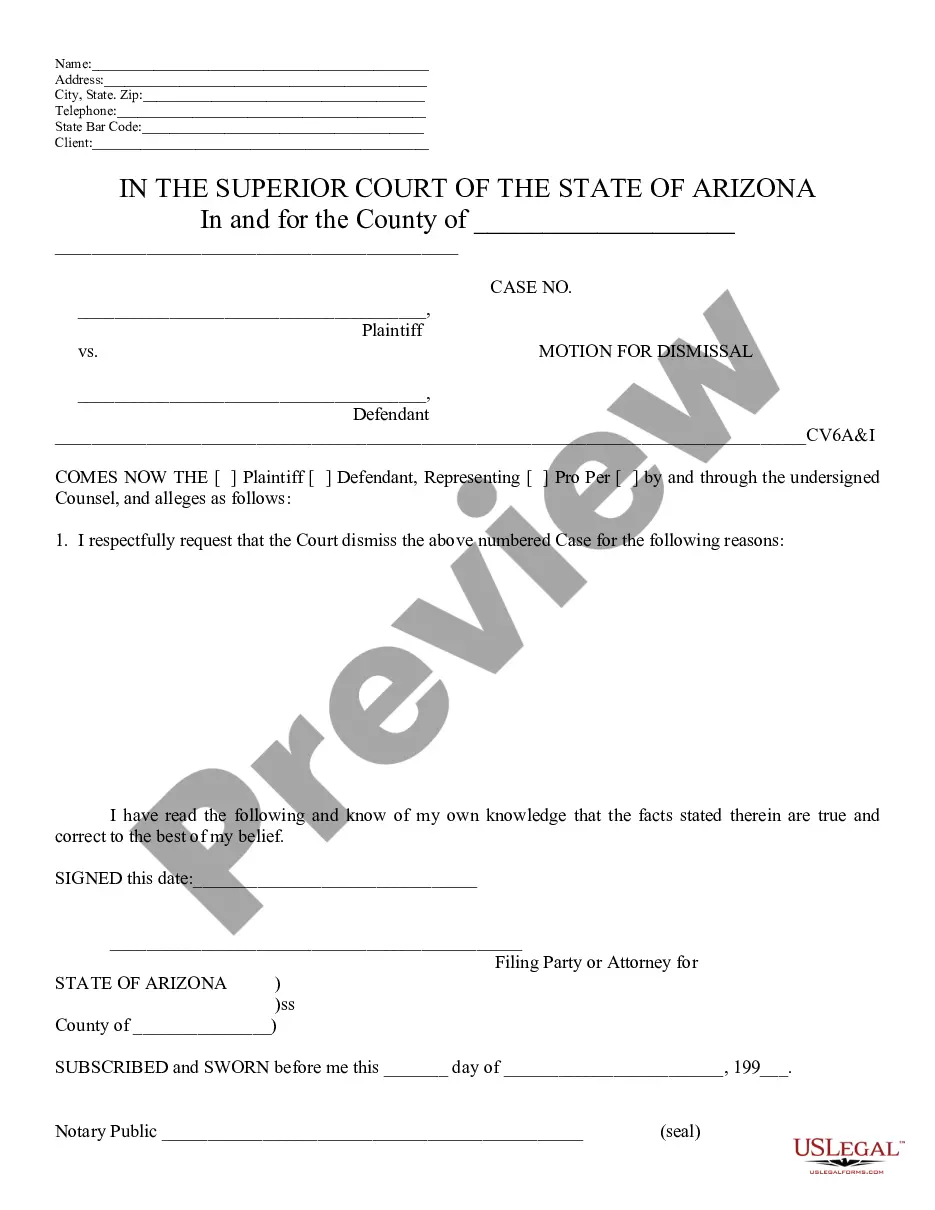
Except for motions made during a hearing or during trial, motions are required to be in writing. They must also be filed in court and served on the opposing party's attorney (or the party if not represented by counsel). If the motion is contested, the opposing attorneys will also file papers opposing the motion.
Steps Check if the court has blank motion forms. Some courts have "check the boxes" or "fill in the blank" motion forms. Create your caption. Title your motion. Draft the introductory paragraph to the body of the motion. Request relief. Lay out the applicable facts. Make your legal argument. Insert a signature block.
If you want to file a motion, the process is generally something like this: You write your motion. You file your motion with the court clerk. The court clerk inserts the date and time your motion will be heard by the judge. You “serve” (mail) your motion to the other side.
(3) Answers, objections or other responses to discovery requests shall be served within twenty-eight days after service of such requests unless the board orders or the parties agree to a different period of time.
11.0 HEARING AND SUBMISSION OF MOTIONS If the motion requires consideration of facts not appearing of record, the movant shall serve and file copies of all affidavits, depositions, photographs or documentary evidence which the movant desires to submit in support of the motion.
Usually, the first thing after you've looked at it is to go over it with your client, the defendant. At least theoretically, the discovery material should show you how to proceed. Sometimes the discovery is enough to convince a client and his attorney that the best choice is to work out the best possible disposition.
In the court system, “discovery” refers to the process of both sides discovering evidence. A motion of discovery is when both sides of a criminal case or a civil case share evidence or information they've discovered. Each side has the right to review all of the information that may be presented in court.