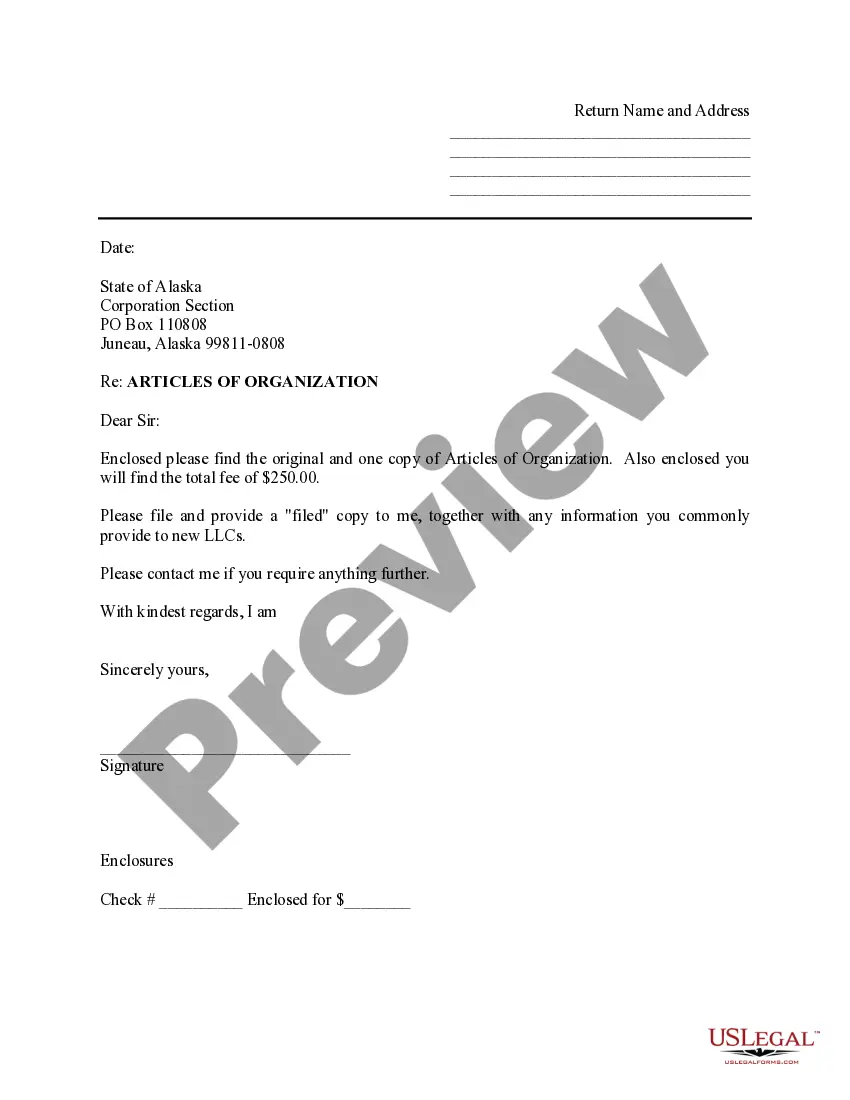
Notice For Discovery In Cook
Description


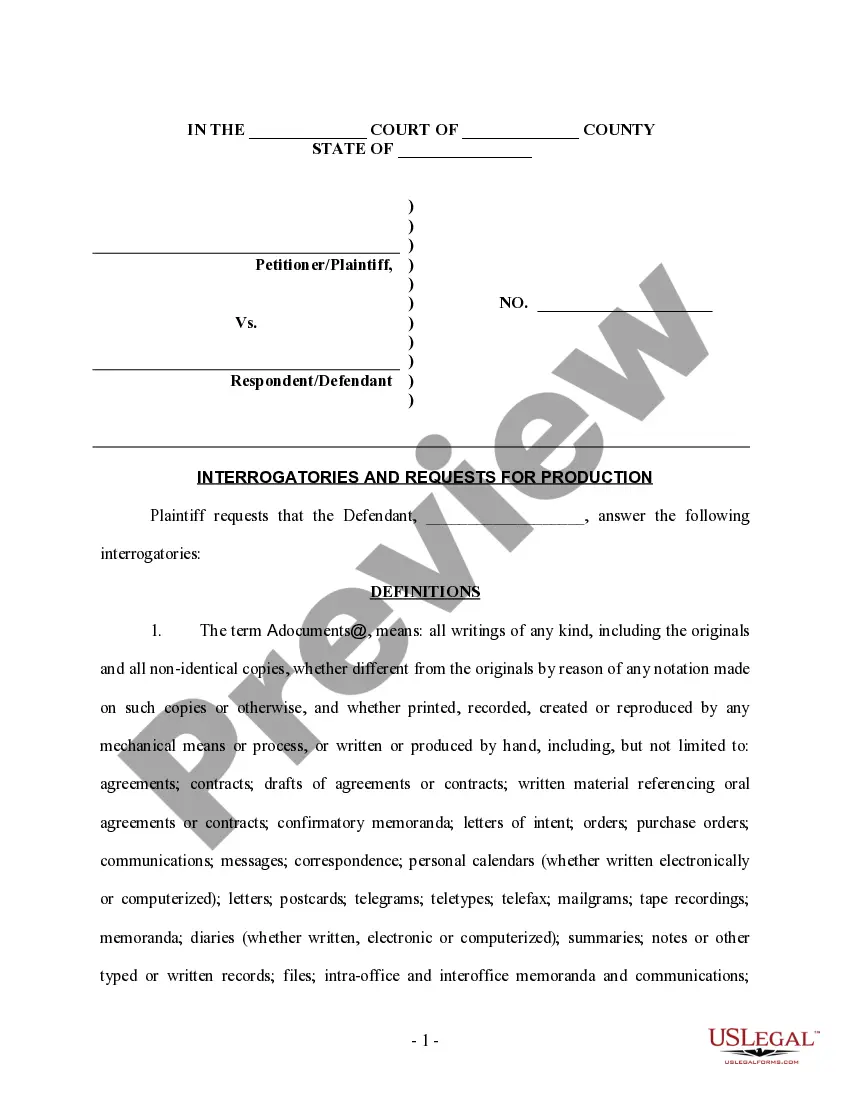
Get your form ready online
Our built-in tools help you complete, sign, share, and store your documents in one place.
Make edits, fill in missing information, and update formatting in US Legal Forms—just like you would in MS Word.
Download a copy, print it, send it by email, or mail it via USPS—whatever works best for your next step.
Sign and collect signatures with our SignNow integration. Send to multiple recipients, set reminders, and more. Go Premium to unlock E-Sign.
If this form requires notarization, complete it online through a secure video call—no need to meet a notary in person or wait for an appointment.
We protect your documents and personal data by following strict security and privacy standards.

Make edits, fill in missing information, and update formatting in US Legal Forms—just like you would in MS Word.

Download a copy, print it, send it by email, or mail it via USPS—whatever works best for your next step.

Sign and collect signatures with our SignNow integration. Send to multiple recipients, set reminders, and more. Go Premium to unlock E-Sign.

If this form requires notarization, complete it online through a secure video call—no need to meet a notary in person or wait for an appointment.

We protect your documents and personal data by following strict security and privacy standards.
Looking for another form?








Form popularity
FAQ
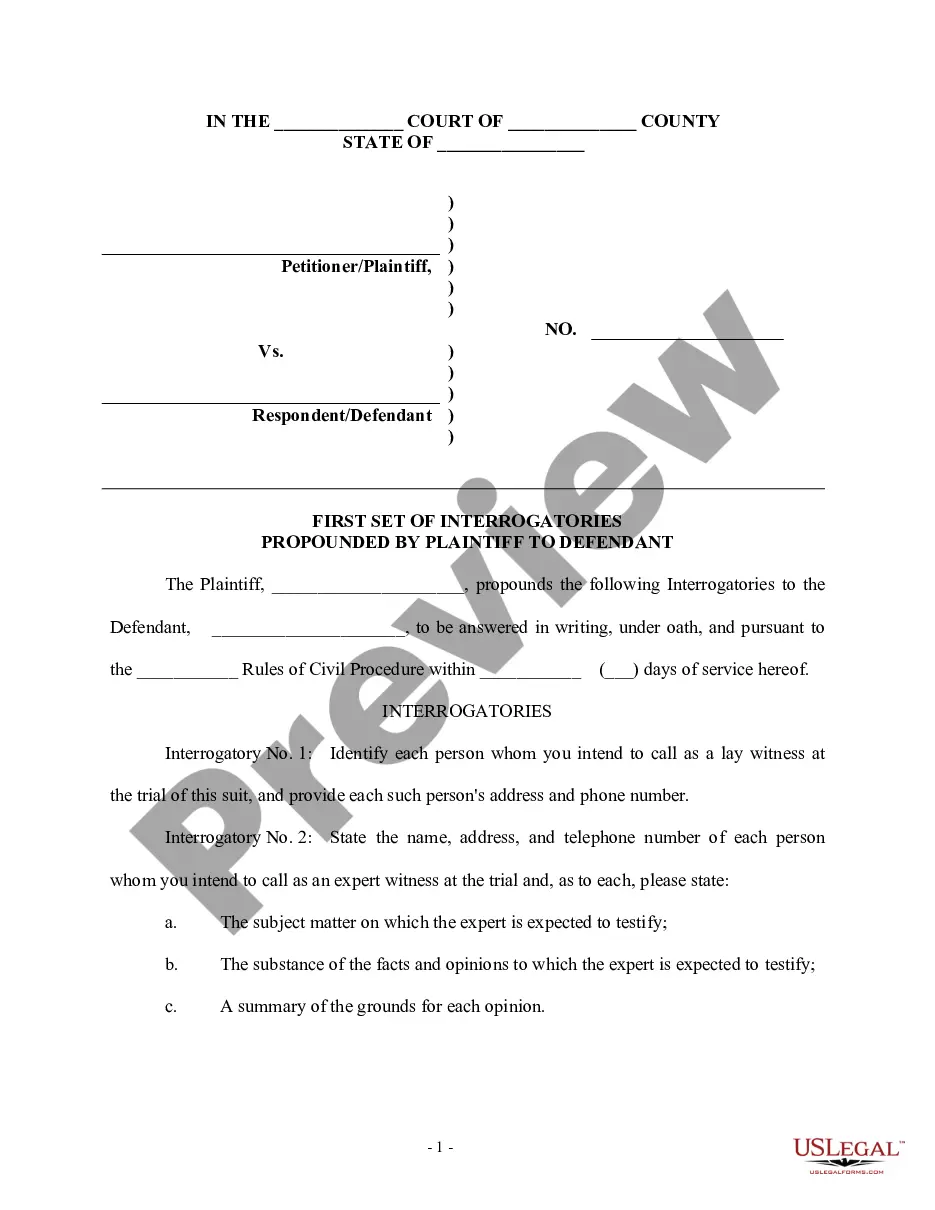
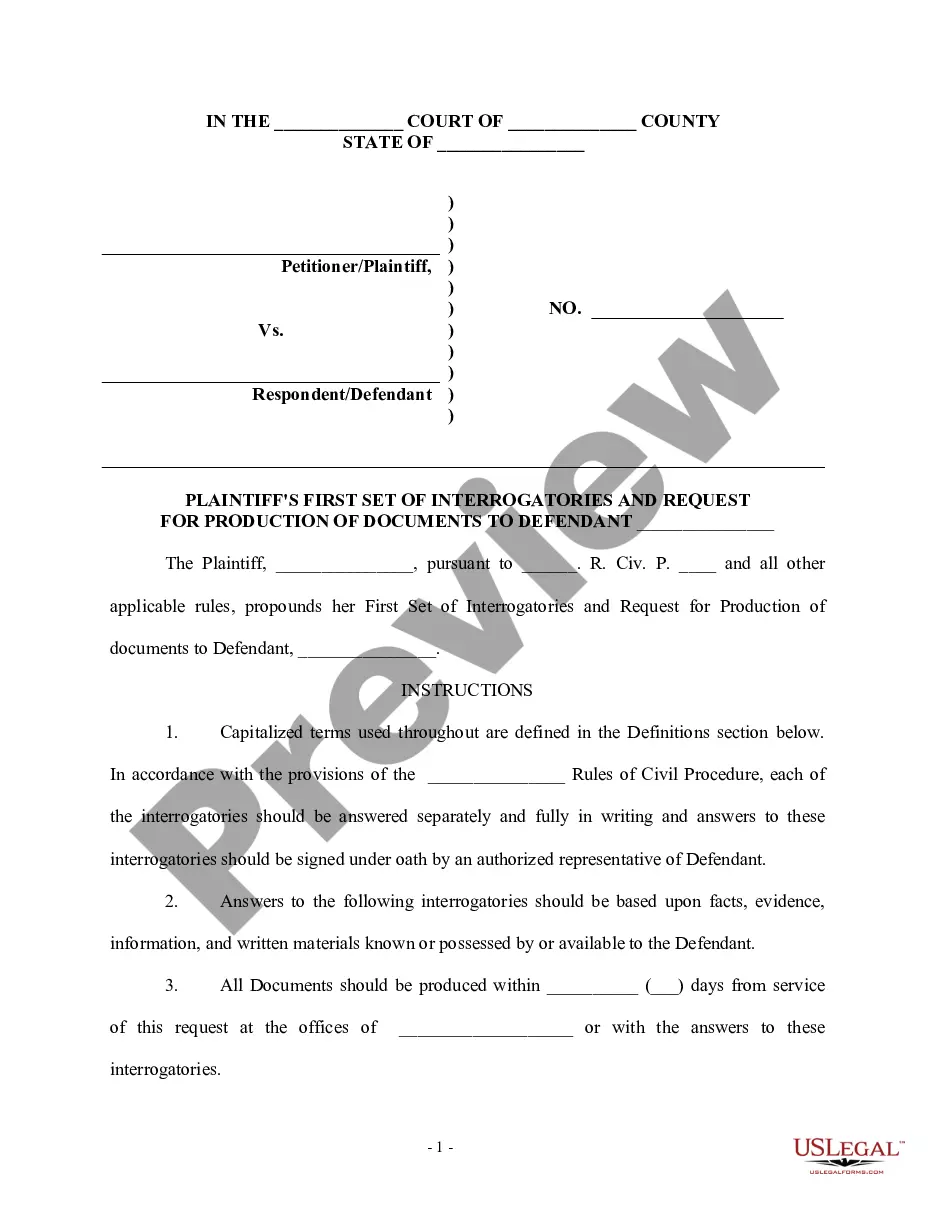
NUMBER AND SCOPE OF INTERROGATORIES. Rule 33 (a), Federal Rules of Civil Procedure , restricts to 25 (including all discrete subparts) the number of interrogatories a party may serve on any other party.
Steps Of The Discovery Process. There are four key actions in the discovery process which include interrogatories, request for documents, request for admissions, and depositions.
Finally, under amended Supreme Court Rule 213(i), a party has a duty to seasonably supplement or amend any prior answer or response whenever new or additional information subsequently becomes known to that party. The proponent of the interrogatories may wish to include a reminder of this duty in the interrogatories.
A person or entity named as a respondent in discovery in any civil action may be made a defendant in the same action at any time within 6 months after being named as a respondent in discovery, even though the time during which an action may otherwise be initiated against him or her may have expired during such 6 month ...
The primary goal of discovery is to ensure a fair and just resolution of the dispute by preventing surprise evidence or arguments during trial.
(a) No party shall serve on any other party more than thirty (30) written interrogatories in the aggregate including subsections except upon agreement of the parties or leave of court granted upon a showing of good cause.
Rule 213 - Written Interrogatories to Parties (a)Directing Interrogatories. A party may direct written interrogatories to any other party. A copy of the interrogatories shall be served on all other parties entitled to notice. (b)Duty of Attorney.
Circuit Court of Cook County, Illinois, Domestic Relations Proceedings, Rule 13.4 - Pre-Trial Phase. The rule orders each case in which child custody or visitation is contested to be directed to mediation and authorizes referral to mediation for matters involving removal.
Discovery is the formal process by which the parties to a case in court exchange information about the case. This includes information about the witnesses and evidence to be presented at trial. Its purpose is to make the parties aware of the evidence which may be presented at trial.
“At the conclusion of other discovery and at least 30 days prior the discovery cut-off date,” parties may serve contention interrogatories (Comm'l Div. Rule 11-ad). Requests for admission are unlimited and can be served up to 20 days before trial; responses are due within 20 days (CPLR Section 3123a).