Notice For Service In Chicago
Description


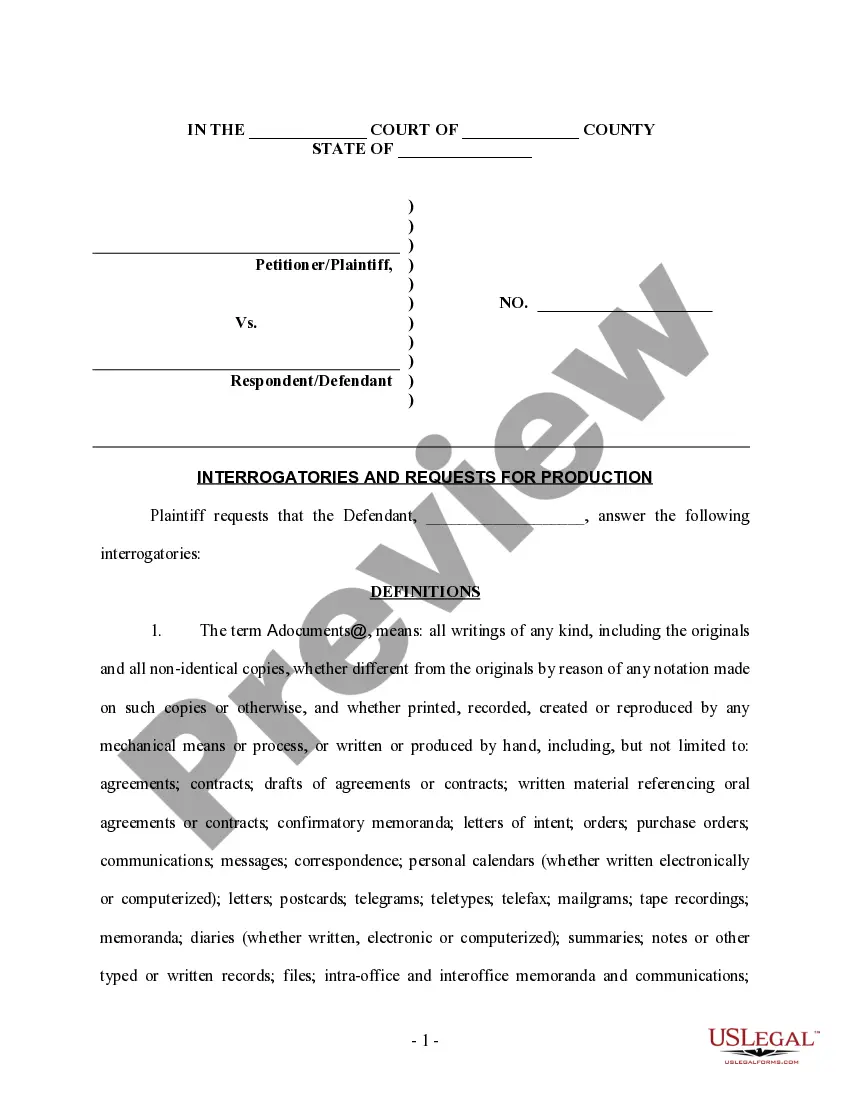
Get your form ready online
Our built-in tools help you complete, sign, share, and store your documents in one place.
Make edits, fill in missing information, and update formatting in US Legal Forms—just like you would in MS Word.
Download a copy, print it, send it by email, or mail it via USPS—whatever works best for your next step.
Sign and collect signatures with our SignNow integration. Send to multiple recipients, set reminders, and more. Go Premium to unlock E-Sign.
If this form requires notarization, complete it online through a secure video call—no need to meet a notary in person or wait for an appointment.
We protect your documents and personal data by following strict security and privacy standards.

Make edits, fill in missing information, and update formatting in US Legal Forms—just like you would in MS Word.

Download a copy, print it, send it by email, or mail it via USPS—whatever works best for your next step.

Sign and collect signatures with our SignNow integration. Send to multiple recipients, set reminders, and more. Go Premium to unlock E-Sign.

If this form requires notarization, complete it online through a secure video call—no need to meet a notary in person or wait for an appointment.

We protect your documents and personal data by following strict security and privacy standards.
Looking for another form?
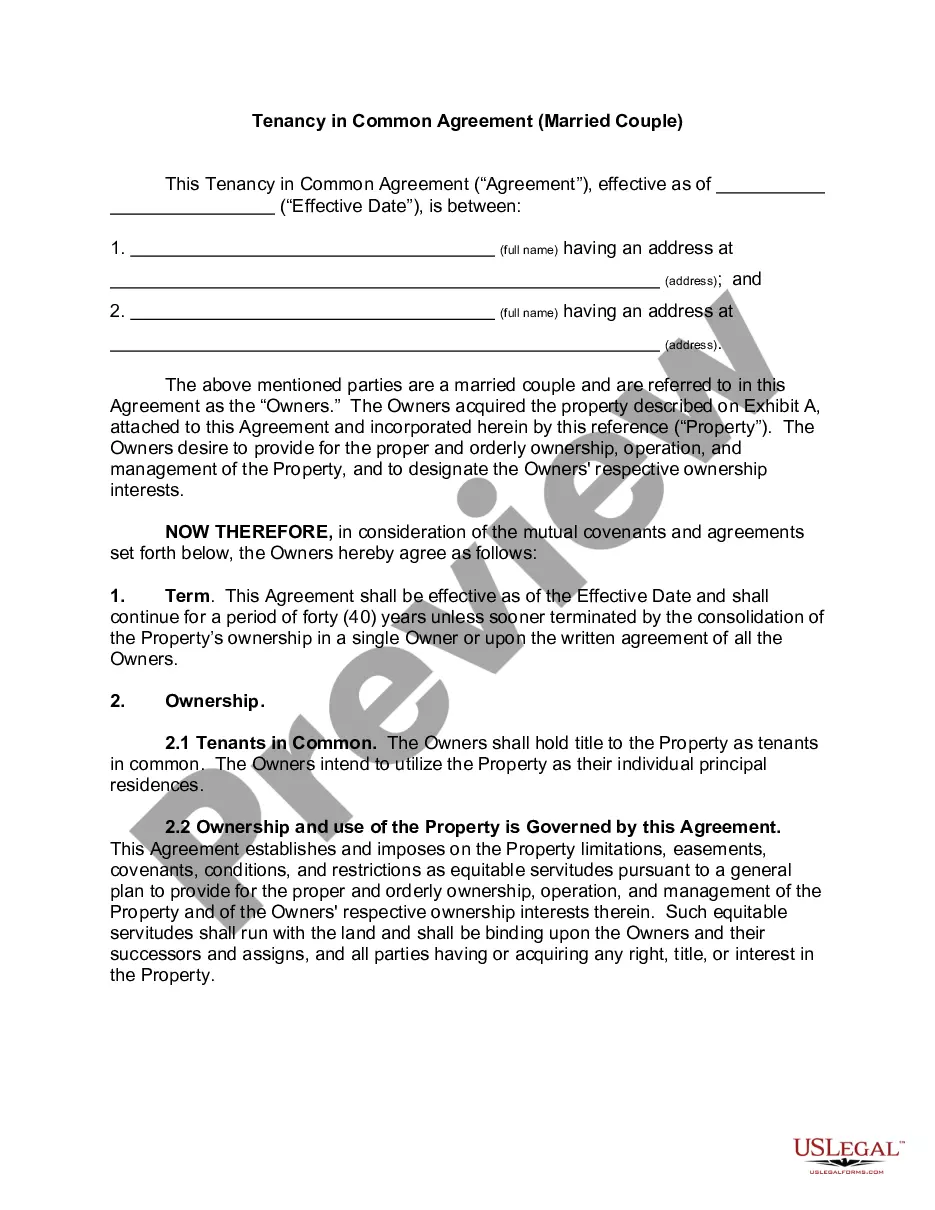









Form popularity
FAQ
Rule 101(b)(2) and (b)(3) summons must be served at least 3 days before the appearance date. These rules covers summons for an eviction case or personal property recovery. They also cover cases under 2-208 of the Code of Civil Procedure, and.
Per State Rules: Alabama, Tennessee, and Illinois do not allow service to someone who has refused. Colorado only allows service to someone who has refused if it is personal service. Per Customer Rules: If Customer Requirements include "Do not Drop Serve" then you should not serve anyone who refuses the documents.
Also, you will have to serve the defendant either through the Sheriff's Office or by Certified Mail. You may serve by Certified Mail if your claim does not exceed $10,000, and the defendant is in the state of Illinois (check the box for Certified Mail on the summons).
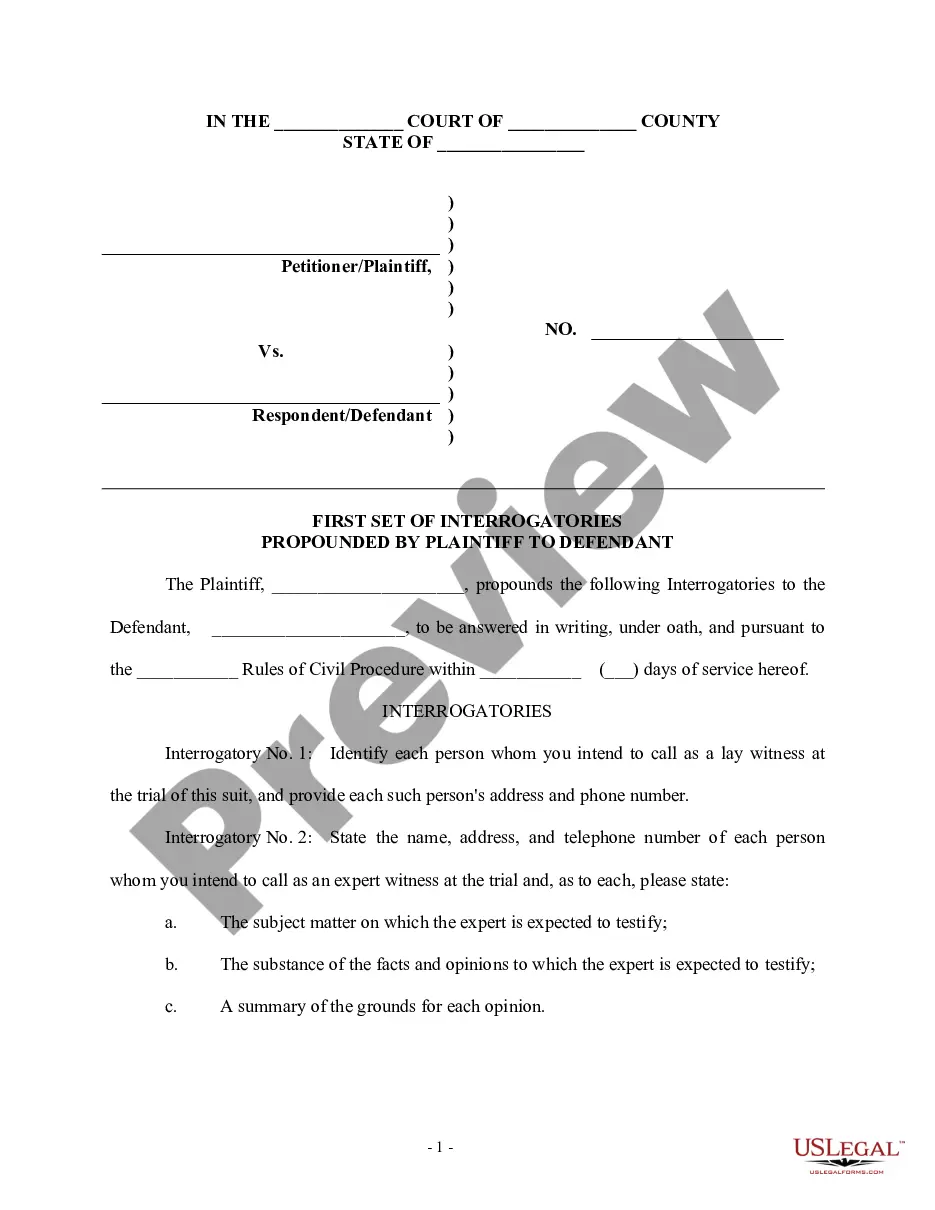
Certified mail: If the defendant has a mailing address within the state of Illinois, you may choose to give notice by serving the summons by certified mail, return receipt requested.
If the defendant tries to evade service by staying away from their home, you can serve them at their workplace or another public place. If that does not work, you may need to locate another address to serve them at.
Standard. Your process server will have 10 days to make 4 attempts to serve your documents, sending you regular updates after every attempt.
You Can Try to Hide, but You Can't Evade Service of Process Sure, you may be able to delay responding to a lawsuit and having a court date for a few weeks or months, but in the end, you're still going to be sued and the legal process will move forward.
You can also reach out to local legal entities. This could be the court's clerk office. Simply ask if there are any legal documents with your name on them that haven't been delivered yet. This is like calling customer service to check if they've dispatched that order you forgot you made.