Notice For Discovery In California
Description

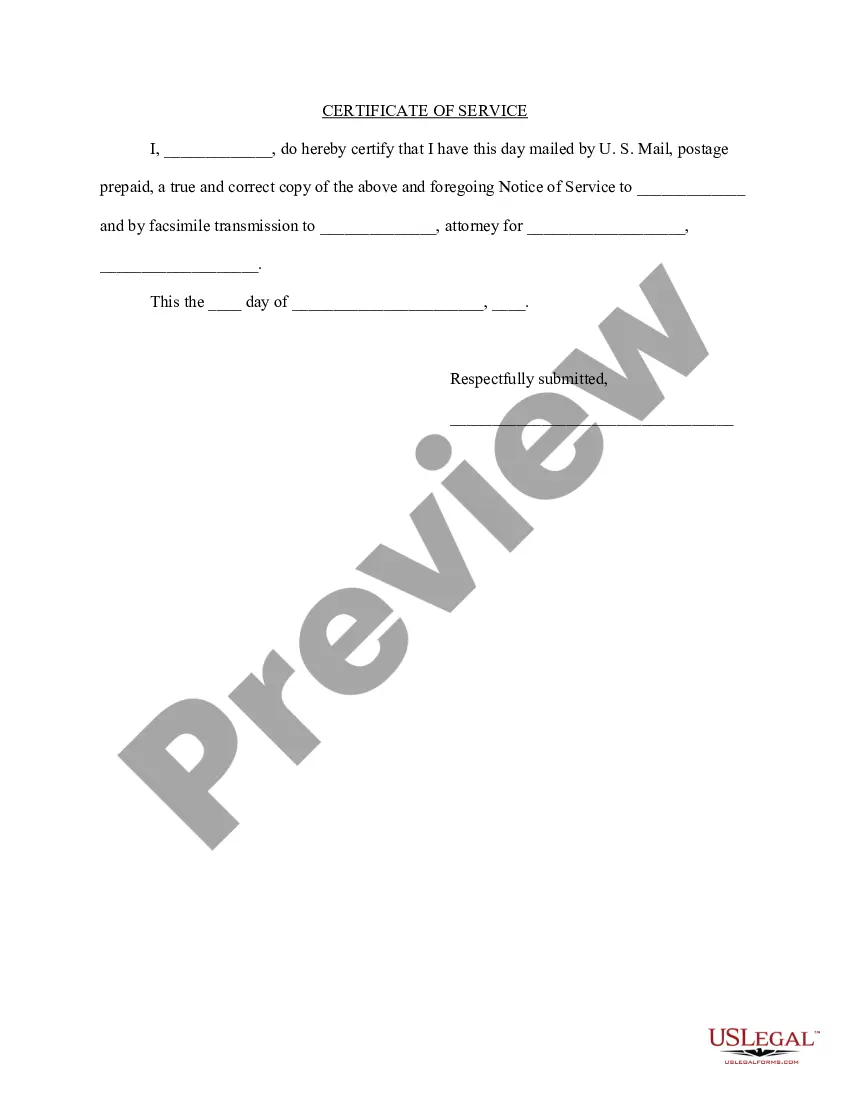
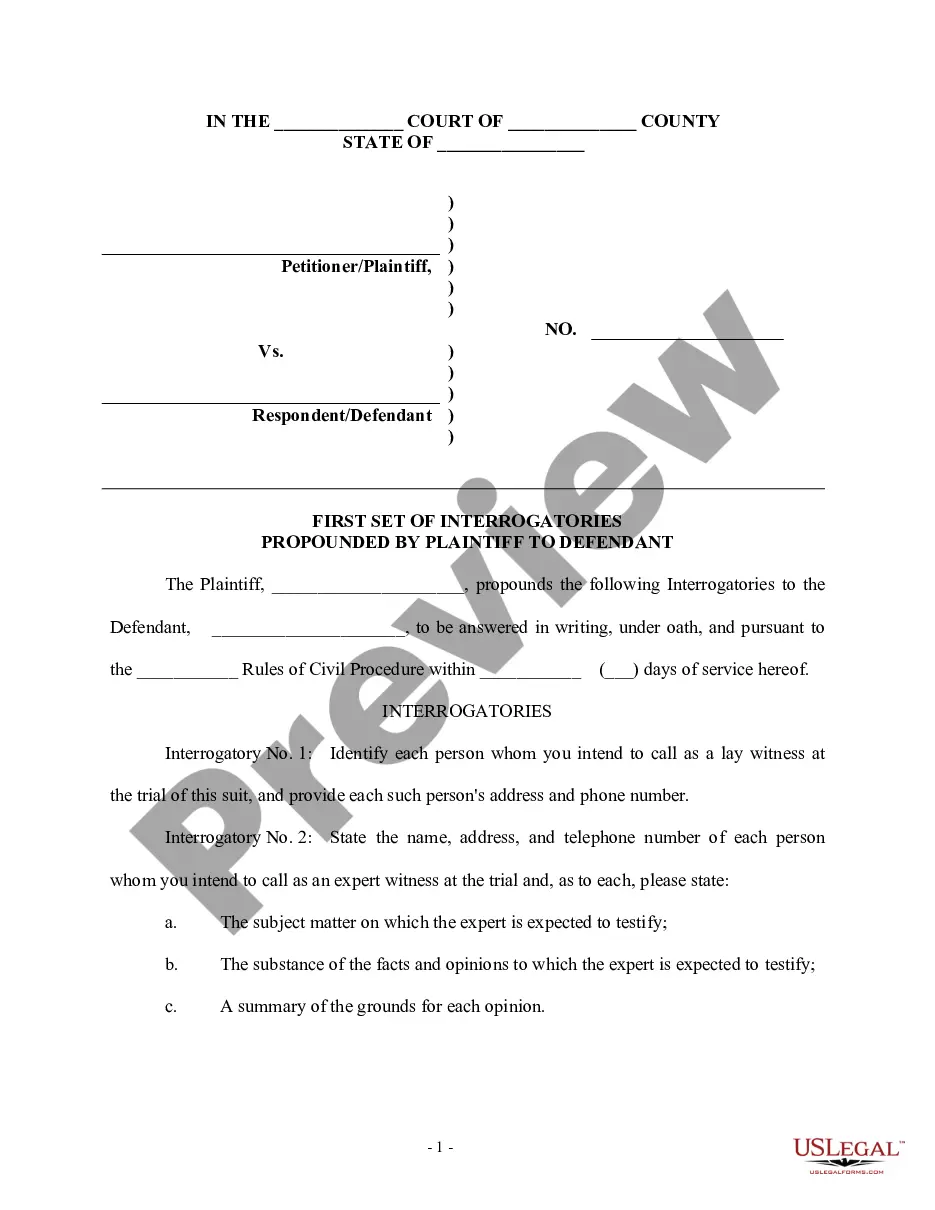
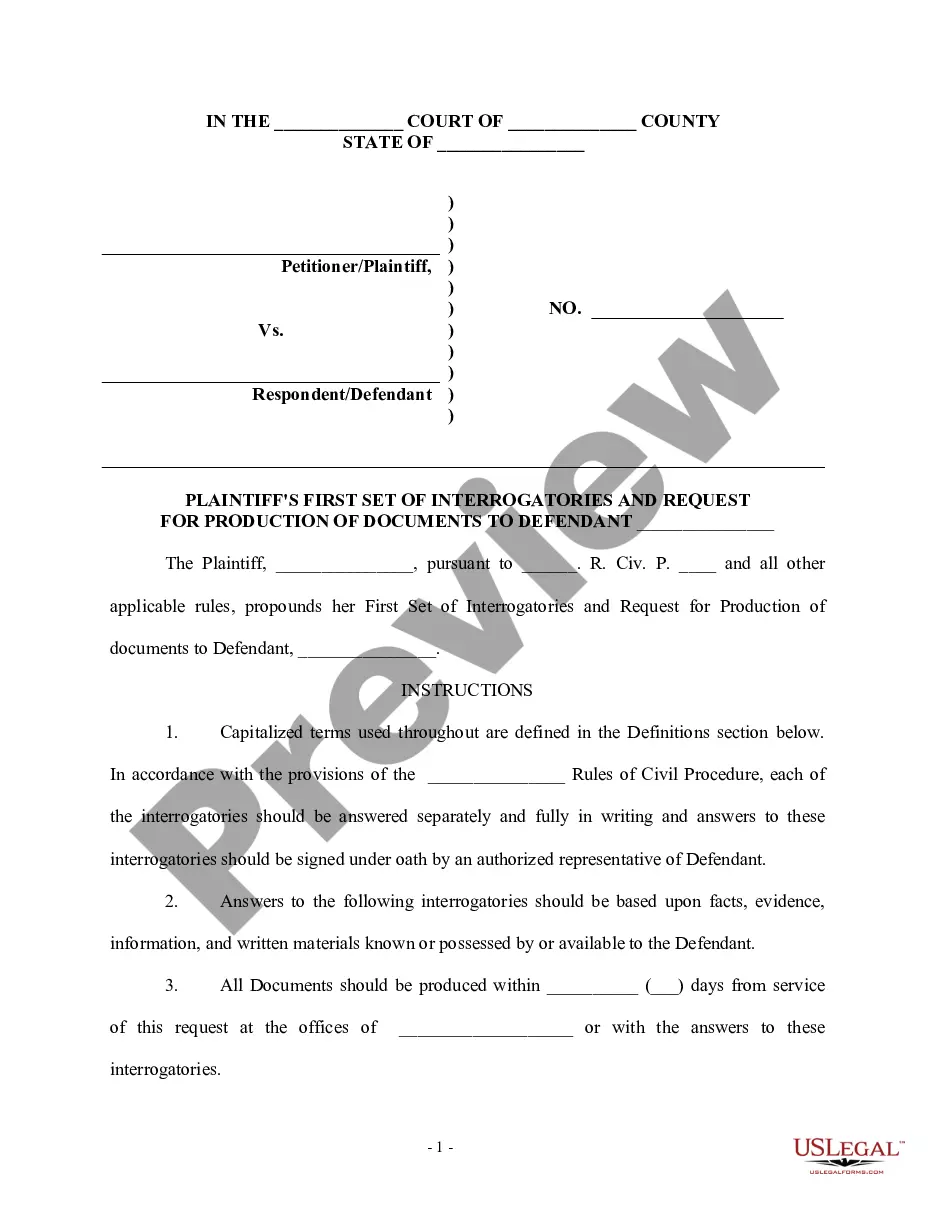
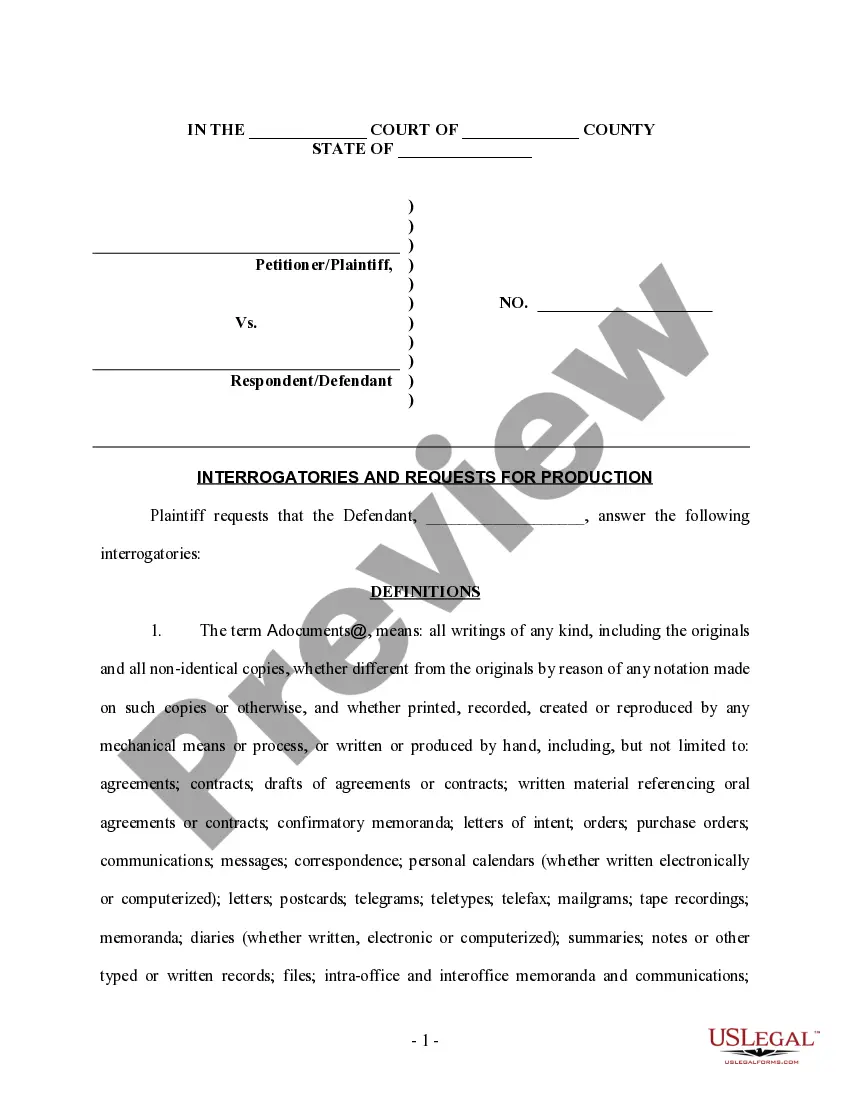
Get your form ready online
Our built-in tools help you complete, sign, share, and store your documents in one place.
Make edits, fill in missing information, and update formatting in US Legal Forms—just like you would in MS Word.
Download a copy, print it, send it by email, or mail it via USPS—whatever works best for your next step.
Sign and collect signatures with our SignNow integration. Send to multiple recipients, set reminders, and more. Go Premium to unlock E-Sign.
If this form requires notarization, complete it online through a secure video call—no need to meet a notary in person or wait for an appointment.
We protect your documents and personal data by following strict security and privacy standards.

Make edits, fill in missing information, and update formatting in US Legal Forms—just like you would in MS Word.

Download a copy, print it, send it by email, or mail it via USPS—whatever works best for your next step.

Sign and collect signatures with our SignNow integration. Send to multiple recipients, set reminders, and more. Go Premium to unlock E-Sign.

If this form requires notarization, complete it online through a secure video call—no need to meet a notary in person or wait for an appointment.

We protect your documents and personal data by following strict security and privacy standards.
Looking for another form?








Form popularity
FAQ
The discovery rule usually applies to cases where the crime involves the perpetrator taking deceptive steps to cover their tracks, making it difficult to tell when it occurred, such as with white-collar crimes.
Beginning on January 1, 2024, parties will be required to make initial witness and document disclosures within 60 days of another party's request. Failure to comply or act in good faith with the new law will result in a court-imposed sanction of $1,000.
The California discovery rule stops the statute of limitations clock until the plaintiff becomes aware of the cause of action or has a reasonable reason to do so. It's crucial when the plaintiff wasn't initially aware of their injury.
All discovery must be completed not later than 15 days before the date set for the arbitration hearing unless the court, upon a showing of good cause, makes an order granting an extension of the time within which discovery must be completed.
A discovery response is essentially a choice that you make after receiving a request for information. The question then becomes, Should you comply or not?
Six Ways to Resolve a California Traffic Ticket Hire an Attorney. Appear in Court to Request a Trial. Request a Trial by Written Declaration. Plead Guilty by Paying the Citation. Plead Guilty by Paying the Citation in Installments. Plead Guilty by Requesting Community Service.
In certain cases, you might be able to write a letter to the other side and request the documents that you need. However, in more formal cases, you will likely have to draft more formal discovery demands. There are usually forms available for this in local law libraries, from the court clerk's office, or online.
You can use Proof of Service by First Class Mail (form POS-030). It helps if you fill in the top part of the form with the case and court information. Your server can then fill in the information about how, when, and where they served the papers. Your server must then sign the form.
Discovery may be obtained of the identity and location of persons having knowledge of any discoverable matter, as well as of the existence, description, nature, custody, condition, and location of any document, electronically stored information, tangible thing, or land or other property.
Steps Of The Discovery Process. There are four key actions in the discovery process which include interrogatories, request for documents, request for admissions, and depositions.