Notice Discovery Template For Product In Broward
Description


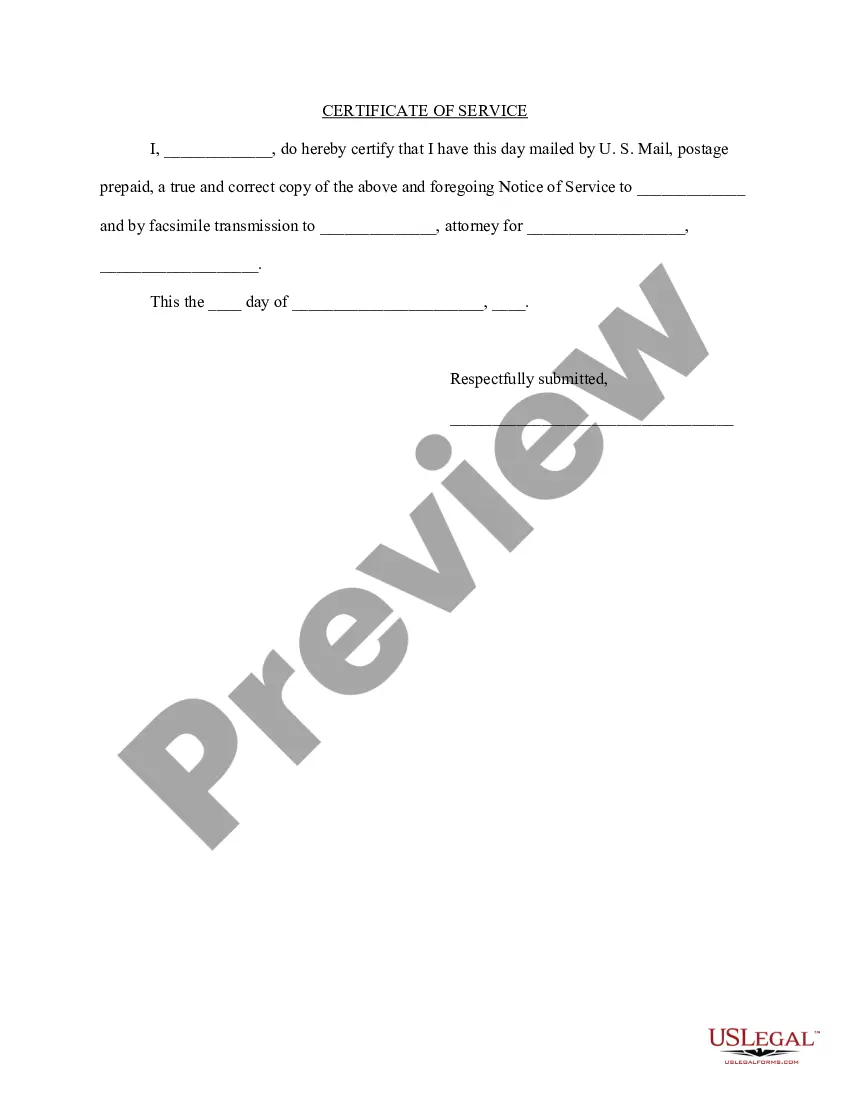
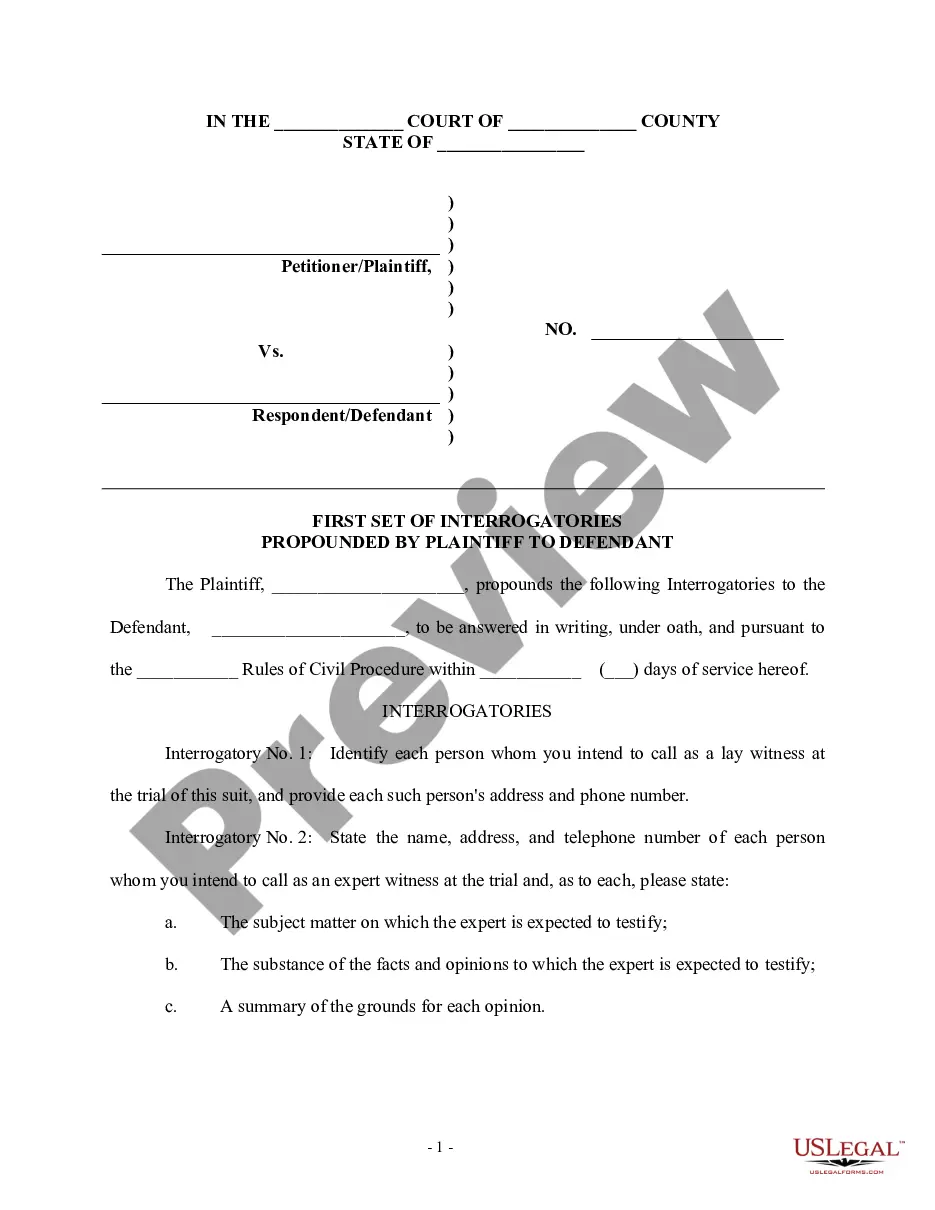

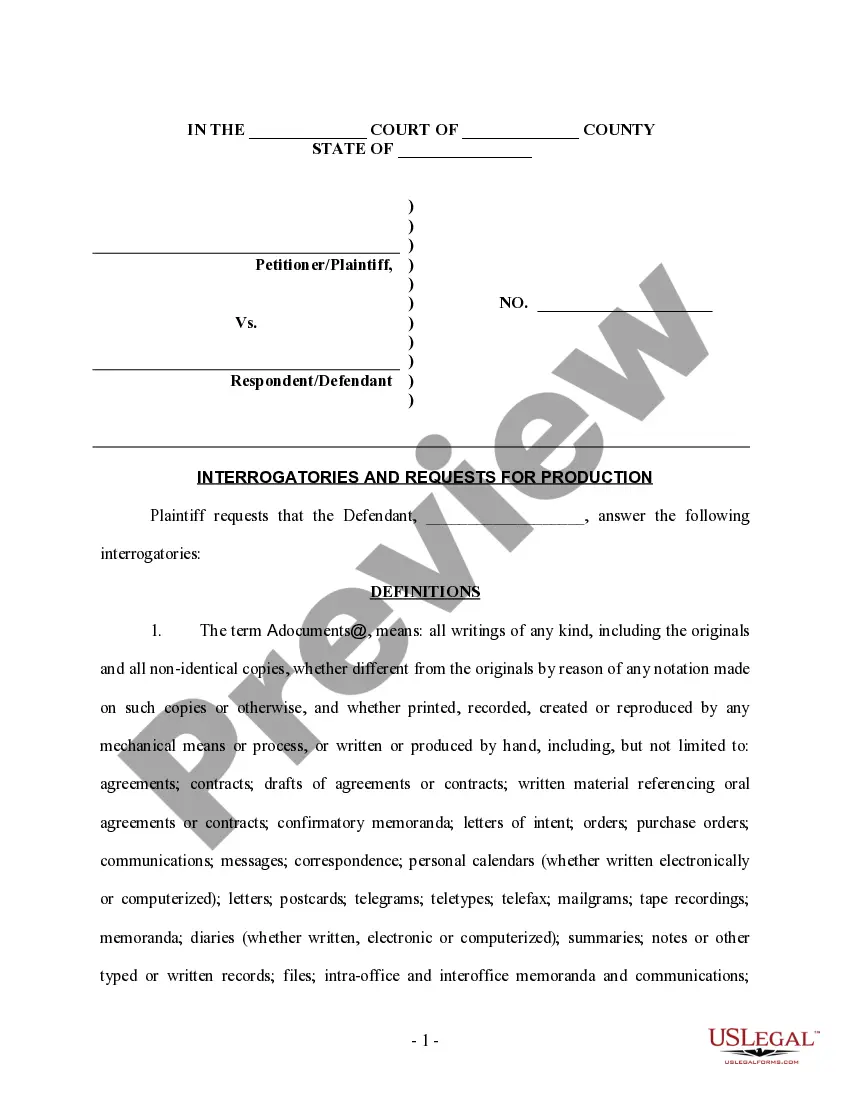
Get your form ready online
Our built-in tools help you complete, sign, share, and store your documents in one place.
Make edits, fill in missing information, and update formatting in US Legal Forms—just like you would in MS Word.
Download a copy, print it, send it by email, or mail it via USPS—whatever works best for your next step.
Sign and collect signatures with our SignNow integration. Send to multiple recipients, set reminders, and more. Go Premium to unlock E-Sign.
If this form requires notarization, complete it online through a secure video call—no need to meet a notary in person or wait for an appointment.
We protect your documents and personal data by following strict security and privacy standards.

Make edits, fill in missing information, and update formatting in US Legal Forms—just like you would in MS Word.

Download a copy, print it, send it by email, or mail it via USPS—whatever works best for your next step.

Sign and collect signatures with our SignNow integration. Send to multiple recipients, set reminders, and more. Go Premium to unlock E-Sign.

If this form requires notarization, complete it online through a secure video call—no need to meet a notary in person or wait for an appointment.

We protect your documents and personal data by following strict security and privacy standards.
Looking for another form?









Form popularity
FAQ
The length of discovery depends on the complexity of the case. Discovery can last from a few months to well over a year. A case involving multiple parties may take longer than a case involving two people. The length of time is less important than ensuring the discovery process is as thorough as possible.
In Florida, the discovery phase typically begins after the defendant files an answer to the plaintiff's complaint. It can last several months to a year or more.
The discovery rule is a legal principle that allows the statute of limitations to begin not at the moment of the accident but rather when you became aware of your injury.
DISCOVERY OBJECTIONS A. Boilerplate or General Objections The parties shall not make nonspecific, boilerplate objections. The parties also shall not make General Objections that are not tied to a particular discovery request. Such objections will be summarily overruled.
How Long Does it Take to Get Discovery in a Criminal Case? Generally, the prosecution must provide discovery within a set period after the defense's formal request, often ranging from a few weeks to several months.
In Florida, ing to Rule of Civil Procedure 1.070 (j), a complaint must be served on the defendant within 120 days of its filing. If it is not served within the time frame specified, a motion to dismiss is appropriate, and the case is dismissed without prejudice.
When a motion to compel discovery alleges a complete failure to respond or object to discovery, and there has been no request for extension, a county judge may enter an ex parte order requiring compliance with the original discovery demand within ten (10) days of entry of the order.
Parties may obtain discovery regarding any matter, not privileged, that is relevant to the subject matter of the pending action, whether it relates to the claim or defense of the party seeking discovery or the claim or defense of any other party, including the existence, description, nature, custody, condition, and ...
Discovery in a criminal case is considered a public record by law. This means that anyone, including the defendant, their attorney, members of the media, or protesters, can access the document.
An objection that a discovery request is not relevant must include a specific explanation describing why the request lacks relevance and/or why the requested discovery is disproportionate in light of the factors enumerated in Federal Rule of Civil Procedure 26(b)(1).