Service Notice Of Disposal In Bexar
Description

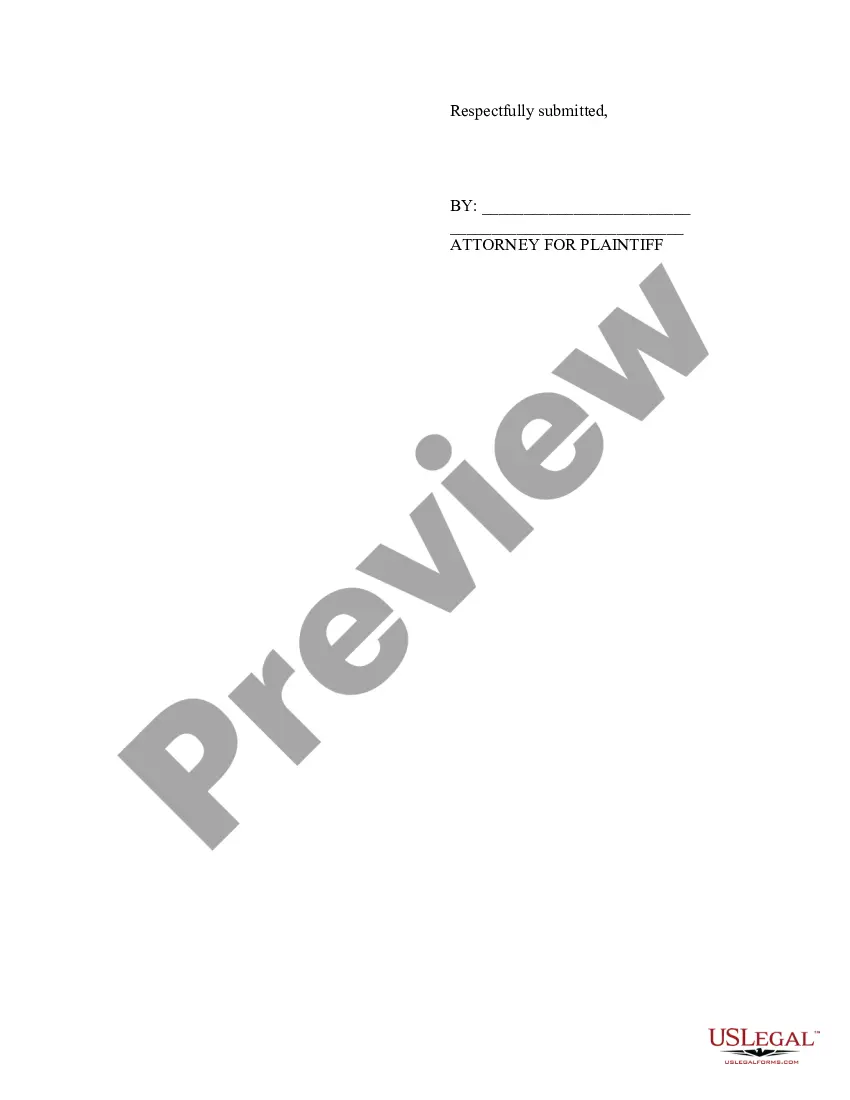
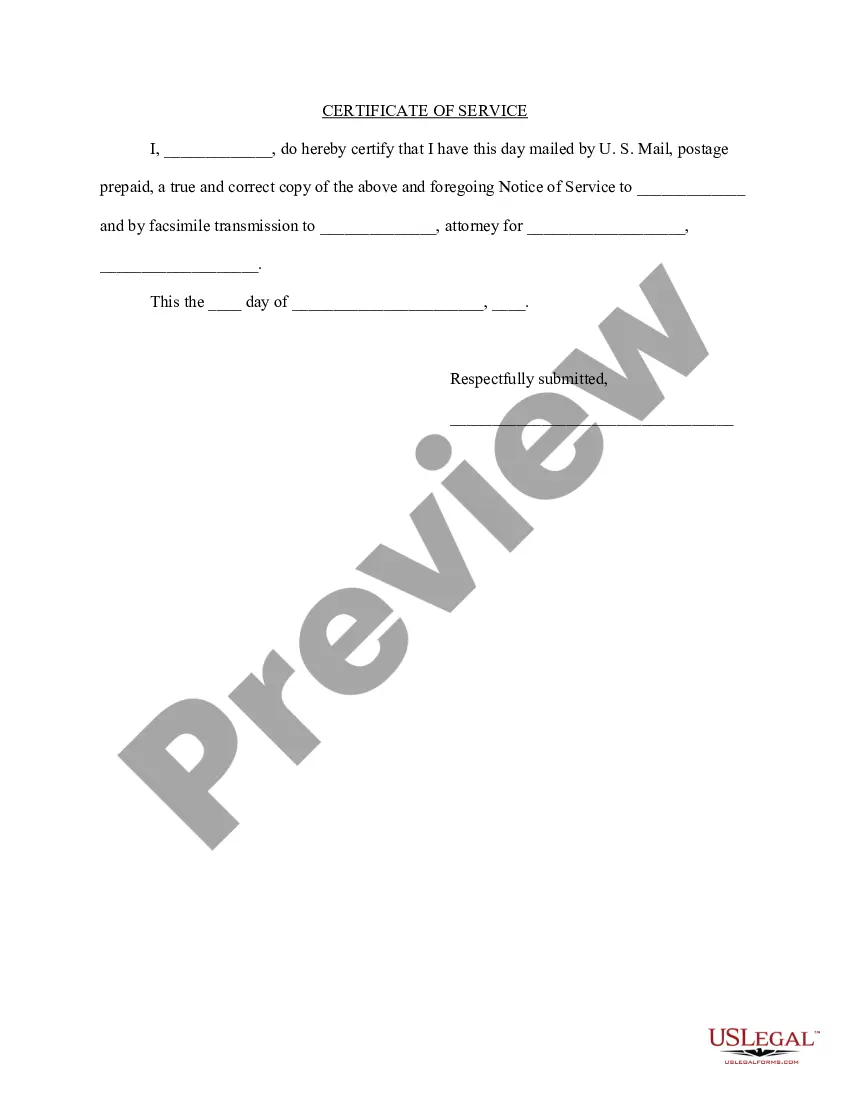
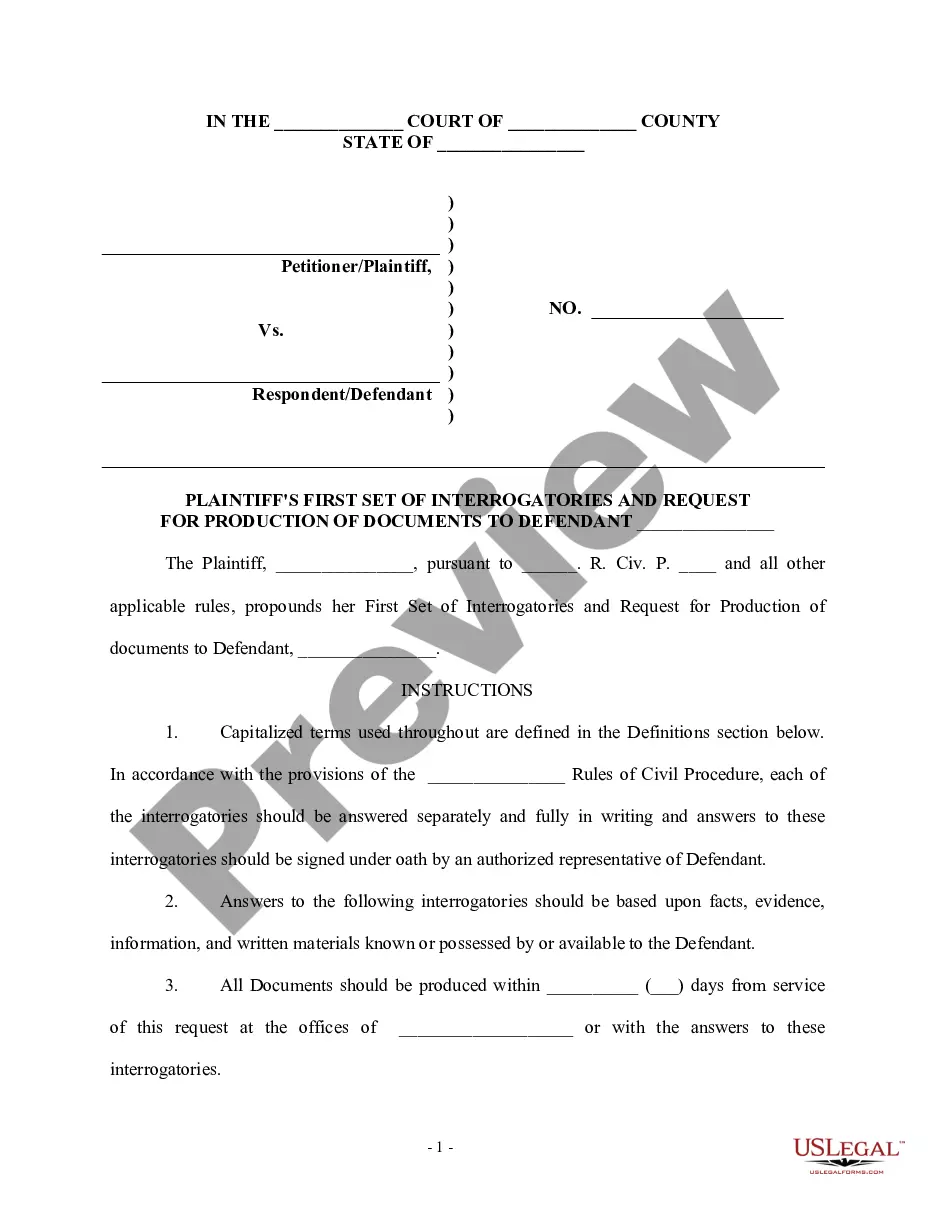
Get your form ready online
Our built-in tools help you complete, sign, share, and store your documents in one place.
Make edits, fill in missing information, and update formatting in US Legal Forms—just like you would in MS Word.
Download a copy, print it, send it by email, or mail it via USPS—whatever works best for your next step.
Sign and collect signatures with our SignNow integration. Send to multiple recipients, set reminders, and more. Go Premium to unlock E-Sign.
If this form requires notarization, complete it online through a secure video call—no need to meet a notary in person or wait for an appointment.
We protect your documents and personal data by following strict security and privacy standards.

Make edits, fill in missing information, and update formatting in US Legal Forms—just like you would in MS Word.

Download a copy, print it, send it by email, or mail it via USPS—whatever works best for your next step.

Sign and collect signatures with our SignNow integration. Send to multiple recipients, set reminders, and more. Go Premium to unlock E-Sign.

If this form requires notarization, complete it online through a secure video call—no need to meet a notary in person or wait for an appointment.

We protect your documents and personal data by following strict security and privacy standards.
Looking for another form?
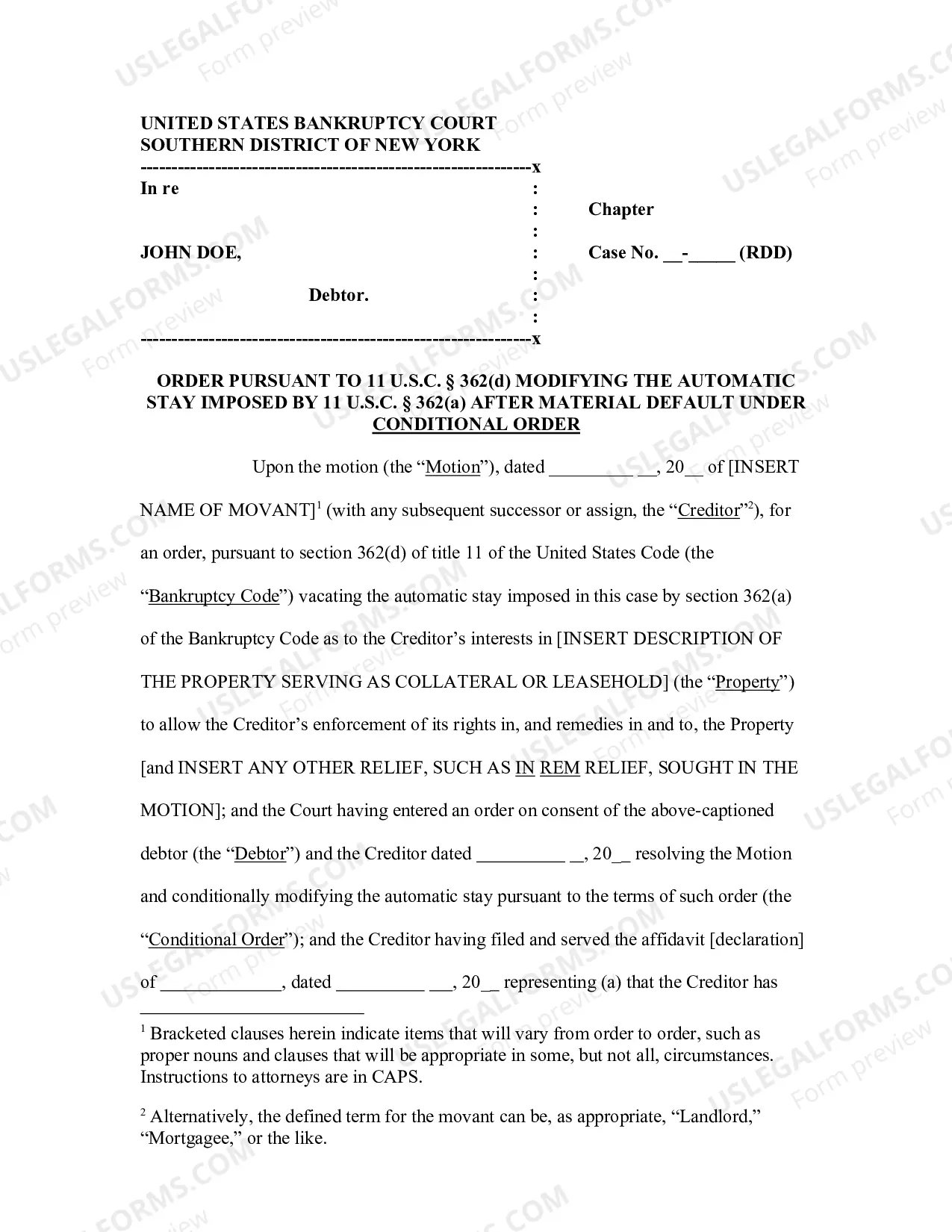

Form popularity
FAQ
To report illegal dumpsites found in Bexar County, call 210-335-6700.
The bulky waste collection centers are as follows: Bitters Bulky Waste Center 1800 Wurzbach Parkway, San Antonio, Texas 78216. Frio City Bulky Waste Center 1531 Frio City Rd, San Antonio, Texas 78226. Culebra Bulky Waste Center 7030 Culebra Rd, San Antonio, Texas 78238.
Average landfill fees range from $40 to $60 per ton or $15 to $30 per cubic yard for smaller loads.
To file an eviction, please contact a Justice of the Peace office. The Justice of the Peace hours of operation are Monday through Friday from am to pm. Evictions must be filed in the precinct of the occupied property. Confirm Precinct location here.
Complete answer: Landfill is a very cheap method for garbage disposal.
A garbage collection has the following phases: A marking phase that finds and creates a list of all live objects. A relocating phase that updates the references to the objects that will be compacted. A compacting phase that reclaims the space occupied by the dead objects and compacts the surviving objects.
Building Your Own Automatic Garbage Collector: A Guide for Developers Step 1: Understand Java's Memory Model. Step 2: Design a Custom Memory Allocator. Step 3: Implement Reference Tracking. Step 4: Choose a Garbage Collection Algorithm. Step 5: Implement Root Object Identification. Step 6: Implement a Marking Algorithm.