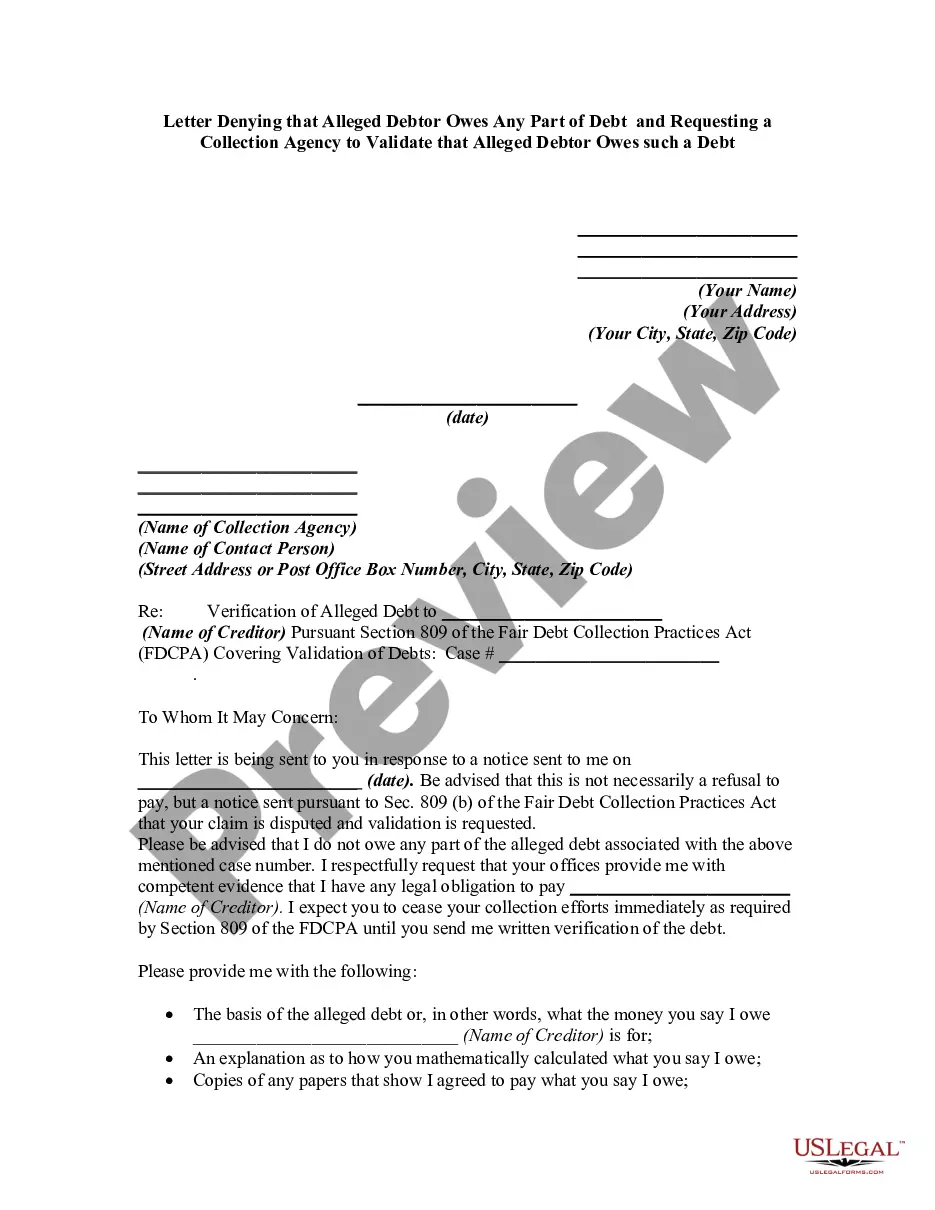
Service Notice To Tenant In Arizona
Description


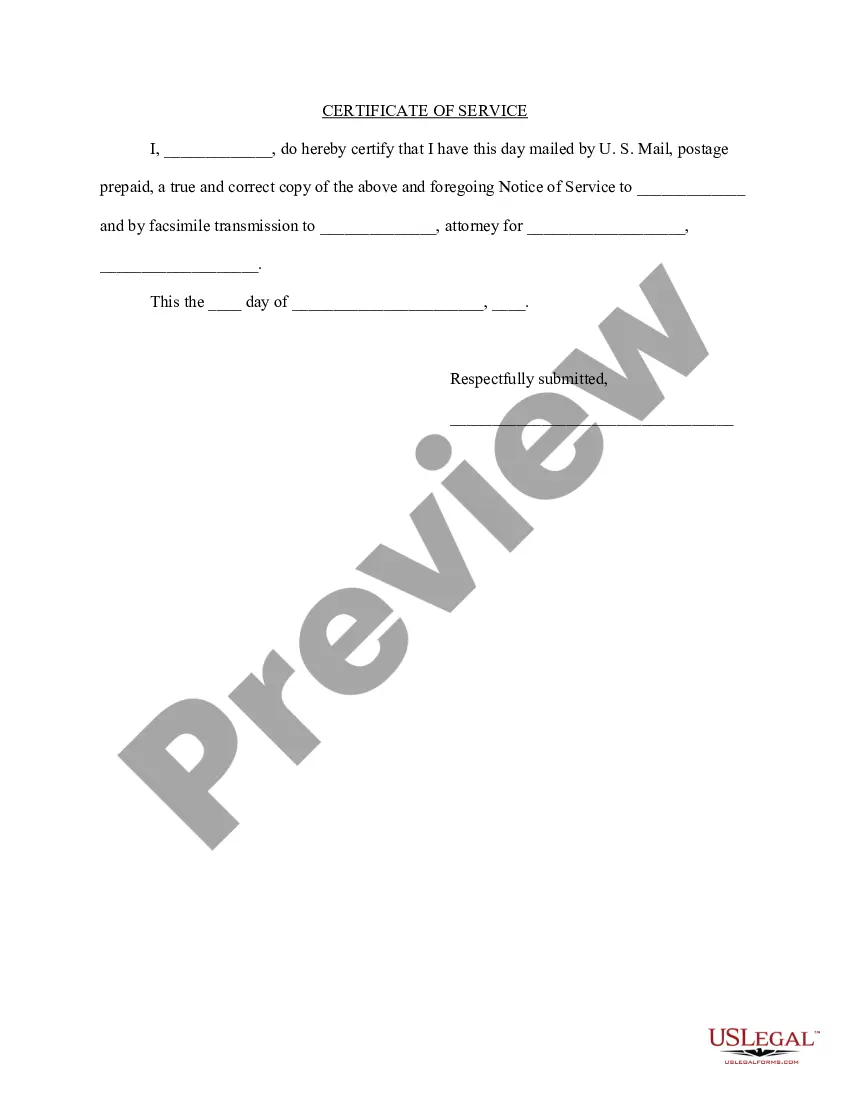
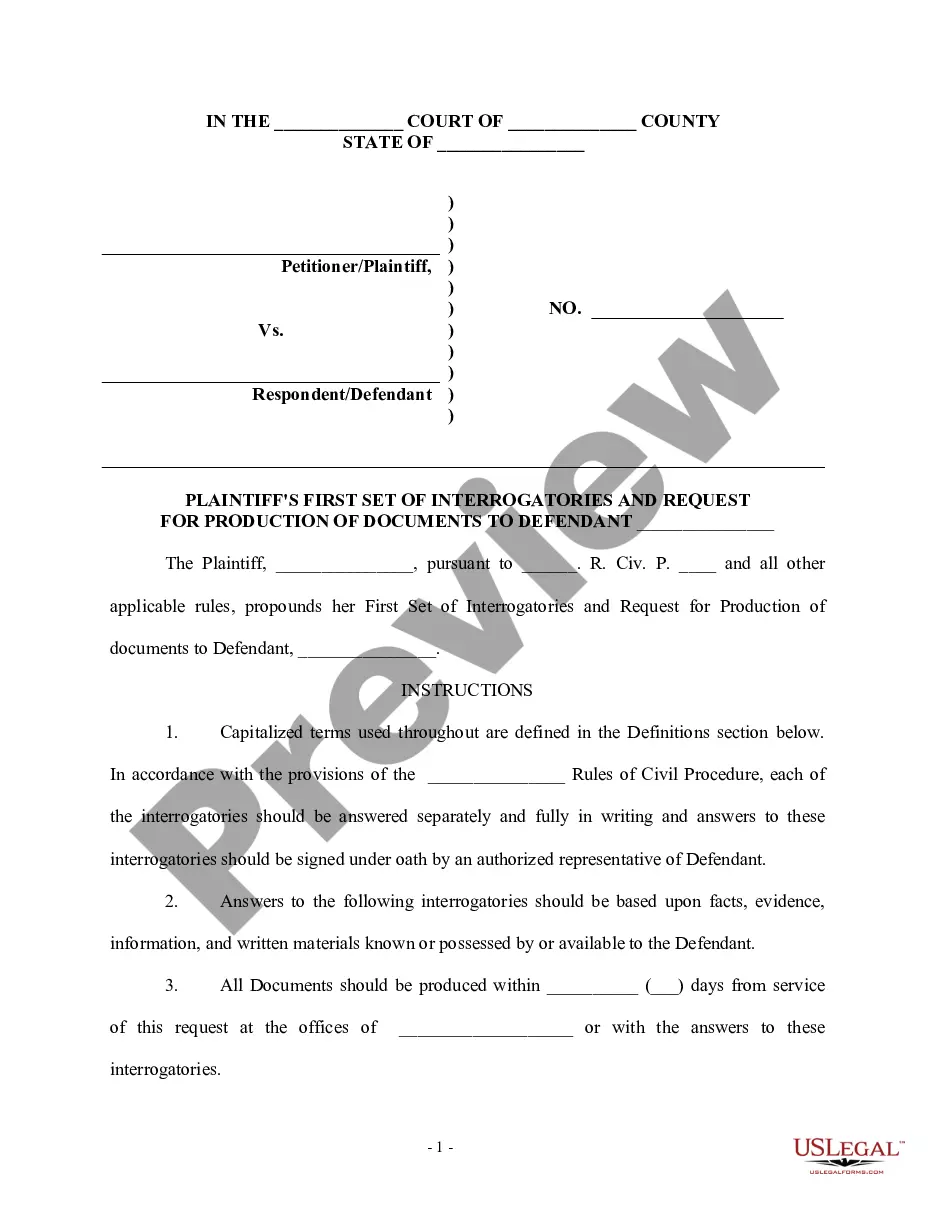
Get your form ready online
Our built-in tools help you complete, sign, share, and store your documents in one place.
Make edits, fill in missing information, and update formatting in US Legal Forms—just like you would in MS Word.
Download a copy, print it, send it by email, or mail it via USPS—whatever works best for your next step.
Sign and collect signatures with our SignNow integration. Send to multiple recipients, set reminders, and more. Go Premium to unlock E-Sign.
If this form requires notarization, complete it online through a secure video call—no need to meet a notary in person or wait for an appointment.
We protect your documents and personal data by following strict security and privacy standards.

Make edits, fill in missing information, and update formatting in US Legal Forms—just like you would in MS Word.

Download a copy, print it, send it by email, or mail it via USPS—whatever works best for your next step.

Sign and collect signatures with our SignNow integration. Send to multiple recipients, set reminders, and more. Go Premium to unlock E-Sign.

If this form requires notarization, complete it online through a secure video call—no need to meet a notary in person or wait for an appointment.

We protect your documents and personal data by following strict security and privacy standards.
Looking for another form?




Form popularity
FAQ
Generally, yes — email is considered written notice. While states have varying laws regarding when property owners should provide written notices and what forms of communication count as such, emails are generally accepted as written notices.
Is an email considered written notice? Generally, yes — email is considered written notice. While states have varying laws regarding when property owners should provide written notices and what forms of communication count as such, emails are generally accepted as written notices.
So emails can be admissible in a trial as evidence, subject to certain requirements and procedures. In general, emails may be introduced as evidence if they are relevant to the case and meet the standards of authentication and hearsay.
Generally, an eviction action summons and complaint must be served by a constable, sheriff or licensed process server, who must either personally serve the tenant or, post in an obvious place and then mail to the tenant by certified mail. There are alternative service methods available if authorized by a judge.
There are several ways you can assure notices are given to a landlord or agent. In order of reliability and practicality these include certified (or registered) mail, process server, express mail, facsimile, hand-delivery with witnesses, email and text.
"Written notice" means notice given in ance with § 55-248.6, including any representation of words, letters, symbols, numbers, or figures, whether (i) printed in or inscribed on a tangible medium or (ii) stored in an electronic form or other medium, retrievable in a perceivable form, and regardless of whether an ...
This is called a “self-help” measure, and it is unlawful (A.R.S. § 33-1367). A landlord must seek an eviction through the formal court process. However, before a landlord may go to court, the landlord first must provide the tenant with written notice (as described in the section above).
The first step in the Arizona eviction process is to terminate the tenancy via a written notice. In Arizona, landlords can evict tenants for a number of reasons, including not paying rent, violating the lease or rental unit, or committing a crime.
There is no law regulating what kind of advance notice, if any, is required to stay on or vacate when the lease ends. On occasion a lease will state that it automatically renews unless either party gives notice otherwise. More frequently, a 30-day or 60-day notice must be provided by one party to the other.
If the landlord fixes the problem within 14 days of receiving the notice, then the tenant must continue with the lease. But before sending a 14/30-day notice, be prepared to move out in 30 days. If the landlord fails to fix the problem in the 14 days, your right to live in the unit expires at the 30 day mark.