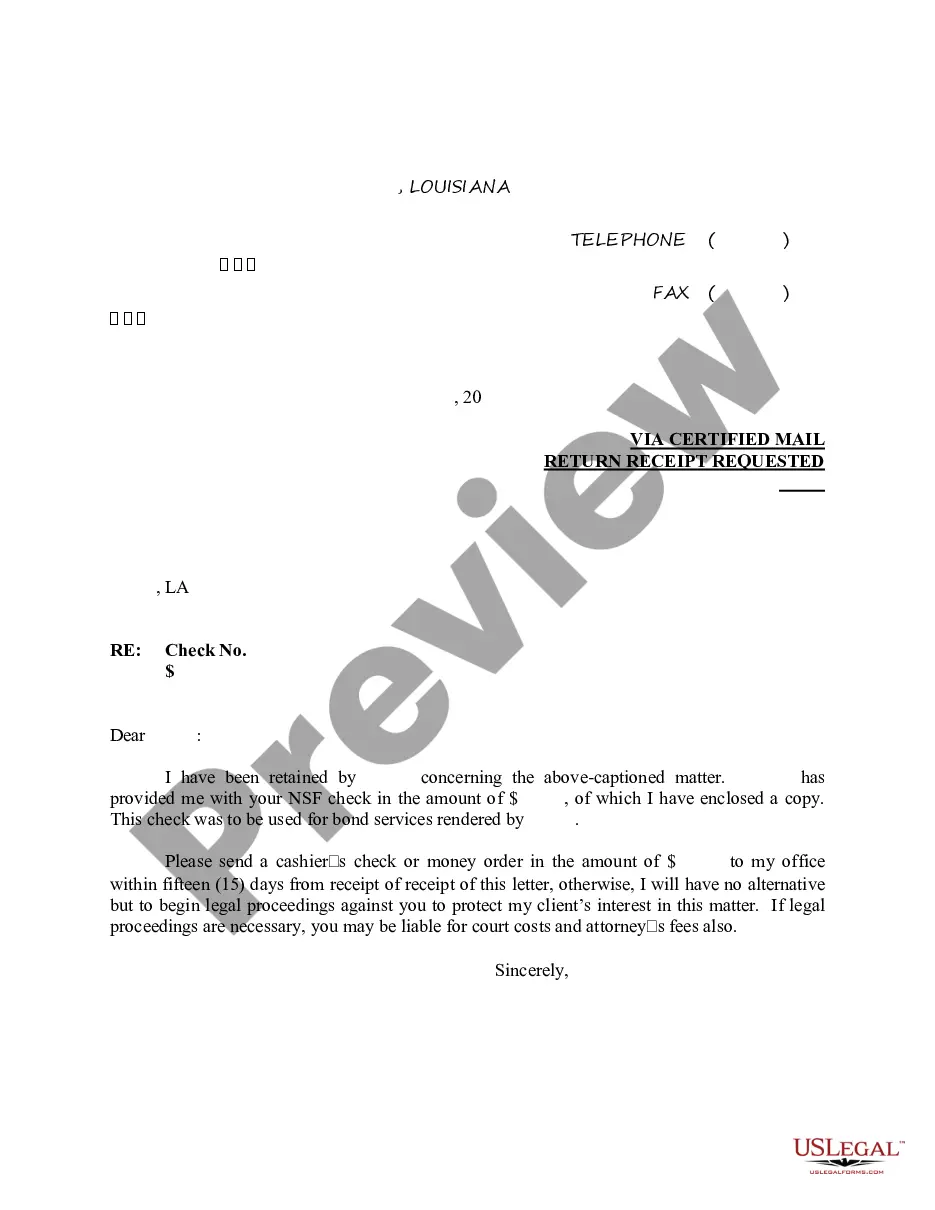
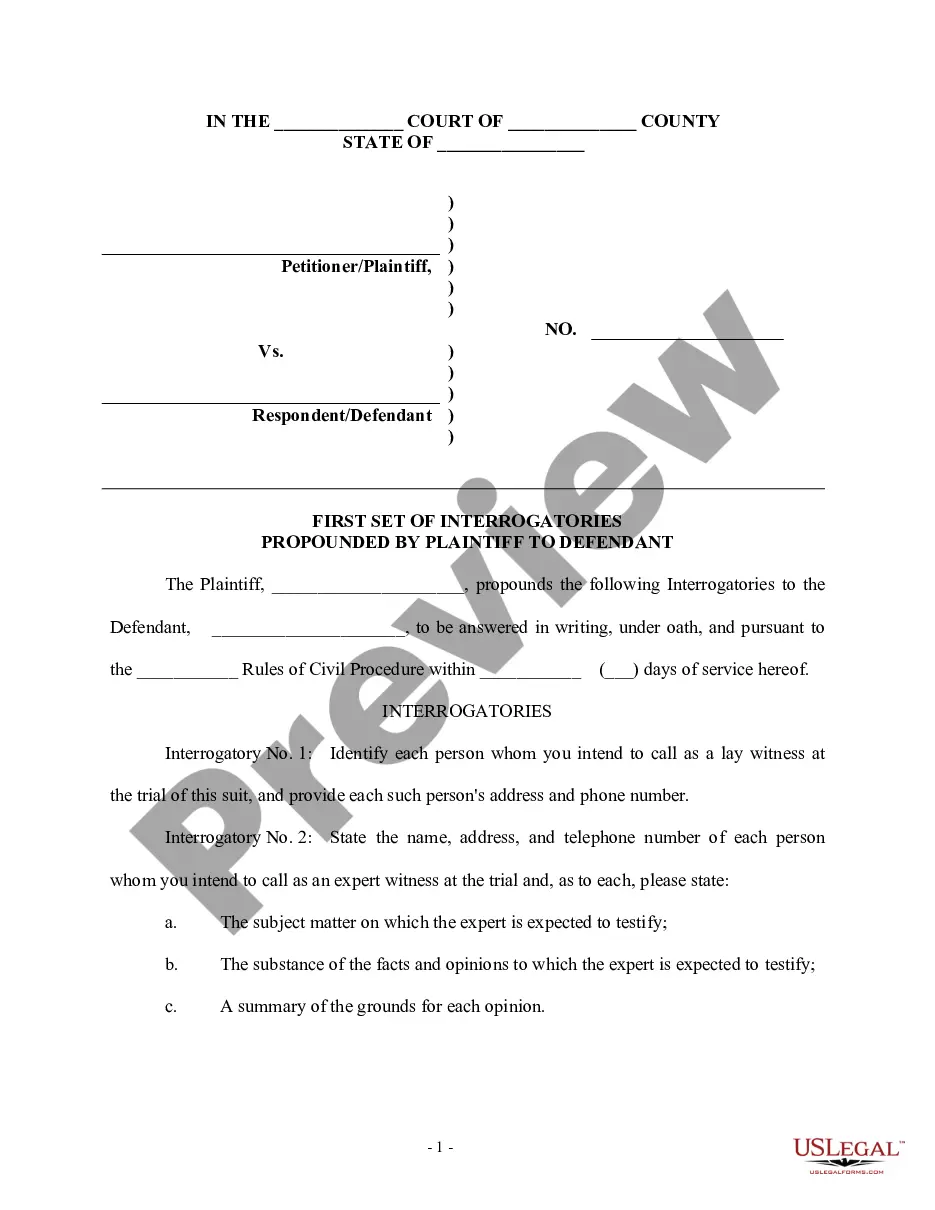
Notice For Discovery And Inspection In Allegheny
Description

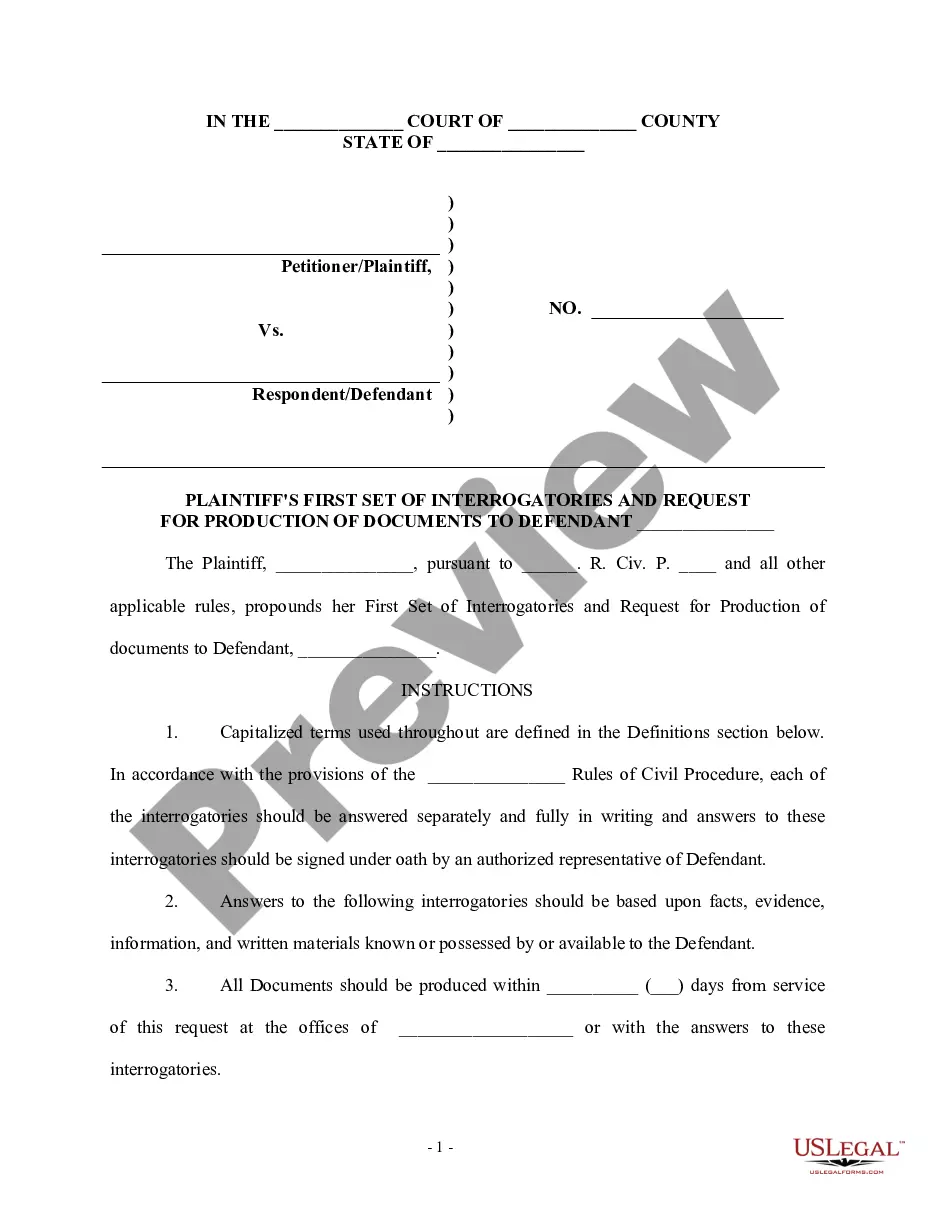
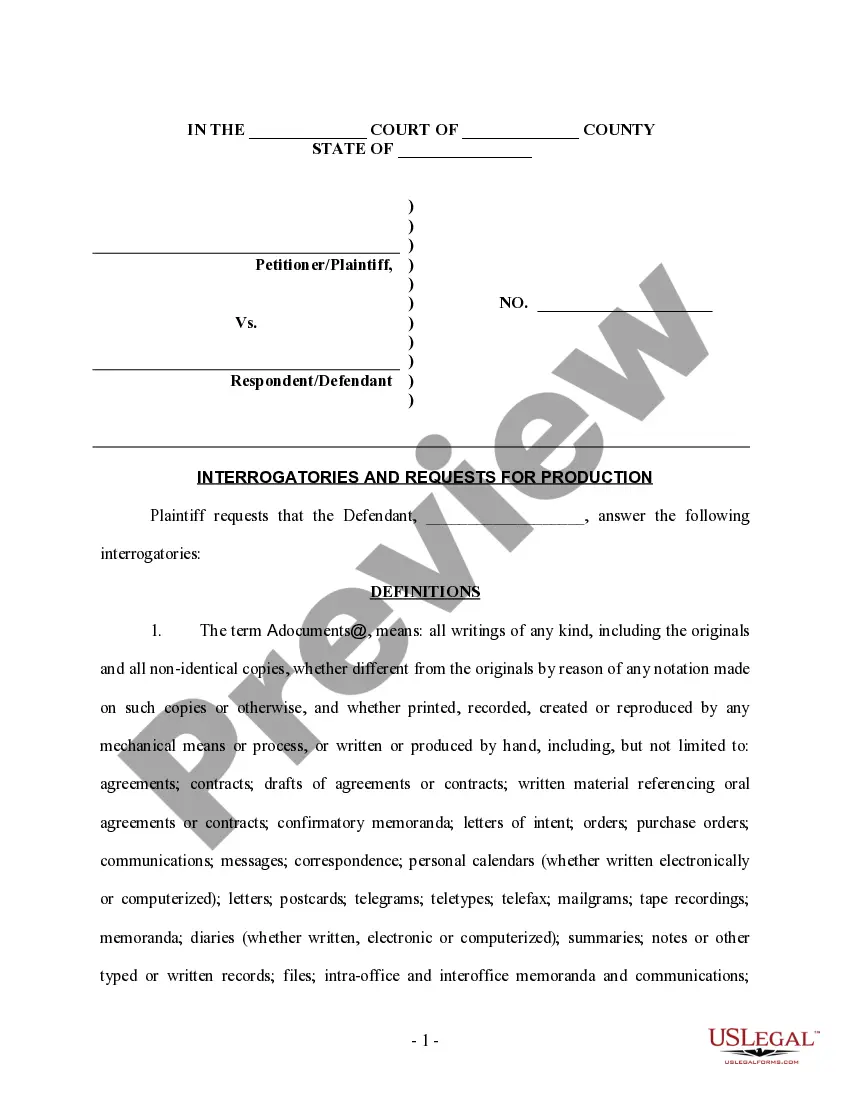
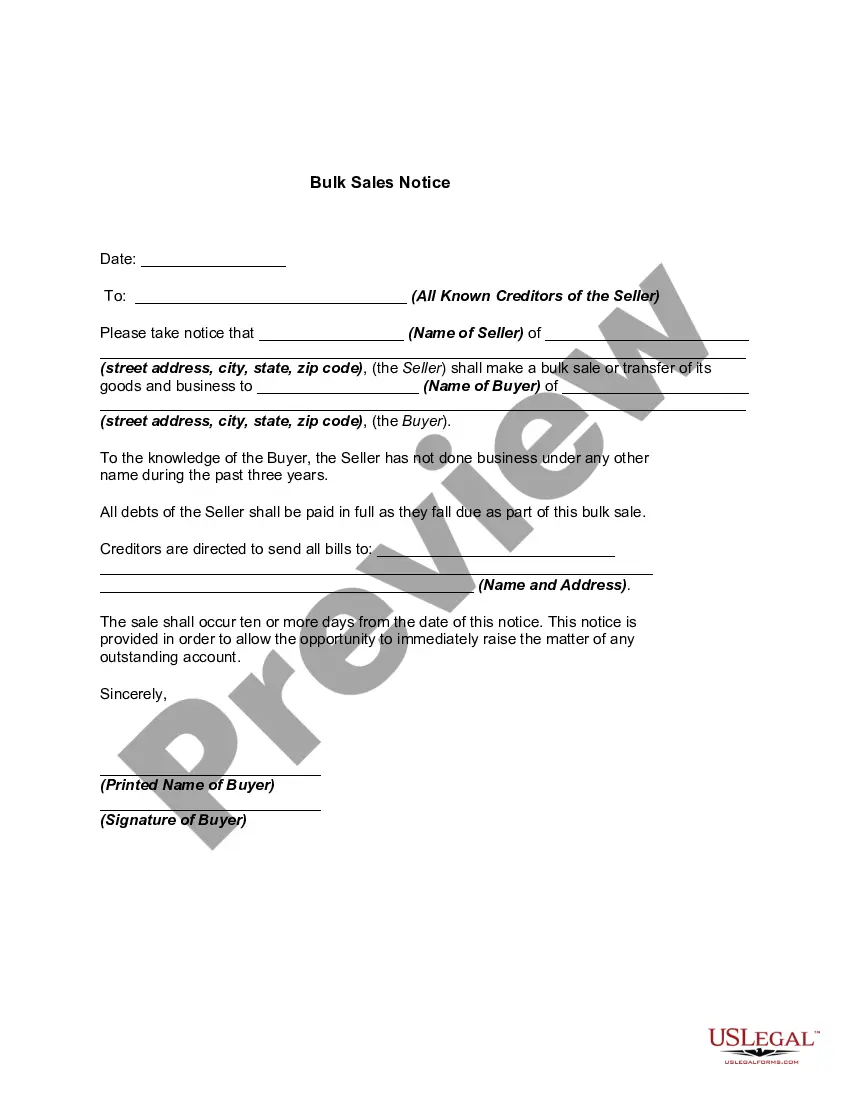
Get your form ready online
Our built-in tools help you complete, sign, share, and store your documents in one place.
Make edits, fill in missing information, and update formatting in US Legal Forms—just like you would in MS Word.
Download a copy, print it, send it by email, or mail it via USPS—whatever works best for your next step.
Sign and collect signatures with our SignNow integration. Send to multiple recipients, set reminders, and more. Go Premium to unlock E-Sign.
If this form requires notarization, complete it online through a secure video call—no need to meet a notary in person or wait for an appointment.
We protect your documents and personal data by following strict security and privacy standards.

Make edits, fill in missing information, and update formatting in US Legal Forms—just like you would in MS Word.

Download a copy, print it, send it by email, or mail it via USPS—whatever works best for your next step.

Sign and collect signatures with our SignNow integration. Send to multiple recipients, set reminders, and more. Go Premium to unlock E-Sign.

If this form requires notarization, complete it online through a secure video call—no need to meet a notary in person or wait for an appointment.

We protect your documents and personal data by following strict security and privacy standards.
Looking for another form?






Form popularity
FAQ
One of the tools that a knowledgeable criminal defense attorney will use to defend your rights is the pre-trial discovery process when the defense can file a “Demand for Discovery and Inspection” requesting that the prosecution share its evidence with the defense. This can include: Witness lists.
Rule 1301.1 - Discovery in Compulsory Arbitration Proceedings (Except Small Claims) (1) For any personal injury claim filed in Compulsory Arbitration, the plaintiff may serve arbitration discovery requests (see FORM 1301.1A) (see subsection (8)(a) below) either together with the copy of the Complaint served on the ...
Rule L212. 1 - Time For Completing Discovery - Civi (a) The parties shall complete discovery within 210 days from the filing of the complaint. Discovery will not be permitted after the 210 day period except by order of court upon good cause shown.
The Discovery Rule states that the two-year timeline to act begins after the proper diagnosis is given or discovered, but does not state that a victim must be aware of malpractice or misdiagnosis for that timetable to begin. A great example of this is a 1990 PA Superior Court ruling (MacCain v.
A party who discovers additional evidence or material before or during trial must promptly disclose its existence to the other party or the court if: (1) the evidence or material is subject to discovery or inspection under this rule; and. (2) the other party previously requested, or the court ordered, its production.
One of the tools that a knowledgeable criminal defense attorney will use to defend your rights is the pre-trial discovery process when the defense can file a “Demand for Discovery and Inspection” requesting that the prosecution share its evidence with the defense.
Pennsylvania Rule of Civil Procedure 4019(a)(1)(i) provides that “the court may, on motion, make an appropriate order if a party fails to serve answers, sufficient answers, or objections to written interrogatories.”
Pretrial Discovery is a stage in civil and some criminal actions where parties exchange information on the evidence that will be presented in court. The broad purpose of pretrial discovery is to ensure that parties in a lawsuit have mutual knowledge and access to all relevant facts that are essential to litigation.
You have 30 days to serve a written response to document requests, but you may ask the other party for more time. If the other party declines, you may write to the judge to ask for an extension of time.