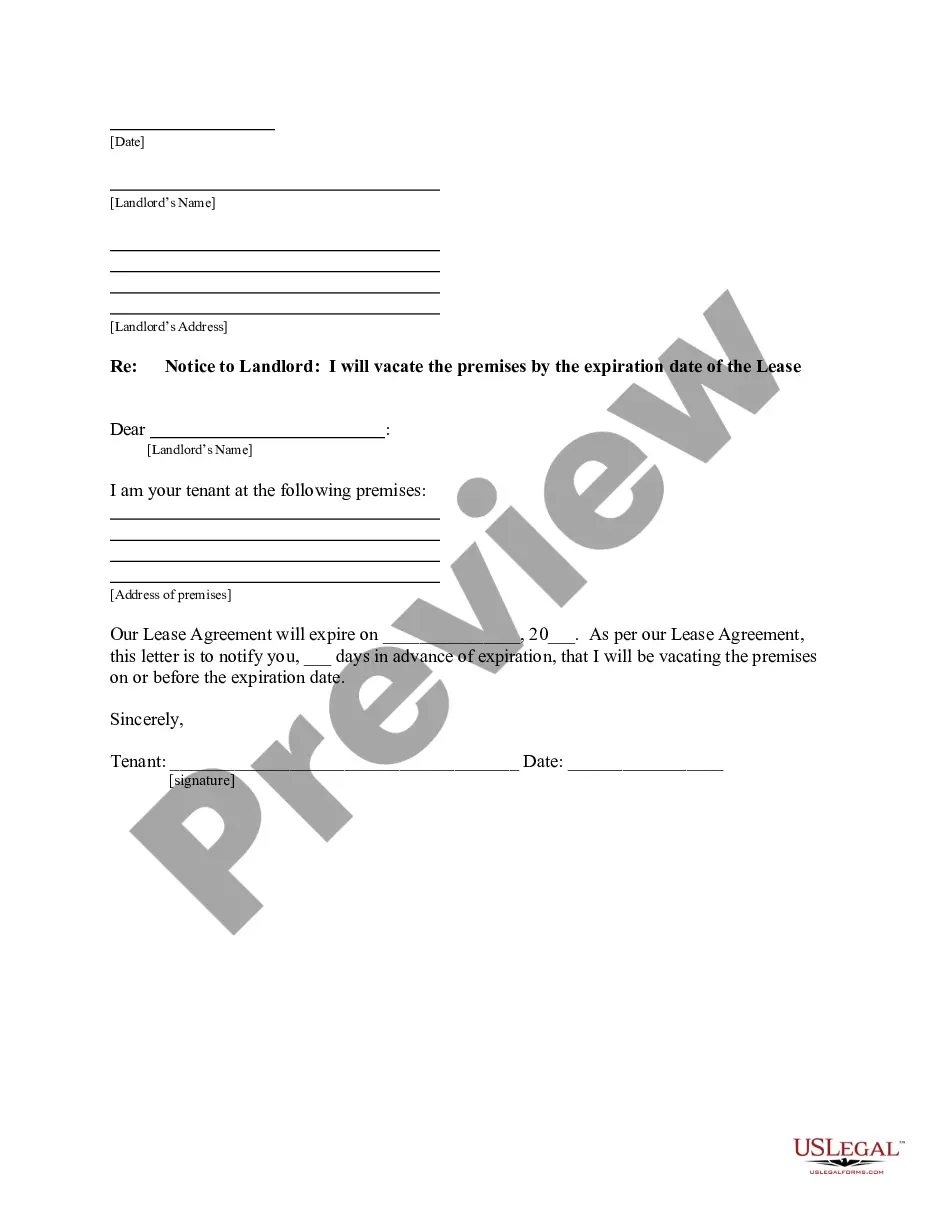
Notice For Discovery And Inspection In Alameda
Description

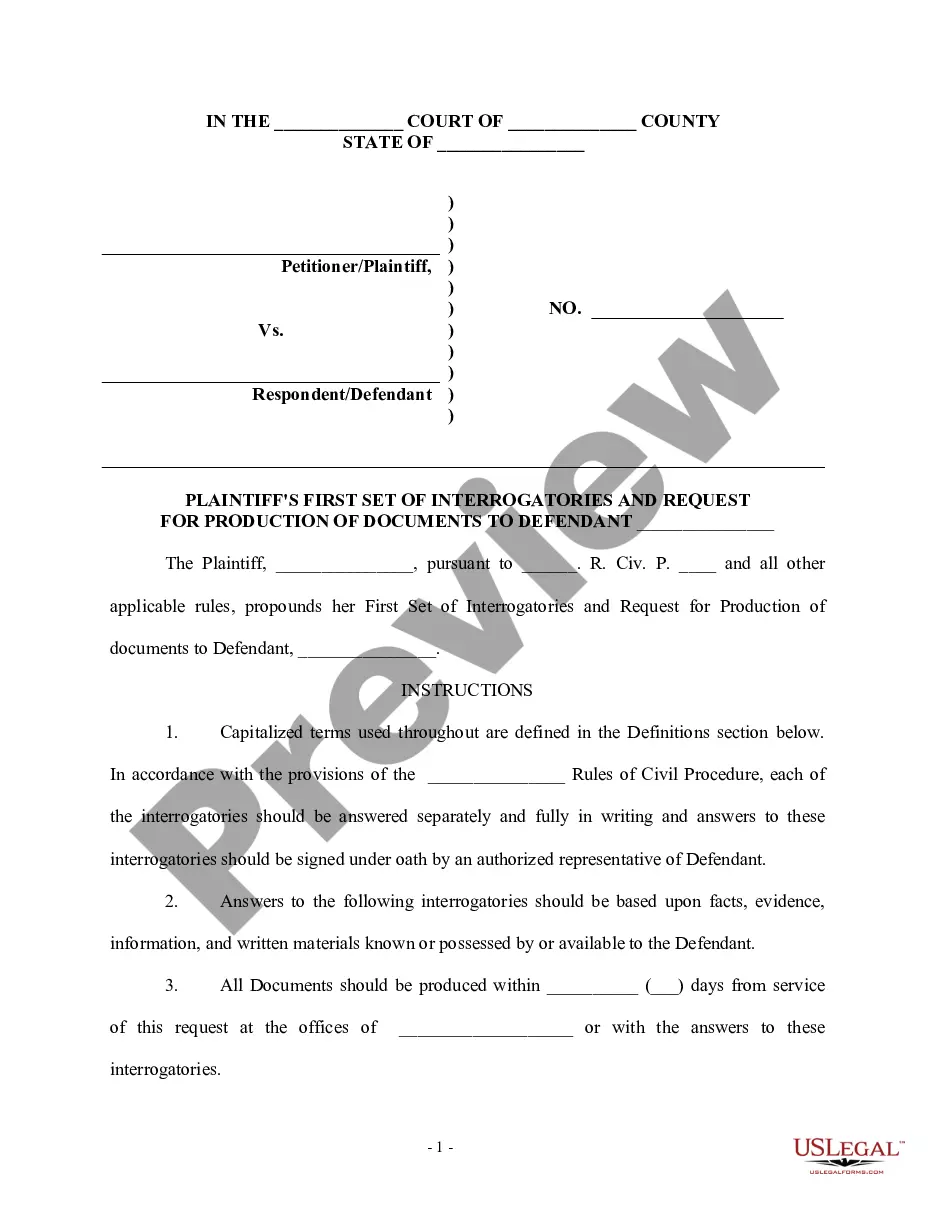
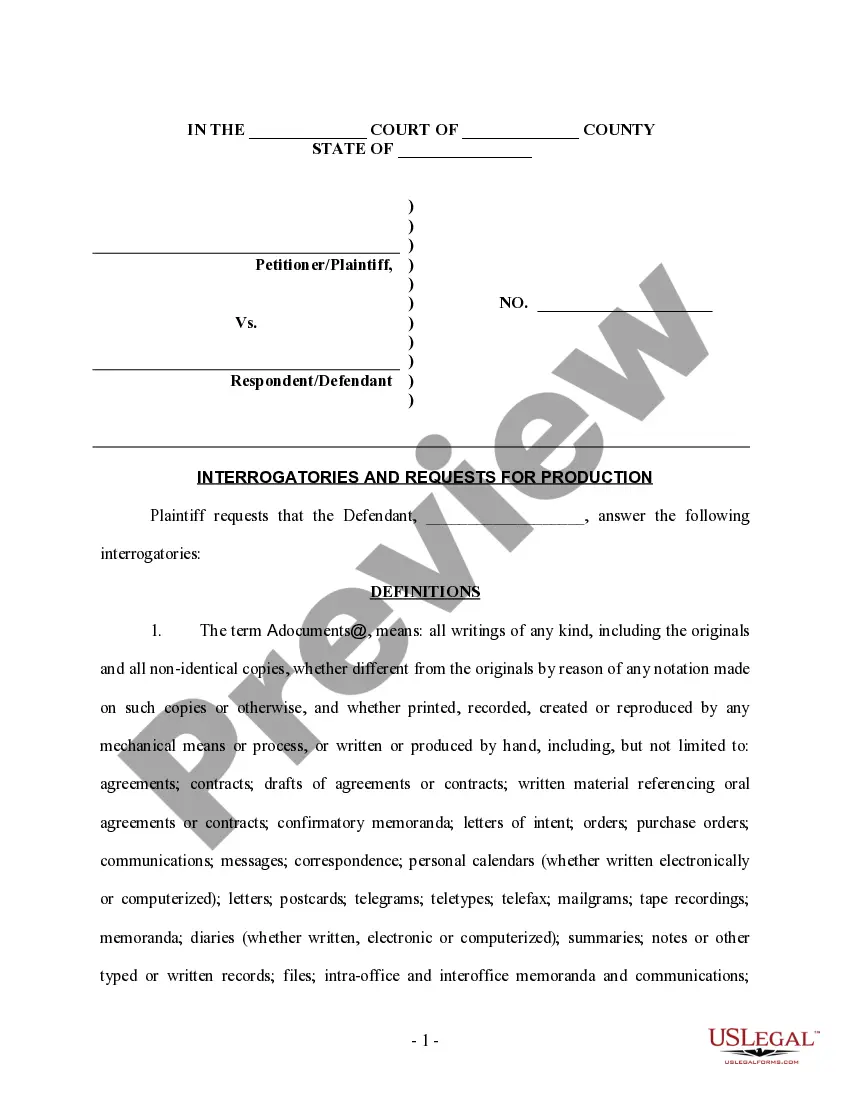
Get your form ready online
Our built-in tools help you complete, sign, share, and store your documents in one place.
Make edits, fill in missing information, and update formatting in US Legal Forms—just like you would in MS Word.
Download a copy, print it, send it by email, or mail it via USPS—whatever works best for your next step.
Sign and collect signatures with our SignNow integration. Send to multiple recipients, set reminders, and more. Go Premium to unlock E-Sign.
If this form requires notarization, complete it online through a secure video call—no need to meet a notary in person or wait for an appointment.
We protect your documents and personal data by following strict security and privacy standards.

Make edits, fill in missing information, and update formatting in US Legal Forms—just like you would in MS Word.

Download a copy, print it, send it by email, or mail it via USPS—whatever works best for your next step.

Sign and collect signatures with our SignNow integration. Send to multiple recipients, set reminders, and more. Go Premium to unlock E-Sign.

If this form requires notarization, complete it online through a secure video call—no need to meet a notary in person or wait for an appointment.

We protect your documents and personal data by following strict security and privacy standards.
Looking for another form?







Form popularity
FAQ
The answer to your question is yes. You can refuse to answer the question, but please keep in mind that if you don't answer the question, then the other party can request a subpoena to have a judge force you to answer.
One of the tools that a knowledgeable criminal defense attorney will use to defend your rights is the pre-trial discovery process when the defense can file a “Demand for Discovery and Inspection” requesting that the prosecution share its evidence with the defense.
Your response for each request must include either an agreement to comply, a representation of your ability to reply, or an objection to all or part of the request. California Code of Civil Procedure (CCP) §§ 2031.210 et. seq require specific statements in your response.
Parties usually send their discovery requests and responses to the other party electronically, by email. But, parties may also send or respond to discovery requests by U.S. mail or a parcel service. Discovery requests and responses should not be sent to the Administrative Judge, except to support a motion.
A responding party has four options: (1) admit; (2) deny; (3) admit in part and deny in part; or (4) explain why the party is unable to answer. It is possible to object to all or part of a request as well, but courts do not like parties who play “word games” to avoid responding. Further, Civ.
Read each question (interrogatory) very carefully. Answer only the question that is asked, and avoid the temptation to over-explain your answer. If the question contains several parts, you may break your answer into parts as well. It is also possible that you might object to the question.
A discovery response is essentially a choice that you make after receiving a request for information. The question then becomes, Should you comply or not?
A discovery response is essentially a choice that you make after receiving a request for information. The question then becomes, Should you comply or not?
Service may be completed by mail, by a person over the age of 18 who is not a party to the case. The person serving your requests must complete a proof of service form, typically a Proof of Service by First Class Mail (POS-030). For more information, see our guide on Proof of Service by Mail.
In every case, to present an ex parte application to the court, a party must: reserve a hearing date with the applicable department (for applications that require a hearing.) ... file the motion with the court, and. give notice of the hearing date as required by law.