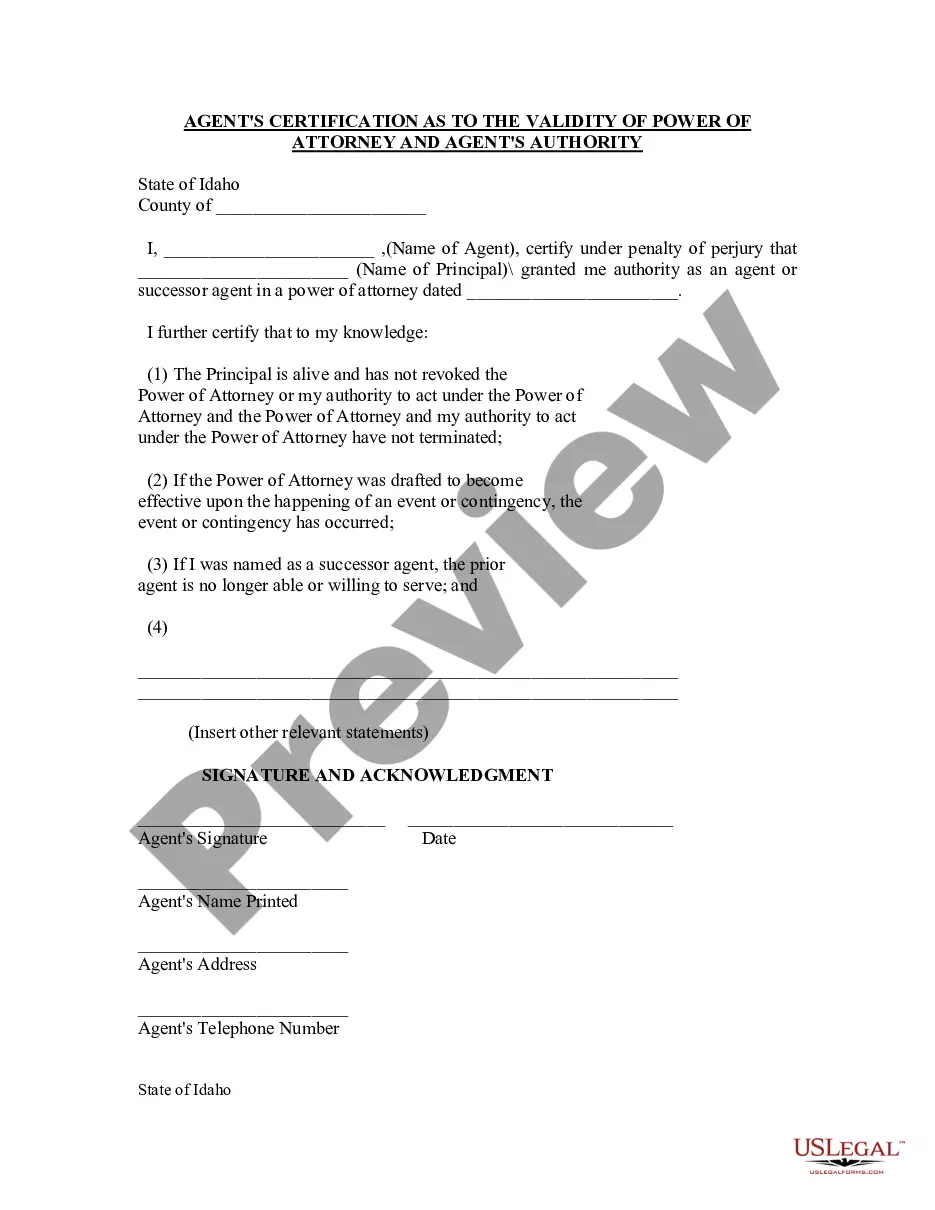
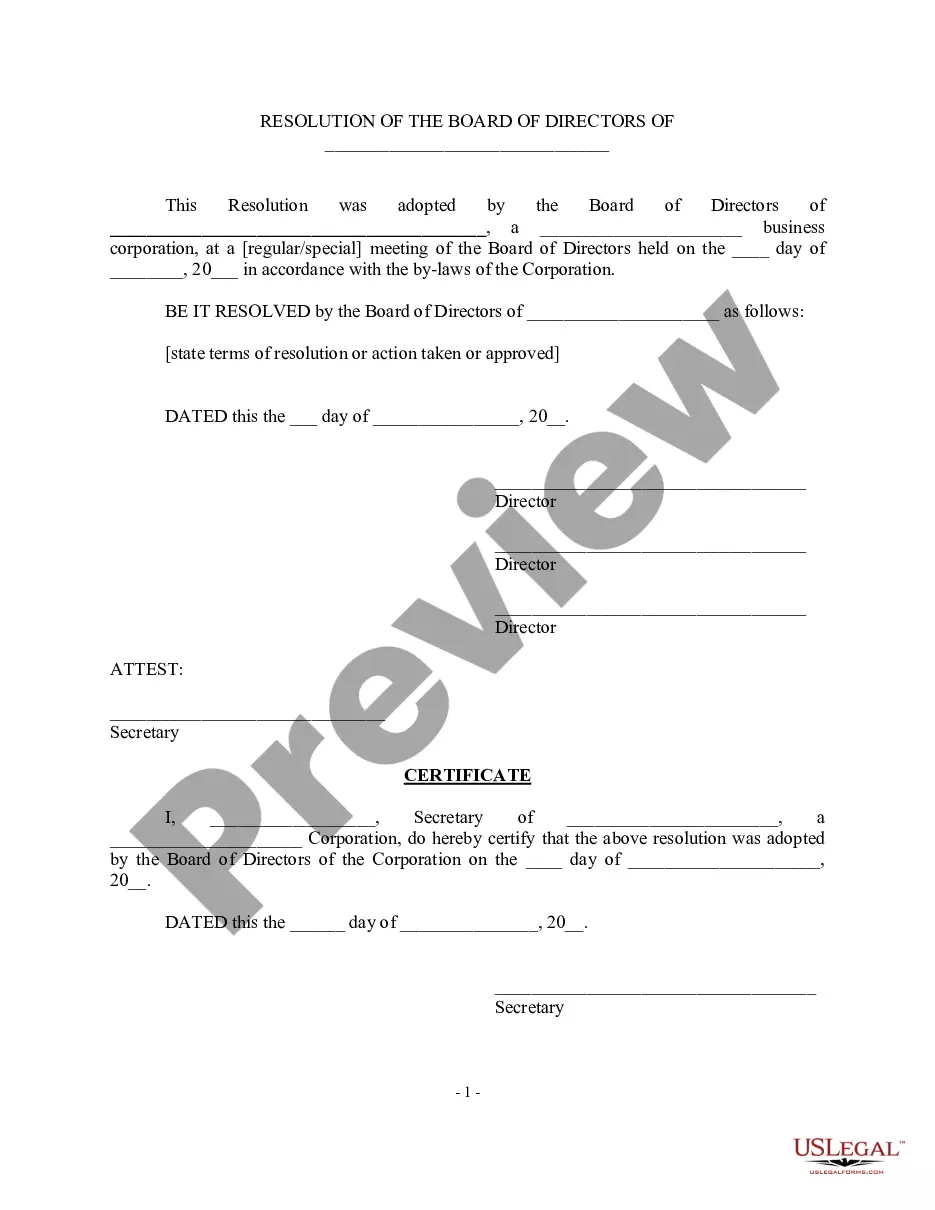
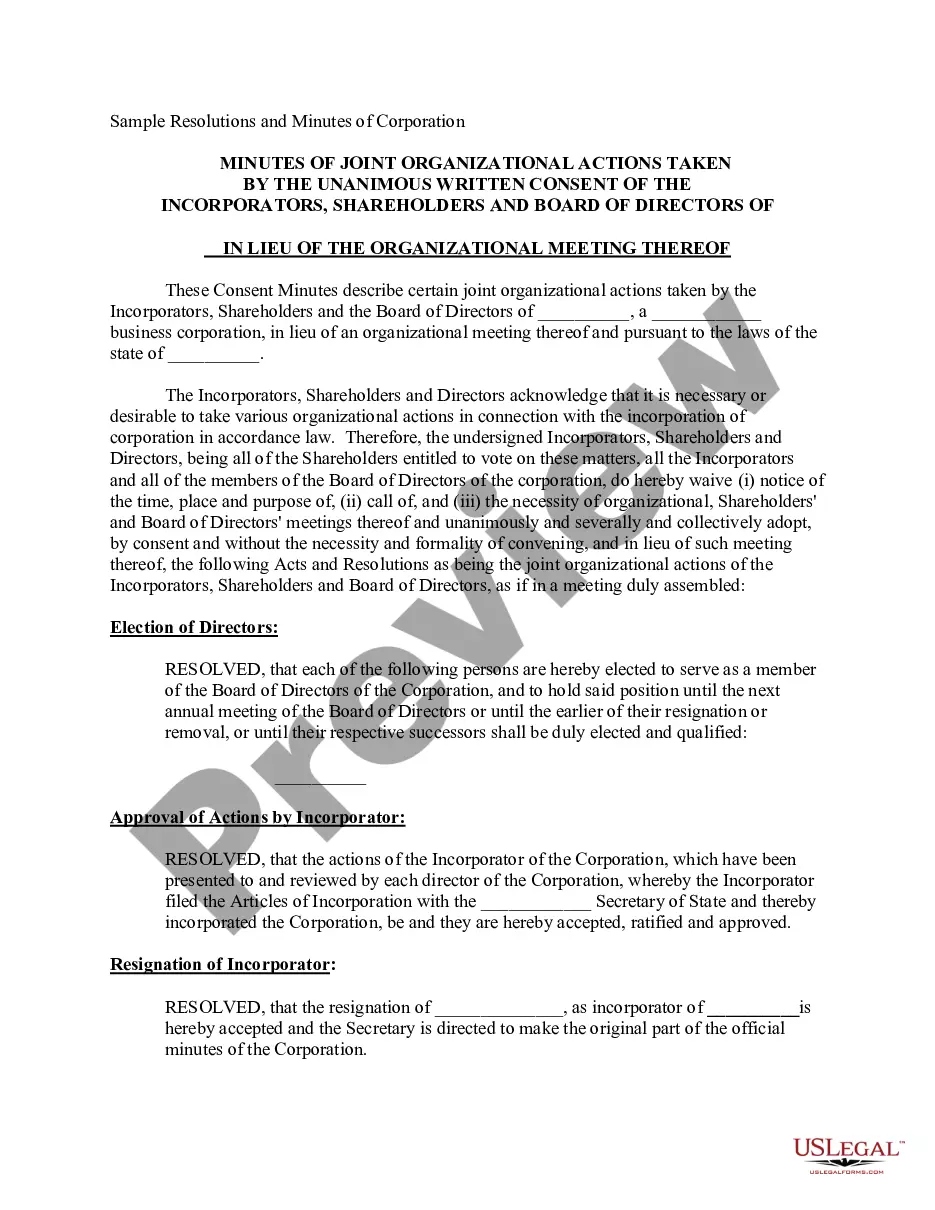
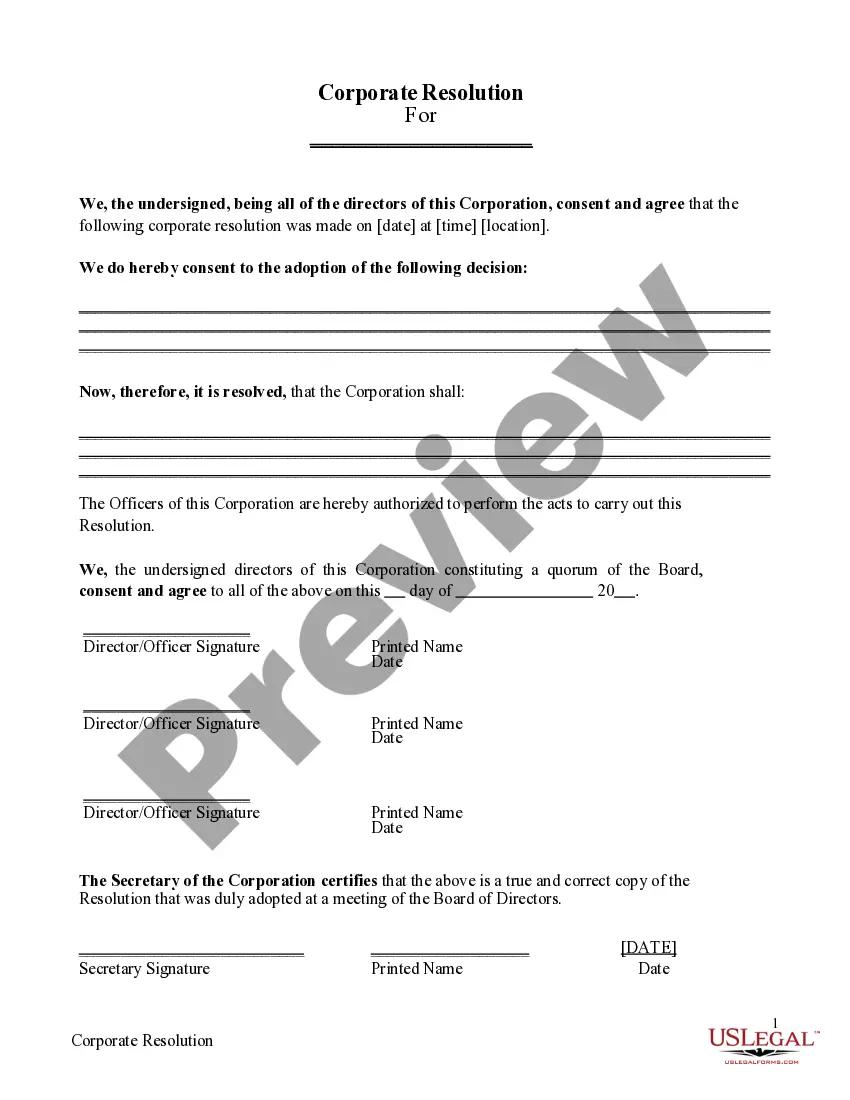
Corporate Resolution Without Meeting In Philadelphia
Description

Get your form ready online
Our built-in tools help you complete, sign, share, and store your documents in one place.
Make edits, fill in missing information, and update formatting in US Legal Forms—just like you would in MS Word.
Download a copy, print it, send it by email, or mail it via USPS—whatever works best for your next step.
Sign and collect signatures with our SignNow integration. Send to multiple recipients, set reminders, and more. Go Premium to unlock E-Sign.
If this form requires notarization, complete it online through a secure video call—no need to meet a notary in person or wait for an appointment.
We protect your documents and personal data by following strict security and privacy standards.

Make edits, fill in missing information, and update formatting in US Legal Forms—just like you would in MS Word.

Download a copy, print it, send it by email, or mail it via USPS—whatever works best for your next step.

Sign and collect signatures with our SignNow integration. Send to multiple recipients, set reminders, and more. Go Premium to unlock E-Sign.

If this form requires notarization, complete it online through a secure video call—no need to meet a notary in person or wait for an appointment.

We protect your documents and personal data by following strict security and privacy standards.
Looking for another form?





Form popularity
FAQ
75.193 Resolution of directors A resolution of directors may be passed by a written resolution or at a meeting of directors.
SPECIFIC RESTRICTIONS FOR RESOLUTIONS THAT CAN NOT BE PASSED BY CIRCULATION: To issue debentures. To take decisions regarding investing the funds of the company. To make investments in shares of the other companies. To approve the transactions related to merger or acquisition.
A resolution is a legally binding agreement or decision made by company members or directors. The outcome of a resolution is determined by the votes cast for and against the decision. If the required majority is reached, the resolution is 'passed'.
Most decisions at a general meeting are made by ordinary resolution. A special resolution is passed if at least three-quarters of the votes cast support it.
In general there are two procedural ways for shareholders to pass a resolution. A shareholders' resolution can either be passed during a formal meeting of the shareholders or in writing (without holding an actual meeting).
--Unless otherwise provided in the bylaws, a majority of the directors in office of a business corporation shall be necessary to constitute a quorum for the transaction of business, and the acts of a majority of the directors present and voting at a meeting at which a quorum is present shall be the acts of the board of ...
In the realm of corporate governance, a consent to action without meeting is a powerful tool that allows a corporation's board of directors to make decisions without convening a formal meeting.
For an ordinary resolution to pass at the meeting, shareholders with more than 50% of the voting rights out of the present shareholders need to vote in favour of the resolution, even though this may only represent 30% of the overall voting shares.
7 steps for writing a resolution Put the date and resolution number at the top. Give the resolution a title that relates to the decision. Use formal language. Continue writing out each critical statement. Wrap up the heart of the resolution in the last statement.
How to write a corporate resolution Hold a board meeting. Board members typically create corporate resolutions at their board meetings to summarize what they discussed. Include introductory elements. Write a statement of consent. List the resolutions. Conclude with a statement of resolution. Proofread the document.