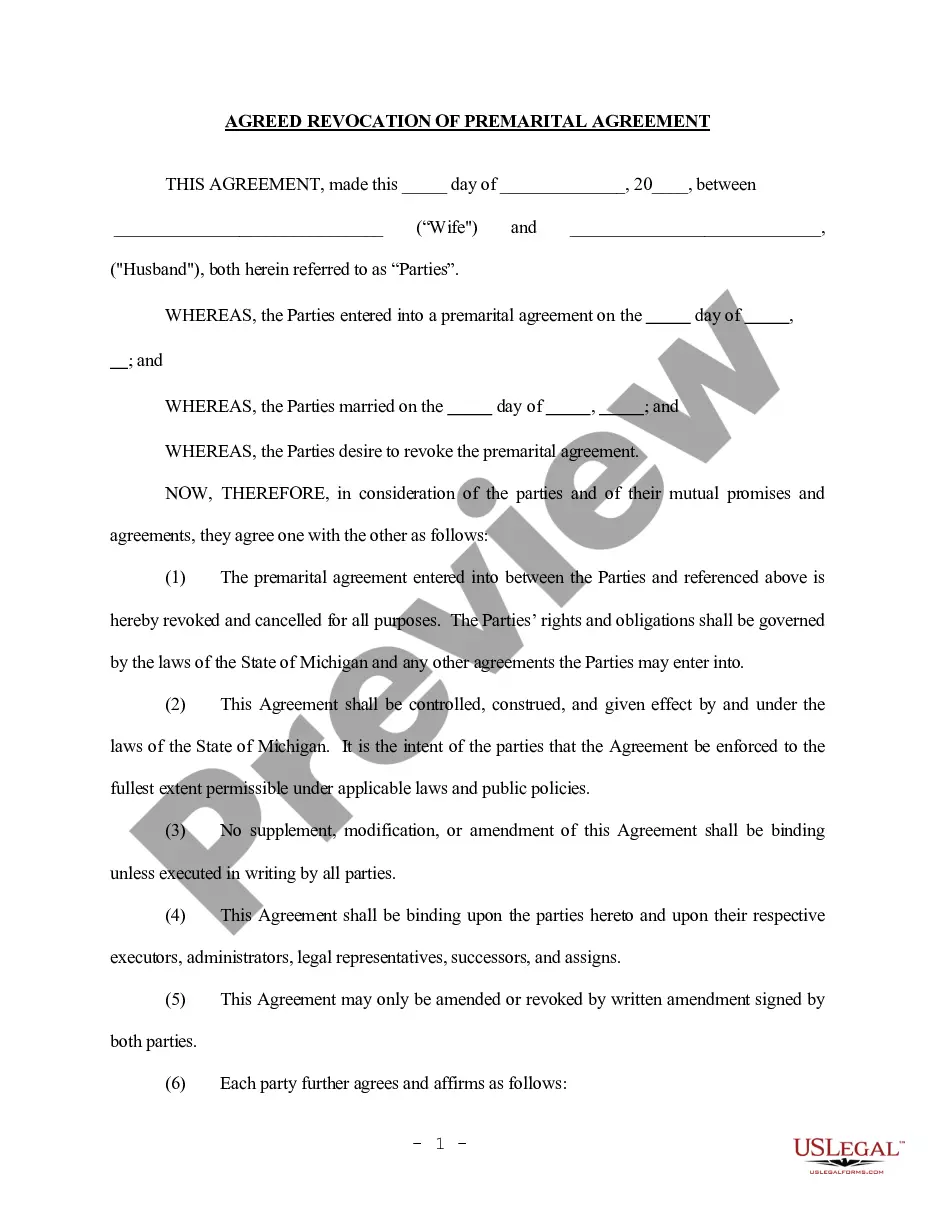
Nonprofit Profit Board Resolution Template For Responsibilities In Wake
Description
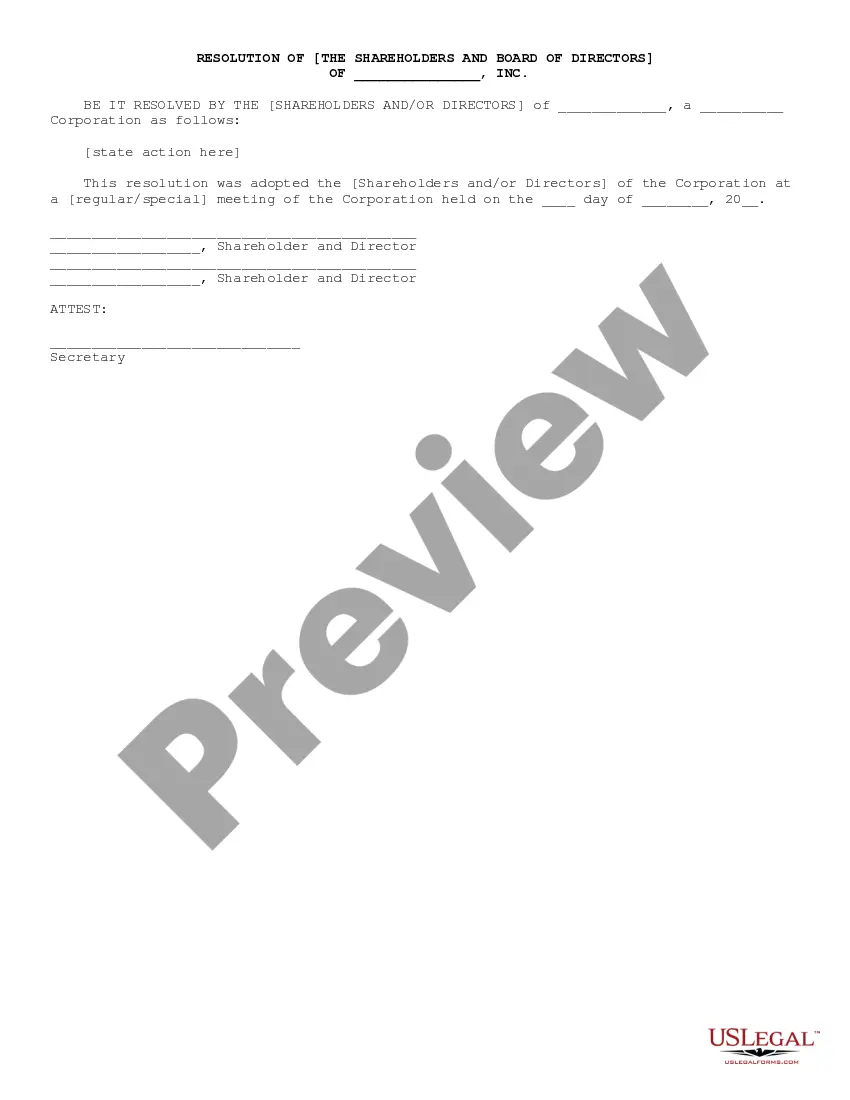
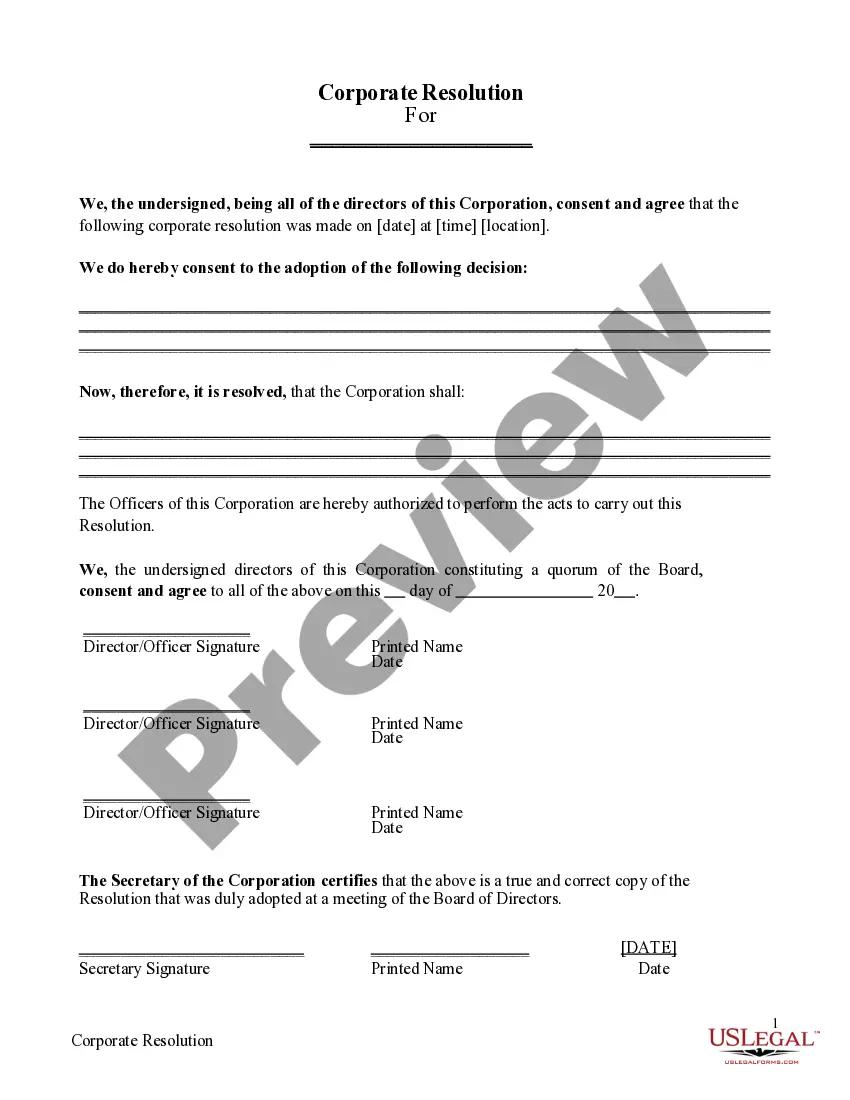
Get your form ready online
Our built-in tools help you complete, sign, share, and store your documents in one place.
Make edits, fill in missing information, and update formatting in US Legal Forms—just like you would in MS Word.
Download a copy, print it, send it by email, or mail it via USPS—whatever works best for your next step.
Sign and collect signatures with our SignNow integration. Send to multiple recipients, set reminders, and more. Go Premium to unlock E-Sign.
If this form requires notarization, complete it online through a secure video call—no need to meet a notary in person or wait for an appointment.
We protect your documents and personal data by following strict security and privacy standards.

Make edits, fill in missing information, and update formatting in US Legal Forms—just like you would in MS Word.

Download a copy, print it, send it by email, or mail it via USPS—whatever works best for your next step.

Sign and collect signatures with our SignNow integration. Send to multiple recipients, set reminders, and more. Go Premium to unlock E-Sign.

If this form requires notarization, complete it online through a secure video call—no need to meet a notary in person or wait for an appointment.

We protect your documents and personal data by following strict security and privacy standards.
Looking for another form?







Form popularity
FAQ
The board secretary typically writes board resolutions, but any board director can write them. The length of the resolution isn't important. It's best to keep it clear and simple, stating only what you need to say. Before writing a board resolution, be clear on the purpose of writing it and stay focused on its purpose.
Specifically, they have to comply with three fiduciary duties: care, obedience and loyalty. If board members understand and embrace these responsibilities, they can fulfill those duties and hold their fellow board members accountable to do the same.
How to write a board resolution Put the date and resolution number at the top. Give the resolution a title that relates to the decision. Use formal language. Continue writing out each critical statement. Wrap up the heart of the resolution in the last statement.
There are three core areas of responsibility that lie with the board. Perform fiduciary duties. Fiduciary responsibilities often center around board oversight and other performance-related metrics. Ensure appropriate leadership. Be dedicated and available to the company.
The Old Criteria: Contribute 2 of 3 – Work, Wisdom, Wealth (or Time, Talent, and Treasure).
Boards have 3 primary roles: to establish policies, to make significant and strategic decisions, and to oversee the organization's activity. Policy making. Effective execution of policy is necessary to fulfill the other 2 roles. Decision making. Oversight.
Simply explained, a fiduciary is a person or organization legally and ethically bound to act for the benefit of another party. In the case of a nonprofit, the fiduciary must always prioritize the best interests of the organization, ahead of the interests of board and committee members, or the interests of any others.
The basics ¿Cuáles son las responsabilidades legales de una junta directiva sin fines de lucro? Just as for any corporation, the board of directors of a nonprofit has three primary legal duties known as the “duty of care,” “duty of loyalty,” and “duty of obedience.”
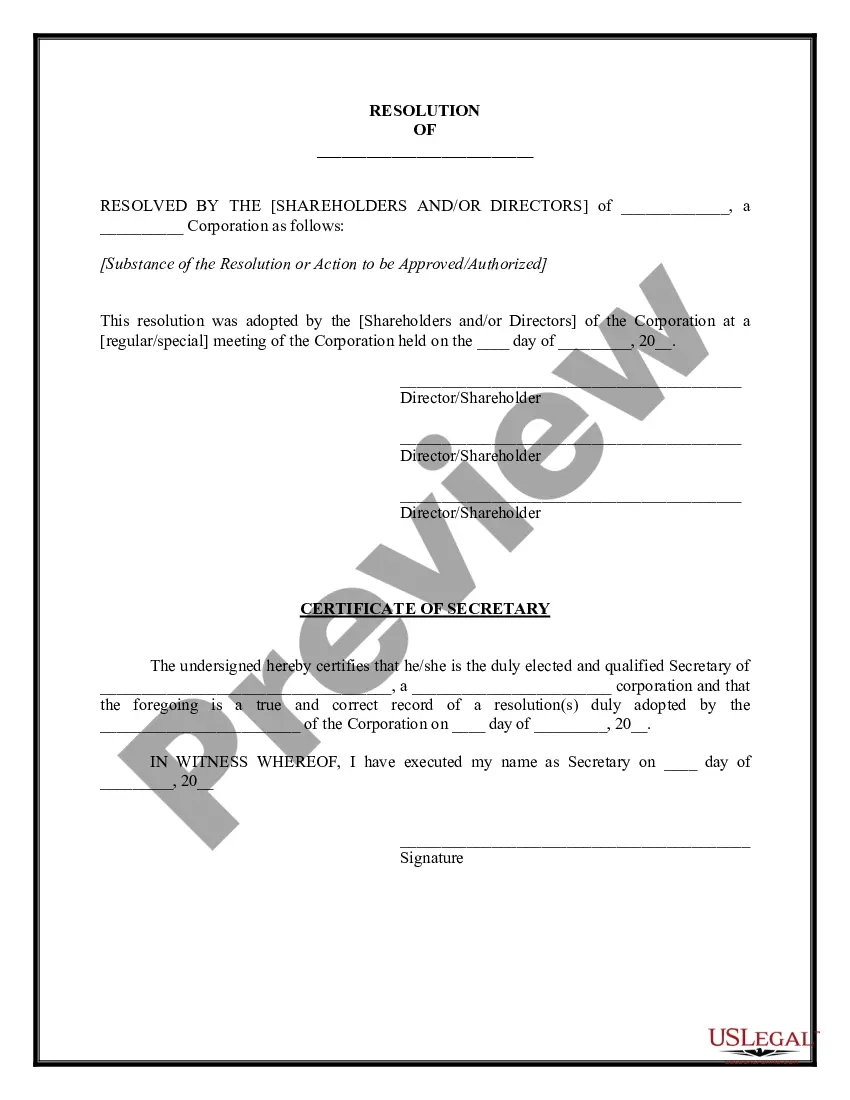
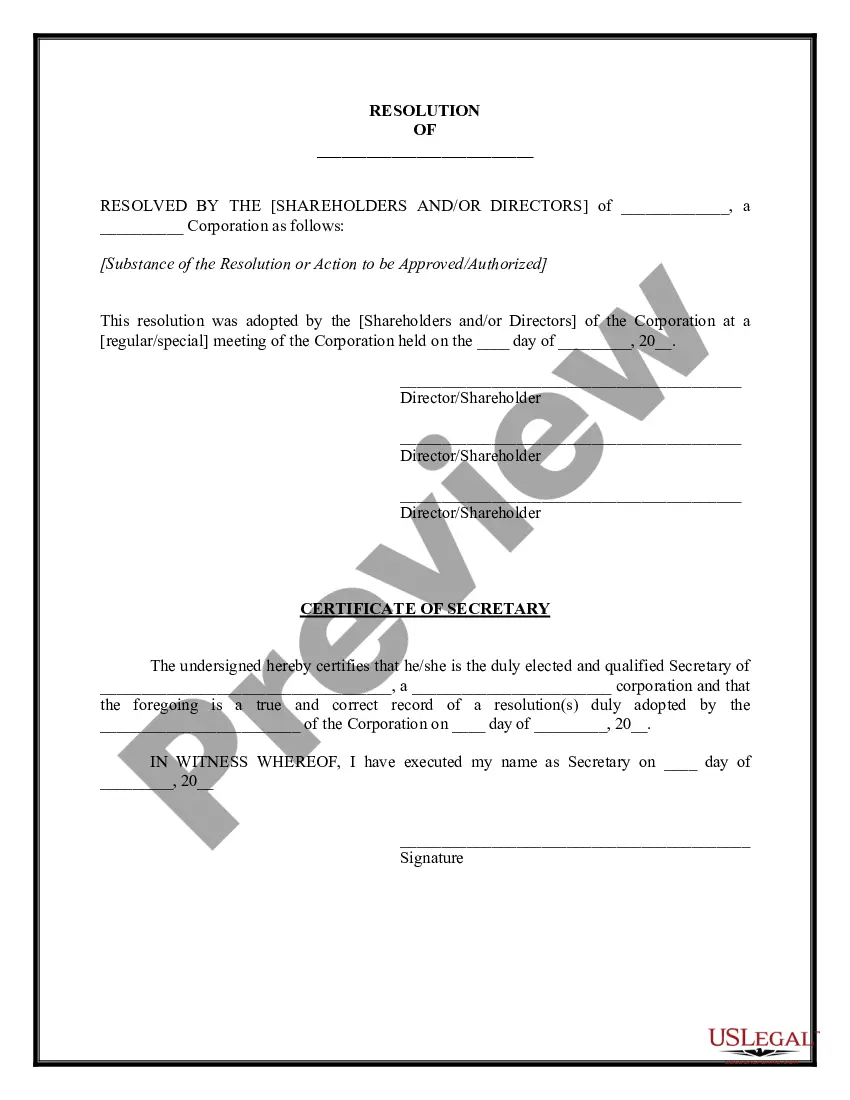
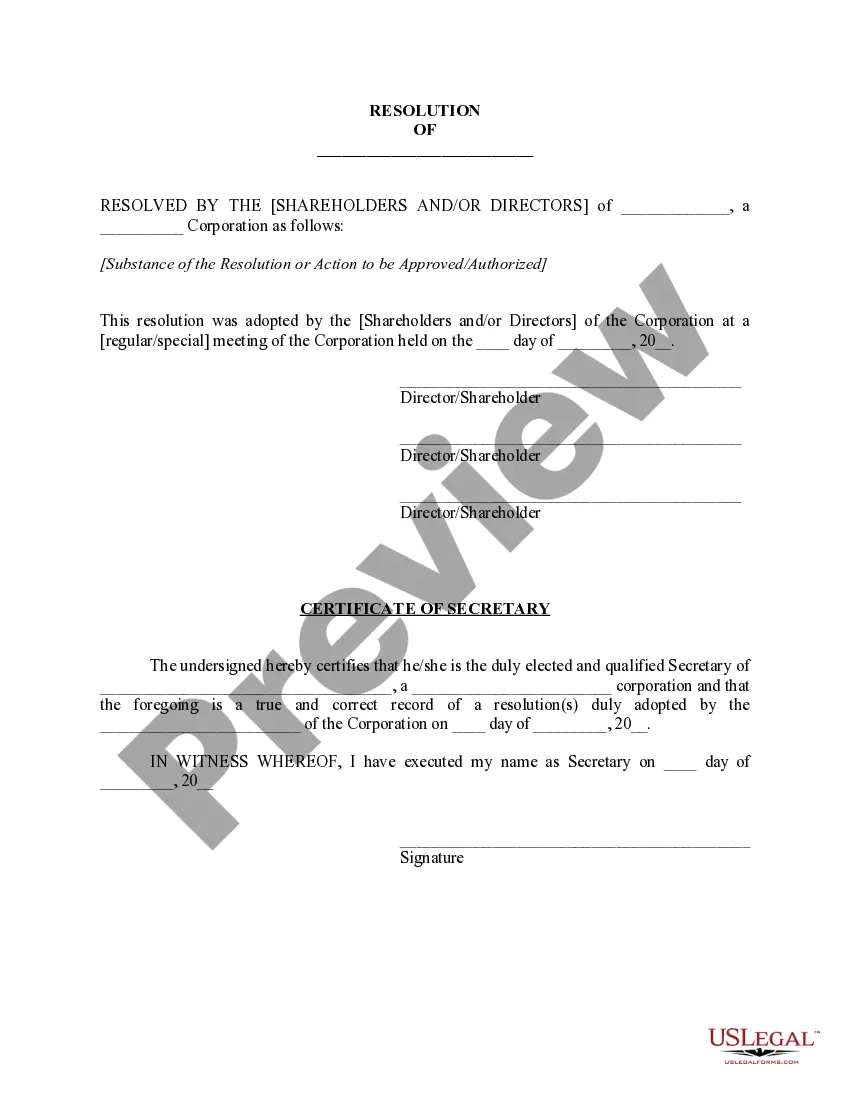
Resolutions begin with "Whereas" statements, which provides the basic facts and reasons for the resolution, and conclude with "Resolved" statements which, identifies the specific proposal for the requestor's course of action.
There are three main parts to a draft resolution: the heading, the preamble, and the operative section. The heading shows the committee and topic. It also lists the draft resolution's signatories (see below). Each draft resolution is one long sentence with sections separated by commas and semicolons.