Confirmation Of Settlement Letter Without Insurance In Travis
Description


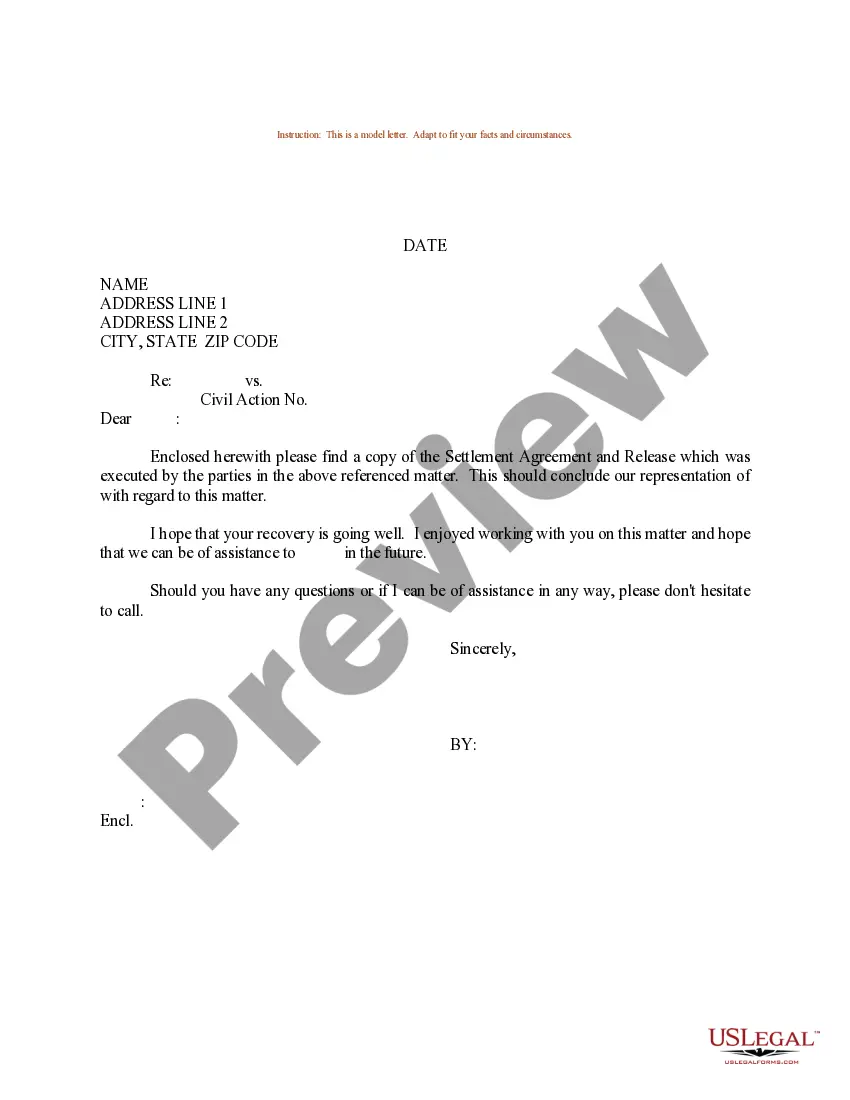
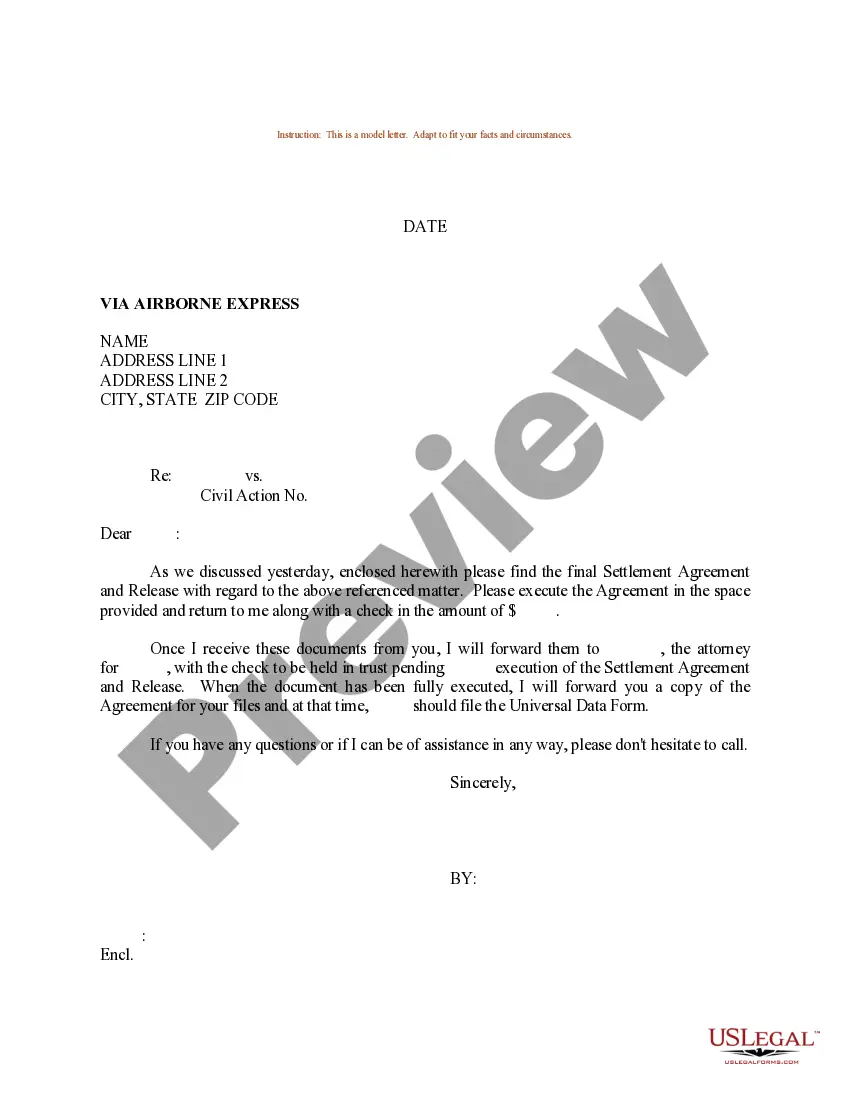
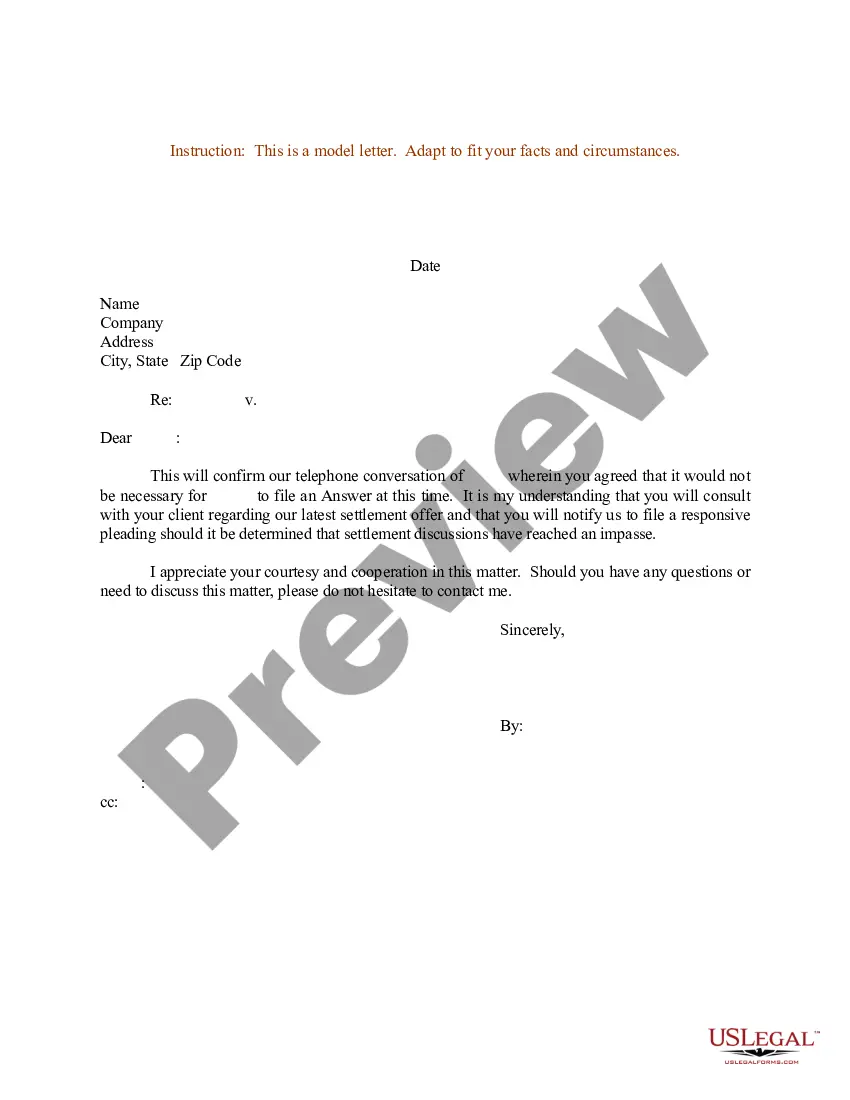
Get your form ready online
Our built-in tools help you complete, sign, share, and store your documents in one place.
Make edits, fill in missing information, and update formatting in US Legal Forms—just like you would in MS Word.
Download a copy, print it, send it by email, or mail it via USPS—whatever works best for your next step.
Sign and collect signatures with our SignNow integration. Send to multiple recipients, set reminders, and more. Go Premium to unlock E-Sign.
If this form requires notarization, complete it online through a secure video call—no need to meet a notary in person or wait for an appointment.
We protect your documents and personal data by following strict security and privacy standards.

Make edits, fill in missing information, and update formatting in US Legal Forms—just like you would in MS Word.

Download a copy, print it, send it by email, or mail it via USPS—whatever works best for your next step.

Sign and collect signatures with our SignNow integration. Send to multiple recipients, set reminders, and more. Go Premium to unlock E-Sign.

If this form requires notarization, complete it online through a secure video call—no need to meet a notary in person or wait for an appointment.

We protect your documents and personal data by following strict security and privacy standards.
Looking for another form?



Form popularity
FAQ
Present your case clearly and concisely. Avoid sharing too much personal information or details that are not directly relevant to the claim. Do Not Accept the First Offer: Adjusters often start with a low offer. Politely decline and state that the offer doesn't adequately cover your losses.
By sending these documents via Certified Mail, insurers can ensure that they have proof of mailing and delivery – that the customer has received the information in a timely manner. This is particularly important in cases where the customer may dispute the claim or allege that they did not receive important documents.
Proof of insurance is documentation from your insurer proving you have an active insurance policy that meets state requirements. It's used when you're pulled over, in an accident, leasing a vehicle, or otherwise requested to show it.
How Long to Receive the Check? If you're dealing with an insurance company, as with most personal injury plaintiffs, the process of cutting the check is typically pretty quick. Once the settlement is finalized and signed, insurance companies usually send a check within a month.
No uniform timeframe exists between sending the demand letter and arriving at a settlement. In addition to the insurance company's review, there will be negotiations between the insurance company and your attorney, and those can take a long time. You can count on the process taking more than two months.
To summarize, insurance verification is an initial step to confirm that a patient has valid insurance and to understand the coverage details, while insurance authorization is a subsequent step for certain services that require pre-approval from the insurance company.
The 1095 form provides documentation of your individual health insurance information. This form is sent to you annually by your insurance provider.
An insurance verification form is a document used by a healthcare provider for the purpose of verifying a client's medical coverage and insurance.
File a Lawsuit You can initiate a personal injury lawsuit if you and the insurance company can't agree on a settlement value. Filing a trial will bring the matter before a judge or jury who may decide to award the damages per your request.
However, refusing a settlement offer does extend the life of your claim and delays when you receive compensation. If you have pressing medical bills or other expenses, this is a factor to consider. You'll also need to invest more time and energy into your case, including providing more documentation of your damages.