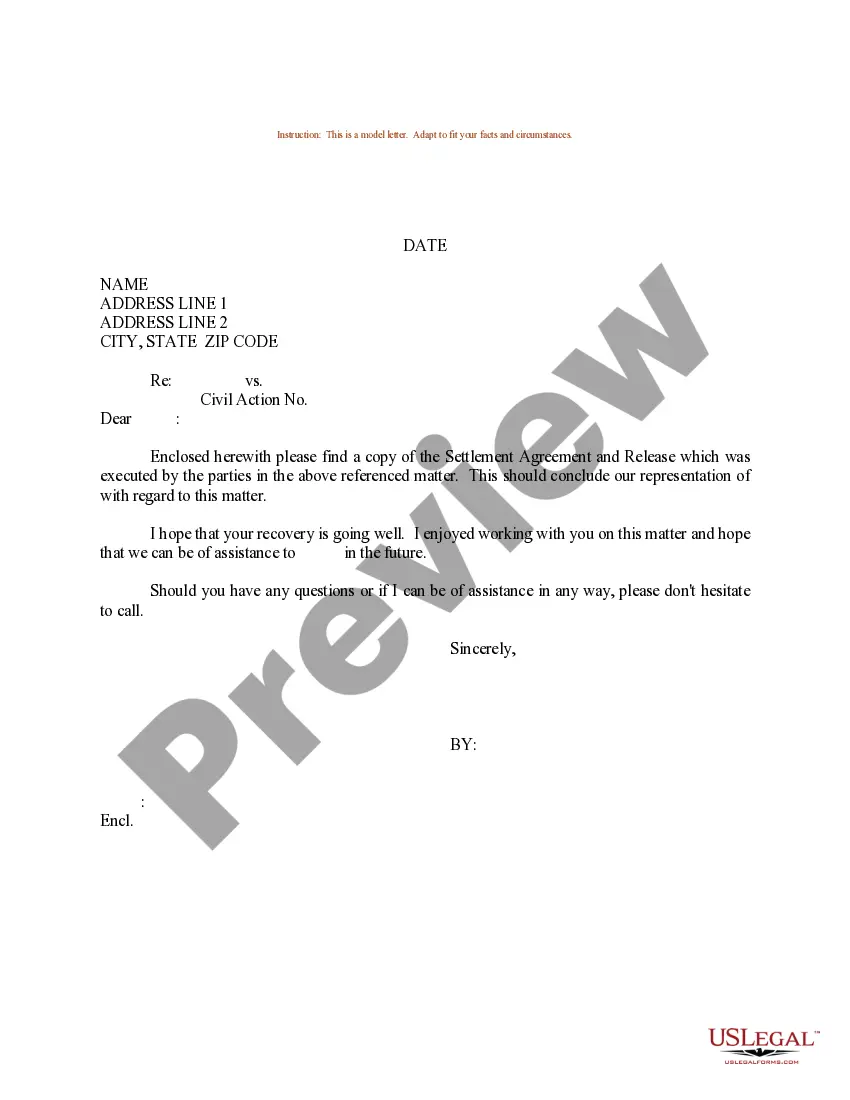
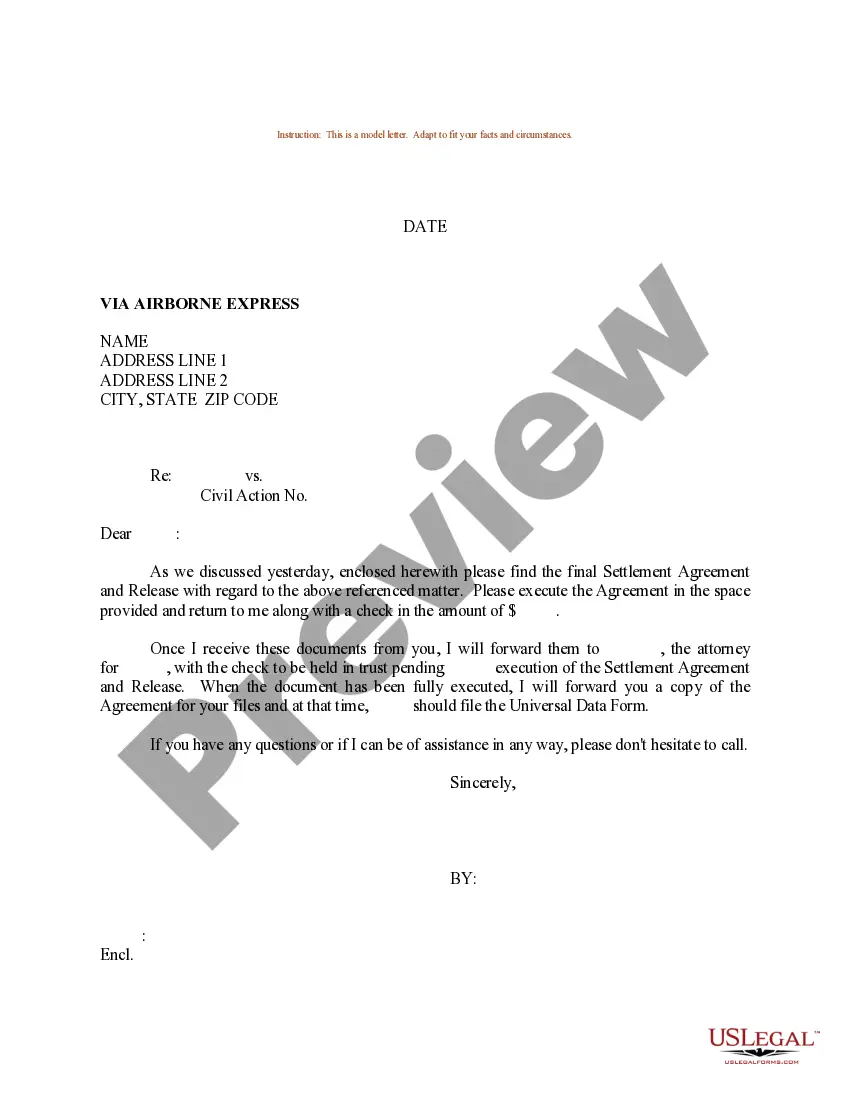
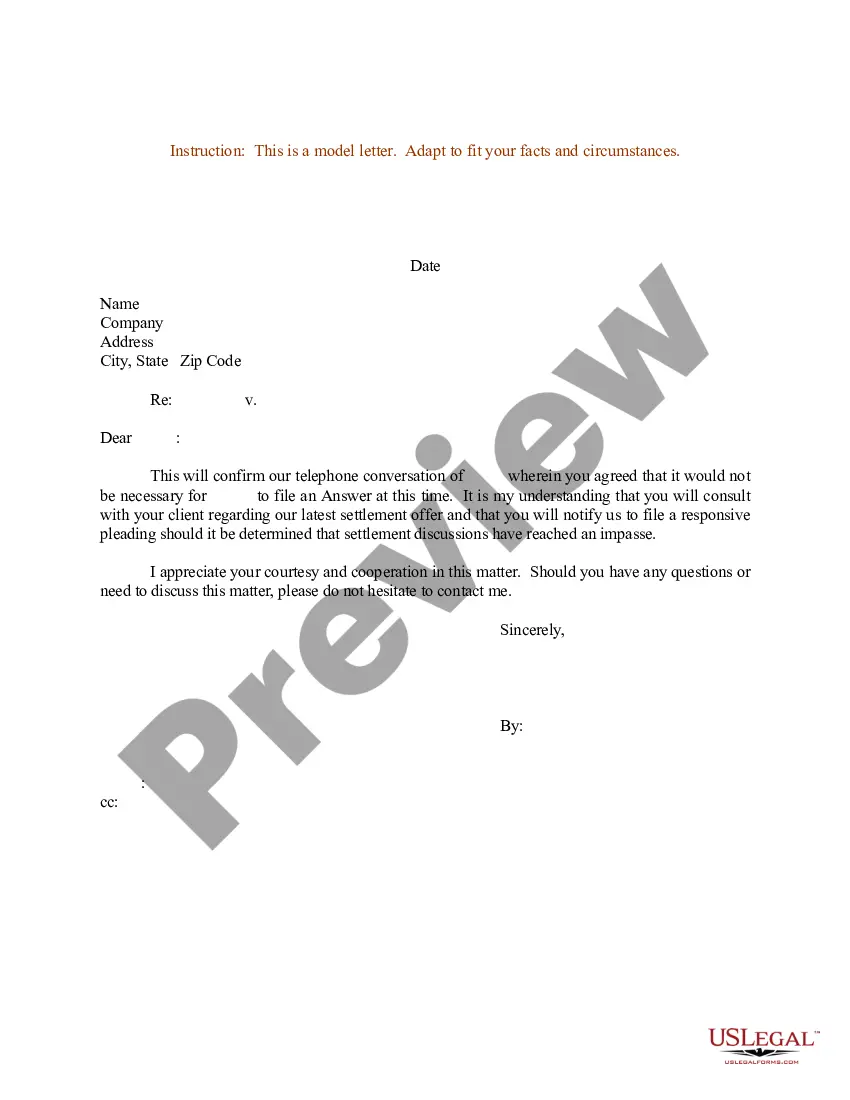
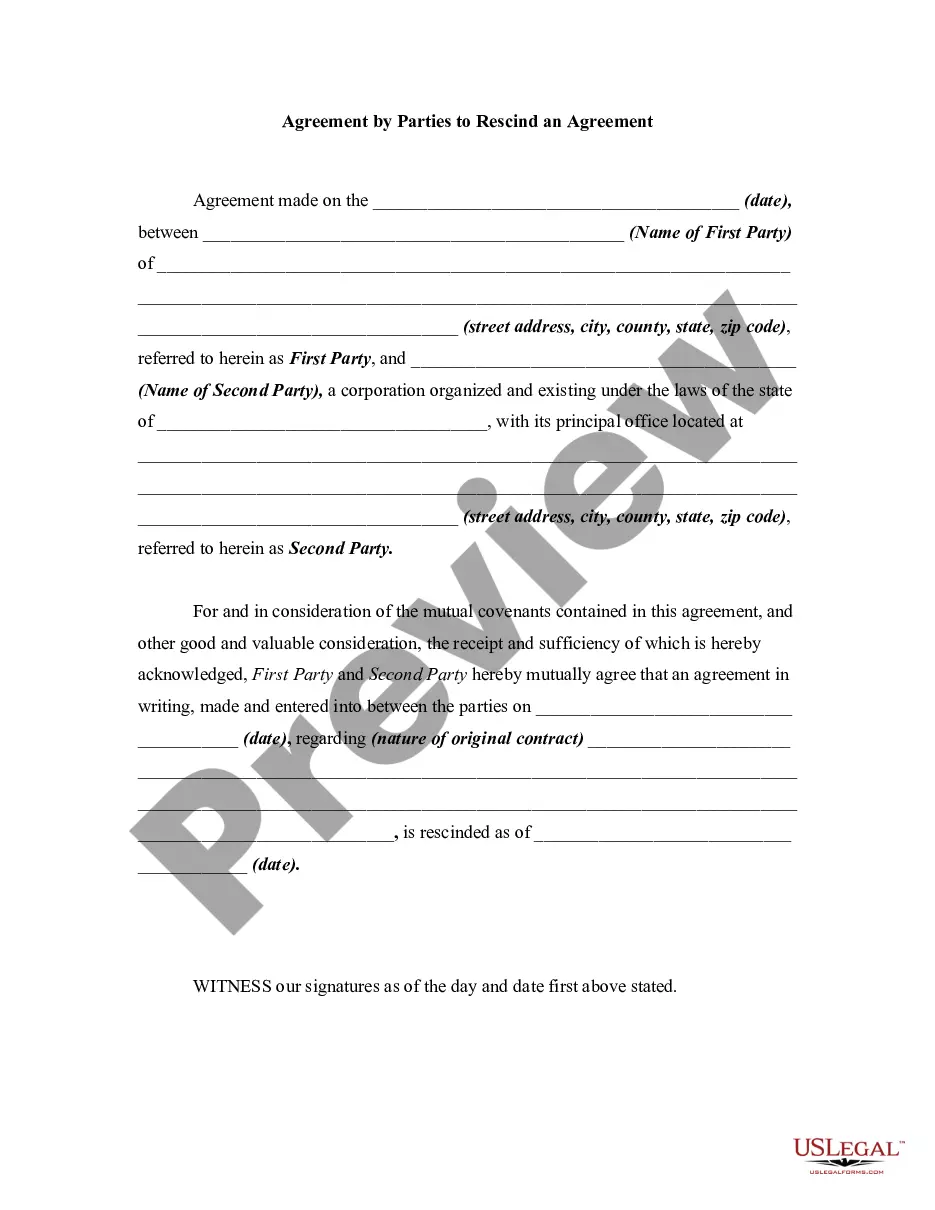
Settlement Agreement Cover Letter With Example In Queens
Description


Get your form ready online
Our built-in tools help you complete, sign, share, and store your documents in one place.
Make edits, fill in missing information, and update formatting in US Legal Forms—just like you would in MS Word.
Download a copy, print it, send it by email, or mail it via USPS—whatever works best for your next step.
Sign and collect signatures with our SignNow integration. Send to multiple recipients, set reminders, and more. Go Premium to unlock E-Sign.
If this form requires notarization, complete it online through a secure video call—no need to meet a notary in person or wait for an appointment.
We protect your documents and personal data by following strict security and privacy standards.

Make edits, fill in missing information, and update formatting in US Legal Forms—just like you would in MS Word.

Download a copy, print it, send it by email, or mail it via USPS—whatever works best for your next step.

Sign and collect signatures with our SignNow integration. Send to multiple recipients, set reminders, and more. Go Premium to unlock E-Sign.

If this form requires notarization, complete it online through a secure video call—no need to meet a notary in person or wait for an appointment.

We protect your documents and personal data by following strict security and privacy standards.
Looking for another form?







Form popularity
FAQ
Under New York law, and in other US jurisdictions, settlement agreements are treated like any other contract. ingly to establish the existence of a settlement agreement, “a plaintiff must establish an offer, acceptance of the offer, consideration, mutual assent and an intent to be bound” (Kowalchuk v.
Treat the following as a set of general guidelines: Gather complete information before you start writing. Describe your injuries and medical treatment. List your medical expenses, lost wages, and non-economic damages. Make a settlement demand. Include a deadline for legal action if you want to, but don't bluff.
What Should Be Included in a Settlement Agreement? Identifying information for all involved parties. A description of the issue you're seeking to settle. An offer of resolutions that both parties agree to. Proof of valid consideration from both parties without coercion or duress. Legal purpose.
Write the contract in six steps Start with a contract template. Open with the basic information. Describe in detail what you have agreed to. Include a description of how the contract will be ended. Write into the contract which laws apply and how disputes will be resolved. Include space for signatures.
They can either ask for a settlement agreement themselves or with support from a qualified advisor or solicitor. Regardless of whether the employer or employee is the one initiating settlement agreement discussions, we always recommend reaching out to an experienced solicitor or qualified advisor.
At the outset of settlement negotiations, list all individuals and entities—both for the plaintiff and the defendant—that the agreement will cover. ✔ List all legal issues to be settled. List all claims your adversary may legally release via settlement. Verify the agreement covers these claims.
Settlement agreements are contracts. Although the law presumes that settlement agreements are valid, they generally are subject to contract defenses, including mistake, unconscionability, duress, undue influence, and fraud.
A plaintiff's concern about the financial resources of a defendant may also play a major role in settlement. A plaintiff with a strong case will often be forced to accept a lower-value settlement if the de- fendant is financially incapable of paying the likely judgment.
Yes, once all the necessary written concurrences are obtained, a settlement agreement is binding on both parties.