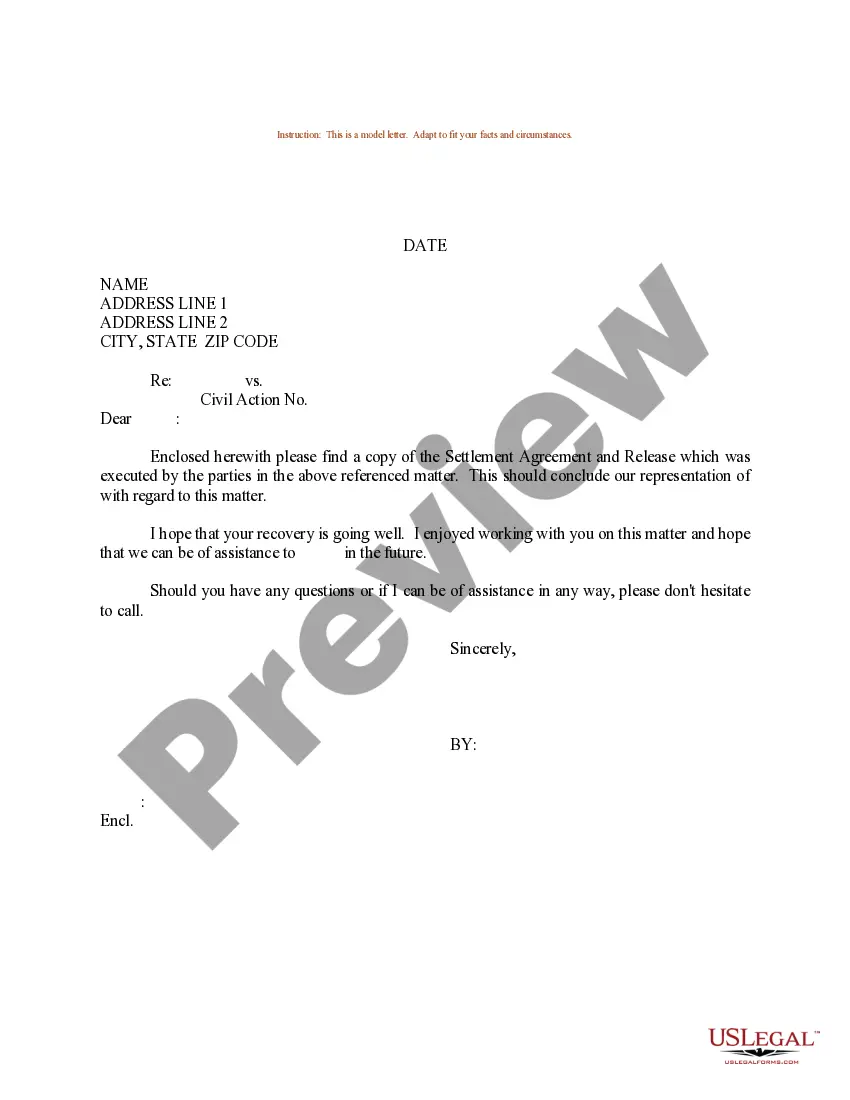
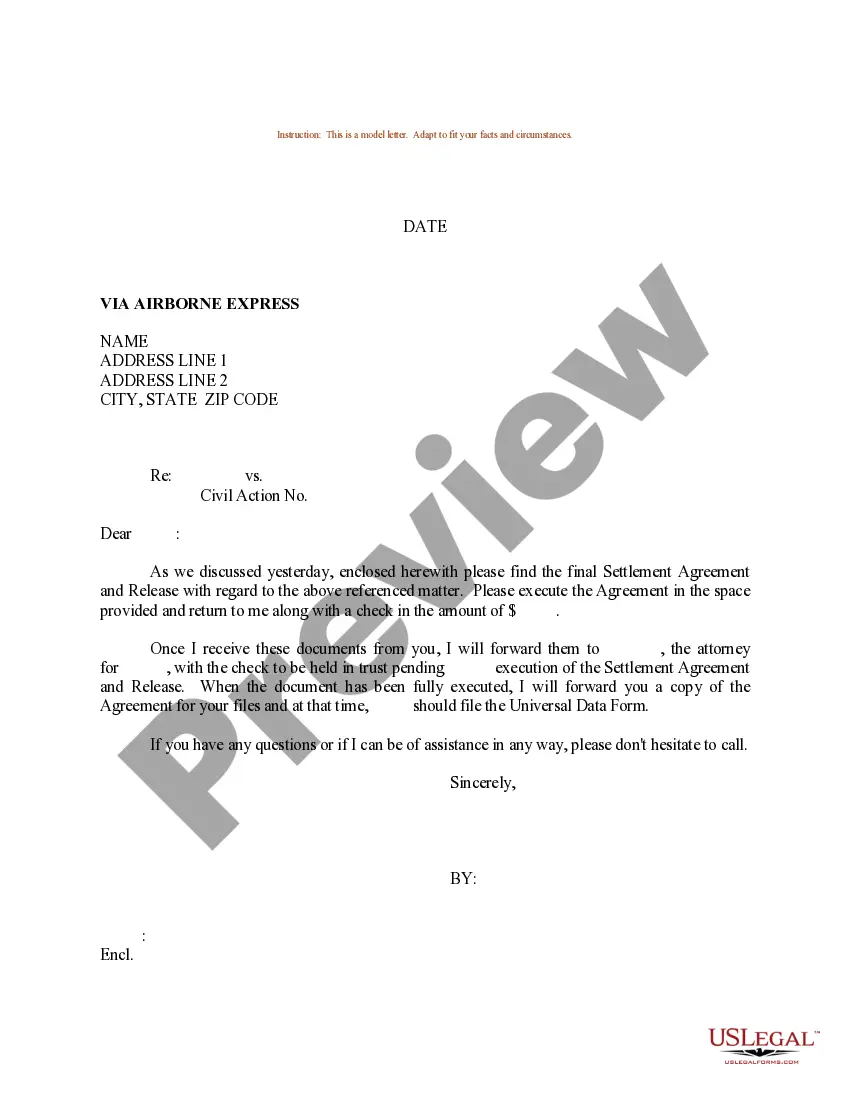
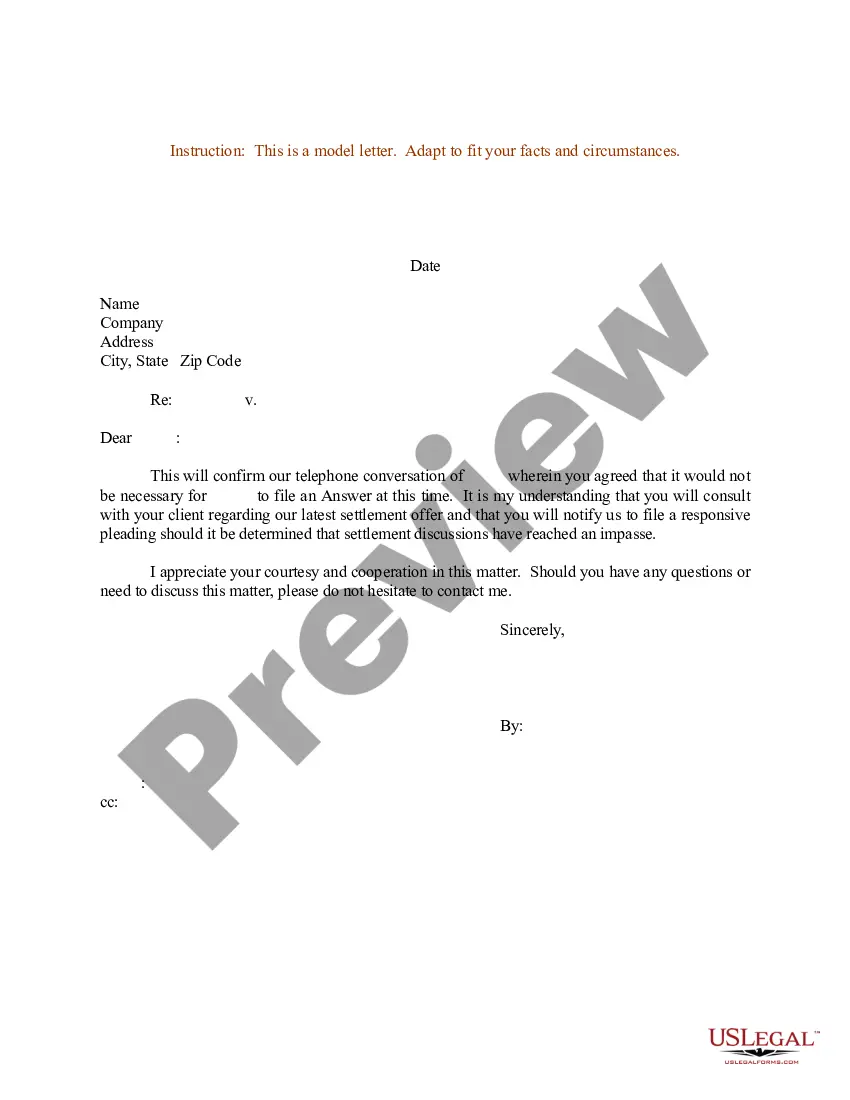
Settlement Confirmation Letter With Salary Requirements In Philadelphia
Description


Get your form ready online
Our built-in tools help you complete, sign, share, and store your documents in one place.
Make edits, fill in missing information, and update formatting in US Legal Forms—just like you would in MS Word.
Download a copy, print it, send it by email, or mail it via USPS—whatever works best for your next step.
Sign and collect signatures with our SignNow integration. Send to multiple recipients, set reminders, and more. Go Premium to unlock E-Sign.
If this form requires notarization, complete it online through a secure video call—no need to meet a notary in person or wait for an appointment.
We protect your documents and personal data by following strict security and privacy standards.

Make edits, fill in missing information, and update formatting in US Legal Forms—just like you would in MS Word.

Download a copy, print it, send it by email, or mail it via USPS—whatever works best for your next step.

Sign and collect signatures with our SignNow integration. Send to multiple recipients, set reminders, and more. Go Premium to unlock E-Sign.

If this form requires notarization, complete it online through a secure video call—no need to meet a notary in person or wait for an appointment.

We protect your documents and personal data by following strict security and privacy standards.
Looking for another form?

Form popularity
FAQ
The Philadelphia Wage Equity Ordinance is a law that makes it illegal for employers, employment agencies, or their agents to ask you about your current or prior salary history during the application or hiring process.
You can ask about an applicant's salary expectations for the position being applied for. Furthermore, you cannot rely on salary history information to decide whether to make a job offer or to determine starting salary.
Keep it simple and say, ``I'm open to discussing a salary that's fair for the role and reflects my skills and experience as a recent grad.'' It shows you're flexible but also value your worth.
Employers also want to understand if you are at the level they need for the position. The number of your salary requirements will give them a clearer idea of the level you are at professionally. If your salary requirements are low, employers may think you are not as experienced as the job requires.
No. When you are applying for a job in California, employers cannot ask you about your salary history or the value of your benefits (such as health insurance policy limits). Nor can employers try to track down this information personally or through an agent or recruiter.
A confirmation letter includes the salary, joining date, confirmation date, designation and job description of an employee. Later, if the employee moves to another company this letter acts as proof of the position n salary he held in his previous job.
No. When you are applying for a job in California, employers cannot ask you about your salary history or the value of your benefits (such as health insurance policy limits). Nor can employers try to track down this information personally or through an agent or recruiter.
How employment salary verification works Contacting the past employer directly. Asking you to obtain a salary verification letter. Using a salary verification service. requesting other documentation.
Critical Elements of a Settlement Demand Letter Introduction and Background Information. Start by introducing yourself and providing a brief overview of the incident. Statement of Facts. Liability. Injuries and Medical Treatment. Damages. Settlement Demand. Deadline for Response. Closing.
To request a Salary Verification Letter, employees typically contact their HR department or employer's payroll office. Employers, when issuing such letters, must ensure that the information provided is accurate and up to date to avoid potential legal issues or disputes.