Confirmation Of Settlement Letter With Payment In Orange
Description


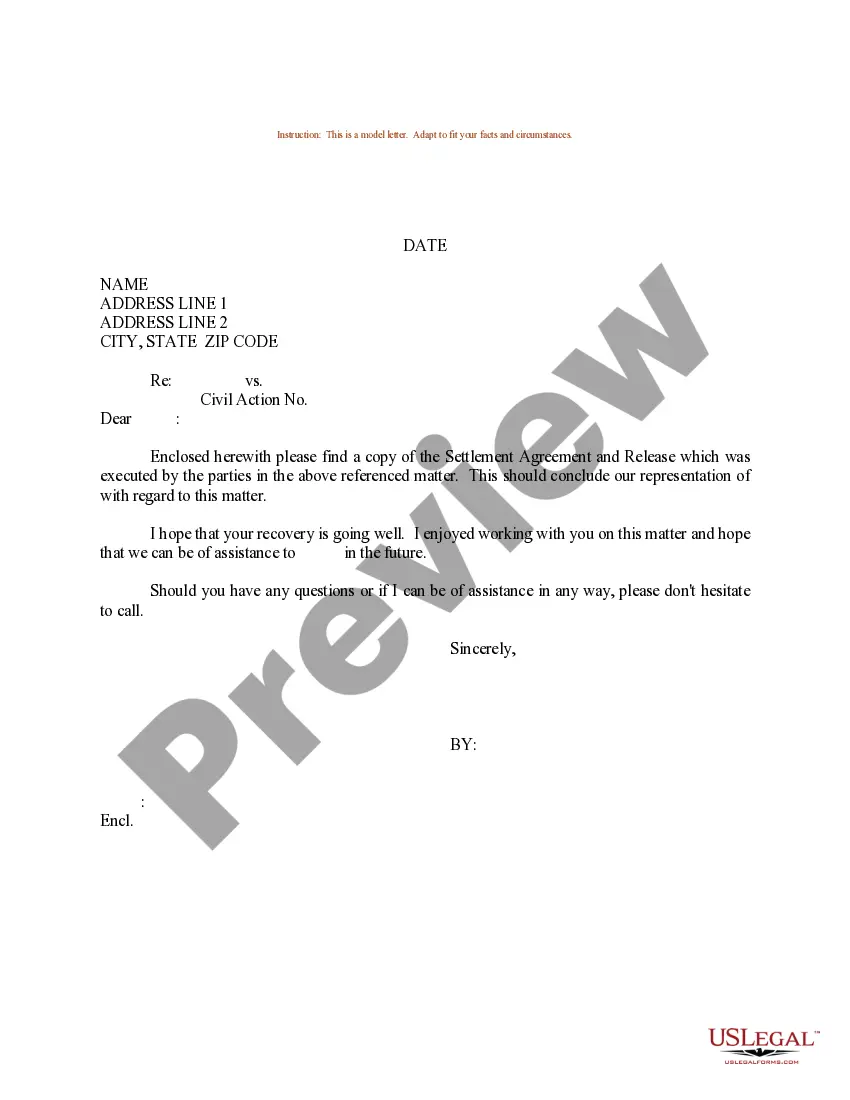
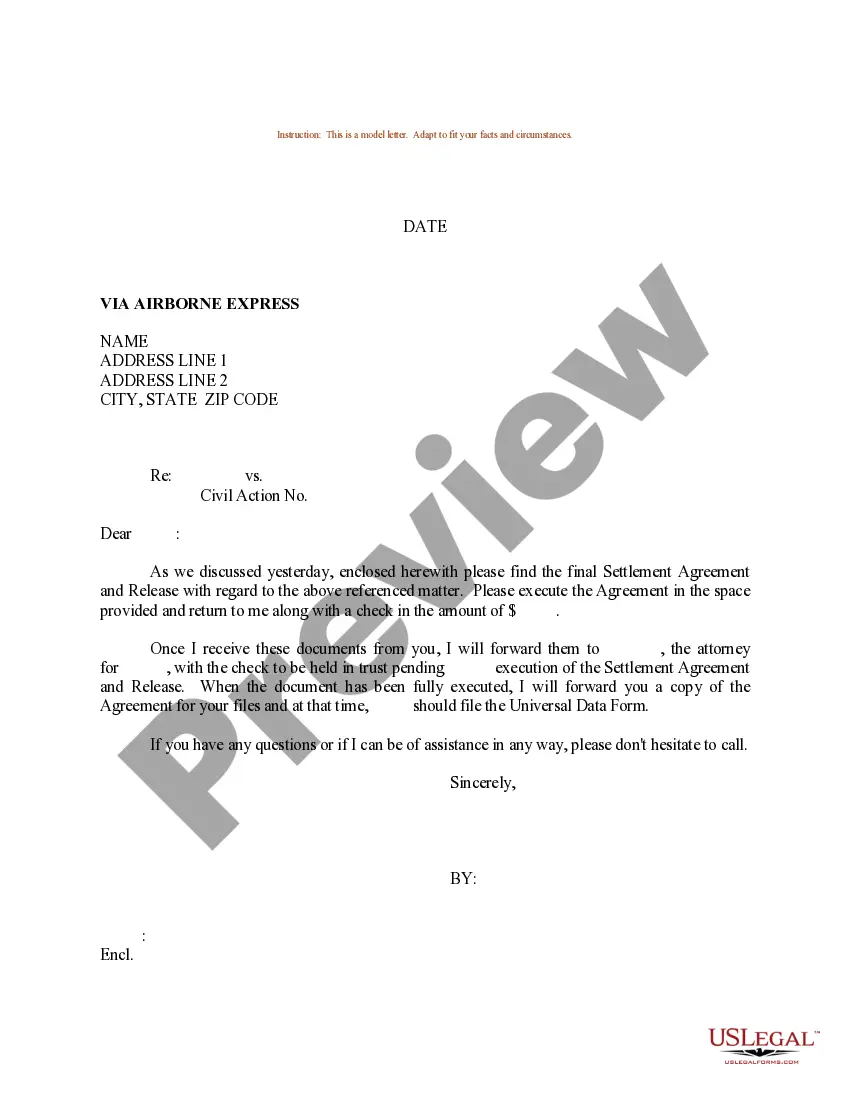
Get your form ready online
Our built-in tools help you complete, sign, share, and store your documents in one place.
Make edits, fill in missing information, and update formatting in US Legal Forms—just like you would in MS Word.
Download a copy, print it, send it by email, or mail it via USPS—whatever works best for your next step.
Sign and collect signatures with our SignNow integration. Send to multiple recipients, set reminders, and more. Go Premium to unlock E-Sign.
If this form requires notarization, complete it online through a secure video call—no need to meet a notary in person or wait for an appointment.
We protect your documents and personal data by following strict security and privacy standards.

Make edits, fill in missing information, and update formatting in US Legal Forms—just like you would in MS Word.

Download a copy, print it, send it by email, or mail it via USPS—whatever works best for your next step.

Sign and collect signatures with our SignNow integration. Send to multiple recipients, set reminders, and more. Go Premium to unlock E-Sign.

If this form requires notarization, complete it online through a secure video call—no need to meet a notary in person or wait for an appointment.

We protect your documents and personal data by following strict security and privacy standards.
Looking for another form?








Form popularity
FAQ
It would be best to formally accept the settlement offer in writing before it is legally binding and valid. This means you can change your mind and continue renegotiating if you discover the insurance company is attempting to settle your claim for less than you deserve.
The only way you would be able to find the settlement paperwork would be to either contact the law office that handled the case or if it was filed with the court, if there was a lawsuit filed in the case.
Judges often prefer settlements over trials because they save time and resources, reducing the court's caseload. Settlements provide a predictable outcome and help avoid the risks associated with unpredictable jury decisions.
Factors such as the complexity of the case, negotiation processes, and administrative procedures can impact the timing of the settlement check. It's essential to note that while the general range is 3 to 6 weeks, the specific duration can be shorter or longer based on the unique details of your situation.
Every year, the Insurance Regulatory and Development Authority (IRDA) publishes the claim settlement ratios of all insurance companies registered under it. Visit the official website of the IRDA and check the IRDA health insurance claim settlement ratio of your preferred insurance company.
Talk With Your Personal Injury Lawyer About Tracking Your Settlement Check. Consider your personal injury attorney as the middleman between you and the party issuing the settlement check.
To check the status of your claim, please call the Settlement Administrator at 833-472-1994.
First, reach out to your attorney or the settlement agent handling your case. They should provide you with an update on the status of the settlement check, including when it was issued or when it is expected to be issued. Settlement checks can take some time to be processed and sent out.
Treat the following as a set of general guidelines: Gather complete information before you start writing. Describe your injuries and medical treatment. List your medical expenses, lost wages, and non-economic damages. Make a settlement demand. Include a deadline for legal action if you want to, but don't bluff.
It would be best to formally accept the settlement offer in writing before it is legally binding and valid. This means you can change your mind and continue renegotiating if you discover the insurance company is attempting to settle your claim for less than you deserve.