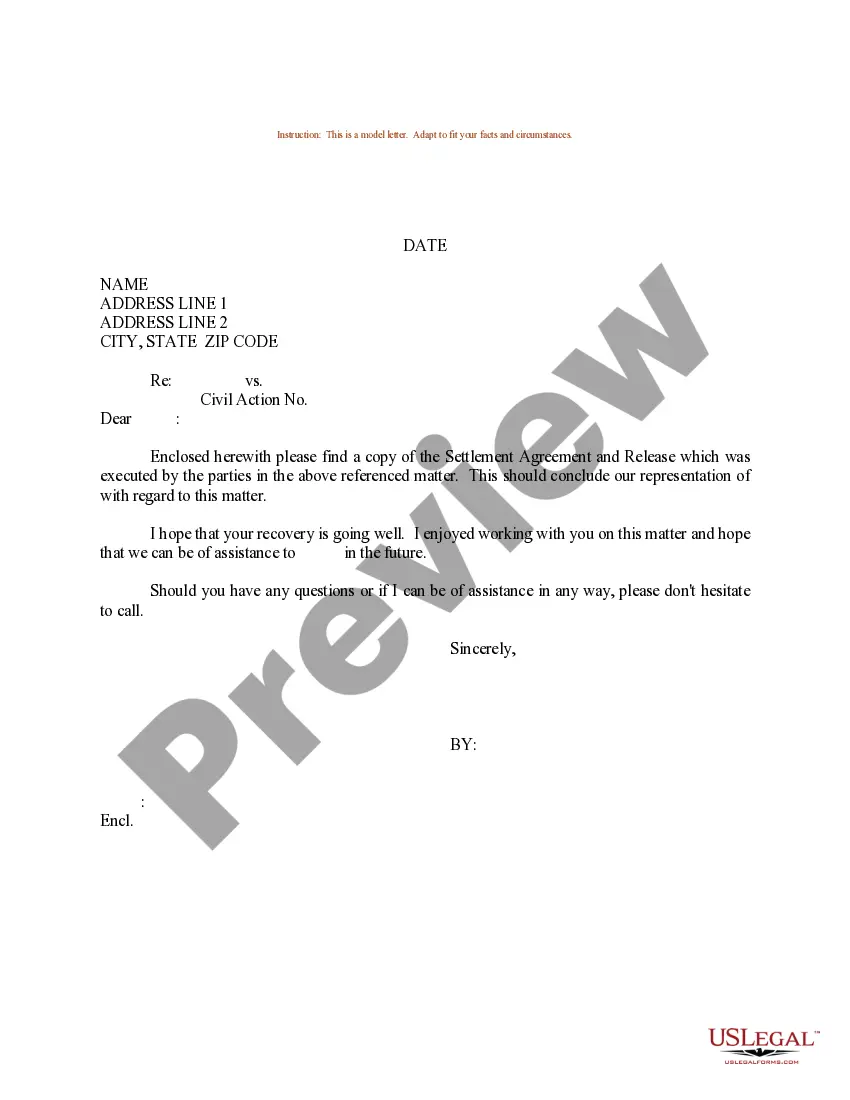
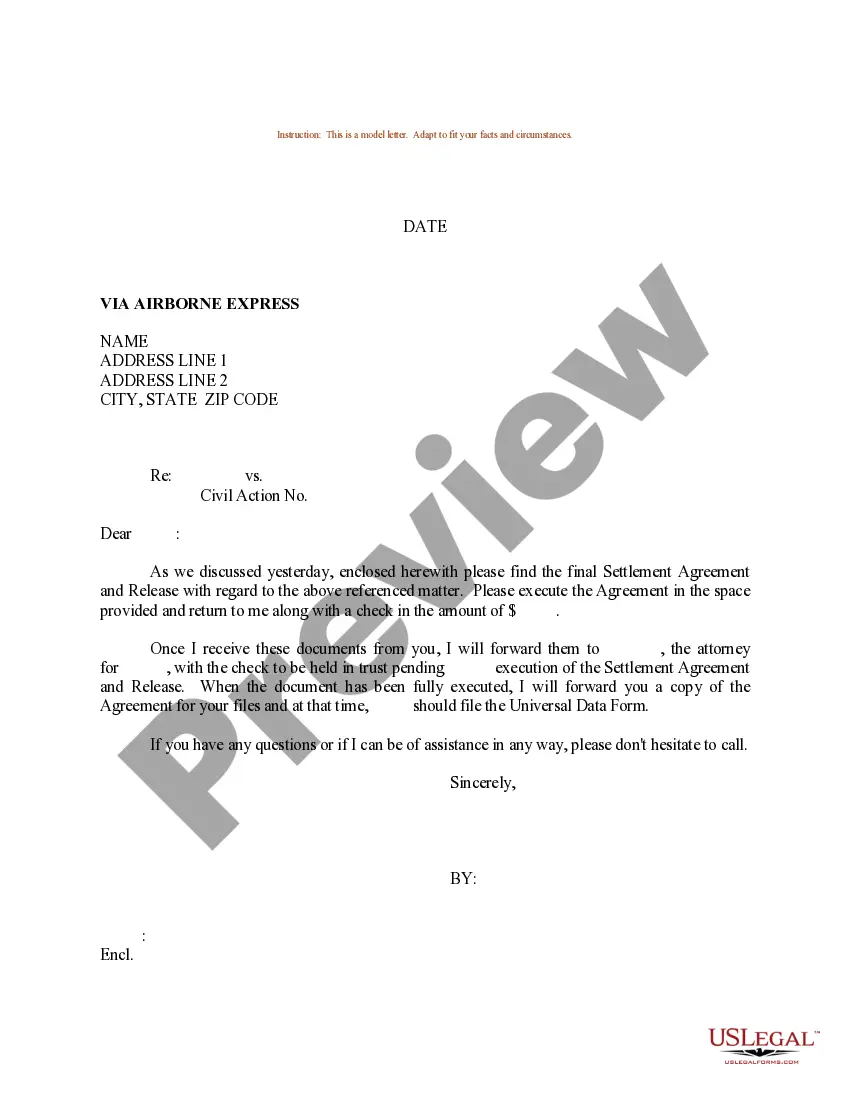
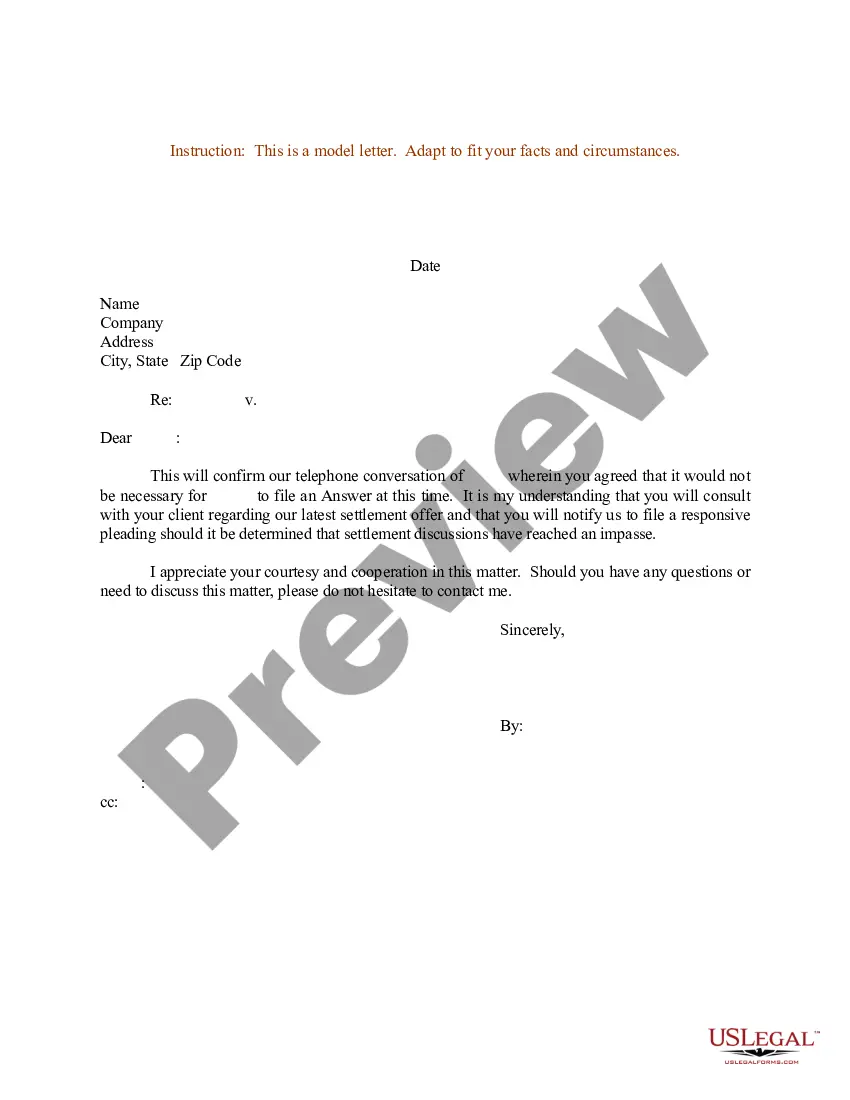
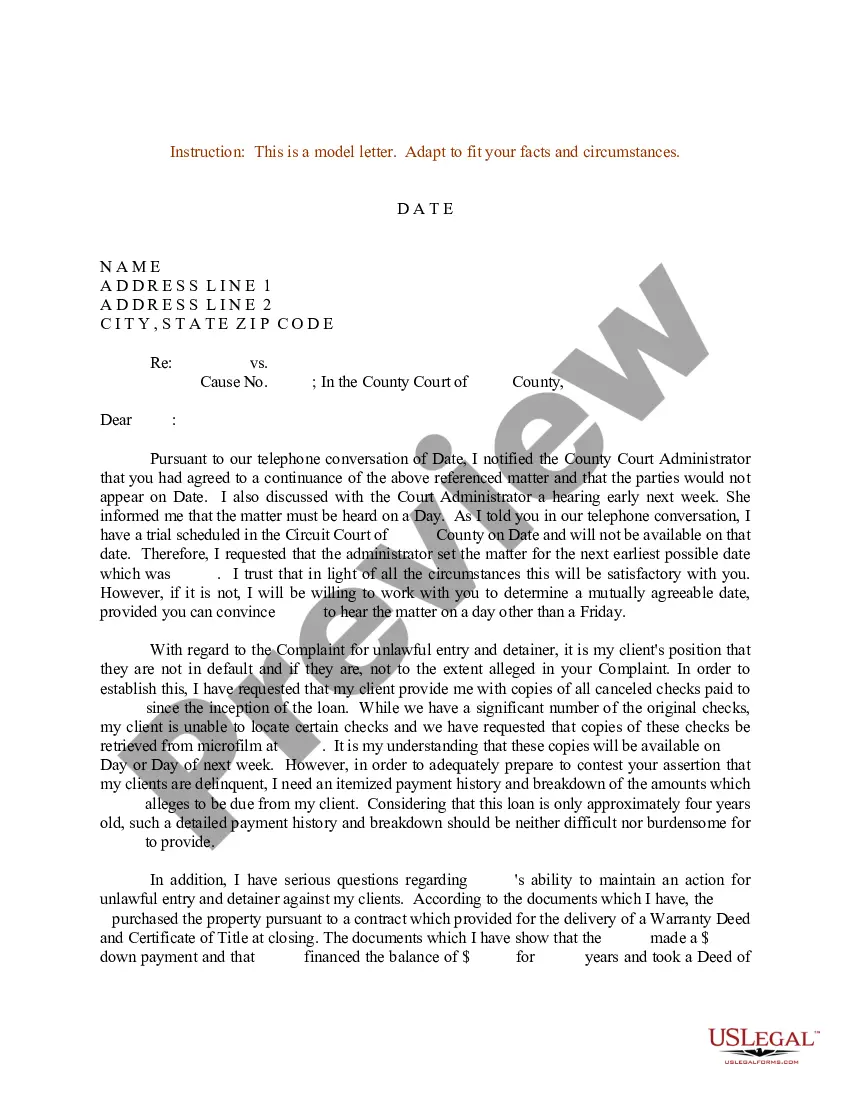
Settlement Confirmation Letter Without Prejudice In Ohio
Description


Get your form ready online
Our built-in tools help you complete, sign, share, and store your documents in one place.
Make edits, fill in missing information, and update formatting in US Legal Forms—just like you would in MS Word.
Download a copy, print it, send it by email, or mail it via USPS—whatever works best for your next step.
Sign and collect signatures with our SignNow integration. Send to multiple recipients, set reminders, and more. Go Premium to unlock E-Sign.
If this form requires notarization, complete it online through a secure video call—no need to meet a notary in person or wait for an appointment.
We protect your documents and personal data by following strict security and privacy standards.

Make edits, fill in missing information, and update formatting in US Legal Forms—just like you would in MS Word.

Download a copy, print it, send it by email, or mail it via USPS—whatever works best for your next step.

Sign and collect signatures with our SignNow integration. Send to multiple recipients, set reminders, and more. Go Premium to unlock E-Sign.

If this form requires notarization, complete it online through a secure video call—no need to meet a notary in person or wait for an appointment.

We protect your documents and personal data by following strict security and privacy standards.
Looking for another form?



Form popularity
FAQ
“Without Prejudice” means that you are sending a communication in an honest attempt to compromise a matter, in which you might make a concession (either expressly or implicitly) to the other side that cannot be later put into evidence in Court.
Rule 703 does not permit an expert to base an opinion on hearsay evidence, unless the evidence falls within an exception to the hearsay rule and is admitted at trial.
A municipality of less than 5,000 residents is a village while municipalities with 5,000 residents or more are cities. Cities and villages may span county and township lines. Ohio is a home rule state. Cities, and villages may pass laws to govern themselves.
Ohio requires holders to send due diligence notifications to the owner of unclaimed funds at least 30 days prior to the reporting date for any property with a value of $50 or more. For property valued at $1,000 or more, holders are required to send the notice by certified mail, returned receipt requested.
Bases of Opinion Testimony by Experts. The facts or data in the particular case upon which an expert bases an opinion or inference may be those perceived by or made known to the expert at or before the hearing.
Rule 703 permits an expert to base opinion testimony on personal knowledge, evidence admitted at trial, or evidence not admitted so long as it supplies the kind of facts or data that experts in the field “reasonably rely” on in forming an opinion.
The law allows a party to refile a complaint that has been dismissed without prejudice within one year of the claim's dismissal.
The without prejudice (WP) rule will generally prevent statements made in a genuine attempt to settle an existing dispute, whether made in writing or orally, from being put before the court as evidence of admissions against the interests of the party which made them.
RULE 408. Evidence of conduct or statements made in compromise negotiations is likewise not admissible. This rule does not require the exclusion of any evidence otherwise discoverable merely because it is presented in the course of compromise negotiations.
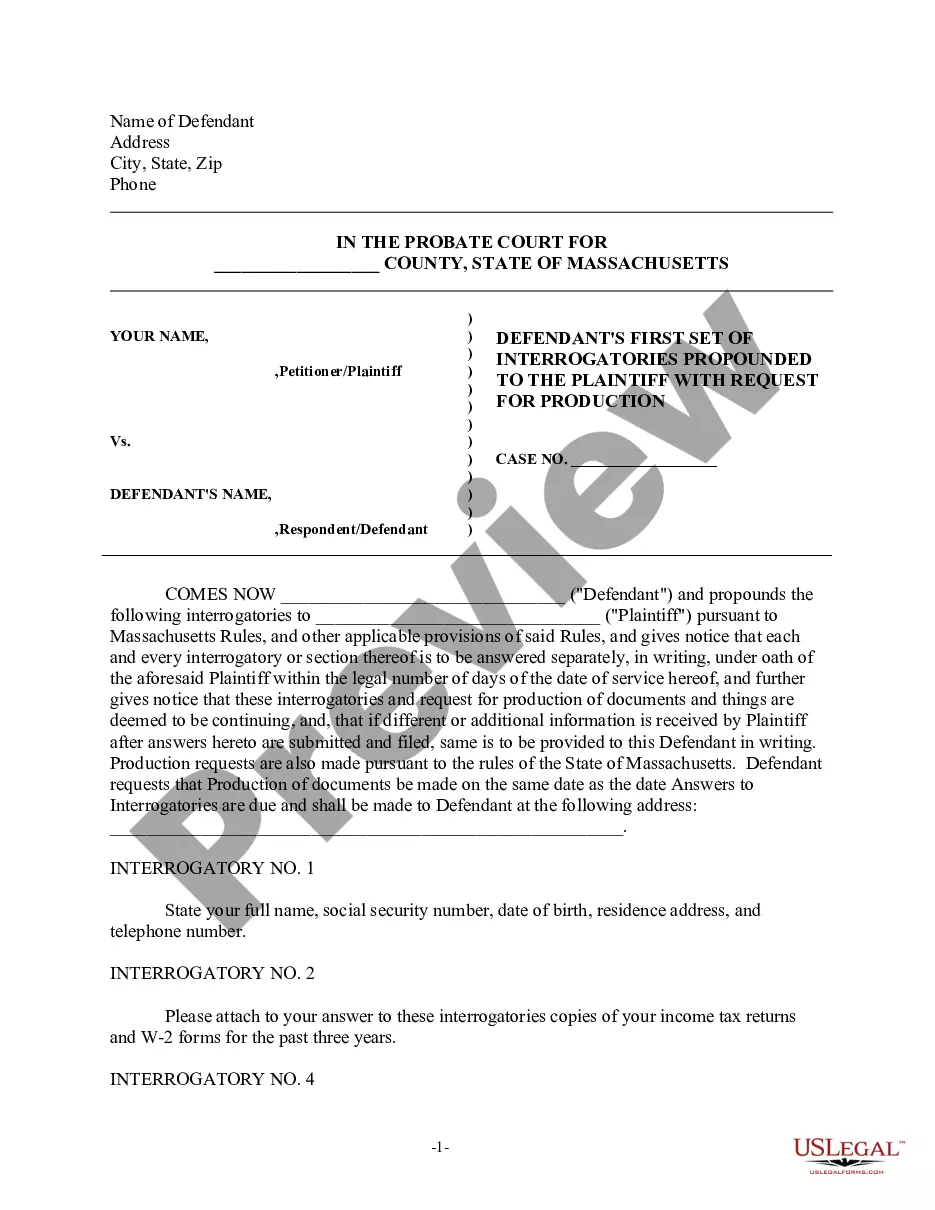
The party upon whom the interrogatories have been served shall serve a copy of the answers and objections within a period designated by the party submitting the interrogatories, not less than twenty-eight days after the service of the interrogatories or within such shorter or longer time as the court may allow.