Settlement Confirmation Letter With Salary Requirements In Nevada
Description


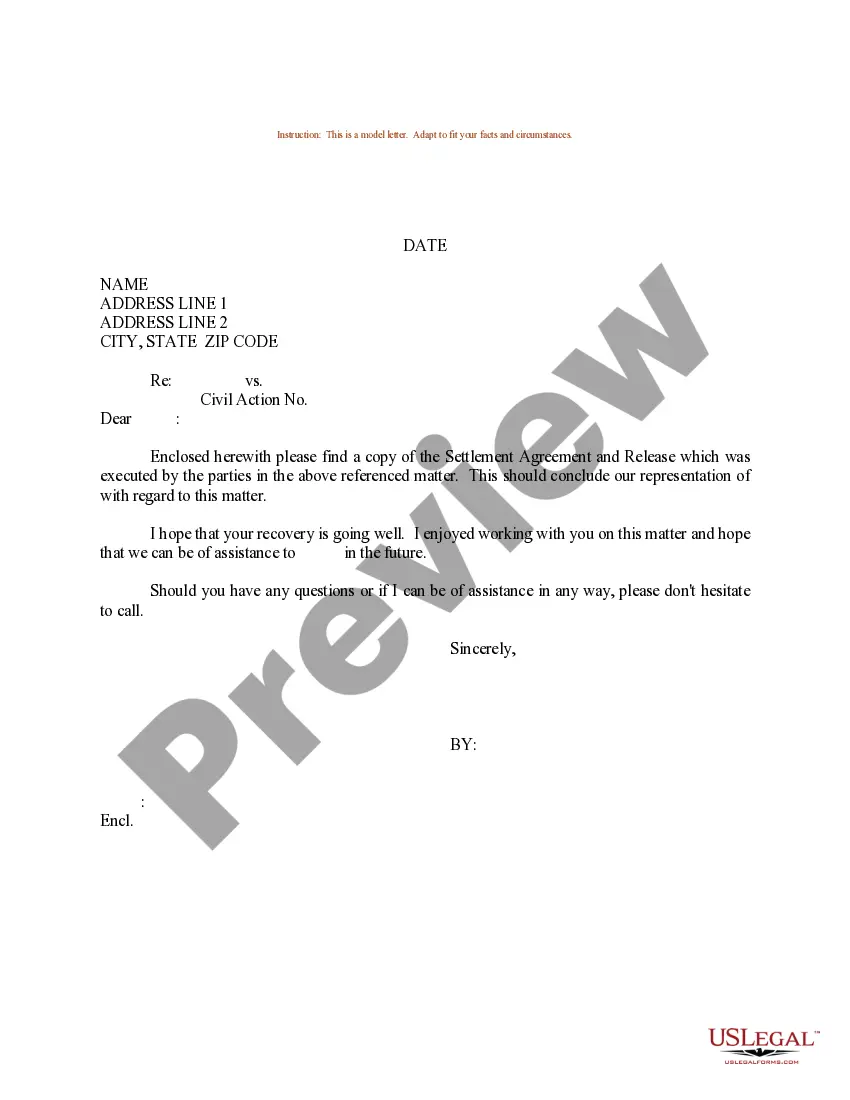
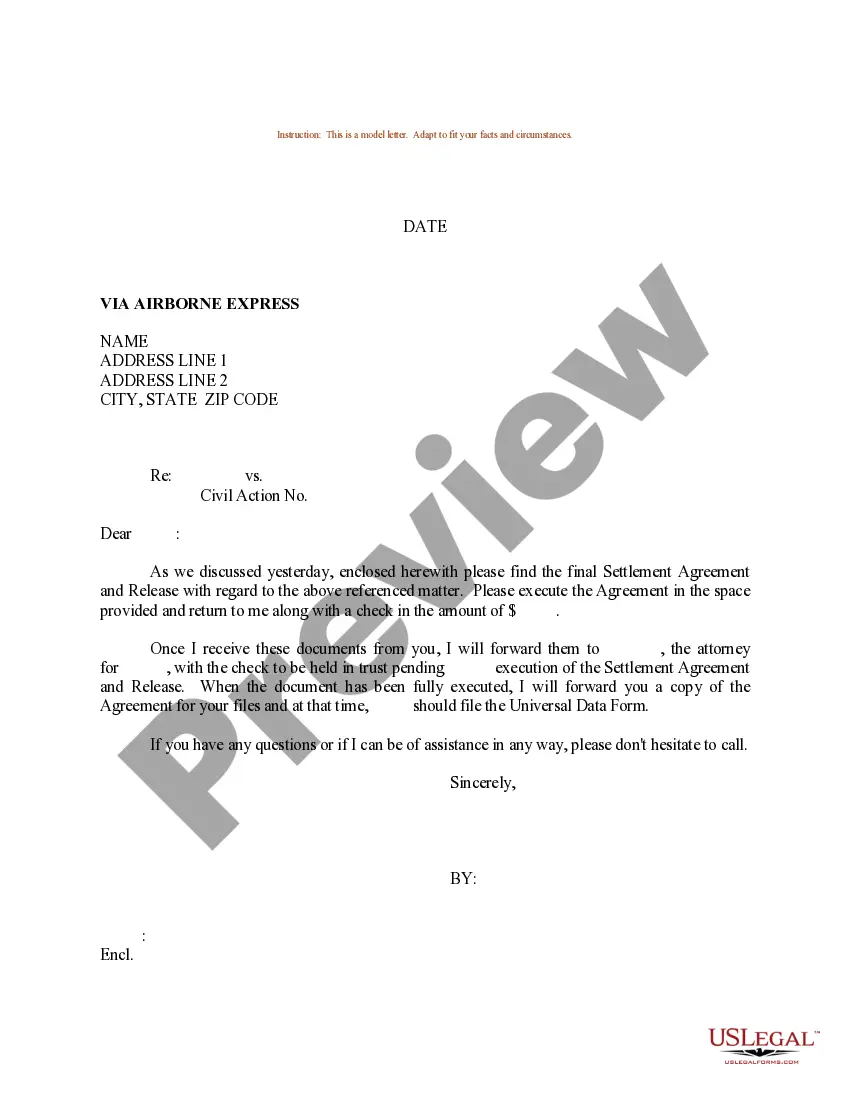
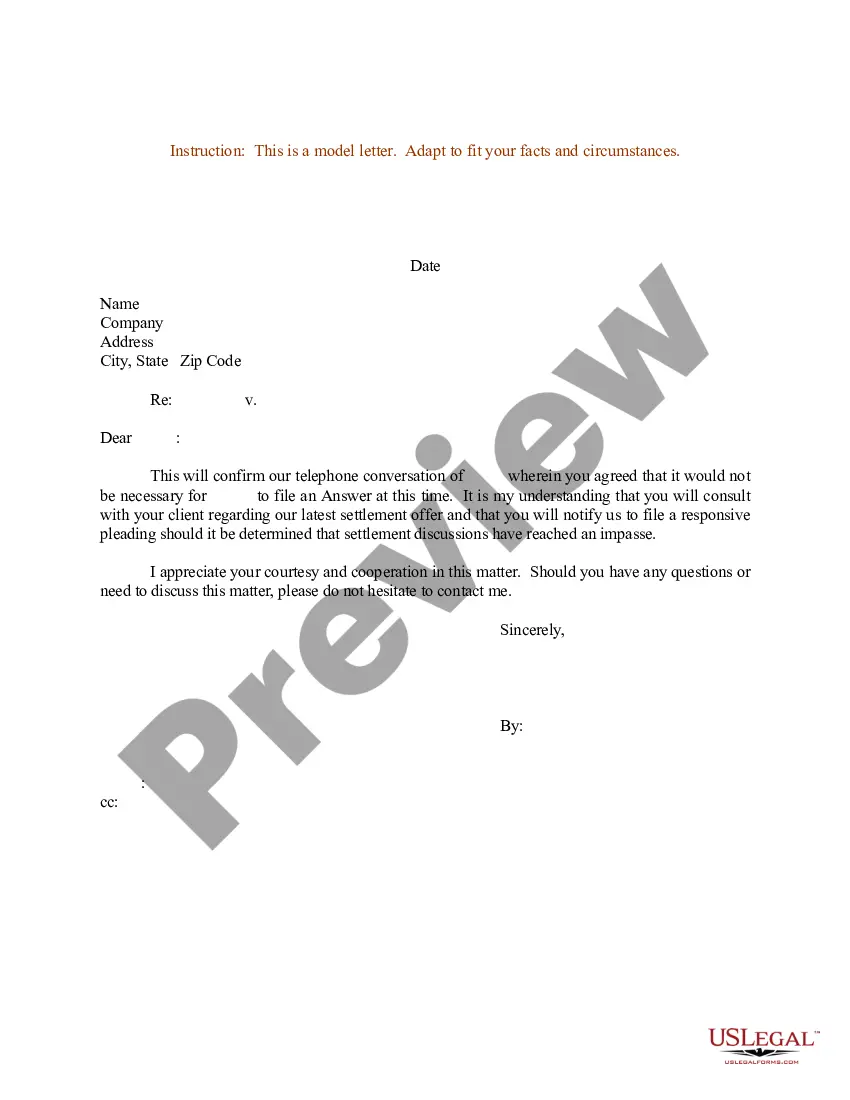
Get your form ready online
Our built-in tools help you complete, sign, share, and store your documents in one place.
Make edits, fill in missing information, and update formatting in US Legal Forms—just like you would in MS Word.
Download a copy, print it, send it by email, or mail it via USPS—whatever works best for your next step.
Sign and collect signatures with our SignNow integration. Send to multiple recipients, set reminders, and more. Go Premium to unlock E-Sign.
If this form requires notarization, complete it online through a secure video call—no need to meet a notary in person or wait for an appointment.
We protect your documents and personal data by following strict security and privacy standards.

Make edits, fill in missing information, and update formatting in US Legal Forms—just like you would in MS Word.

Download a copy, print it, send it by email, or mail it via USPS—whatever works best for your next step.

Sign and collect signatures with our SignNow integration. Send to multiple recipients, set reminders, and more. Go Premium to unlock E-Sign.

If this form requires notarization, complete it online through a secure video call—no need to meet a notary in person or wait for an appointment.

We protect your documents and personal data by following strict security and privacy standards.
Looking for another form?









Form popularity
FAQ
No. When you are applying for a job in California, employers cannot ask you about your salary history or the value of your benefits (such as health insurance policy limits). Nor can employers try to track down this information personally or through an agent or recruiter.
Earned Income: Employer Wages Be on company letterhead or state the name of the company. Be signed by the employer. Be no older than 45 days from the date received by Covered California. Include the following information: Name of employer or company. Name of person writing the letter. Employer or company address.
“Employment verification letters—or proof of employment letters—generally include an employee's hire date, position within the company, and current wages or salary; if terminated, the reason for termination such as involuntary termination, voluntary termination, or layoff,” says Lynn Kitson, SPHR, SHRM-SCP, CEO of Lynk ...
To request a Salary Verification Letter, employees typically contact their HR department or employer's payroll office. Employers, when issuing such letters, must ensure that the information provided is accurate and up to date to avoid potential legal issues or disputes.
A confirmation letter includes the salary, joining date, confirmation date, designation and job description of an employee. Later, if the employee moves to another company this letter acts as proof of the position n salary he held in his previous job.
Rule 65 - Injunctions and Restraining Orders (a)Preliminary Injunction (1)Notice. The court may issue a preliminary injunction only on notice to the adverse party. (2)Consolidating the Hearing With the Trial on the Merits.
If a nonmovant shows by affidavit or declaration that, for specified reasons, it cannot present facts essential to justify its opposition, the court may: (1) defer considering the motion or deny it; (2) allow time to obtain affidavits or declarations or to take discovery; or (3) issue any other appropriate order.
Rule 7.20 - Form of papers presented for filing; exhibits; documents; legal citations (a) All pleadings and papers presented for filing must be flat, unfolded, firmly bound together at the top, on white paper of standard quality, not less than 16-lb. weight and 8.5 x 11 inches in size.
Rule 56 – Summary judgment. (a) Motion for Summary Judgment or Partial Summary Judgment. A party may move for summary judgment, identifying each claim or defense — or the part of each claim or defense — on which summary judgment is sought.
Rule 60. Relief From a Judgment or Order (a) Corrections Based on Clerical Mistakes; Oversights and Omissions. The court may correct a clerical mistake or a mistake arising from oversight or omission whenever one is found in a judgment, order, or other part of the record.