Acknowledgement Letter Sample For Thesis In Nevada
Description


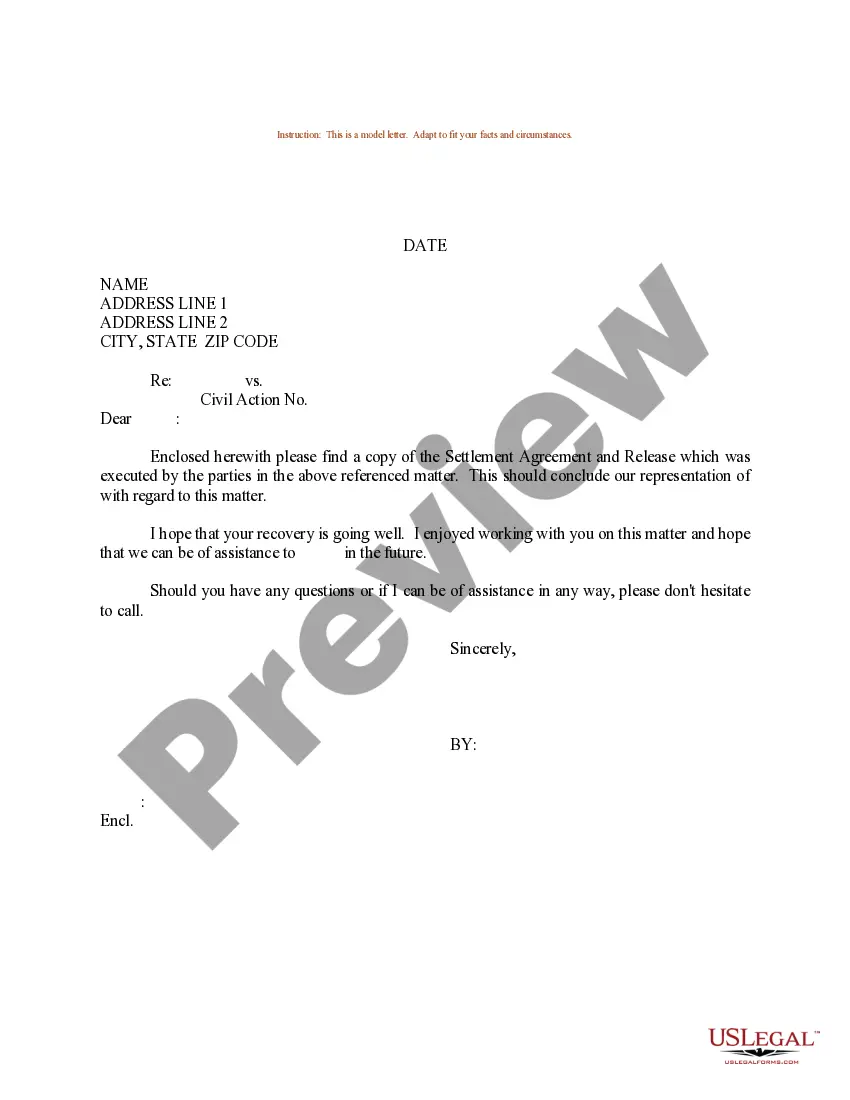
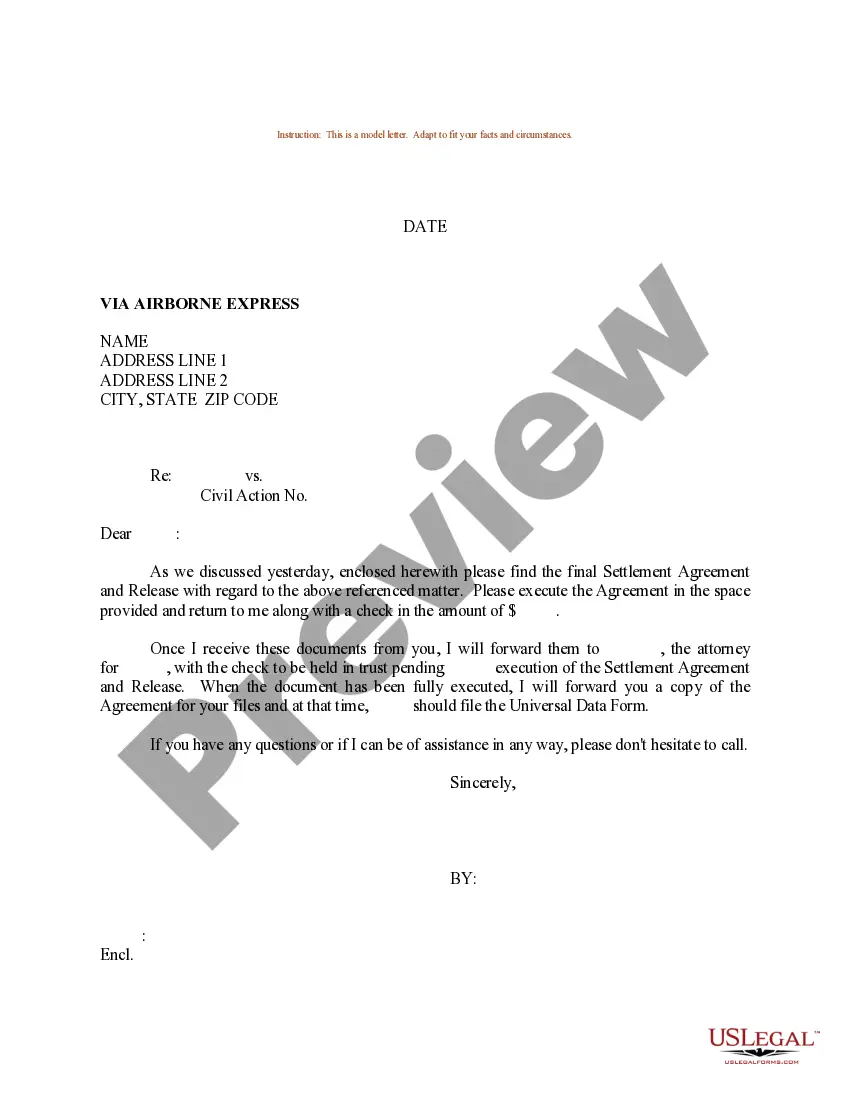
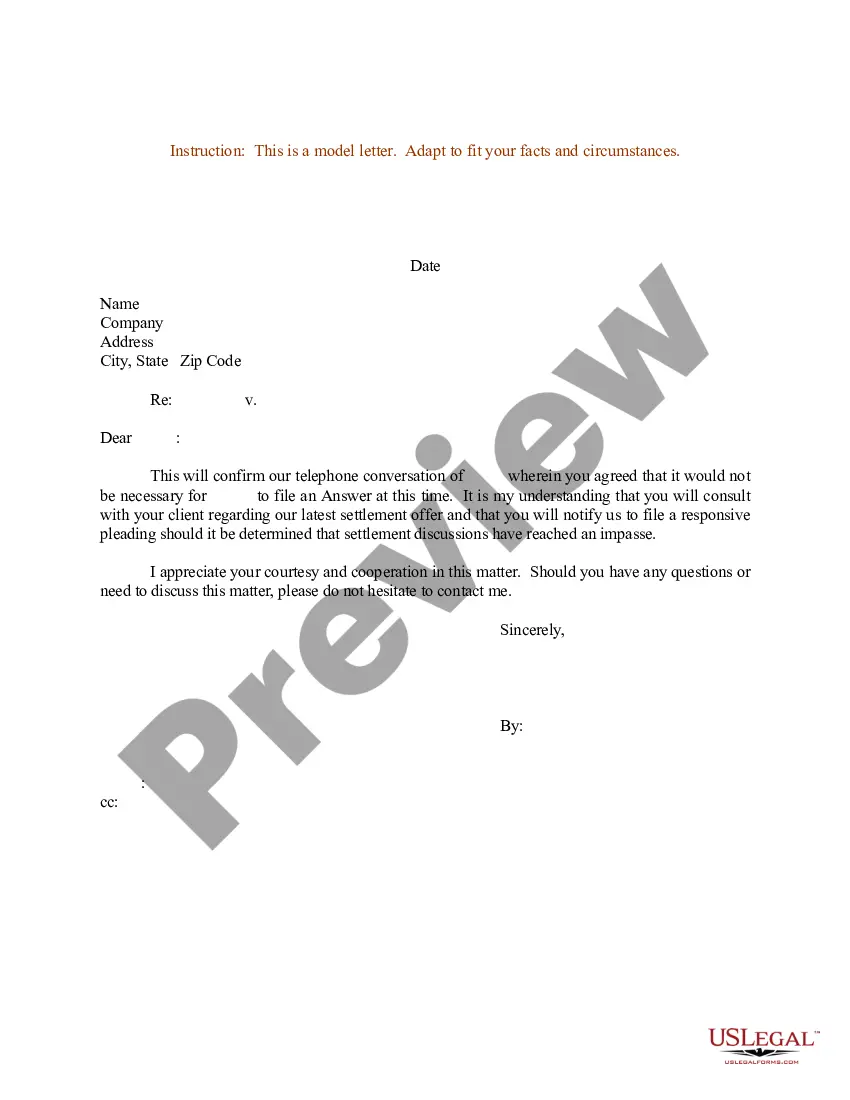
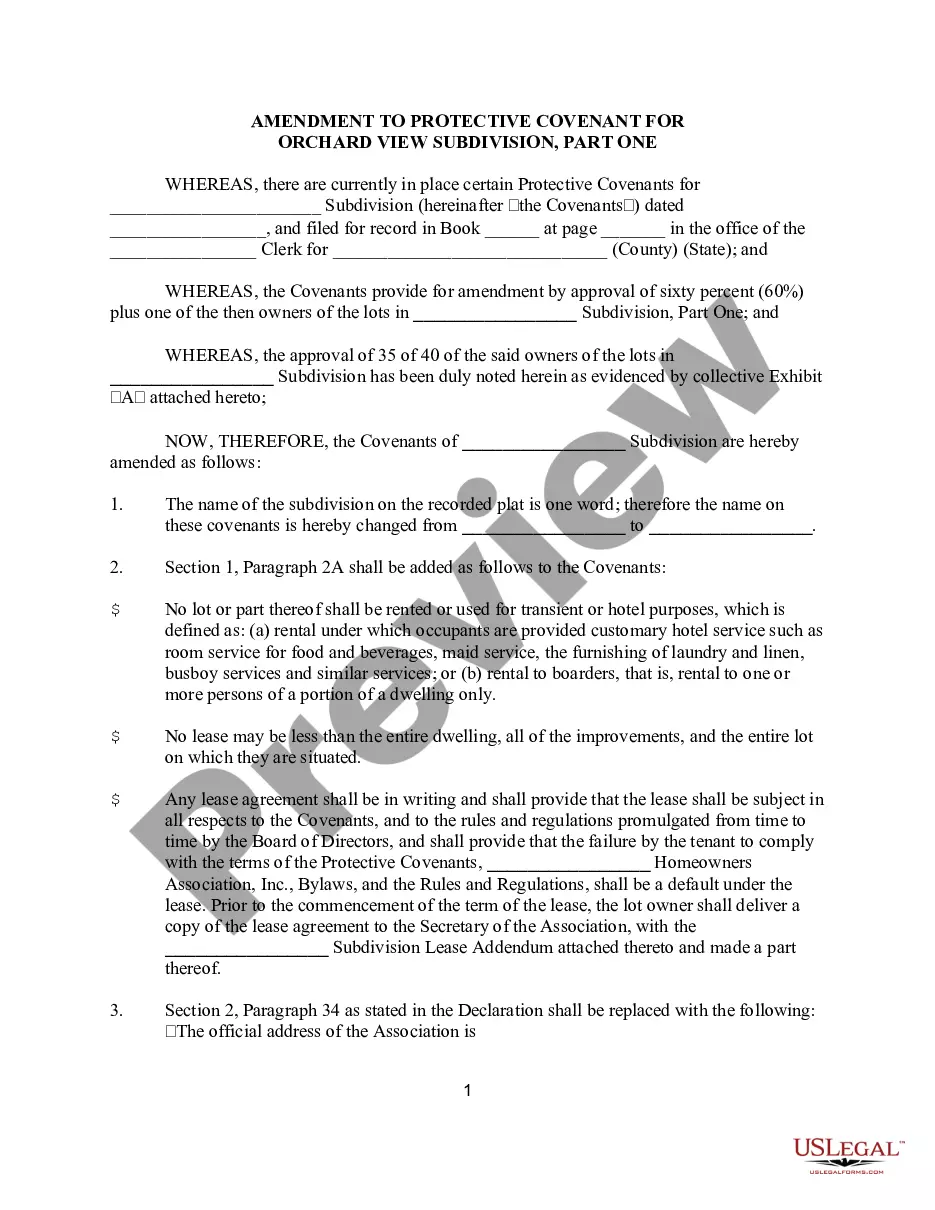
Get your form ready online
Our built-in tools help you complete, sign, share, and store your documents in one place.
Make edits, fill in missing information, and update formatting in US Legal Forms—just like you would in MS Word.
Download a copy, print it, send it by email, or mail it via USPS—whatever works best for your next step.
Sign and collect signatures with our SignNow integration. Send to multiple recipients, set reminders, and more. Go Premium to unlock E-Sign.
If this form requires notarization, complete it online through a secure video call—no need to meet a notary in person or wait for an appointment.
We protect your documents and personal data by following strict security and privacy standards.

Make edits, fill in missing information, and update formatting in US Legal Forms—just like you would in MS Word.

Download a copy, print it, send it by email, or mail it via USPS—whatever works best for your next step.

Sign and collect signatures with our SignNow integration. Send to multiple recipients, set reminders, and more. Go Premium to unlock E-Sign.

If this form requires notarization, complete it online through a secure video call—no need to meet a notary in person or wait for an appointment.

We protect your documents and personal data by following strict security and privacy standards.
Looking for another form?









Form popularity
FAQ
Example: "I would especially like to thank my thesis supervisor, Professor Fabien Dupont, for his guidance, insightful advice, and patience throughout this project." 3 - Specific Contributions: Continue by thanking the people or institutions that provided specific resources or technical support.
I would like to acknowledge and thank my school division for allowing me to conduct my research and providing any assistance requested. Special thanks goes to the members of staff development and human resources department for their continued support.
Dedication, Acknowledgements, Preface (optional) Most dedications are short statements of tribute beginning with “To…” such as “To my family”. Acknowledgements are the author's statement of gratitude to and recognition of the people and institutions that helped the author's research and writing.
Be Sincere: Write from the heart and be genuine in your expressions of gratitude. Be Specific: Mention specific contributions or support provided by individuals or organizations. Keep it Professional: While personal touches can be included, maintain a level of professionalism appropriate for an academic document.
As mentioned above, a dedication comes at the beginning, before the body of the work. Acknowledgments come at the end, after the body. Another difference is that acknowledgments usually mention people who worked on the book. Common mentions include editors, research assistants, proofreaders, and the like.
Do: Write in first-person, professional language. Thank your professional contacts first. Include full names, titles, and roles of professional acknowledgements. Include personal or intangible supporters, like friends, family, or even pets. Mention funding bodies and what they funded.
Dedication, Acknowledgements, Preface (optional) Most dedications are short statements of tribute beginning with “To…” such as “To my family”. Acknowledgements are the author's statement of gratitude to and recognition of the people and institutions that helped the author's research and writing.
Acknowledgements should be written in a formal tone, expressing gratitude to those who assisted and supported the project throughout. It is critical to mention people by name in acknowledgements, such as supervisors, mentors, colleagues, family members, and friends.
I thank all the teachers who helped me by providing the equipment that was necessary and vital, without which I would not have been able to work effectively on this assignment. I would also like to express my sincere gratitude to my friends and parents, who stood by me and encouraged me to work on this assignment.