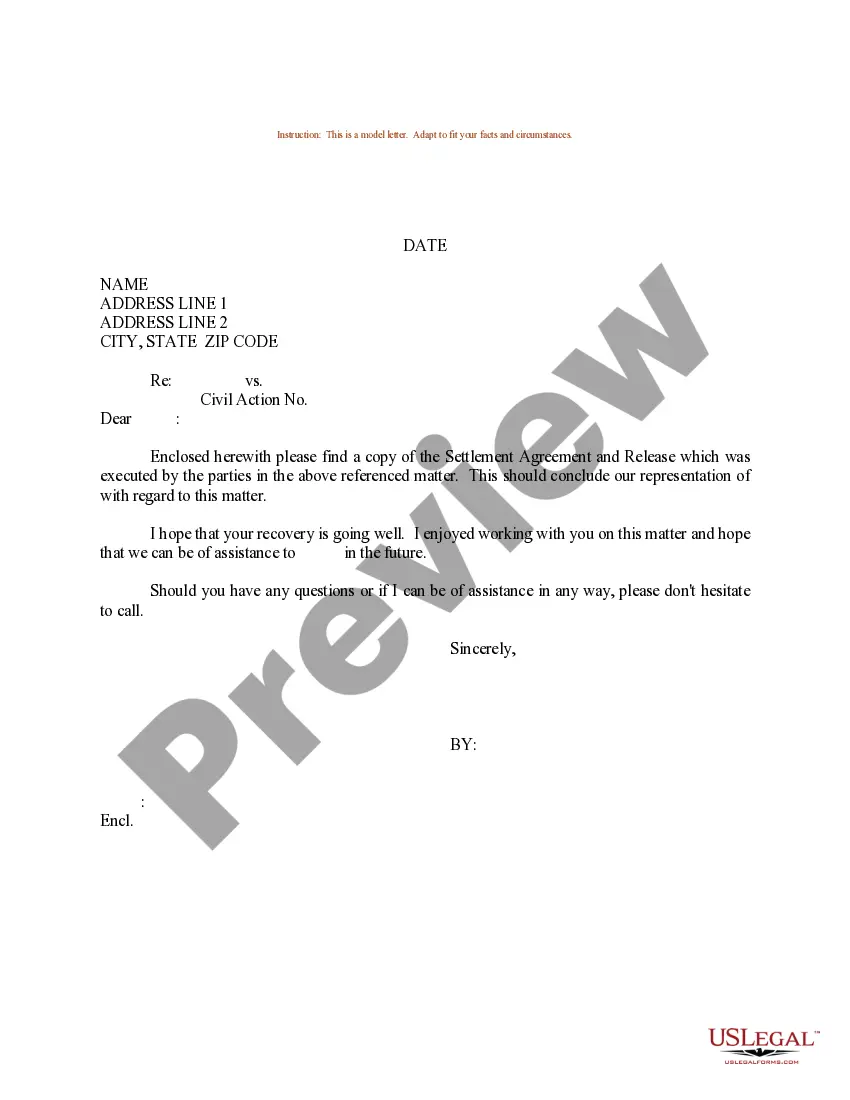
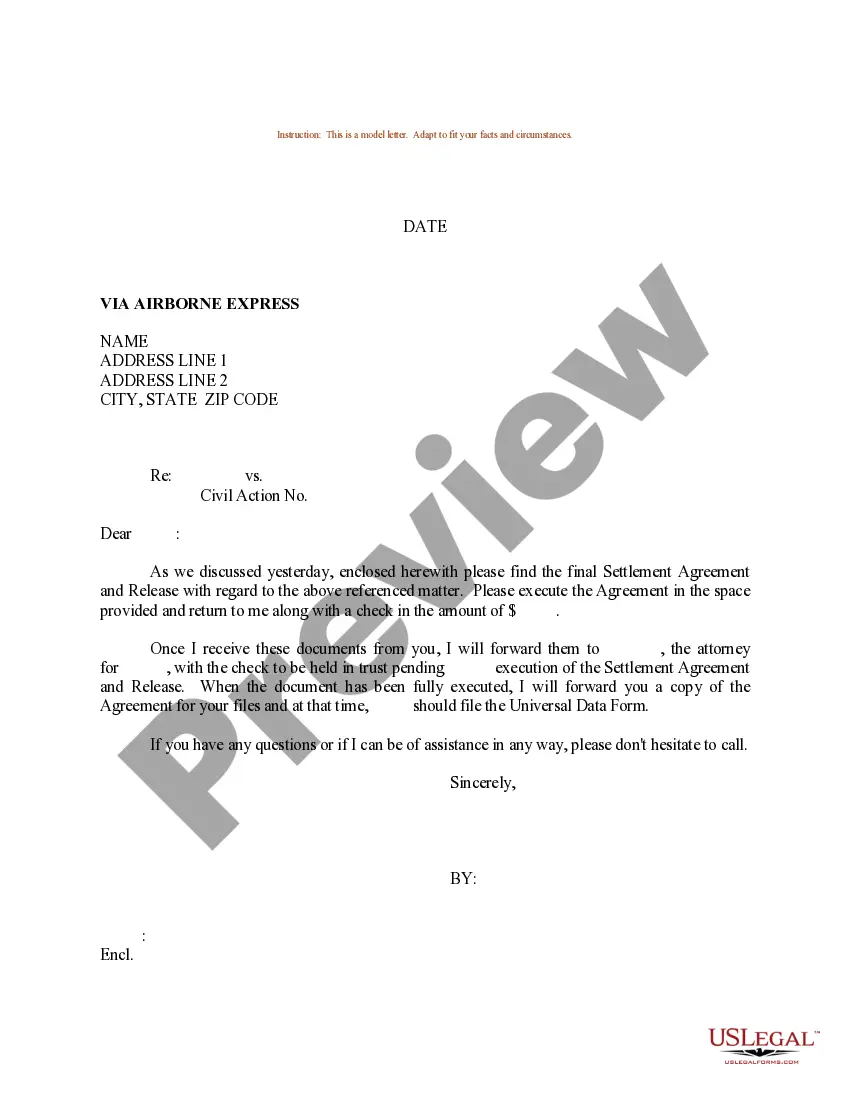
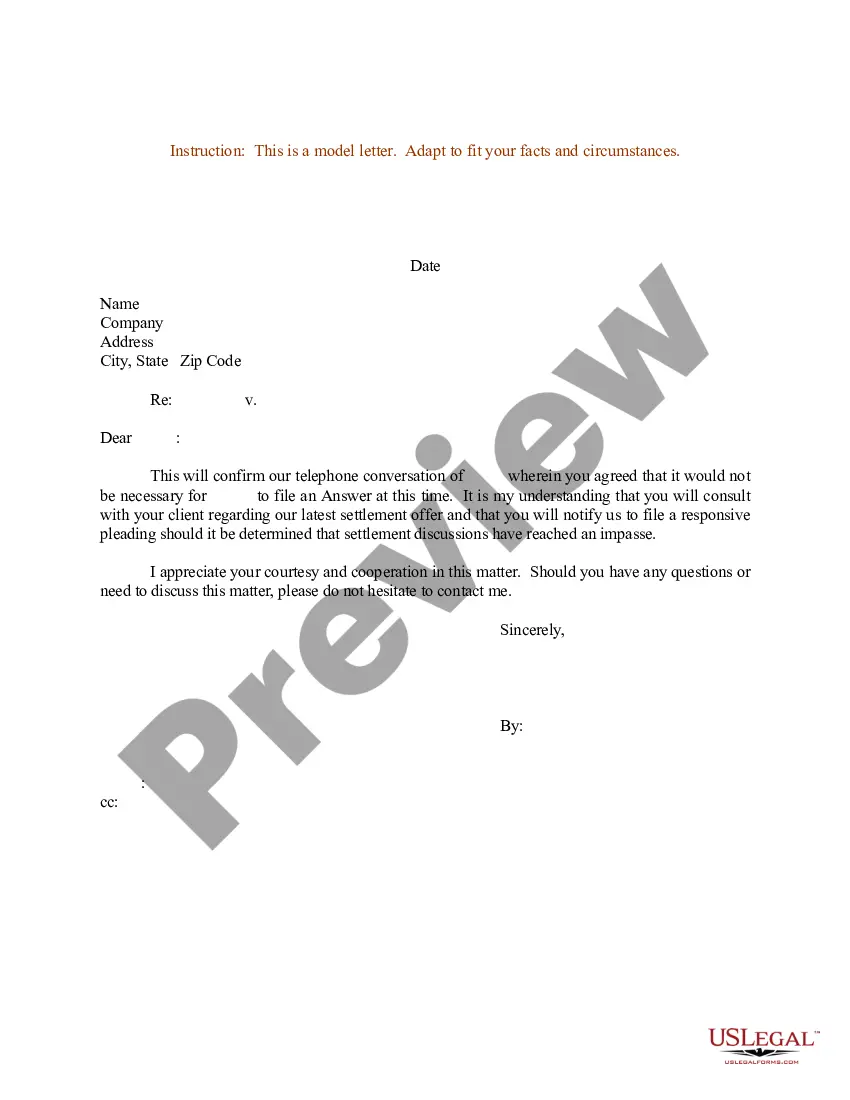
Settlement Confirmation Letter Without Prejudice In Nassau
Description


Get your form ready online
Our built-in tools help you complete, sign, share, and store your documents in one place.
Make edits, fill in missing information, and update formatting in US Legal Forms—just like you would in MS Word.
Download a copy, print it, send it by email, or mail it via USPS—whatever works best for your next step.
Sign and collect signatures with our SignNow integration. Send to multiple recipients, set reminders, and more. Go Premium to unlock E-Sign.
If this form requires notarization, complete it online through a secure video call—no need to meet a notary in person or wait for an appointment.
We protect your documents and personal data by following strict security and privacy standards.

Make edits, fill in missing information, and update formatting in US Legal Forms—just like you would in MS Word.

Download a copy, print it, send it by email, or mail it via USPS—whatever works best for your next step.

Sign and collect signatures with our SignNow integration. Send to multiple recipients, set reminders, and more. Go Premium to unlock E-Sign.

If this form requires notarization, complete it online through a secure video call—no need to meet a notary in person or wait for an appointment.

We protect your documents and personal data by following strict security and privacy standards.
Looking for another form?







Form popularity
FAQ
“Without Prejudice” means that you are sending a communication in an honest attempt to compromise a matter, in which you might make a concession (either expressly or implicitly) to the other side that cannot be later put into evidence in Court.
Where do I put the words "without prejudice" on a document or email? There are no rules about this but generally, at the top of any document or in the subject line etc - so that it is instantly clear to the reader.
The 'without prejudice' label can be attached to any form of communication – letters, emails, phone calls, and meetings – whether online or otherwise. All that is required is that one or both parties state that the communication is 'without prejudice' before the communication occurs.
For example, an employer might admit in a without prejudice communication that it had failed to carry out certain procedures which might otherwise render a dismissal unfair, but the employee would normally not be able to show that admission to an Employment Tribunal to try and prove their claim.
Unredacted versions of putatively confidential documents may be filed by counsel on NYSCEF for the Court's consideration in reviewing the Order to Show Cause. When filing the unredacted document on NYSCEF, choose the “Request to Seal” option when selecting the “Document Type.”
The individual accepting papers must be at least 18 years old and not a party to the case. He or she must also be authorized to accept such documents. A friend, relative, coworker, or other responsible adults may qualify. Be sure to consult a legal professional to ensure the service of process is legal and valid.
The person serving the papers must try to give them to you in person before mailing any papers. If the server was unable to find you, then you should have gotten another set of papers left with someone for you, or a set of papers on your door. If all you got was one set of papers in the mail, this is bad service.
A person serving papers must be 18 years of age or older and must not be a party to the case (CPLR 2103a). Papers may be served by a process server, friend or relative of a party so long as he or she is not a party to the case.
After a summons with notice is served, the defendant will demand that the plaintiff serve a complaint. The plaintiff must then have the complaint served within 20 days after being served with the demand, or the case may be dismissed.
Service of the summons and complaint, summons with notice, third-party summons and complaint, or petition with a notice of petition or order to show cause shall be made within one hundred twenty days after the commencement of the Action, provided that in an Action, except a proceeding commenced under the election ...