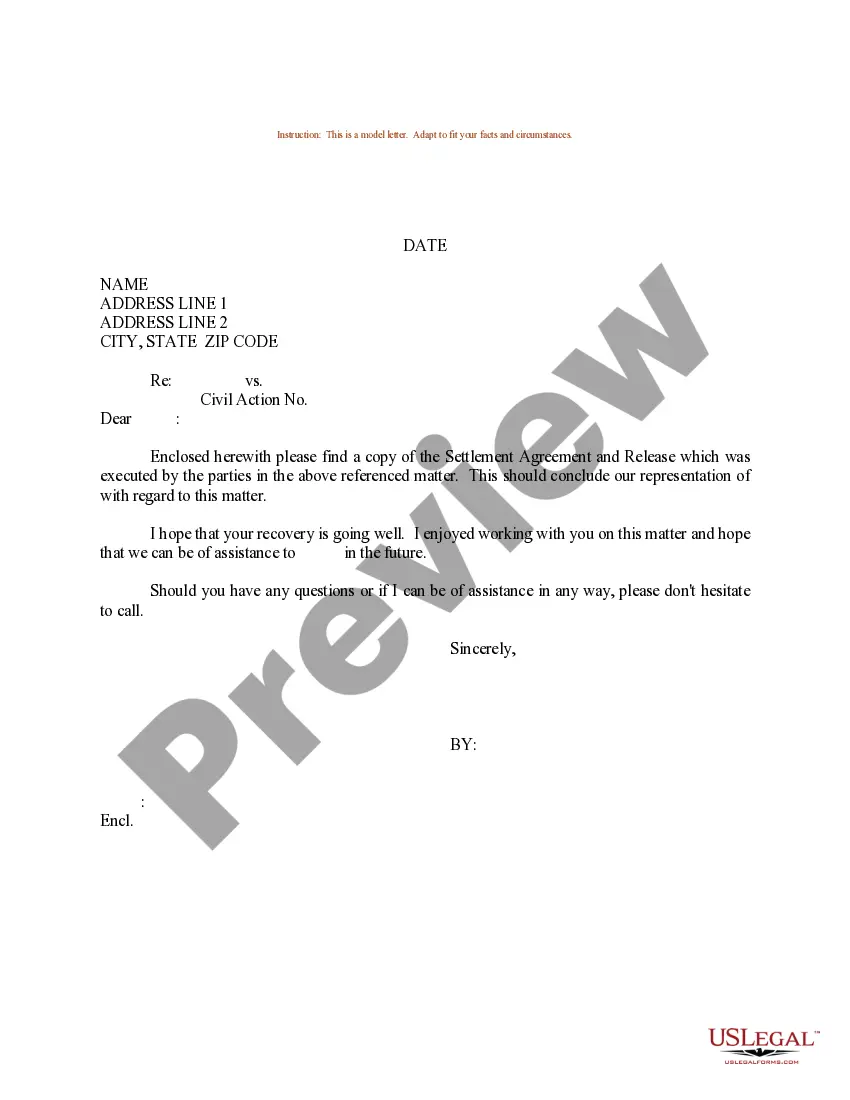
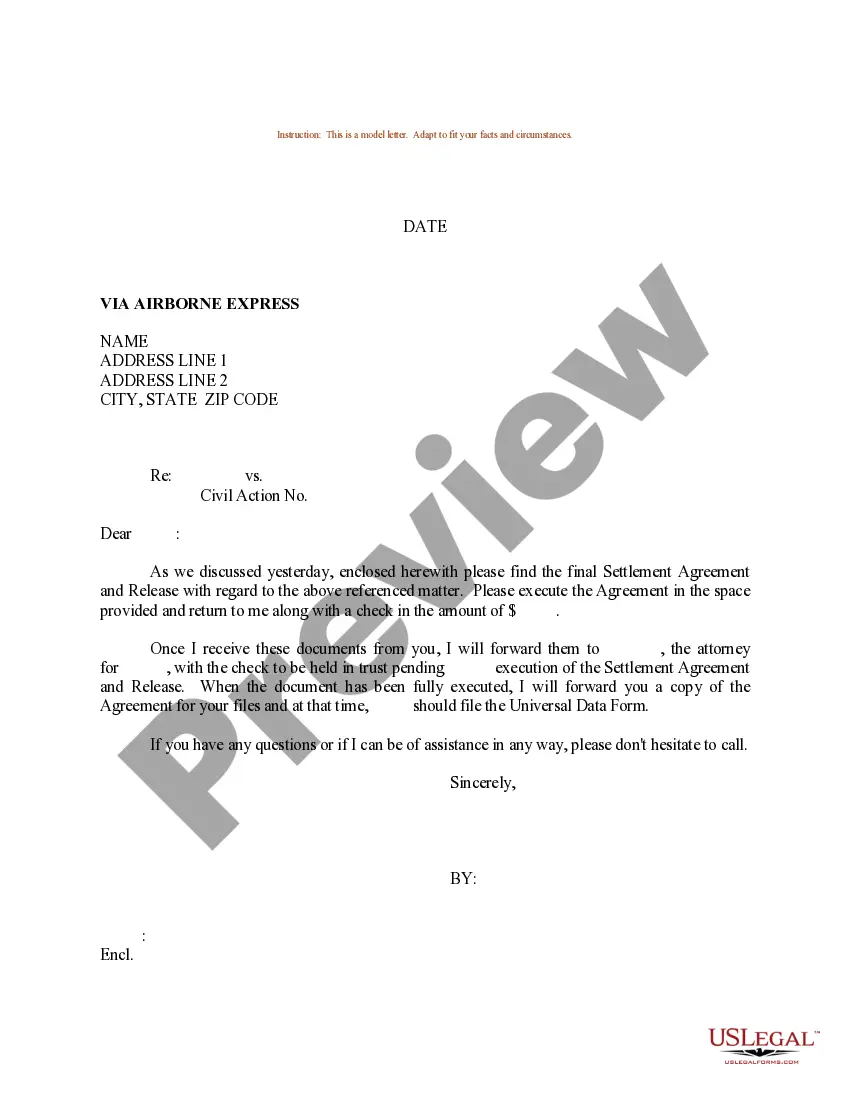
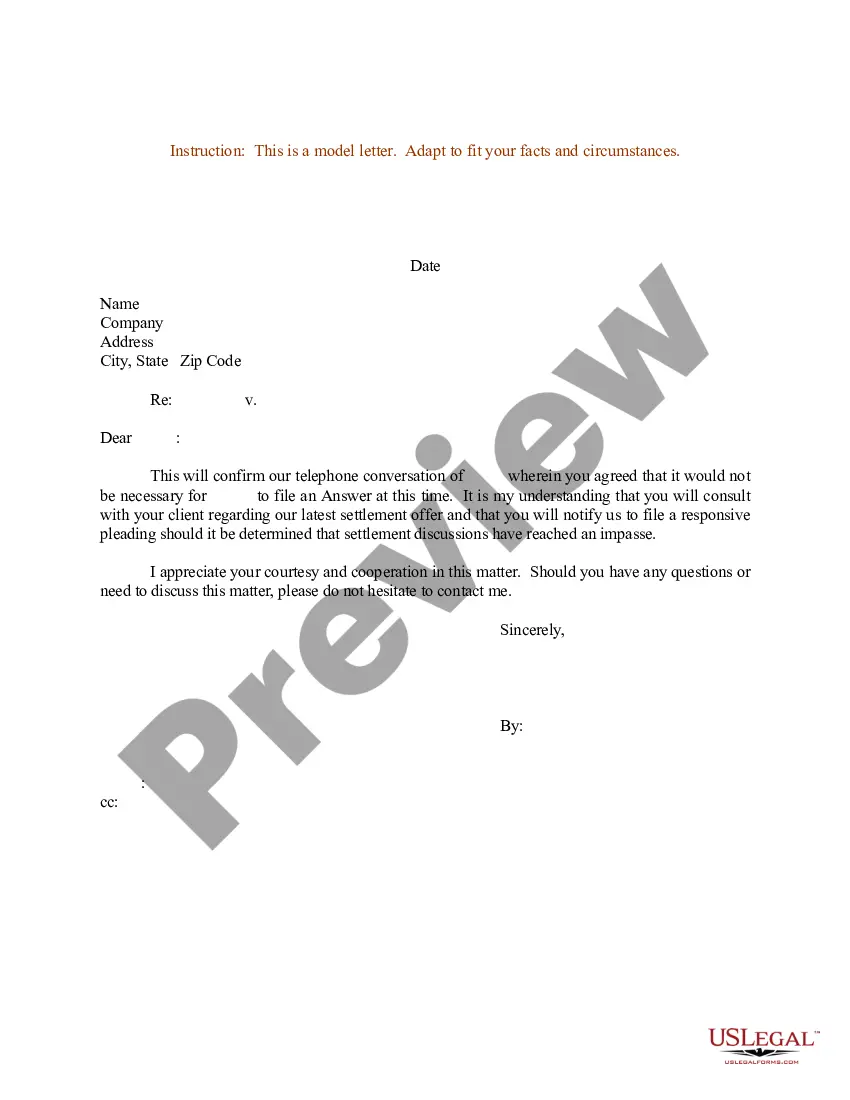
Settlement Confirmation Letter With Salary Requirements In Nassau
Description


Get your form ready online
Our built-in tools help you complete, sign, share, and store your documents in one place.
Make edits, fill in missing information, and update formatting in US Legal Forms—just like you would in MS Word.
Download a copy, print it, send it by email, or mail it via USPS—whatever works best for your next step.
Sign and collect signatures with our SignNow integration. Send to multiple recipients, set reminders, and more. Go Premium to unlock E-Sign.
If this form requires notarization, complete it online through a secure video call—no need to meet a notary in person or wait for an appointment.
We protect your documents and personal data by following strict security and privacy standards.

Make edits, fill in missing information, and update formatting in US Legal Forms—just like you would in MS Word.

Download a copy, print it, send it by email, or mail it via USPS—whatever works best for your next step.

Sign and collect signatures with our SignNow integration. Send to multiple recipients, set reminders, and more. Go Premium to unlock E-Sign.

If this form requires notarization, complete it online through a secure video call—no need to meet a notary in person or wait for an appointment.

We protect your documents and personal data by following strict security and privacy standards.
Looking for another form?


Form popularity
FAQ
If a Transcript of Judgment has been filed with the County Clerk, once the Debtor pays off the Judgment, the Creditor has a legal responsibility to prepare and sign a Satisfaction of Judgmentfor the benefit of the Debtor, so that all liens and record of Judgment can be removed from the County Clerk's office.
Small Claims Court helps individuals or corporations resolve disputes when the amount of the claim is $10,000 or less. All defendants must have an address in New York City. Get Small Claims Court information, including locations and hours of operation.
Service of the summons and complaint, summons with notice, third-party summons and complaint, or petition with a notice of petition or order to show cause shall be made within one hundred twenty days after the commencement of the Action, provided that in an Action, except a proceeding commenced under the election ...
A person serving papers must be 18 years of age or older and must not be a party to the case (CPLR 2103a). Papers may be served by a process server, friend or relative of a party so long as he or she is not a party to the case.
If legal papers are not served (delivered) the right way when a case is started, the Judge may make the party starting the case start all over again. This is called a dismissal without prejudice. There are three ways to deliver legal papers to start a case.
To file a motion for contempt in New York, certain criteria must be met. There must be an existing order of the court that is clear and unambiguous, and the accused must be proven to have known about this order and willfully disobeyed it.
After a summons with notice is served, the defendant will demand that the plaintiff serve a complaint. The plaintiff must then have the complaint served within 20 days after being served with the demand, or the case may be dismissed.
Personal Service by a Process Server Hiring a professional process server is recommended if you're looking for the most reliable way to ensure someone receives court documents. In California, for most cases, personal service must be completed at least 16 court days before the court date.
California: Guests become tenants when they stay for over 14 days within six months, or seven nights in a row. Colorado: Guests become tenants after staying for over 14 days within six months. Connecticut: Guests become tenants after staying for over 14 days within six months.
In New York State, an eviction of a tenant is lawful only if an owner has brought a court proceeding and obtained a judgment of possession from the court. A sheriff, marshal or constable can carry out a court ordered eviction. An owner may not evict a tenant by use of force or unlawful means.