Settlement Confirmation Letter Without Insurance Sample In Michigan
Description


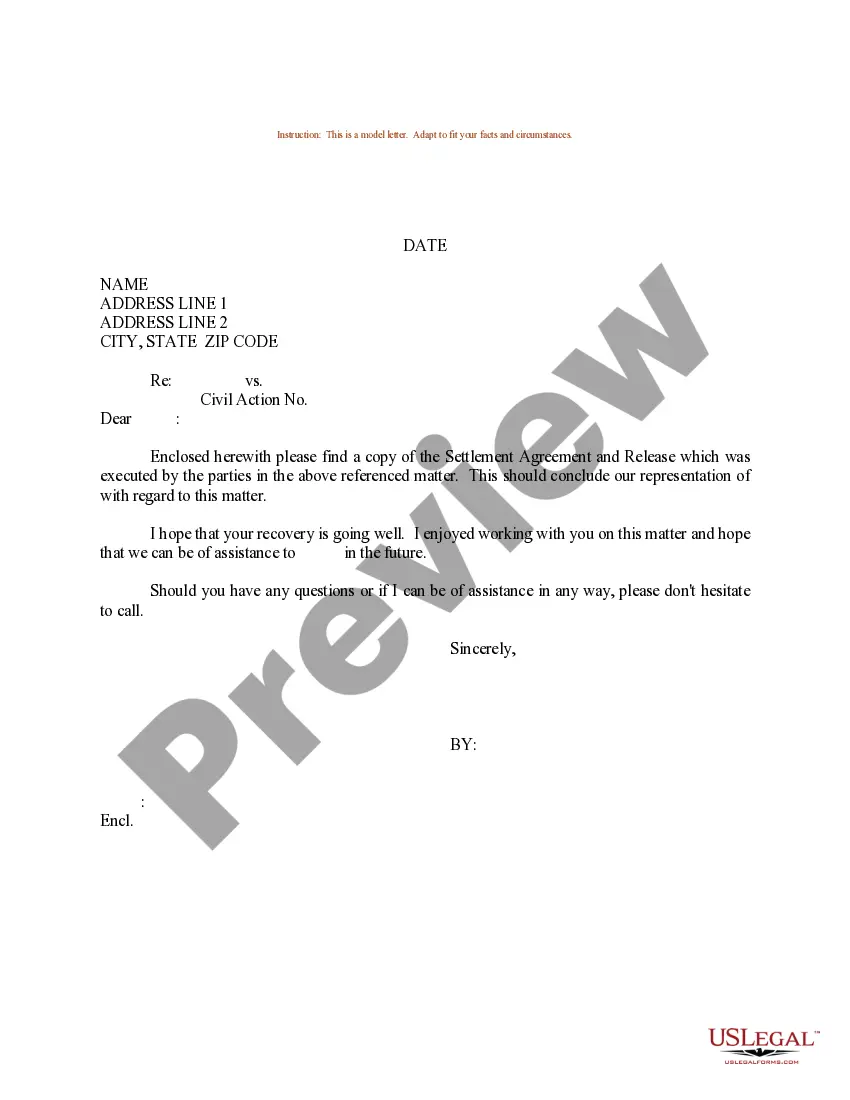
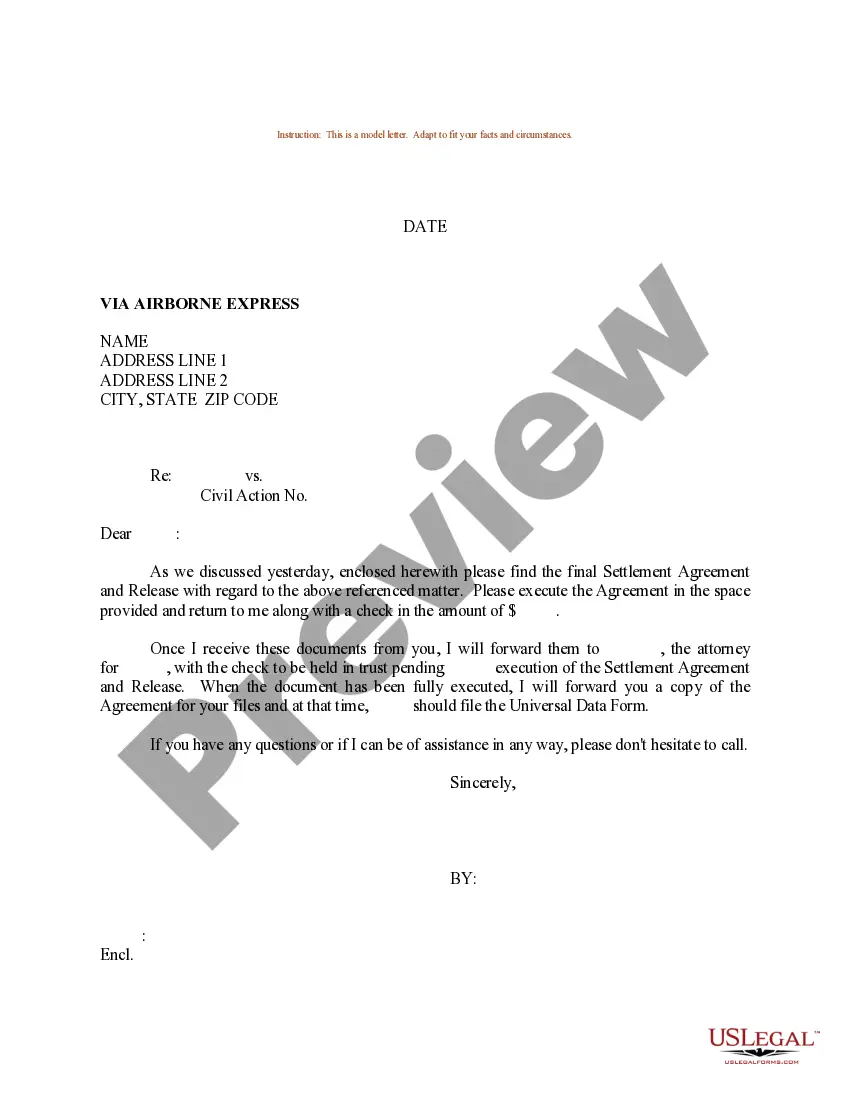
Get your form ready online
Our built-in tools help you complete, sign, share, and store your documents in one place.
Make edits, fill in missing information, and update formatting in US Legal Forms—just like you would in MS Word.
Download a copy, print it, send it by email, or mail it via USPS—whatever works best for your next step.
Sign and collect signatures with our SignNow integration. Send to multiple recipients, set reminders, and more. Go Premium to unlock E-Sign.
If this form requires notarization, complete it online through a secure video call—no need to meet a notary in person or wait for an appointment.
We protect your documents and personal data by following strict security and privacy standards.

Make edits, fill in missing information, and update formatting in US Legal Forms—just like you would in MS Word.

Download a copy, print it, send it by email, or mail it via USPS—whatever works best for your next step.

Sign and collect signatures with our SignNow integration. Send to multiple recipients, set reminders, and more. Go Premium to unlock E-Sign.

If this form requires notarization, complete it online through a secure video call—no need to meet a notary in person or wait for an appointment.

We protect your documents and personal data by following strict security and privacy standards.
Looking for another form?







Form popularity
FAQ
State the settlement offer you are willing to accept and the reasons why. You can repeat the position you stated in the first demand letter. Your attorney can advise you on whether you should stick with the amount stated in your first demand letter or if you should present a counteroffer.
Your letter should clearly: State that the offer you received is unacceptable. Refute any statements in the adjustor's letter that are inaccurate and damaging to your claim. Re-state an acceptable figure. Explain why your counteroffer is appropriate, including the reasons behind your general damage demands.
The plaintiff files a complaint to initiate a lawsuit. The defendant files an answer to the complaint. The judge will issue a scheduling order laying out a timeline for important dates and deadlines, including when the trial will take place. The parties engage in discovery.
In Michigan, the statute of limitations for civil litigation is three to ten years, depending on the type of claim. For personal injuries, plaintiffs should bring the case to the civil court within three years from the date of injury. The same is true in a property damage lawsuit.
A lawsuit begins when a plaintiff files a complaint with the proper court. The complaint identifies the parties involved and describes the nature of the grievance and the remedy sought. The court issues a summons, and a copy of the complaint and summons is served on the defendant, who must respond within 21 days.
A lawsuit begins when a plaintiff files a complaint with the proper court. The complaint identifies the parties involved and describes the nature of the grievance and the remedy sought. The court issues a summons, and a copy of the complaint and summons is served on the defendant, who must respond within 21 days.
(ii) Parties answering a complaint, counterclaim, cross-claim, or third-party complaint must serve initial disclosures 14 days after the opposing party's disclosures are due or 28 days after filing an answer, whichever is later.
Tip for Drafting an Effective Settlement Letter Be concise. Your letter might be 20-30 pages long if your claim is complex. Be organized. Reread your letter to make sure you haven't said anything that the opposing party can twist around to use against you. Be polite and professional.
Treat the following as a set of general guidelines: Gather complete information before you start writing. Describe your injuries and medical treatment. List your medical expenses, lost wages, and non-economic damages. Make a settlement demand. Include a deadline for legal action if you want to, but don't bluff.