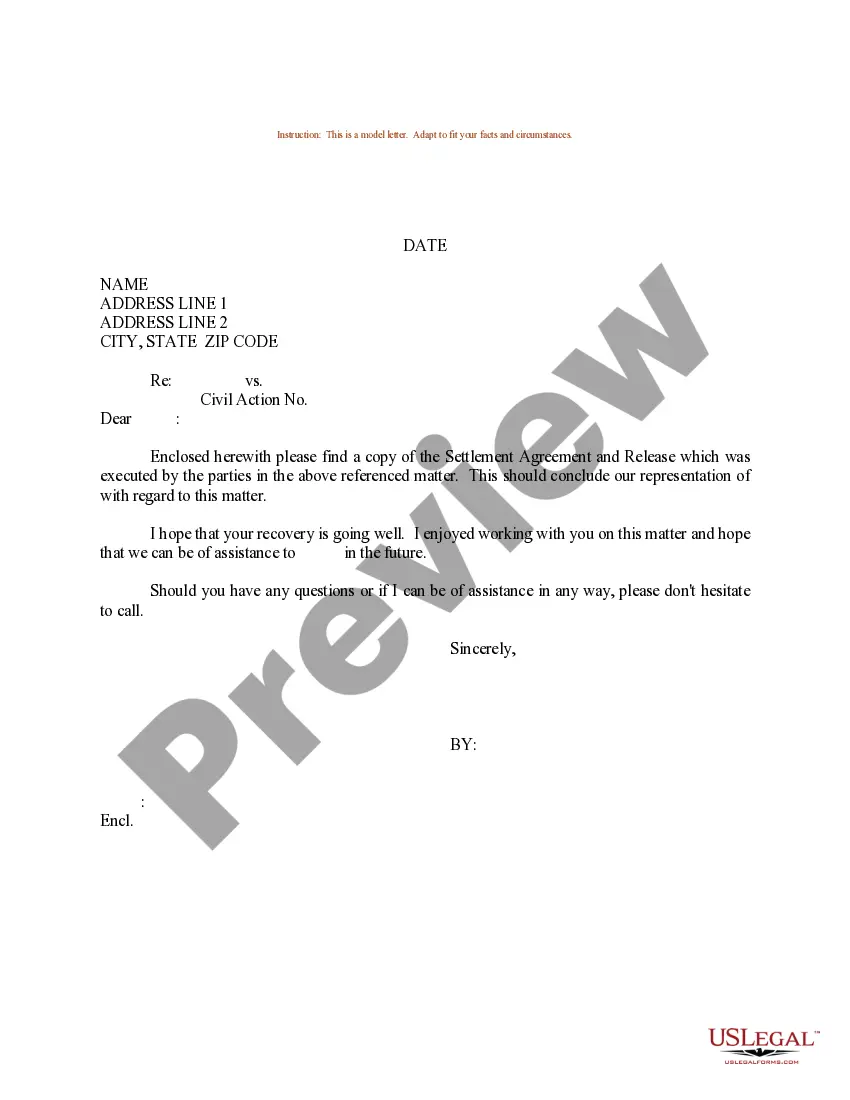
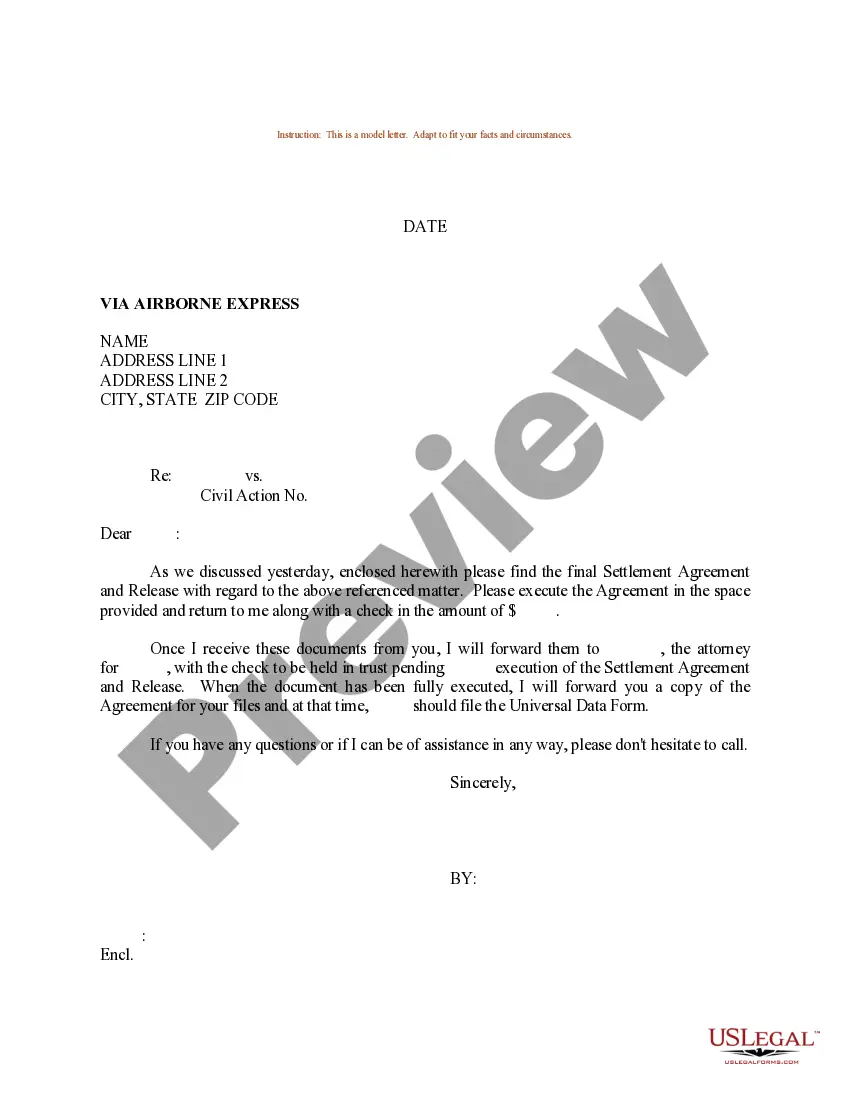
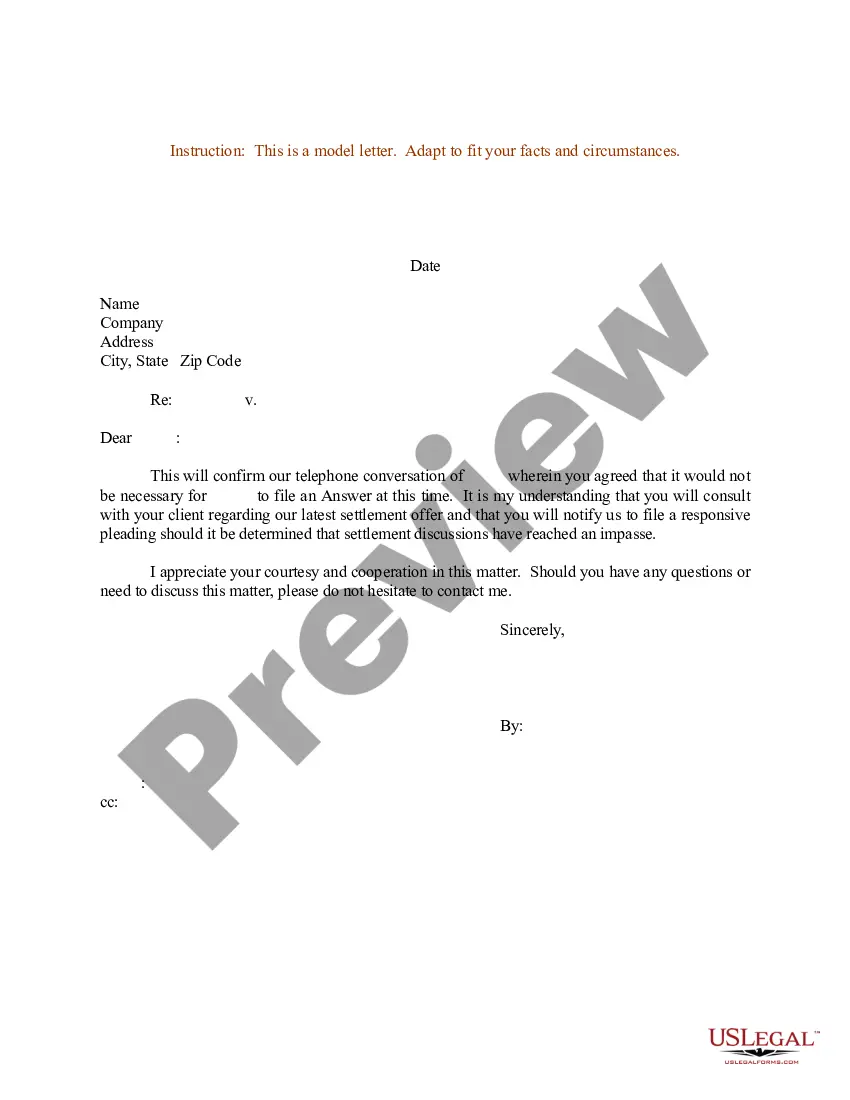
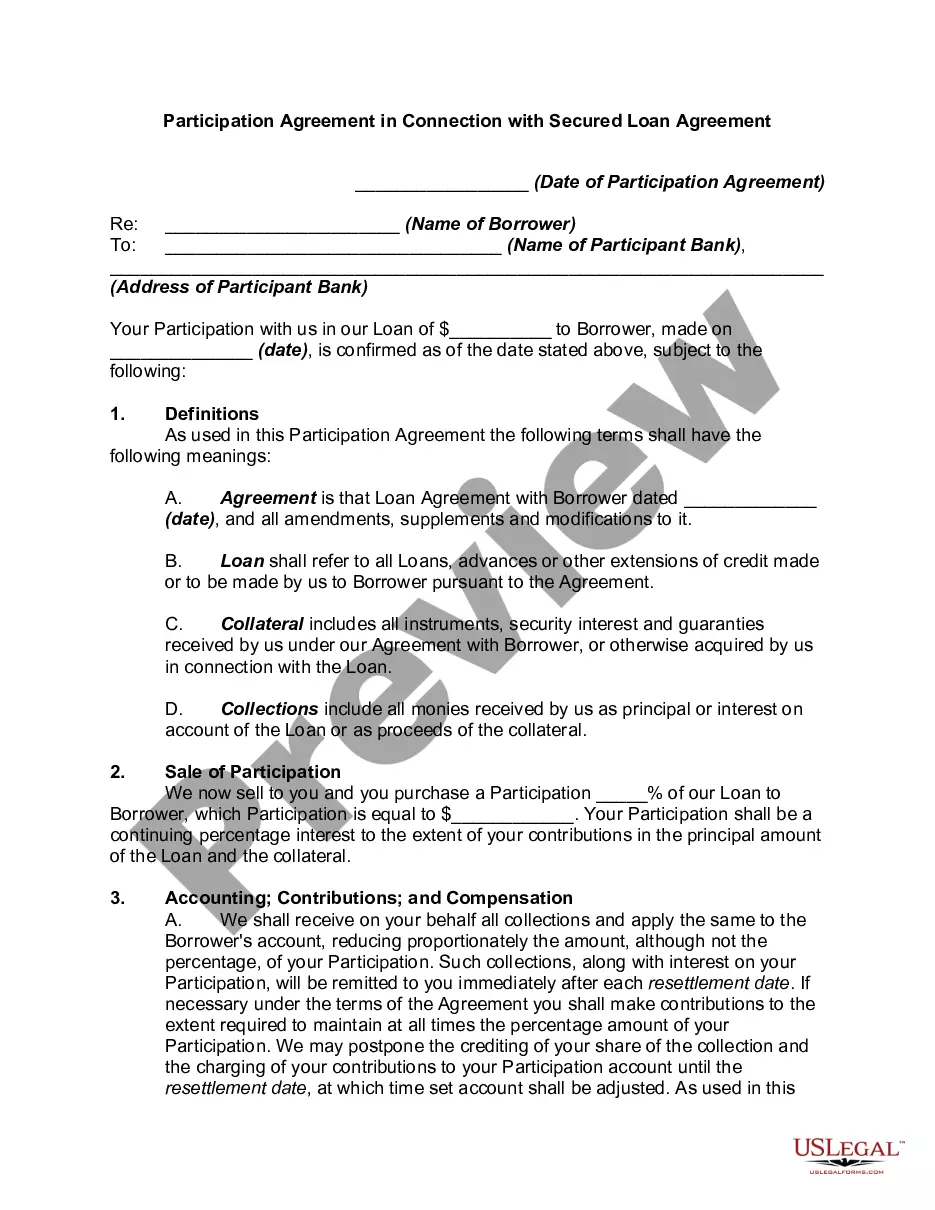
Cover Letter For Settlement Agreement In Massachusetts
Description


Get your form ready online
Our built-in tools help you complete, sign, share, and store your documents in one place.
Make edits, fill in missing information, and update formatting in US Legal Forms—just like you would in MS Word.
Download a copy, print it, send it by email, or mail it via USPS—whatever works best for your next step.
Sign and collect signatures with our SignNow integration. Send to multiple recipients, set reminders, and more. Go Premium to unlock E-Sign.
If this form requires notarization, complete it online through a secure video call—no need to meet a notary in person or wait for an appointment.
We protect your documents and personal data by following strict security and privacy standards.

Make edits, fill in missing information, and update formatting in US Legal Forms—just like you would in MS Word.

Download a copy, print it, send it by email, or mail it via USPS—whatever works best for your next step.

Sign and collect signatures with our SignNow integration. Send to multiple recipients, set reminders, and more. Go Premium to unlock E-Sign.

If this form requires notarization, complete it online through a secure video call—no need to meet a notary in person or wait for an appointment.

We protect your documents and personal data by following strict security and privacy standards.
Looking for another form?








Form popularity
FAQ
What Should Be Included in a Settlement Agreement? Identifying information for all involved parties. A description of the issue you're seeking to settle. An offer of resolutions that both parties agree to. Proof of valid consideration from both parties without coercion or duress. Legal purpose.
State law requires you to send the business a letter 30 days before filing a claim in court. The letter must outline your complaint, the harm you suffered, and how you want the problem resolved. This is called a 30 Day Demand Letter.
Write the contract in six steps Start with a contract template. Open with the basic information. Describe in detail what you have agreed to. Include a description of how the contract will be ended. Write into the contract which laws apply and how disputes will be resolved. Include space for signatures.
Divorce papers in Massachusetts are legally termed as a “Complaint for Divorce.” Once the Complaint is filed by your spouse, the Massachusetts Probate and Family Court will issue a Summons. A copy of the Complaint along with the court Summons will be “served” or delivered to you.
If service is made by mail, then proof of service must include a signed receipt or other evidence of successful personal delivery to the defendant that will satisfy the court where the case is filed.
If I get served with a complaint, what do I do? Read the summons and the complaint or petition. It is important to read both the summons (or citation) and the complaint (or petition) very carefully. Write and file an answer. Serve the other party with a copy of the answer.
Rule 4(c) permits special court appointment of process servers. Rule 4(d) somewhat changes the Massachusetts rule that in actions of tort or contract, not involving an attachment, the summons need not contain a copy of the declaration.
Civil litigation lawyer From gathering evidence to drafting legal documents, these lawyers oversee the entire case and help you do the following: Initiate legal action on your behalf or represent you if facing a lawsuit. Prepare pleadings, motions, and briefs for court proceedings.
To sue someone in Massachusetts, you have to file a complaint with the clerk of the court. A complaint is not a specific form. It is a document that contains a short statement of the facts showing your claim and why you are entitled to relief and a demand for judgment granting that relief.
Appropriate persons to serve are as follows: A sheriff; A deputy sheriff; A special sheriff; Any other person authorized by law, such as a constable; or. A person specially appointed by the court for this purpose.