Confirmation Of Settlement Letter Without Insurance In Massachusetts
Description


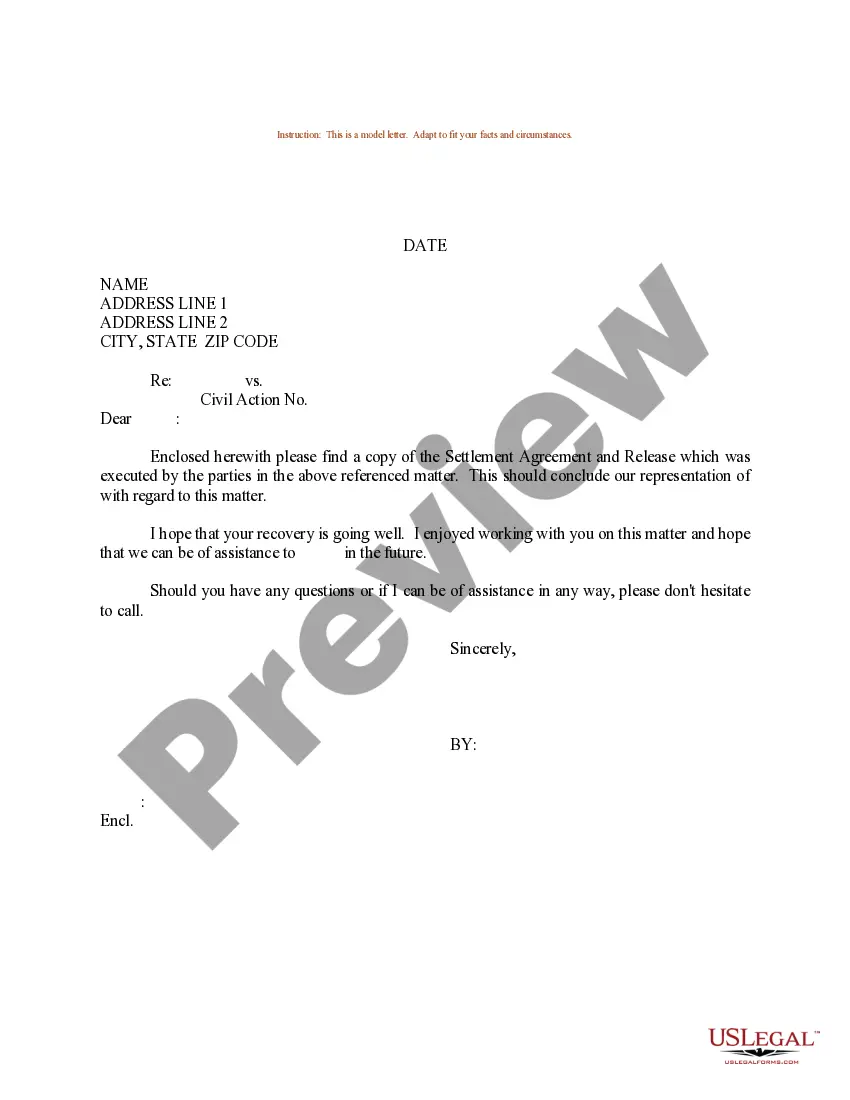
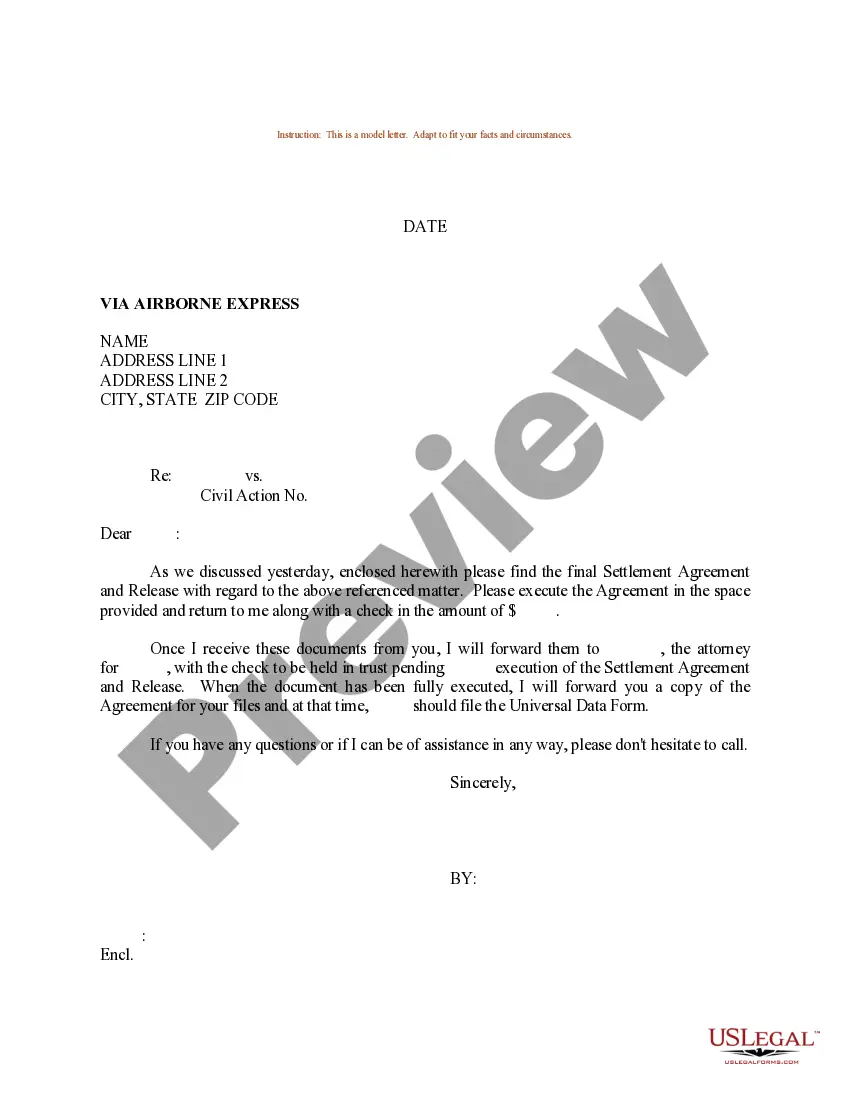
Get your form ready online
Our built-in tools help you complete, sign, share, and store your documents in one place.
Make edits, fill in missing information, and update formatting in US Legal Forms—just like you would in MS Word.
Download a copy, print it, send it by email, or mail it via USPS—whatever works best for your next step.
Sign and collect signatures with our SignNow integration. Send to multiple recipients, set reminders, and more. Go Premium to unlock E-Sign.
If this form requires notarization, complete it online through a secure video call—no need to meet a notary in person or wait for an appointment.
We protect your documents and personal data by following strict security and privacy standards.

Make edits, fill in missing information, and update formatting in US Legal Forms—just like you would in MS Word.

Download a copy, print it, send it by email, or mail it via USPS—whatever works best for your next step.

Sign and collect signatures with our SignNow integration. Send to multiple recipients, set reminders, and more. Go Premium to unlock E-Sign.

If this form requires notarization, complete it online through a secure video call—no need to meet a notary in person or wait for an appointment.

We protect your documents and personal data by following strict security and privacy standards.
Looking for another form?


Form popularity
FAQ
In order to bring a Chapter 93A claim, however, an aggrieved party must begin the process by sending what is commonly referred to as a Chapter 93A, section 9 "consumer protection demand letter" to which the business has 30 days to respond.
Sometimes accepting a fair settlement offer is beneficial for emotional and mental well-being. In summary, accept a settlement offer when you are confident that it adequately compensates for your losses and expenses, and after you have a clear understanding of all the implications of the settlement.
State the settlement offer you are willing to accept and the reasons why. You can repeat the position you stated in the first demand letter. Your attorney can advise you on whether you should stick with the amount stated in your first demand letter or if you should present a counteroffer.
A car accident settlement letter is a formal document sent to an insurance company requesting compensation for damages and injuries resulting from a car accident. It outlines the details of the accident, injuries sustained, medical treatments received, and associated costs.
Frequently Asked Questions (FAQ) Type your letter. Concisely review the main facts. Be polite. Write with your goal in mind. Ask for exactly what you want. Set a deadline. End the letter by stating you will promptly pursue legal remedies if the other party does not meet your demand. Make and keep copies.
State law requires you to send the business a letter 30 days before filing a claim in court. The letter must outline your complaint, the harm you suffered, and how you want the problem resolved. This is called a 30 Day Demand Letter.
Treat the following as a set of general guidelines: Gather complete information before you start writing. Describe your injuries and medical treatment. List your medical expenses, lost wages, and non-economic damages. Make a settlement demand. Include a deadline for legal action if you want to, but don't bluff.
If you get SSP payments AND other benefits from DTA, you must contact the DTA Assistance Line at (877) 382-2363 for a benefit verification letter.
7 Tips for Writing a Demand Letter to the Insurance Company Detail Your Version of Events. Gather & Organize Your Expenses. Calculate Anticipated Expenses. Detail the Negative Impact the Accident Has Had on Your Life. Discuss Your Road to Recovery. Include a Fair and Reasonable Demand Amount.
Present your case clearly and concisely. Avoid sharing too much personal information or details that are not directly relevant to the claim. Do Not Accept the First Offer: Adjusters often start with a low offer. Politely decline and state that the offer doesn't adequately cover your losses.