Confirmation Letter Example In Massachusetts
Description


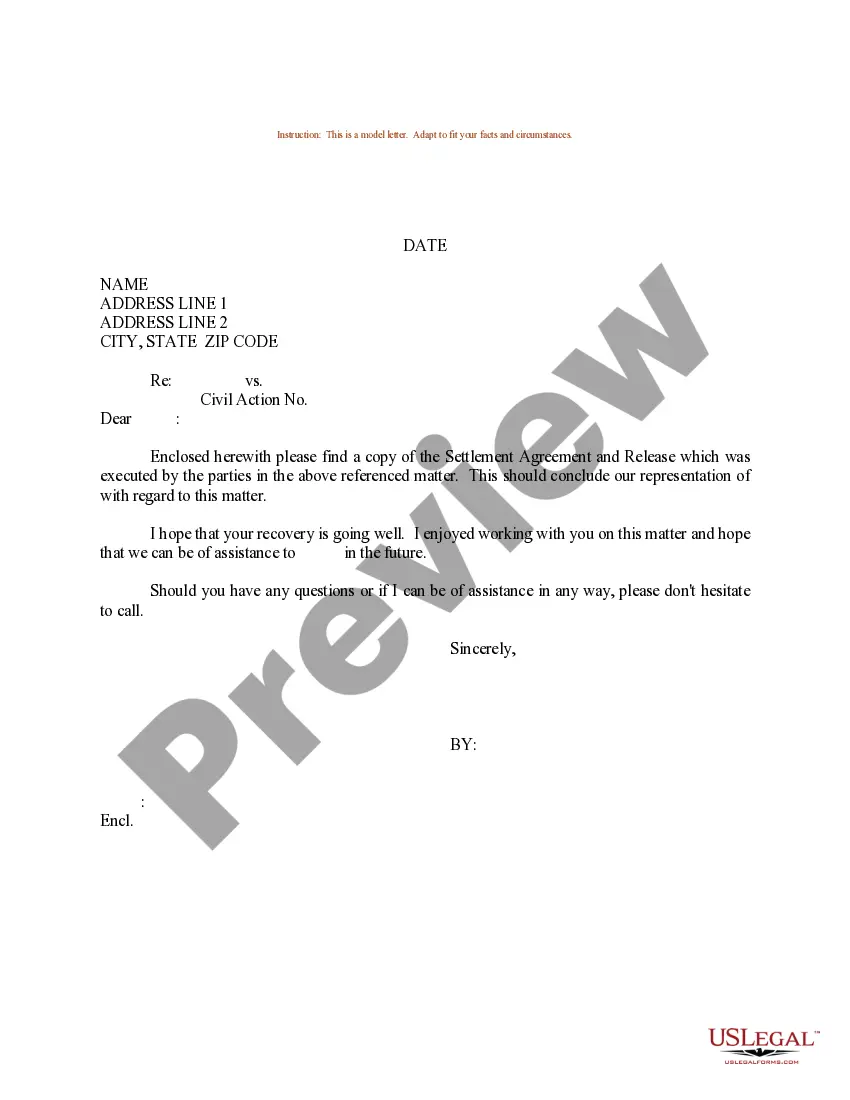
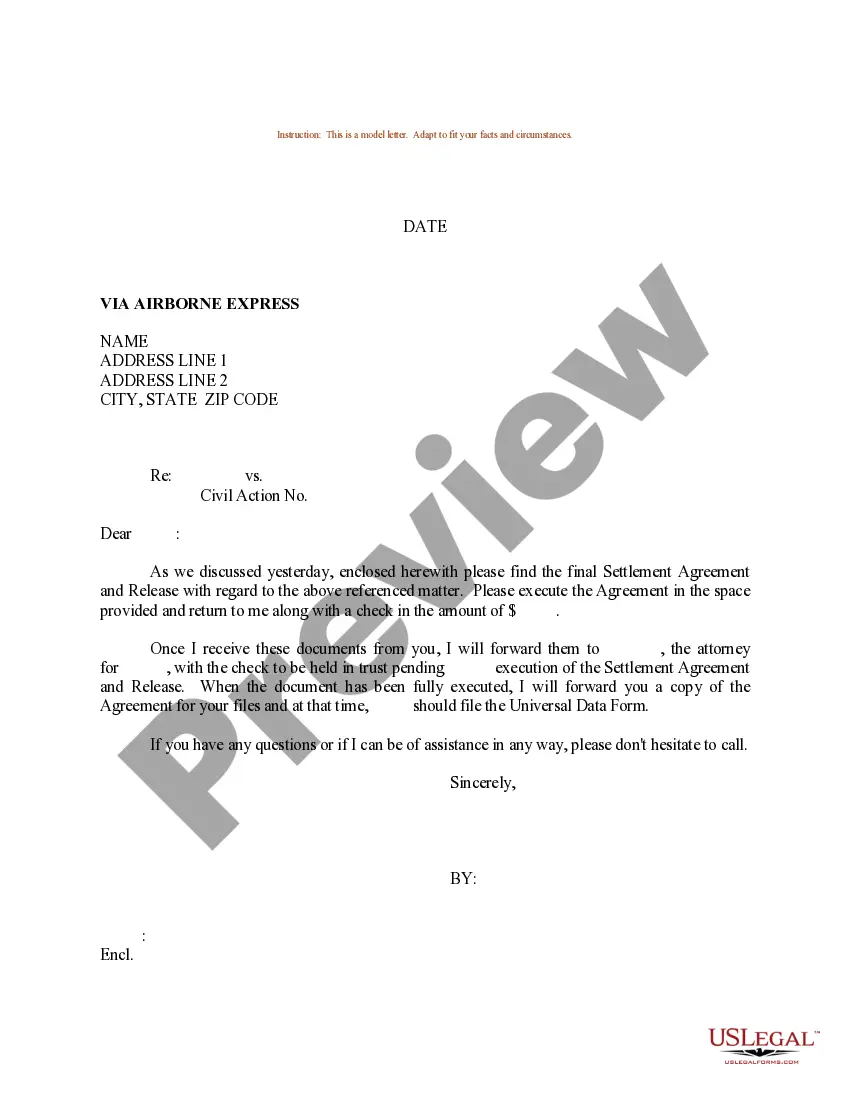
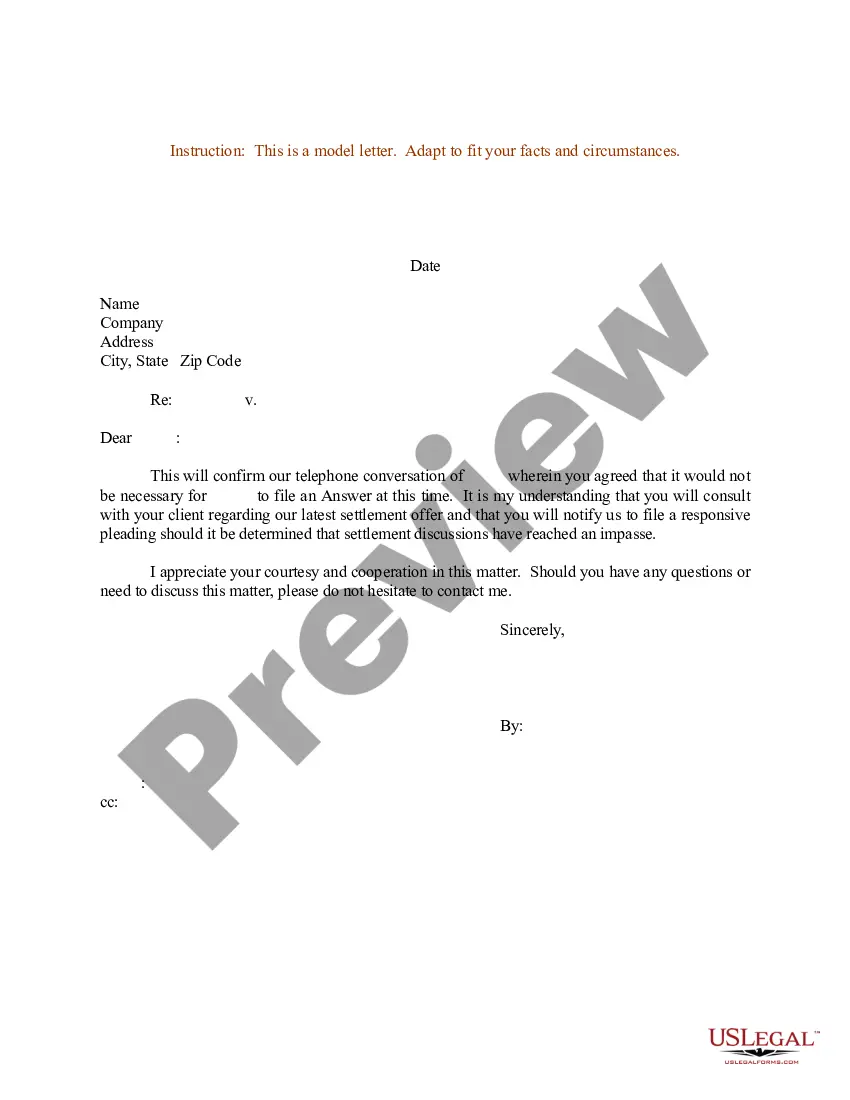
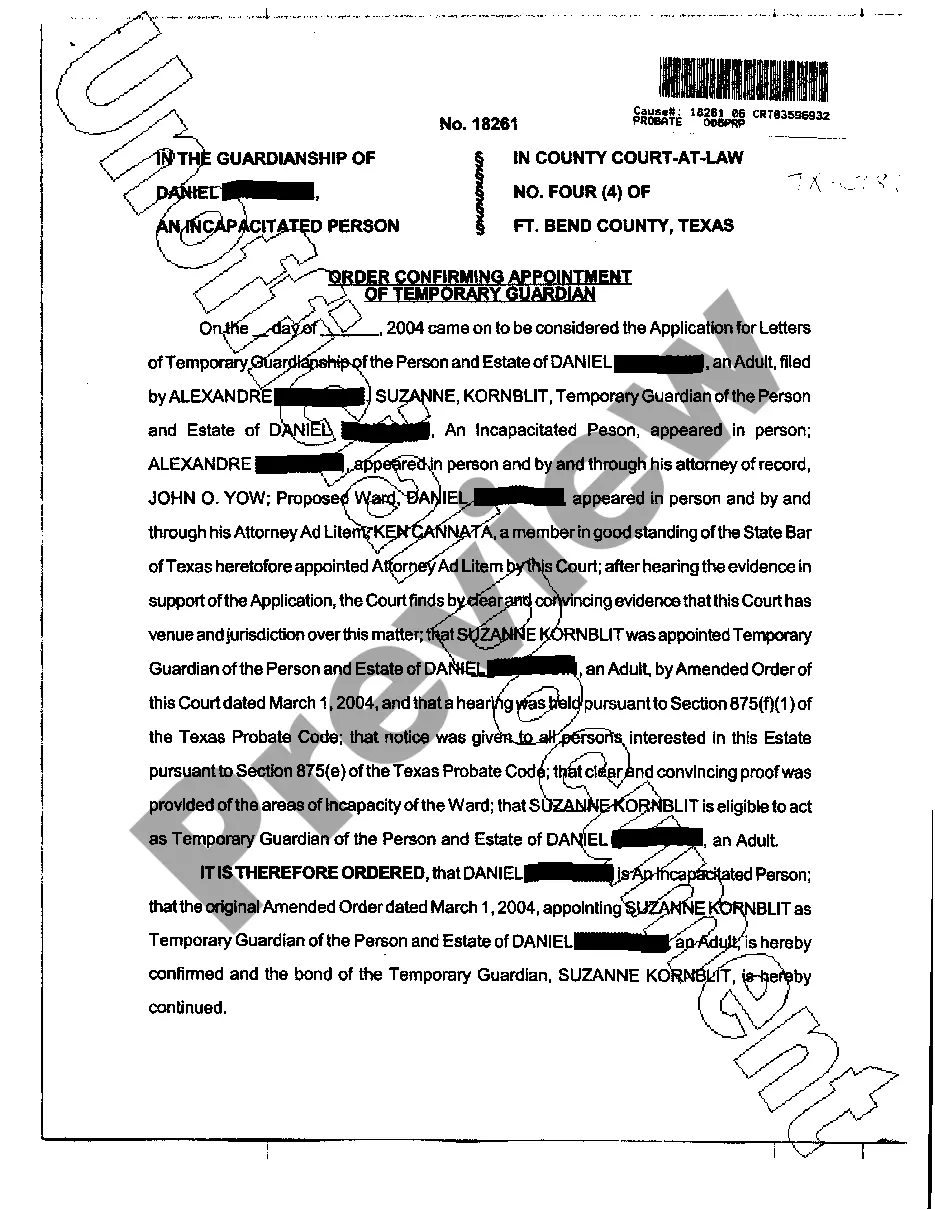
Get your form ready online
Our built-in tools help you complete, sign, share, and store your documents in one place.
Make edits, fill in missing information, and update formatting in US Legal Forms—just like you would in MS Word.
Download a copy, print it, send it by email, or mail it via USPS—whatever works best for your next step.
Sign and collect signatures with our SignNow integration. Send to multiple recipients, set reminders, and more. Go Premium to unlock E-Sign.
If this form requires notarization, complete it online through a secure video call—no need to meet a notary in person or wait for an appointment.
We protect your documents and personal data by following strict security and privacy standards.

Make edits, fill in missing information, and update formatting in US Legal Forms—just like you would in MS Word.

Download a copy, print it, send it by email, or mail it via USPS—whatever works best for your next step.

Sign and collect signatures with our SignNow integration. Send to multiple recipients, set reminders, and more. Go Premium to unlock E-Sign.

If this form requires notarization, complete it online through a secure video call—no need to meet a notary in person or wait for an appointment.

We protect your documents and personal data by following strict security and privacy standards.
Looking for another form?







Form popularity
FAQ
Proof of address Utility bill - delivered to you by post. Bank statement - delivered to you by post. Bank statement - certified as printed in branch. Council tax bill (current financial year) - delivered to you by post. DWP letter - delivered to you by post. Benefit award letter - delivered to you by post.
Writing the Letter as a Resident Start with your legal name. Certify your address. State the length of time you've resided at the residence. Include any other residents. Type your oath. Follow with a closing phrase and your name. Sign and date the letter. Create a line for the notary's signature.
To write a letter for proof of residence, provide your legal name, certify your address and the length of time you've lived there, note any other residents living at that address, and type a legally binding oath about the accuracy of the information provided; you should also be prepared to have a landlord and/or notary ...
An ADDRESS VERIFICATION FORM, sometimes referred to as an E9-1-1 Form, is confirmation that a physical address exists and/or is accurate. It does NOT, however, confirm a person's residency. The form validates the address provided by the requester and notes the property in which it is associated with.
Steps Use business letter format on company letterhead. List the job title, salary, and start date. Summarize the terms and conditions of the offer. Provide details about any benefits your company offers. Close by thanking the recipient. Include your job title under your name. Proofread your letter carefully.
Writing one involves including the resident's name, address, move-in date, and a statement of residency. The letter should be clear, concise, and may need to be notarized in some cases.
A proof of address is a document that verifies where you live. Banks, financial institutions, and government agencies require it as a security measure to ensure the accuracy of the address information you provide.
Steps Use business letter format on company letterhead. List the job title, salary, and start date. Summarize the terms and conditions of the offer. Provide details about any benefits your company offers. Close by thanking the recipient. Include your job title under your name. Proofread your letter carefully.
Key takeaways: A well-structured confirmation letter should contain a header with contact details, an explanation of your decision, relevant information about the confirmation, details about attached documents, a supportive statement, and should be thoroughly proofread.
Confirmation Letter Format Header: Includes the company's name, address, and official contact information. Date: Includes the date on which the letter is being sent. Recipient's information: Includes the recipient's name, title, and official address. Subject: It describes the purpose of the letter.