Settlement Agreement Example In Maricopa
Description


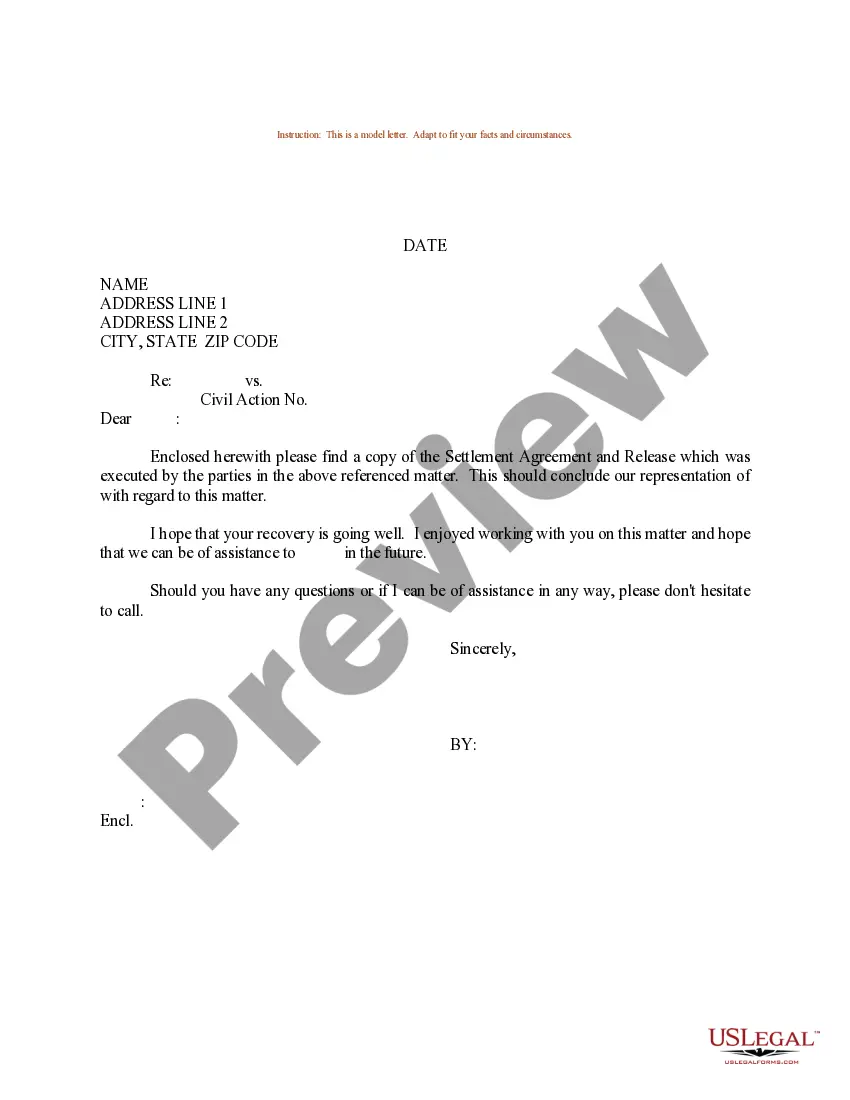
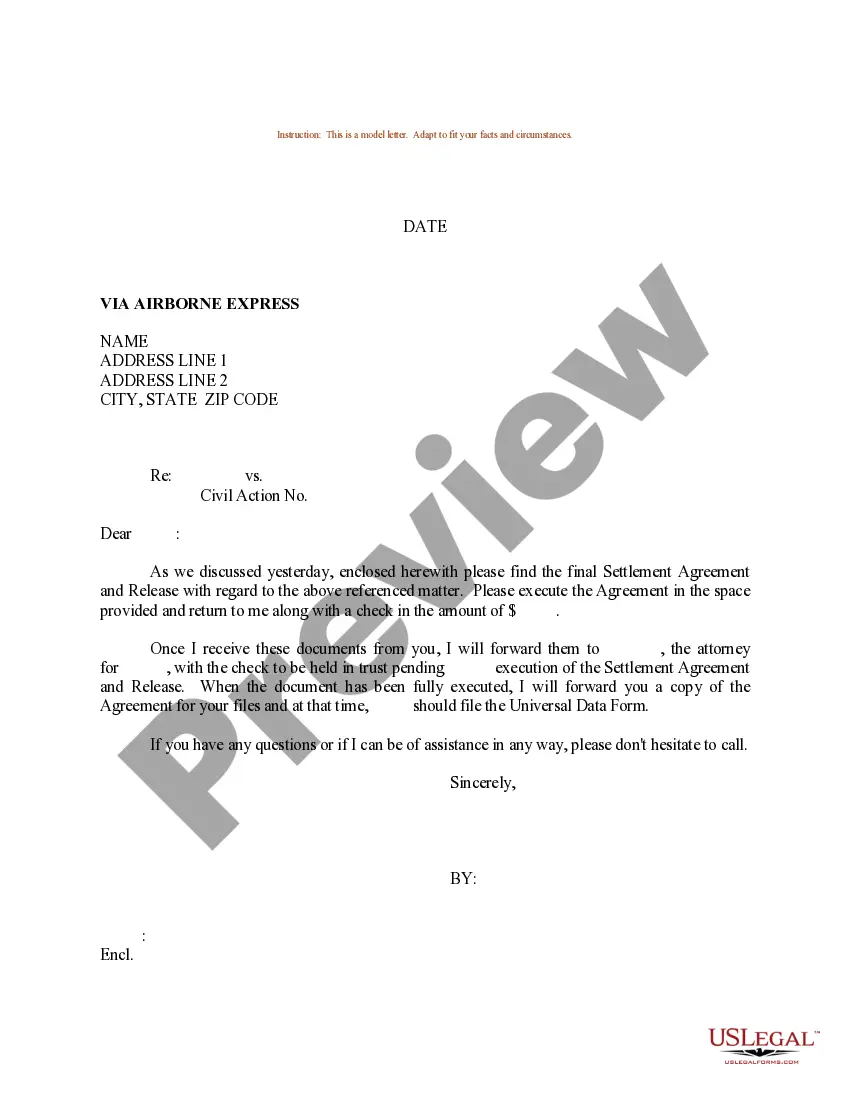
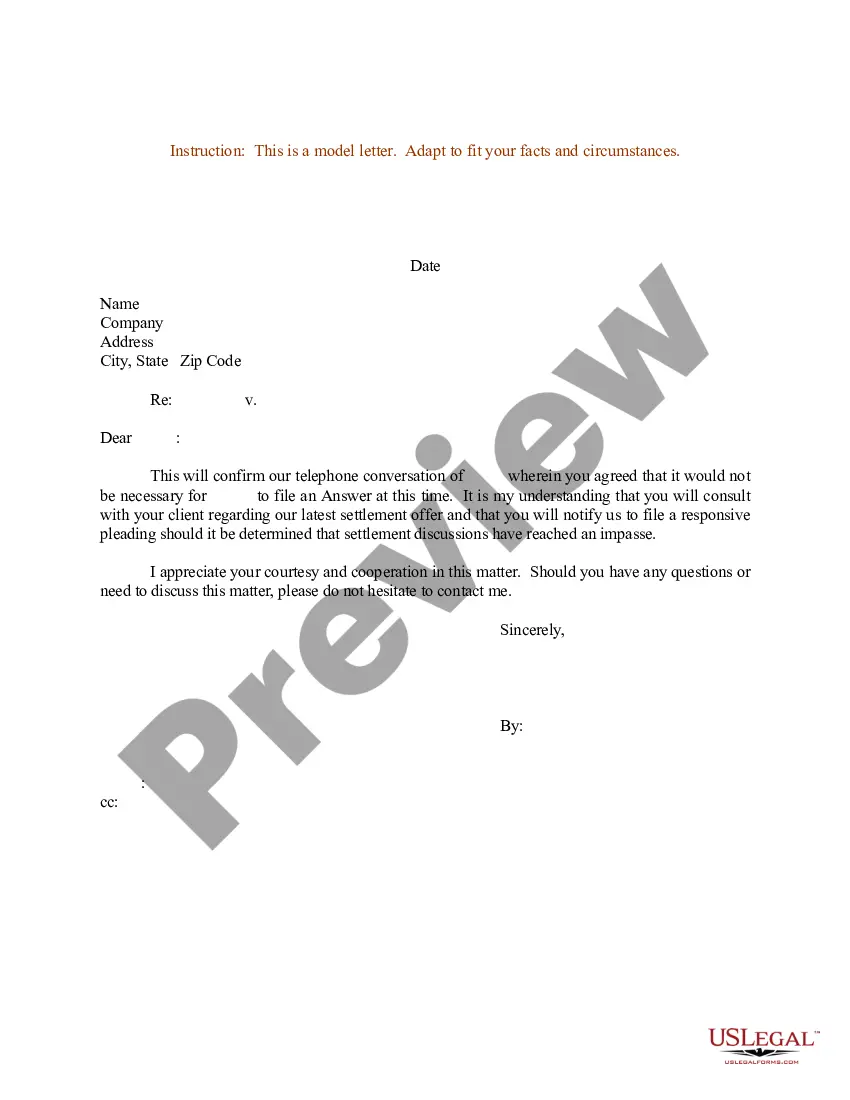
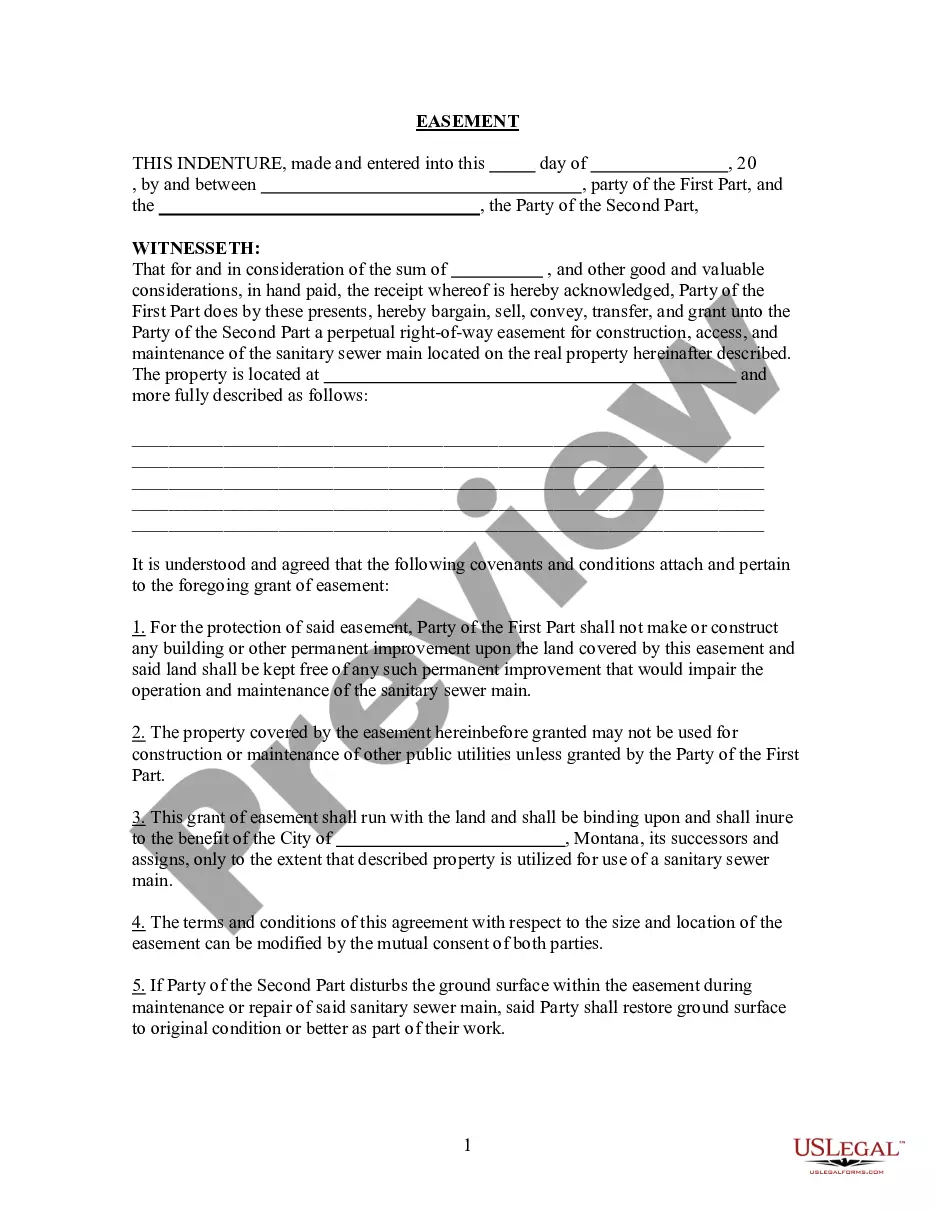
Get your form ready online
Our built-in tools help you complete, sign, share, and store your documents in one place.
Make edits, fill in missing information, and update formatting in US Legal Forms—just like you would in MS Word.
Download a copy, print it, send it by email, or mail it via USPS—whatever works best for your next step.
Sign and collect signatures with our SignNow integration. Send to multiple recipients, set reminders, and more. Go Premium to unlock E-Sign.
If this form requires notarization, complete it online through a secure video call—no need to meet a notary in person or wait for an appointment.
We protect your documents and personal data by following strict security and privacy standards.

Make edits, fill in missing information, and update formatting in US Legal Forms—just like you would in MS Word.

Download a copy, print it, send it by email, or mail it via USPS—whatever works best for your next step.

Sign and collect signatures with our SignNow integration. Send to multiple recipients, set reminders, and more. Go Premium to unlock E-Sign.

If this form requires notarization, complete it online through a secure video call—no need to meet a notary in person or wait for an appointment.

We protect your documents and personal data by following strict security and privacy standards.
Looking for another form?


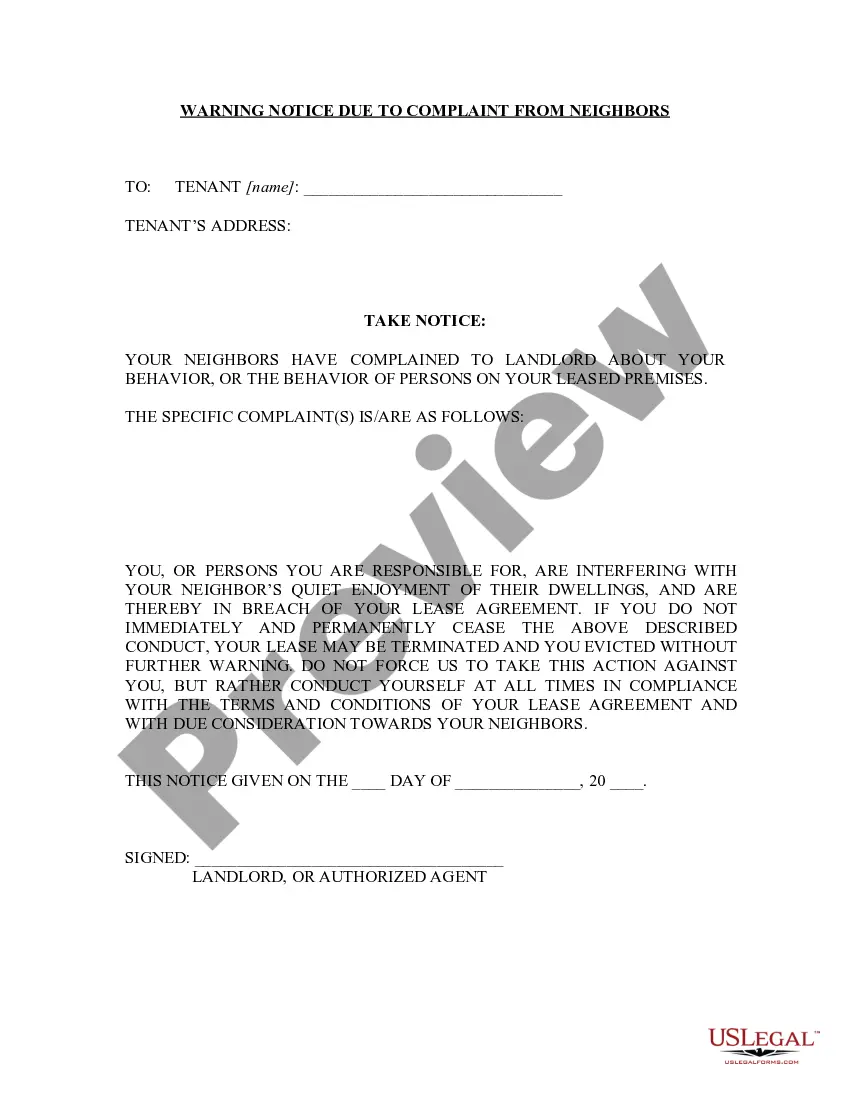
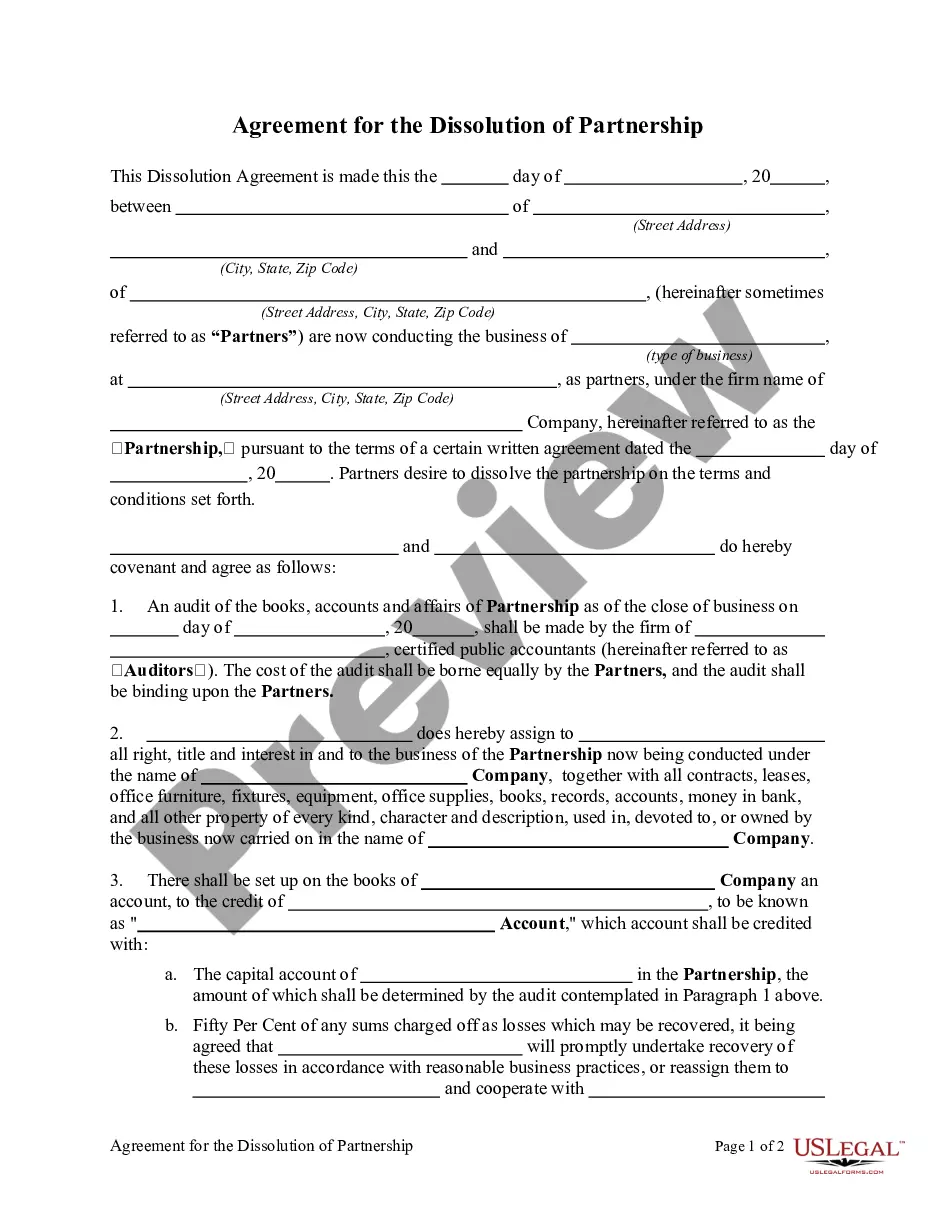





Form popularity
FAQ
The Role of the Court Depending on the claim's nature, a judge or another officer of the court might need to sign off on the settlement agreement. This underscores the importance of having an experienced personal injury attorney handle your case from start to finish.
It is generally a good idea to have a skilled attorney draft the settlement agreement, which will resolve your civil lawsuit.
A settlement agreement is always in writing, and both parties must agree to the provisions in the settlement agreement. Also, both parties must sign the settlement agreement for it to be legally binding. A settlement agreement will resolve a civil lawsuit.
Ing to ARCP Rule 16.1 and Maricopa County Local Rule 3.11, the Court has discretion to direct parties in any civil case to a settlement conference to facilitate settlement.
Settlement agreements are contracts. Although the law presumes that settlement agreements are valid, they generally are subject to contract defenses, including mistake, unconscionability, duress, undue influence, and fraud.
Under New York law, and in other US jurisdictions, settlement agreements are treated like any other contract. ingly to establish the existence of a settlement agreement, “a plaintiff must establish an offer, acceptance of the offer, consideration, mutual assent and an intent to be bound” (Kowalchuk v.
What Should Be Included in a Settlement Agreement? Identifying information for all involved parties. A description of the issue you're seeking to settle. An offer of resolutions that both parties agree to. Proof of valid consideration from both parties without coercion or duress. Legal purpose.
One potential con is that engaging in settlement negotiations may portray to the other side that you are not confident in your case. However, this is most often not a concern and the potential risk can be mitigated by a skilled attorney.
A settlement conference is a pre-trial meeting between parties with their attorneys (if parties are represented) and a judicial officer/judge pro tempore acting as a neutral facilitator, who evaluates the strengths and weaknesses of their case and assists them in reaching agreement.