Settlement Confirmation Letter With Final In Los Angeles
Description


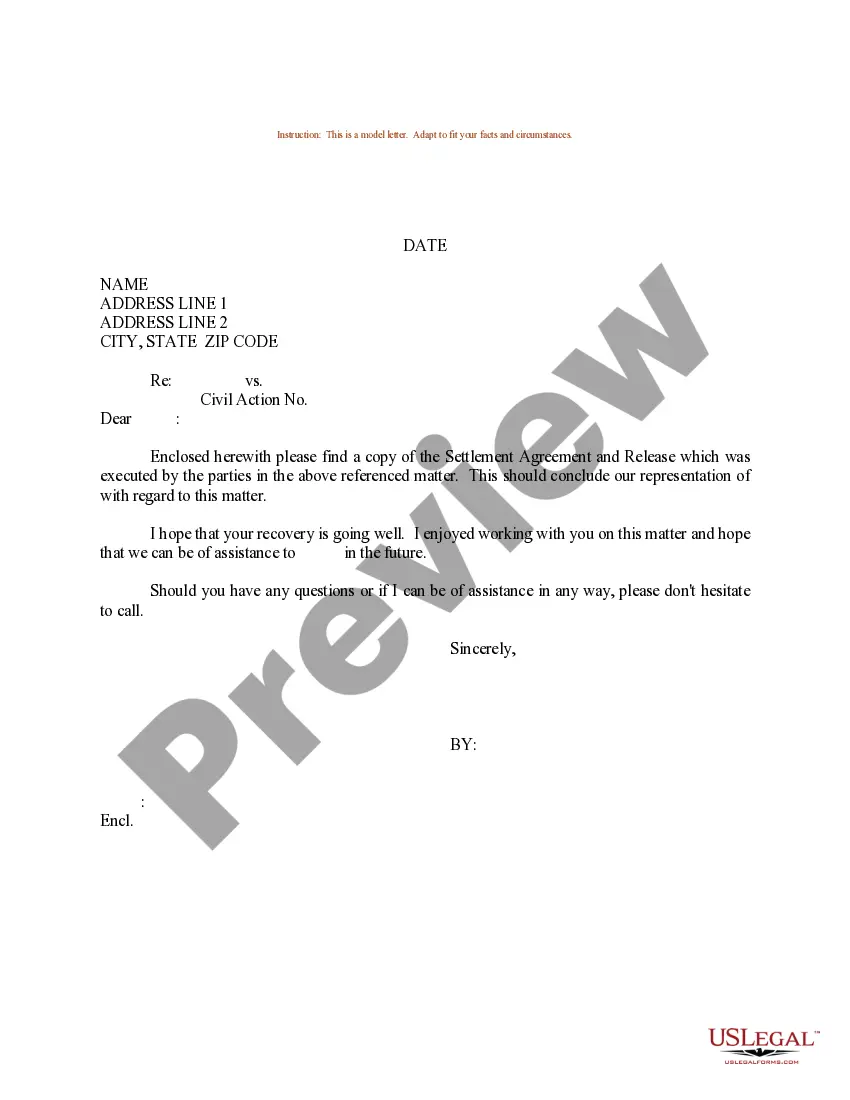
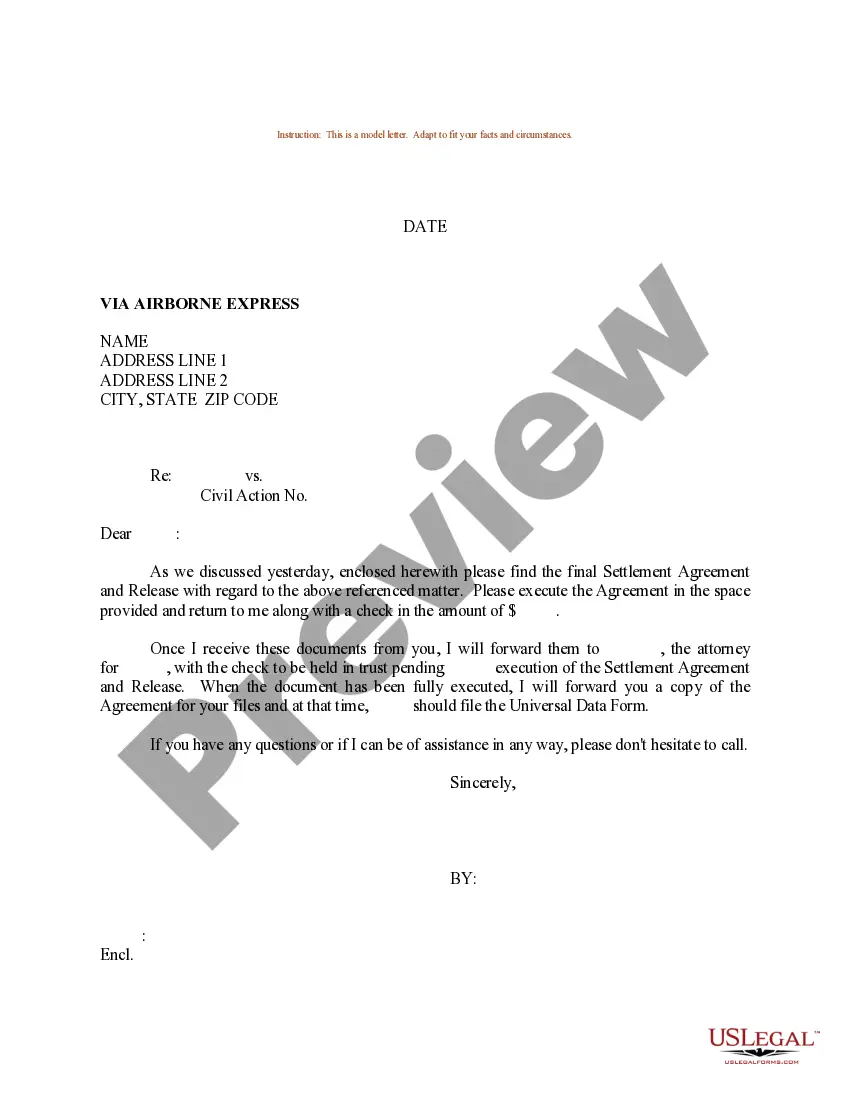
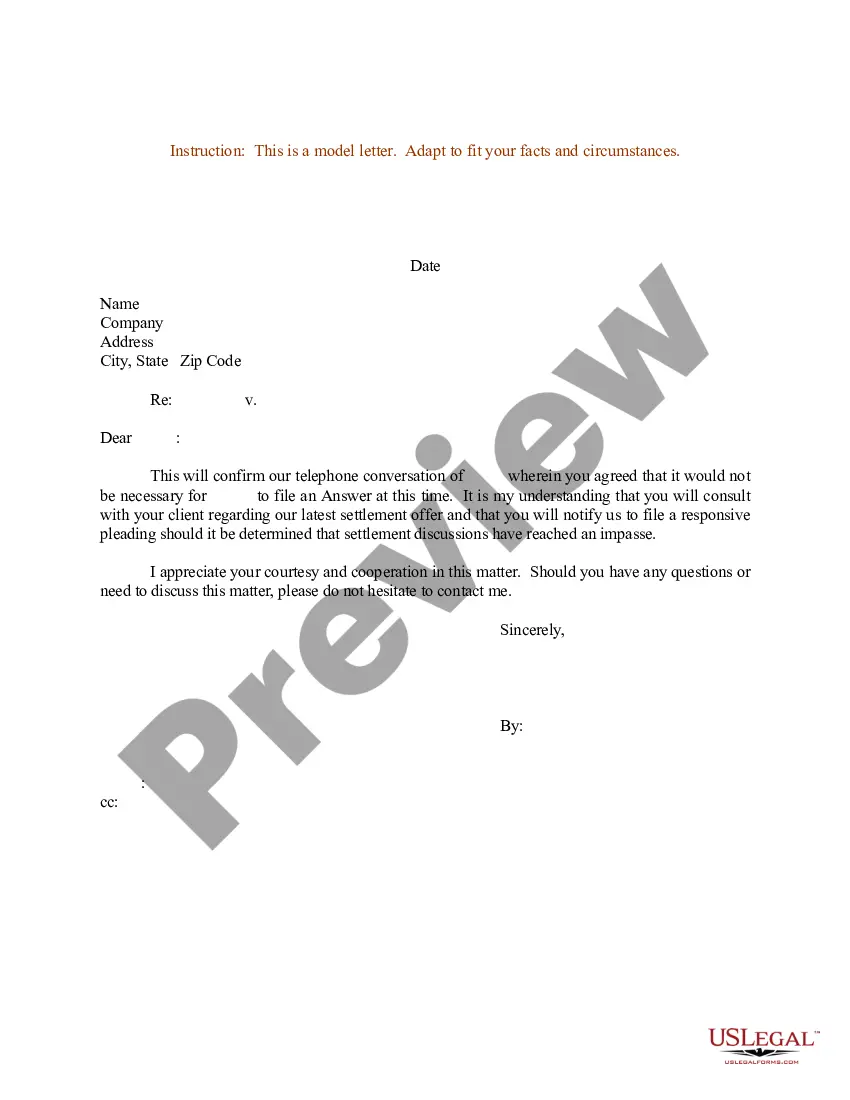
Get your form ready online
Our built-in tools help you complete, sign, share, and store your documents in one place.
Make edits, fill in missing information, and update formatting in US Legal Forms—just like you would in MS Word.
Download a copy, print it, send it by email, or mail it via USPS—whatever works best for your next step.
Sign and collect signatures with our SignNow integration. Send to multiple recipients, set reminders, and more. Go Premium to unlock E-Sign.
If this form requires notarization, complete it online through a secure video call—no need to meet a notary in person or wait for an appointment.
We protect your documents and personal data by following strict security and privacy standards.

Make edits, fill in missing information, and update formatting in US Legal Forms—just like you would in MS Word.

Download a copy, print it, send it by email, or mail it via USPS—whatever works best for your next step.

Sign and collect signatures with our SignNow integration. Send to multiple recipients, set reminders, and more. Go Premium to unlock E-Sign.

If this form requires notarization, complete it online through a secure video call—no need to meet a notary in person or wait for an appointment.

We protect your documents and personal data by following strict security and privacy standards.
Looking for another form?









Form popularity
FAQ
By Ambrosio Rodriguez | | Criminal Defense. A status conference in a California criminal case is a meeting to discuss the case's progress, exchange information, and explore plea deals. It's a key step in preparing for trial or resolving the case.
The judge will not dismiss the case at a status conference. That would require a motion to dismiss, or a motion for summary judgment, depending on the phase of the case.
A final status conference between the experts and the engaging attorney before trial provides the following benefits: The expert meets the other experts in the case. All of the experts review their findings together to ensure that their conclusions do not conflict.
Claims can be filed with the Office of the Los Angeles City Clerk or by mail with City's Claim for Damages Form. Upon successful online submission of your claim, you will receive a confirmation email. If you have trouble filing a claim online, call the Office of the Los Angeles City Clerk at 213-978-1133.
Often, courts will hold a final status conference shortly before a trial date, as a final effort to resolve the case without holding a trial.
If an entire case is settled or otherwise disposed of, each plaintiff or other party seeking affirmative relief must immediately file written notice of the settlement or other disposition with the court and serve the notice on all parties and any arbitrator or other court-connected alternative dispute resolution (ADR) ...
The Final Status Conference is an ideal time to discuss the need and length of Opening Statements, which can take up an inordinate amount of hearing time. Some attorneys want to be certain the arbitrator understands the issues and/or the evidence.
Final settlement often refers to a settlement agreement , which is an agreement to some resolution of the dispute and to stop future litigation . Final settlements differ depending on what the parties negotiate.
Motions to transfer venue may be brought on the grounds that the action was filed in the wrong court, or that the convenience of the witnesses and the ends of justice would be promoted by the change in venue. CCP § 396b; CCP § 397(c). If venue is improper, a court must grant an "improper court" motion. CCP § 396b.
Thus, once one felony in a case is transferred to superior court (meaning the case is now a criminal and not a juvenile matter), superior court also gains jurisdiction over all the charges related to the same transaction or single scheme.