Settlement Confirmation Letter Without Prejudice In Illinois
Description

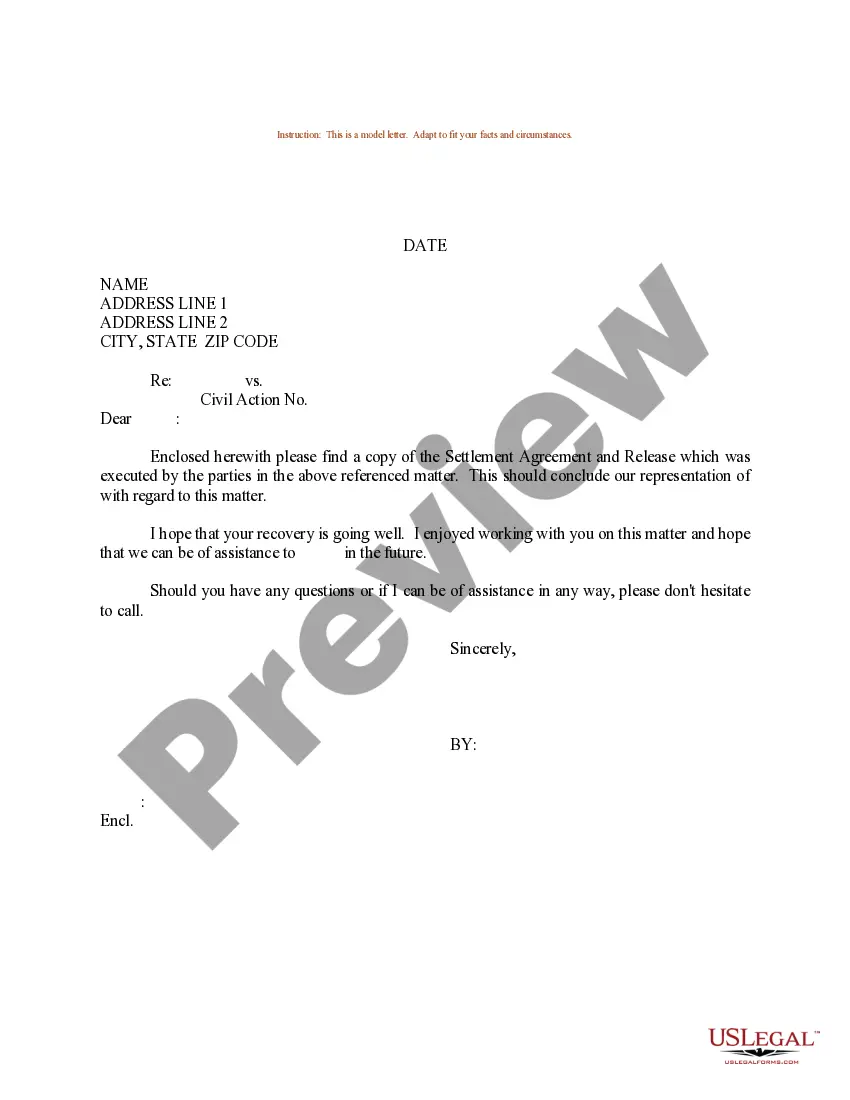
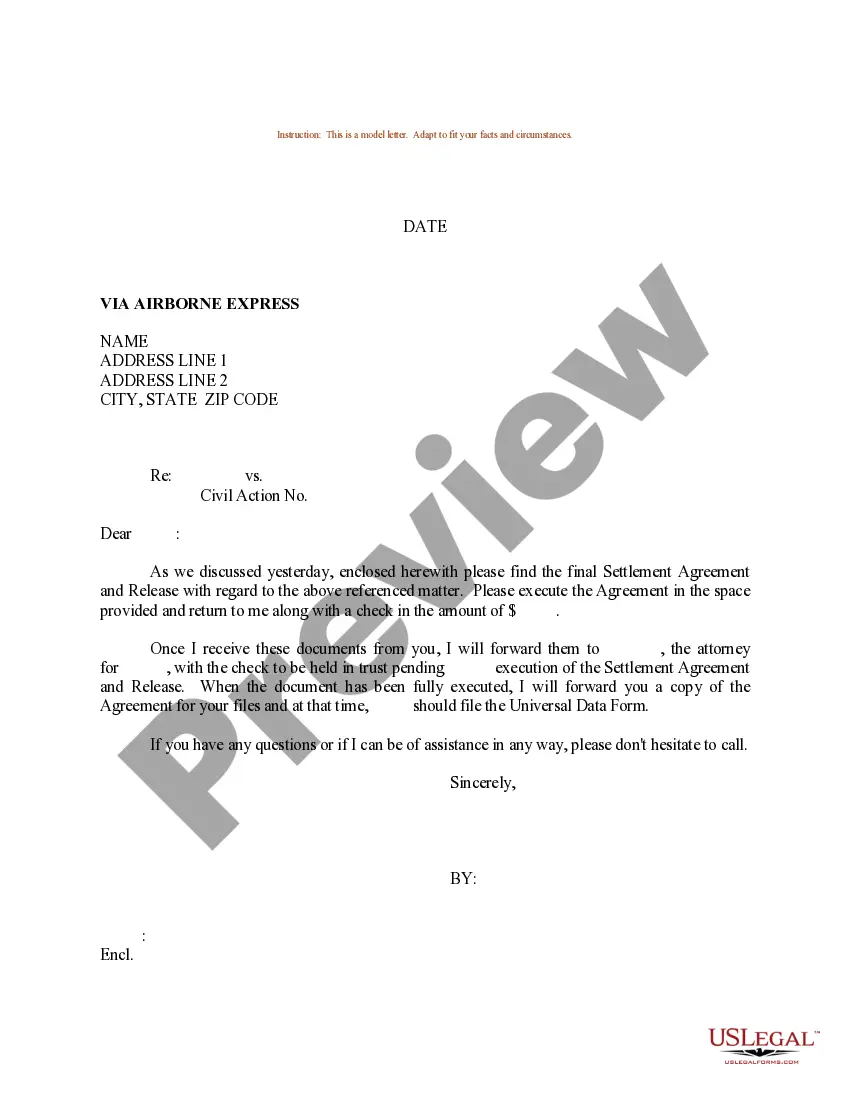
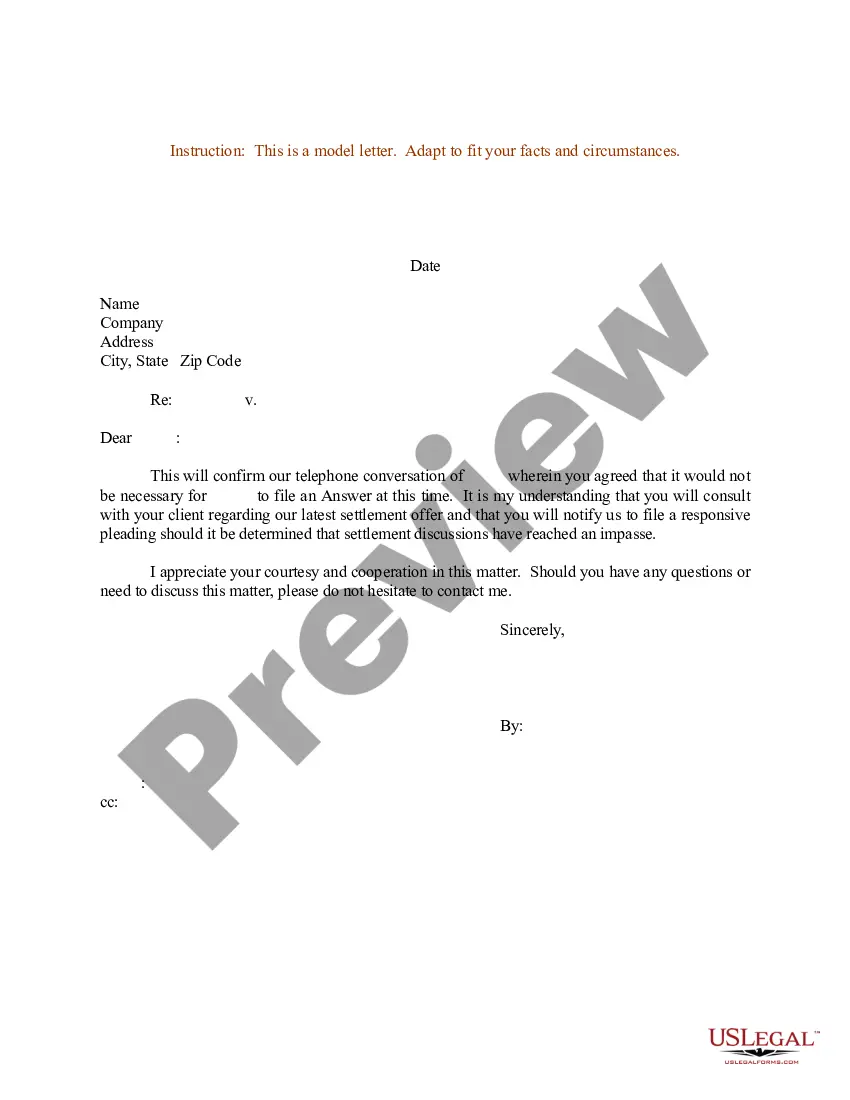
Get your form ready online
Our built-in tools help you complete, sign, share, and store your documents in one place.
Make edits, fill in missing information, and update formatting in US Legal Forms—just like you would in MS Word.
Download a copy, print it, send it by email, or mail it via USPS—whatever works best for your next step.
Sign and collect signatures with our SignNow integration. Send to multiple recipients, set reminders, and more. Go Premium to unlock E-Sign.
If this form requires notarization, complete it online through a secure video call—no need to meet a notary in person or wait for an appointment.
We protect your documents and personal data by following strict security and privacy standards.

Make edits, fill in missing information, and update formatting in US Legal Forms—just like you would in MS Word.

Download a copy, print it, send it by email, or mail it via USPS—whatever works best for your next step.

Sign and collect signatures with our SignNow integration. Send to multiple recipients, set reminders, and more. Go Premium to unlock E-Sign.

If this form requires notarization, complete it online through a secure video call—no need to meet a notary in person or wait for an appointment.

We protect your documents and personal data by following strict security and privacy standards.
Looking for another form?








Form popularity
FAQ
Without prejudice is commonly used in legal correspondence. It is engaged to enable parties to negotiate freely with a view to reaching settlement, without fear that what is said or written will be used against them later in court.
Communications marked as 'without prejudice' cannot be used by the other party as evidence in court. This means that parties can speak openly about the matters in dispute without the risk of the other party using that information against them later.
Communications marked as 'without prejudice' cannot be used by the other party as evidence in court. This means that parties can speak openly about the matters in dispute without the risk of the other party using that information against them later.
“Without prejudice” is a phrase used to evoke a legal privilege attached to written or verbal communication made by a party to a dispute in a genuine attempt to settle that dispute. It is a rule of evidence that parties can have 'without prejudice' discussions to try to settle a dispute out of court.
Whether or not dismissal is with or without prejudice is dependent upon whether or not the case has permanently ended without a chance of coming back to court or if it has only been removed from the docket, meaning that it could be re-filed if certain conditions have been met, and would be treated as if it had never ...
“Without Prejudice” means that you are sending a communication in an honest attempt to compromise a matter, in which you might make a concession (either expressly or implicitly) to the other side that cannot be later put into evidence in Court.
In your first without prejudice letter, be selective and keep some issues in reserve for the final negotiating stages. Try not to over-emphasise all the ways you think they've mistreated you. Instead stop and think if there is a way in which you can more subtly mention their behaviour.
§ 2-1009. Voluntary dismissal. (a) The plaintiff may, at any time before trial or hearing begins, upon notice to each party who has appeared or each such party's attorney, and upon payment of costs, dismiss his or her action or any part thereof as to any defendant, without prejudice, by order filed in the cause.
We asked for the motion to be withdrawn without prejudice to it being renewed at a future date. The judge will hear the petition without prejudice to any ruling of this court.
Related Content. The without prejudice (WP) rule will generally prevent statements made in a genuine attempt to settle an existing dispute, whether made in writing or orally, from being put before the court as evidence of admissions against the interests of the party which made them.