Confirmation Of Settlement Letter Without Prejudice In Illinois
Description

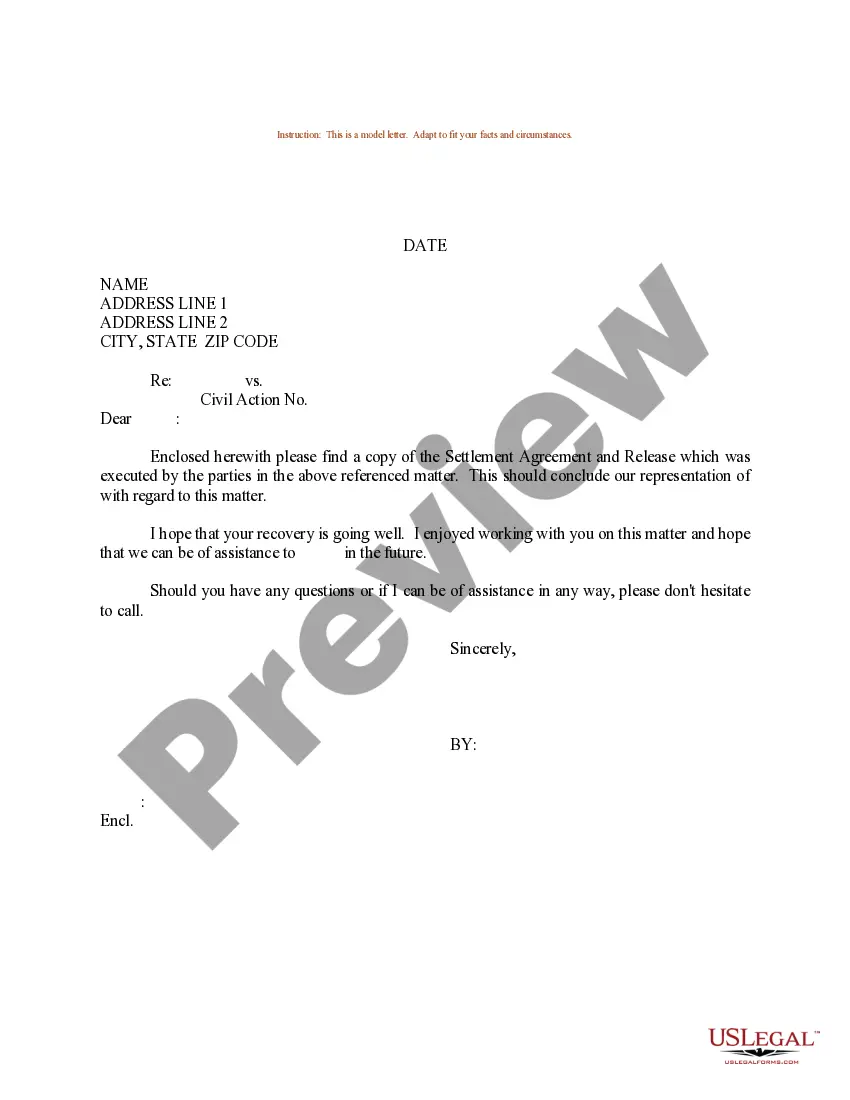
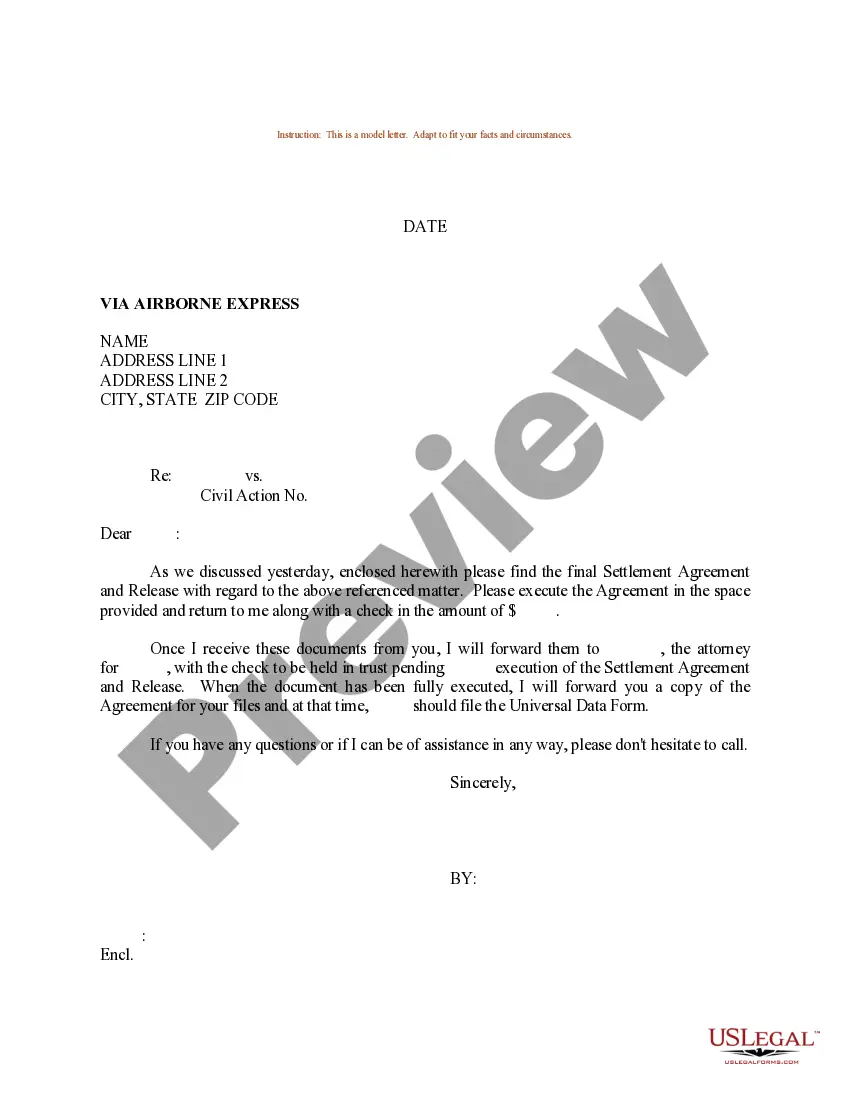
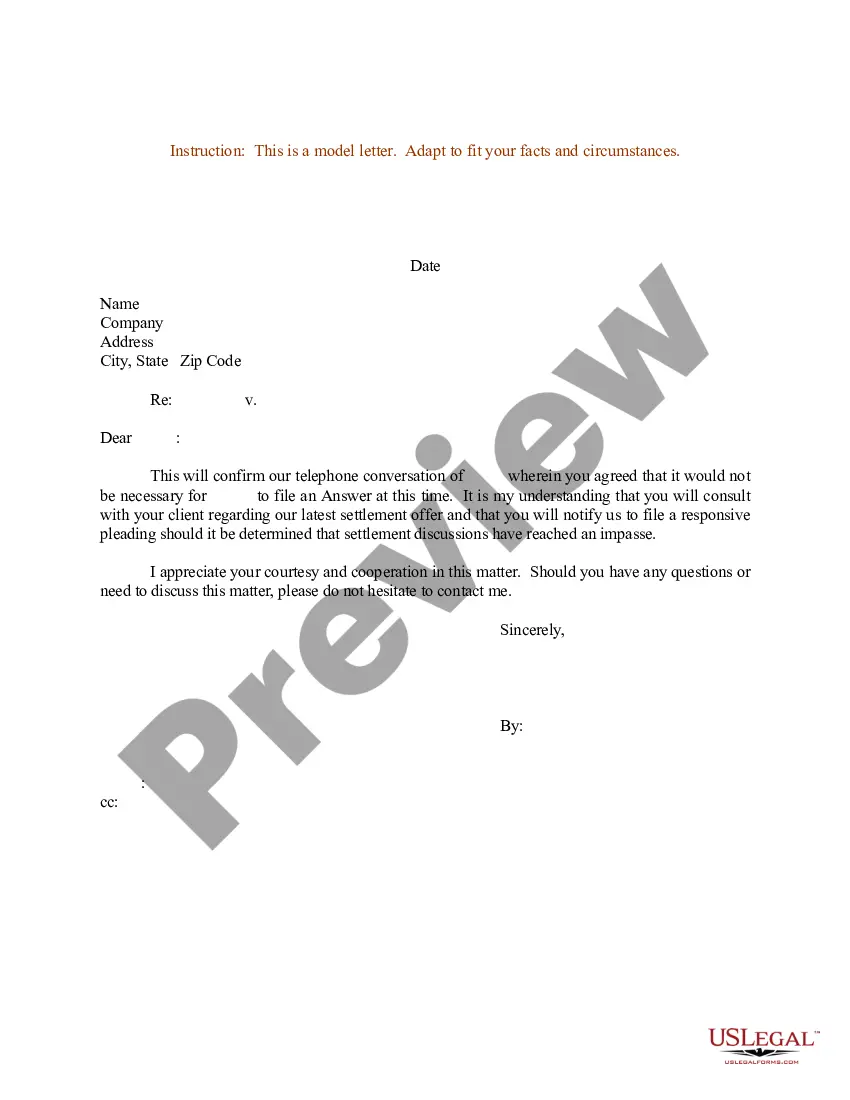
Get your form ready online
Our built-in tools help you complete, sign, share, and store your documents in one place.
Make edits, fill in missing information, and update formatting in US Legal Forms—just like you would in MS Word.
Download a copy, print it, send it by email, or mail it via USPS—whatever works best for your next step.
Sign and collect signatures with our SignNow integration. Send to multiple recipients, set reminders, and more. Go Premium to unlock E-Sign.
If this form requires notarization, complete it online through a secure video call—no need to meet a notary in person or wait for an appointment.
We protect your documents and personal data by following strict security and privacy standards.

Make edits, fill in missing information, and update formatting in US Legal Forms—just like you would in MS Word.

Download a copy, print it, send it by email, or mail it via USPS—whatever works best for your next step.

Sign and collect signatures with our SignNow integration. Send to multiple recipients, set reminders, and more. Go Premium to unlock E-Sign.

If this form requires notarization, complete it online through a secure video call—no need to meet a notary in person or wait for an appointment.

We protect your documents and personal data by following strict security and privacy standards.
Looking for another form?
Form popularity
FAQ
As in Flesner, the refiling provisions specified in section 13--217 clearly apply in the case at bar. Section 13--217 specifically provides that after taking a voluntary dismissal, a plaintiff may commence a new action within one year or within the remaining period of limitation, whichever is greater.
The purpose and intended effect of the words “without prejudice” is to prohibit a party from using the doctrine of res judicata (from the Latin, “a thing decided”) in any later actions on the subject matter.
The 'without prejudice' privilege means parties to a dispute can make concessions and promises without fear that their words will be used later in court.
The without prejudice (WP) rule will generally prevent statements made in a genuine attempt to settle an existing dispute, whether made in writing or orally, from being put before the court as evidence of admissions against the interests of the party which made them.
The WP rule is to encourage settlement discussions without parties weakening their position in the formal dispute. Basically, if this rule applies, people can speak and write openly without fear that what they are saying may be used against them in court or arbitration.
“Without Prejudice” means that you are sending a communication in an honest attempt to compromise a matter, in which you might make a concession (either expressly or implicitly) to the other side that cannot be later put into evidence in Court.
Dismissal without prejudice means that the judge dismissed the plaintiff's or prosecutor's case without damaging their right to have their matter heard in court later. A prosecutor may ask to withdraw the case against a person to have more time to make a case stronger, find more evidence or question other witnesses.
Whereas a case that is dismissed “with prejudice” is dismissed permanently, a case that is dismissed “without prejudice” is only dismissed temporarily. This temporary dismissal means that the plaintiff is allowed to re-file charges, alter the claim, or bring the case to another court.
In your first without prejudice letter, be selective and keep some issues in reserve for the final negotiating stages. Try not to over-emphasise all the ways you think they've mistreated you. Instead stop and think if there is a way in which you can more subtly mention their behaviour.