Settlement Confirmation Letter With Salary Requirements In Clark
Description


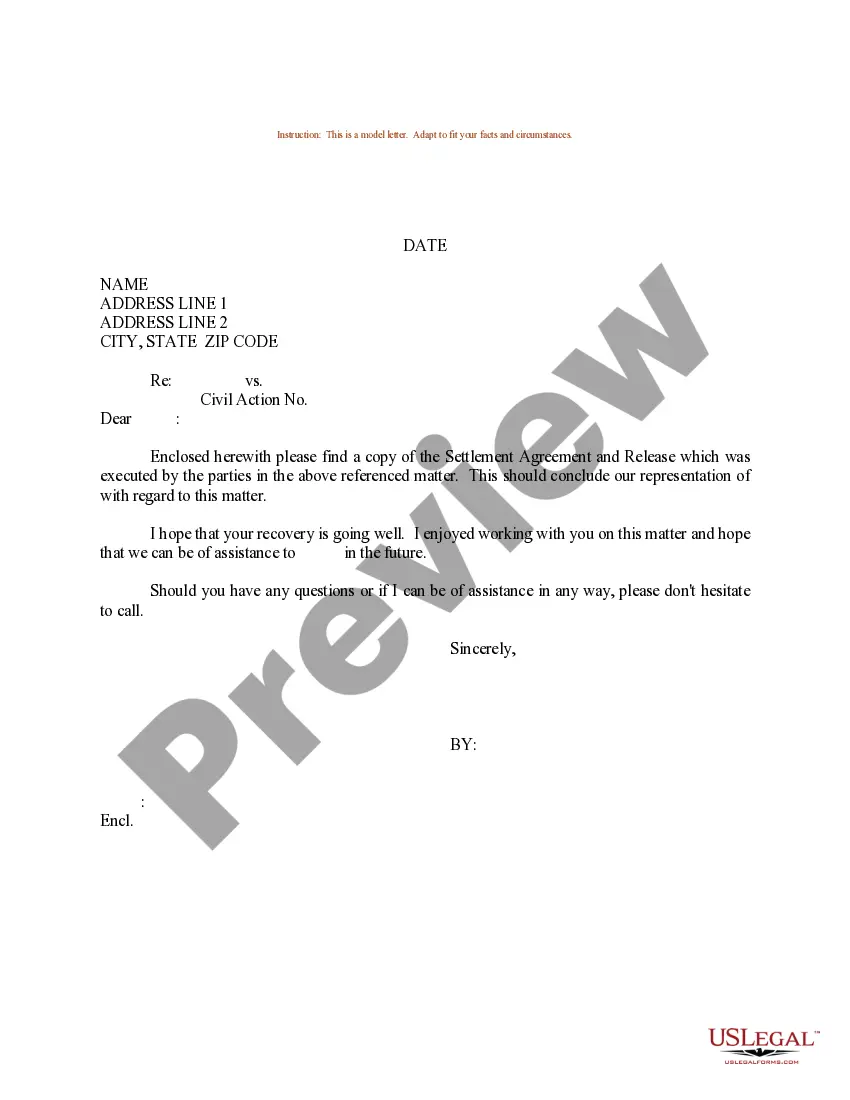
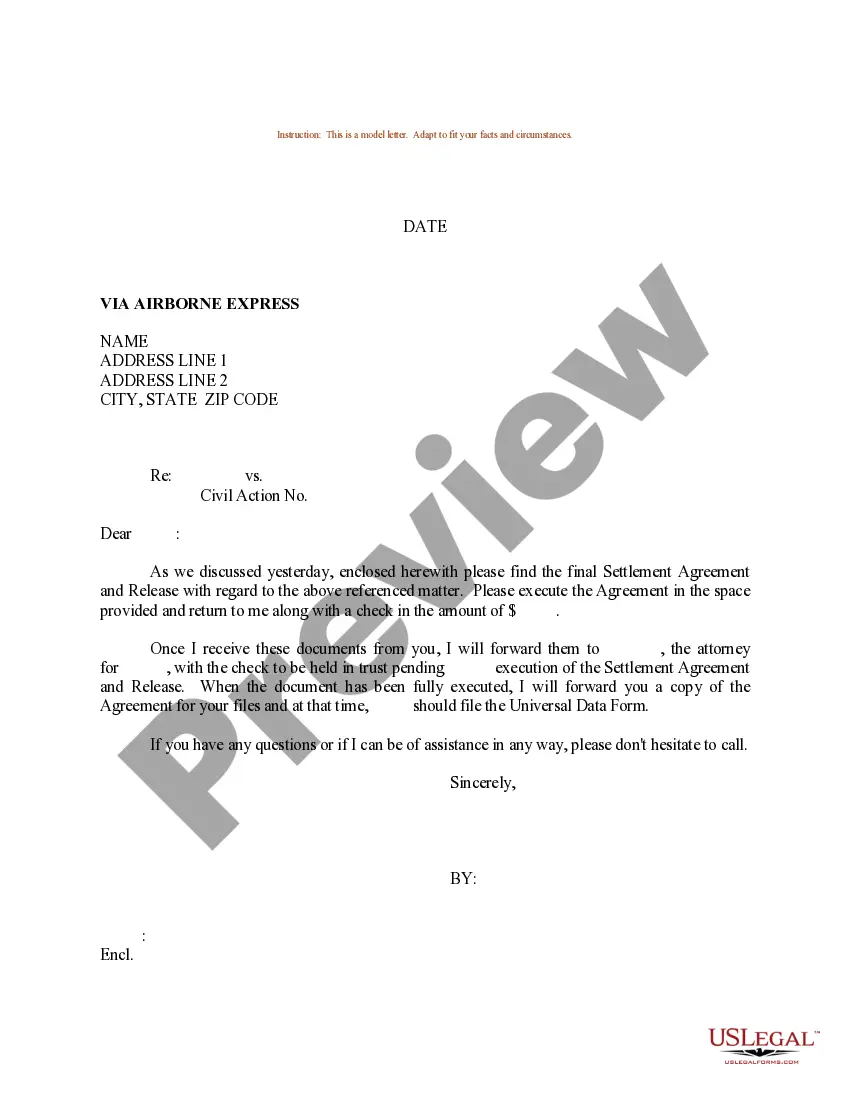
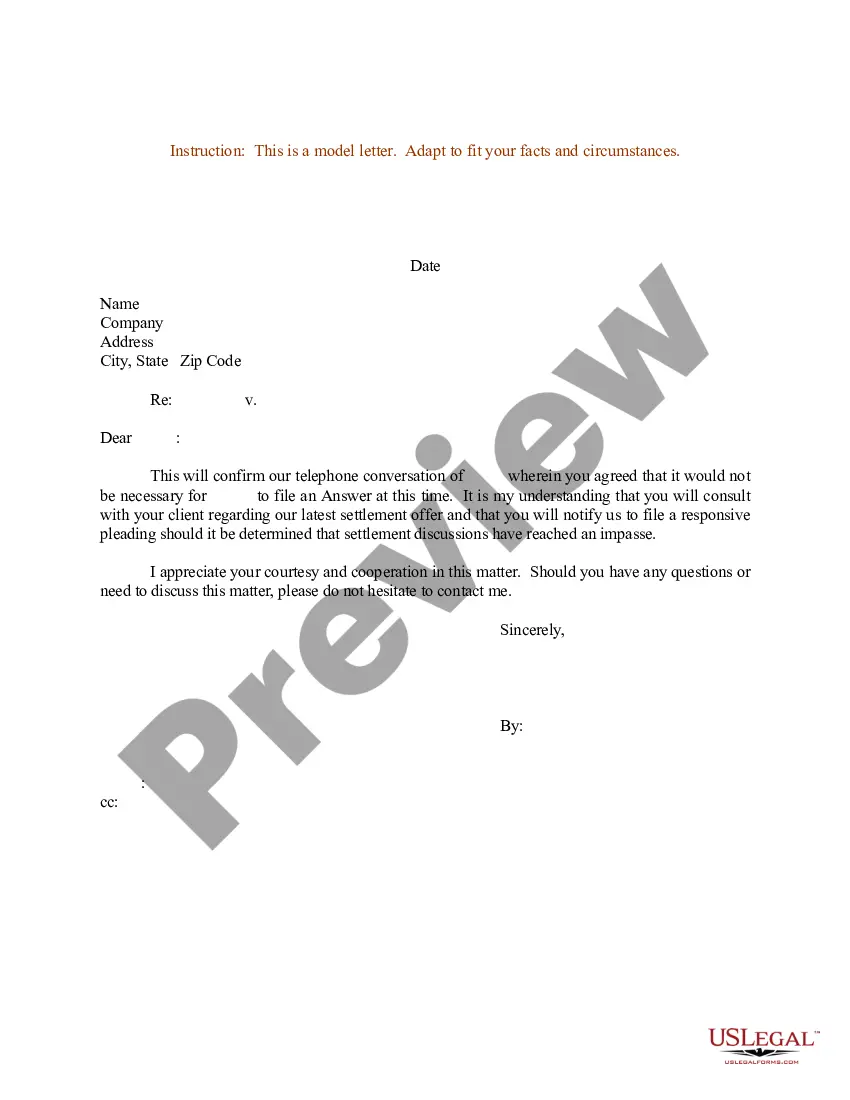
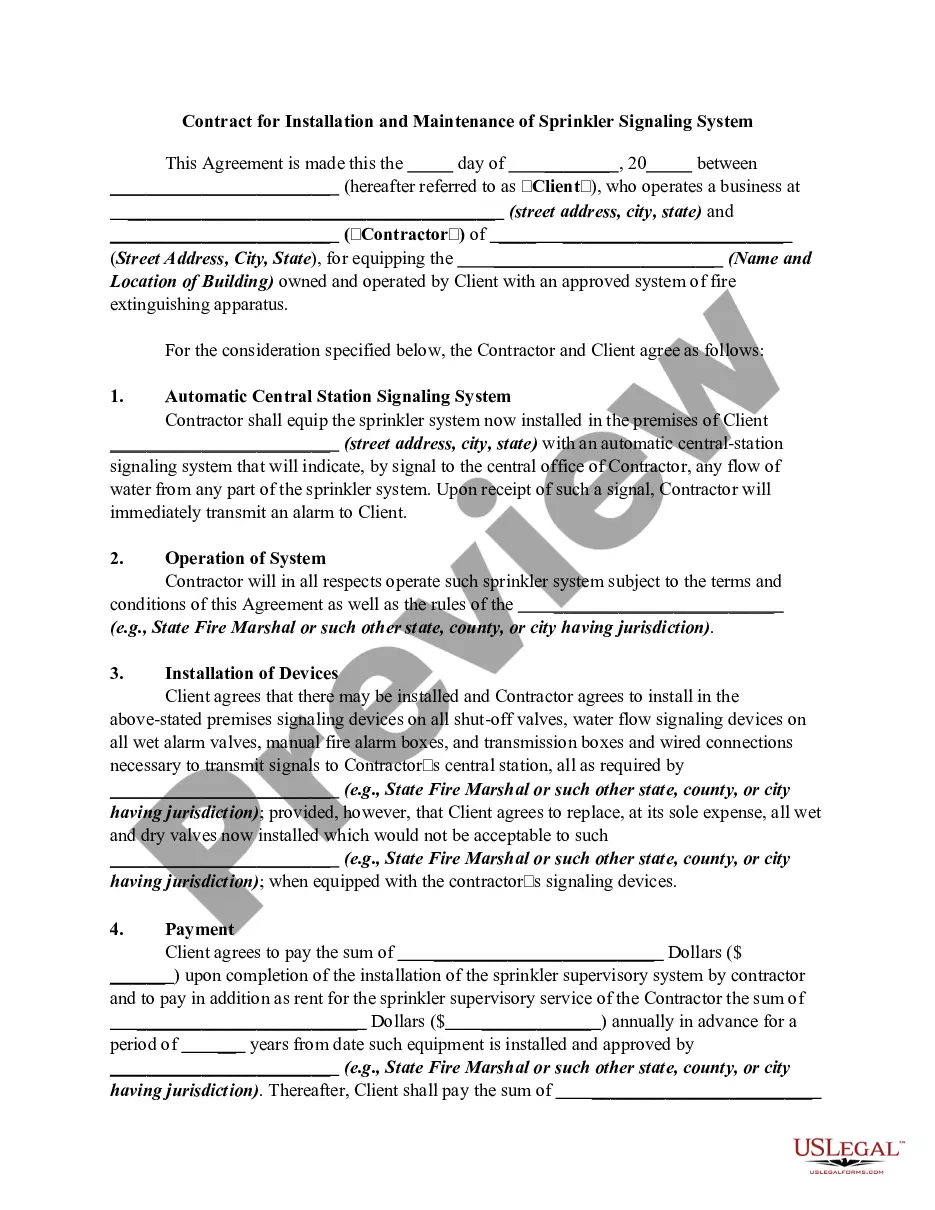
Get your form ready online
Our built-in tools help you complete, sign, share, and store your documents in one place.
Make edits, fill in missing information, and update formatting in US Legal Forms—just like you would in MS Word.
Download a copy, print it, send it by email, or mail it via USPS—whatever works best for your next step.
Sign and collect signatures with our SignNow integration. Send to multiple recipients, set reminders, and more. Go Premium to unlock E-Sign.
If this form requires notarization, complete it online through a secure video call—no need to meet a notary in person or wait for an appointment.
We protect your documents and personal data by following strict security and privacy standards.

Make edits, fill in missing information, and update formatting in US Legal Forms—just like you would in MS Word.

Download a copy, print it, send it by email, or mail it via USPS—whatever works best for your next step.

Sign and collect signatures with our SignNow integration. Send to multiple recipients, set reminders, and more. Go Premium to unlock E-Sign.

If this form requires notarization, complete it online through a secure video call—no need to meet a notary in person or wait for an appointment.

We protect your documents and personal data by following strict security and privacy standards.
Looking for another form?



Form popularity
FAQ
Tips on how to write an expected salary in a resume Research the average salary for your position and skill level. State your salary is negotiable. Emphasize your flexibility. Personalize your expectations for each job. Keep it short.
On the salary history page, you could include the past one, two, or three jobs you have held. List the jobs in reverse chronological order (with the most recent job at the top). For each job, list the company, job title, and salary (before taxes). You can list the salary as a range or a broad amount.
Salary requirements are typically discussed during or before an interview. In some cases, you may include salary requirements in your cover letter or resume, but you should only do this if it is requested by the employer in a job posting. Employers are legally allowed to ask for your salary requirements.
You can add salary requirements to your cover letter using "My salary expectation is flexible depending upon the overall compensation package and additional benefits such as opportunities for advancement.," or "Per your request, given my qualifications and achievements, my salary requirement is $60,000 (negotiable)."
Sample Answer: Considering my level of experience and the responsibilities associated with the position, I would anticipate a salary range of insert range. However, I am also interested in the overall compensation package, which includes benefits, bonuses, and opportunities for growth.
When you write your salary requirements, you should include a range and not a specific sum. For instance, if you would like to make $35,000, then you should state that your salary requirements are between $30,000 and $40,000, rather than $35,000. This way, there is an opportunity to negotiate.
You can add salary requirements to your cover letter using "My salary expectation is flexible depending upon the overall compensation package and additional benefits such as opportunities for advancement.," or "Per your request, given my qualifications and achievements, my salary requirement is $60,000 (negotiable)."
A confirmation letter includes the salary, joining date, confirmation date, designation and job description of an employee. Later, if the employee moves to another company this letter acts as proof of the position n salary he held in his previous job.
I am writing this letter to state that on _ (Day) i.e. (Date), I got relieved from your _ (Company/ Organization) but my full and final settlement has not been done. I request you to kindly do the full and final settlement and send me all dues (if any).