Confirmation Letter Format For School Teachers In California
Description

Get your form ready online
Our built-in tools help you complete, sign, share, and store your documents in one place.
Make edits, fill in missing information, and update formatting in US Legal Forms—just like you would in MS Word.
Download a copy, print it, send it by email, or mail it via USPS—whatever works best for your next step.
Sign and collect signatures with our SignNow integration. Send to multiple recipients, set reminders, and more. Go Premium to unlock E-Sign.
If this form requires notarization, complete it online through a secure video call—no need to meet a notary in person or wait for an appointment.
We protect your documents and personal data by following strict security and privacy standards.

Make edits, fill in missing information, and update formatting in US Legal Forms—just like you would in MS Word.

Download a copy, print it, send it by email, or mail it via USPS—whatever works best for your next step.

Sign and collect signatures with our SignNow integration. Send to multiple recipients, set reminders, and more. Go Premium to unlock E-Sign.

If this form requires notarization, complete it online through a secure video call—no need to meet a notary in person or wait for an appointment.

We protect your documents and personal data by following strict security and privacy standards.
Looking for another form?





Form popularity
FAQ
Since Catholic schools are private (meaning they are not funded by their state), the professional teaching requirements will vary by school, state, or geographic area. All 50 states in the U.S. require public school teachers to hold a teaching license, preferably specific to the state in which they teach.
All candidates working towards a multiple or a single subject credential in the state of California must complete 600 hours of fieldwork over two semesters while enrolled in a credential program. Student teachers are required to spend five instructional hours per day, four days per week in their placement.
While we do not require all of our teachers to be Catholic, we do require that those who teach religion are Catholic.
In California, teachers are not required to possess certification in order to be qualified to teach at a private school. However, private schools may request information from the California Commission on Teacher Credentialing about the competency of any applicants or existing instructors.
However, not all private schools require their teachers to hold a license or certification; this makes Catholic teaching positions ideal for educators who wish to pursue alternative routes to teaching. Be sure to research the requirements in your state.
To teach here, you must have New York State teacher certification. The good news is, there are many different pathways to becoming NY-State certified.
Minimum requirements for private school teachers vary by state, but most states mandate that teachers have at least a bachelor's degree in the subject area in which they wish to teach. Catholic school teachers who intend to teach theology are often required to hold a graduate degree in Roman Catholic theology.
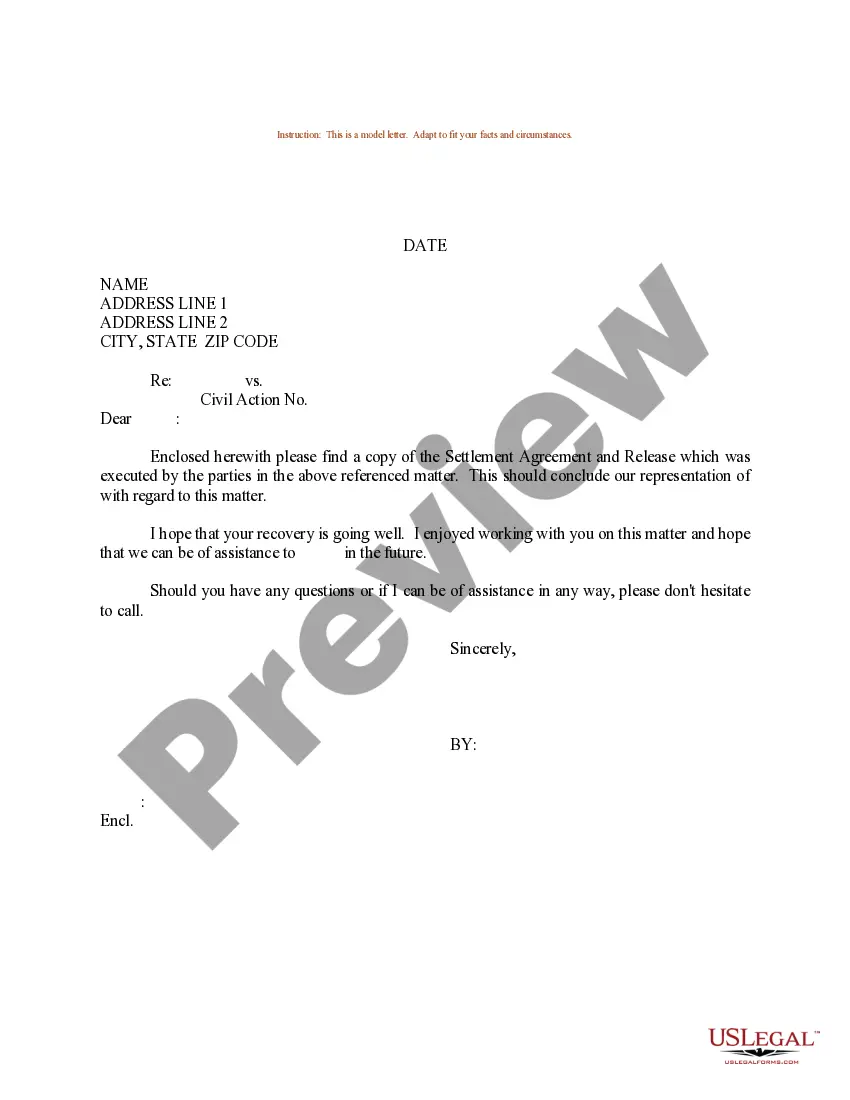
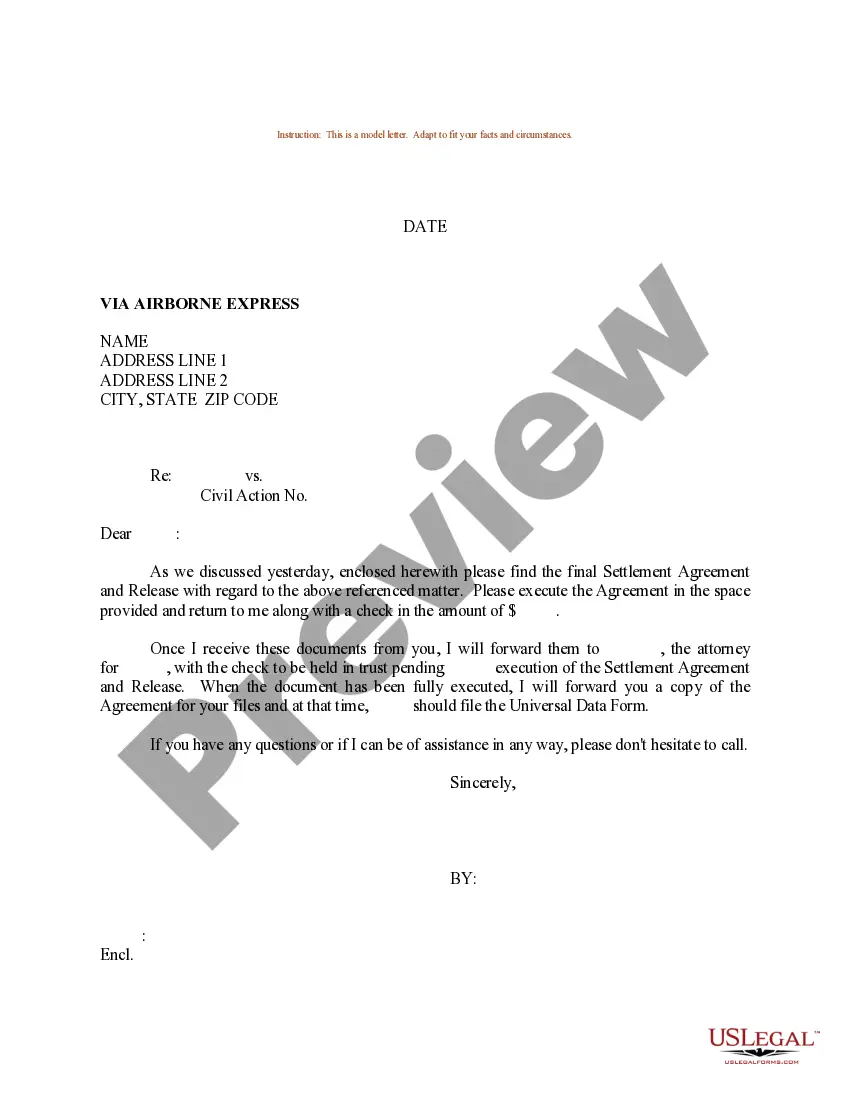
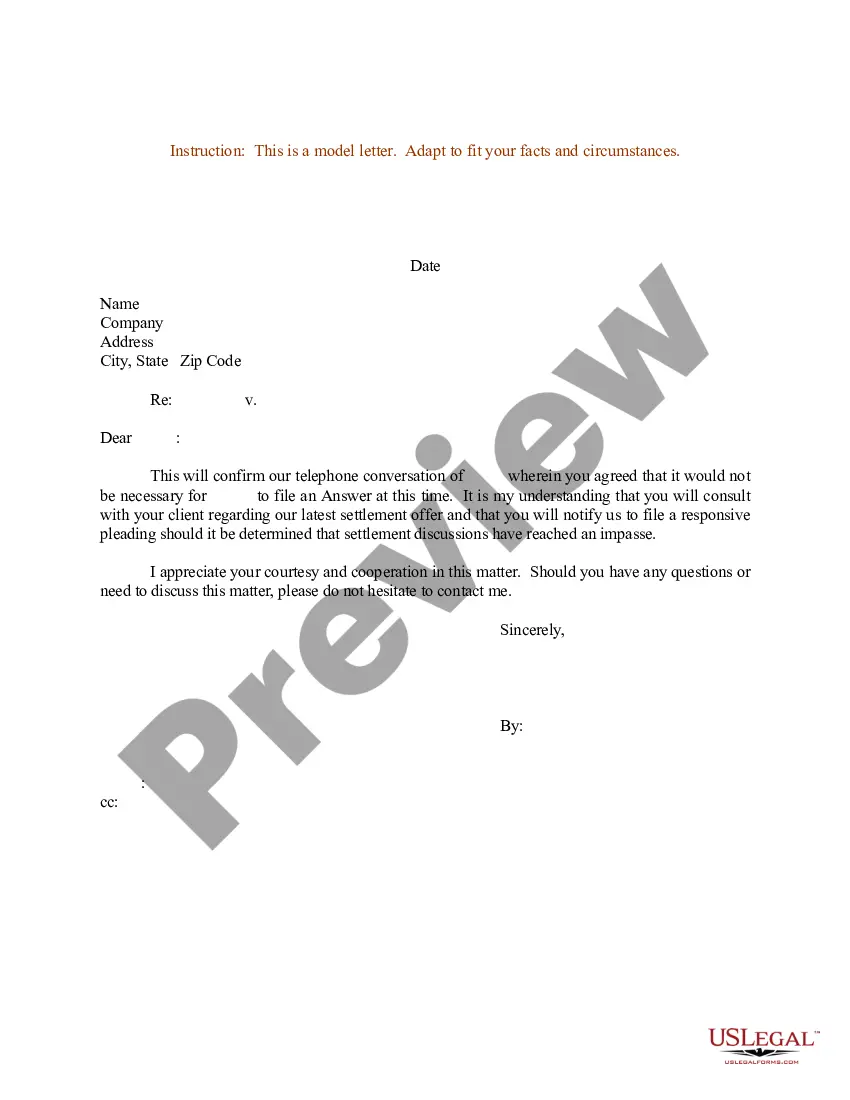
If you need to write a confirmation letter, here are five helpful steps you can use to write your own: Include a letter header. Start with an explanation. Add detailed information. Highlight attachments. End with a supportive statement.
Use formal language such as "Dear Mr./Ms./Mrs." Step 2: Start the letter by stating the purpose of the letter. For instance, if you are writing to confirm an appointment, mention that in the opening sentence. Step 3: Provide details of the agreement or transaction.
Clearly state the details of the agreement or arrangement being confirmed. Include relevant dates, times, and locations. Provide contact information in case the recipient has any questions or concerns. End the letter with a formal closing and your name and signature.