Termination Without Severance Pay In Wayne
Description

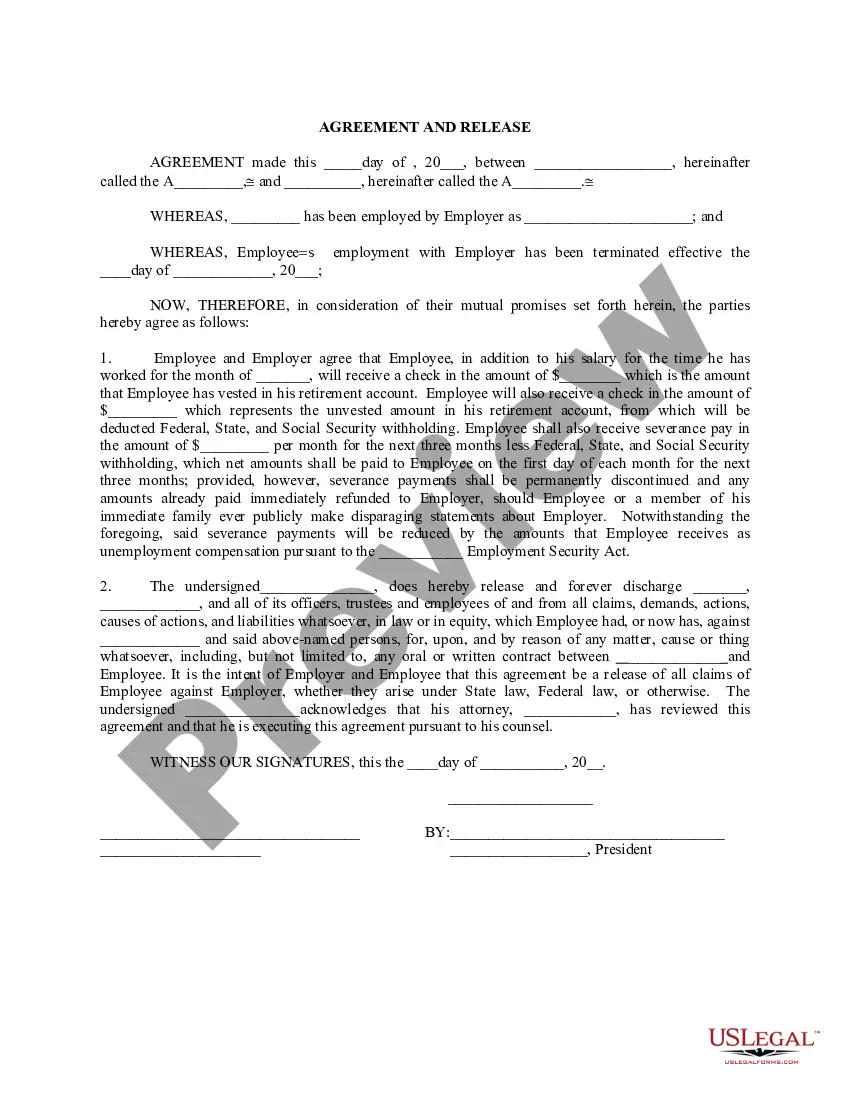
Get your form ready online
Our built-in tools help you complete, sign, share, and store your documents in one place.
Make edits, fill in missing information, and update formatting in US Legal Forms—just like you would in MS Word.
Download a copy, print it, send it by email, or mail it via USPS—whatever works best for your next step.
Sign and collect signatures with our SignNow integration. Send to multiple recipients, set reminders, and more. Go Premium to unlock E-Sign.
If this form requires notarization, complete it online through a secure video call—no need to meet a notary in person or wait for an appointment.
We protect your documents and personal data by following strict security and privacy standards.

Make edits, fill in missing information, and update formatting in US Legal Forms—just like you would in MS Word.

Download a copy, print it, send it by email, or mail it via USPS—whatever works best for your next step.

Sign and collect signatures with our SignNow integration. Send to multiple recipients, set reminders, and more. Go Premium to unlock E-Sign.

If this form requires notarization, complete it online through a secure video call—no need to meet a notary in person or wait for an appointment.

We protect your documents and personal data by following strict security and privacy standards.
Looking for another form?
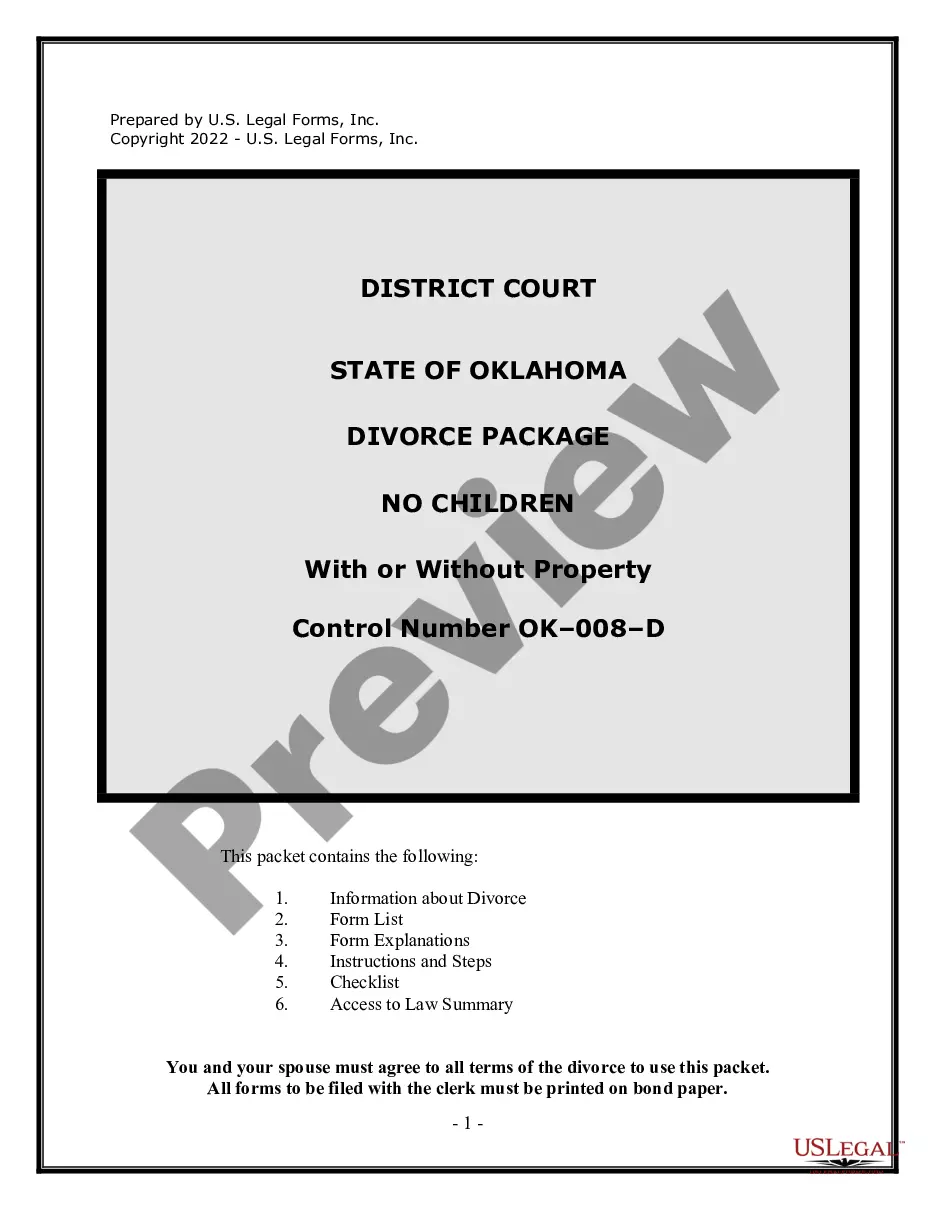






Form popularity
FAQ
In Brazil, employments are at will, meaning that any party may terminate the employment agreement without cause upon the mandatory prior notice and payment of the severance. It is not necessary to mention any reason for termination, except if it is a termination with cause.
Let's break it down with some definitions, as they pertain to U.S. employers: At-Will Employment. Voluntary Terminations. Mutual Termination of Employment. Involuntary Termination.
What is the downside to severance? The downside to severance includes financial drawbacks such as loss of steady income, potential loss of benefits, and uncertainty about future job prospects, as well as the impact on retirement savings and benefits.
Comment: A termination without cause provision (also called a “termination for convenience” clause) permits one or both parties to terminate the agreement at any time after an initial contracting period.
Most termination clauses are an agreement between the employer and the employee that in the event the employer elects to dismiss the employee without cause, the employee will only receive what they are entitled to under the Employment Standards Code.
Experts advise informing the terminated employee face to face. The conversation should be brief and factual, with no suggestion of any opportunity to revisit your decision. Explain the employee's next steps with regard to the final paycheck, benefits, and collecting personal belongings – and then say goodbye.
Grounds for Termination In Brazil, employments are at will, meaning that any party may terminate the employment agreement without cause upon the mandatory prior notice and payment of the severance. It is not necessary to mention any reason for termination, except if it is a termination with cause.