Severance Agreement Form Without Severance In Washington
Description

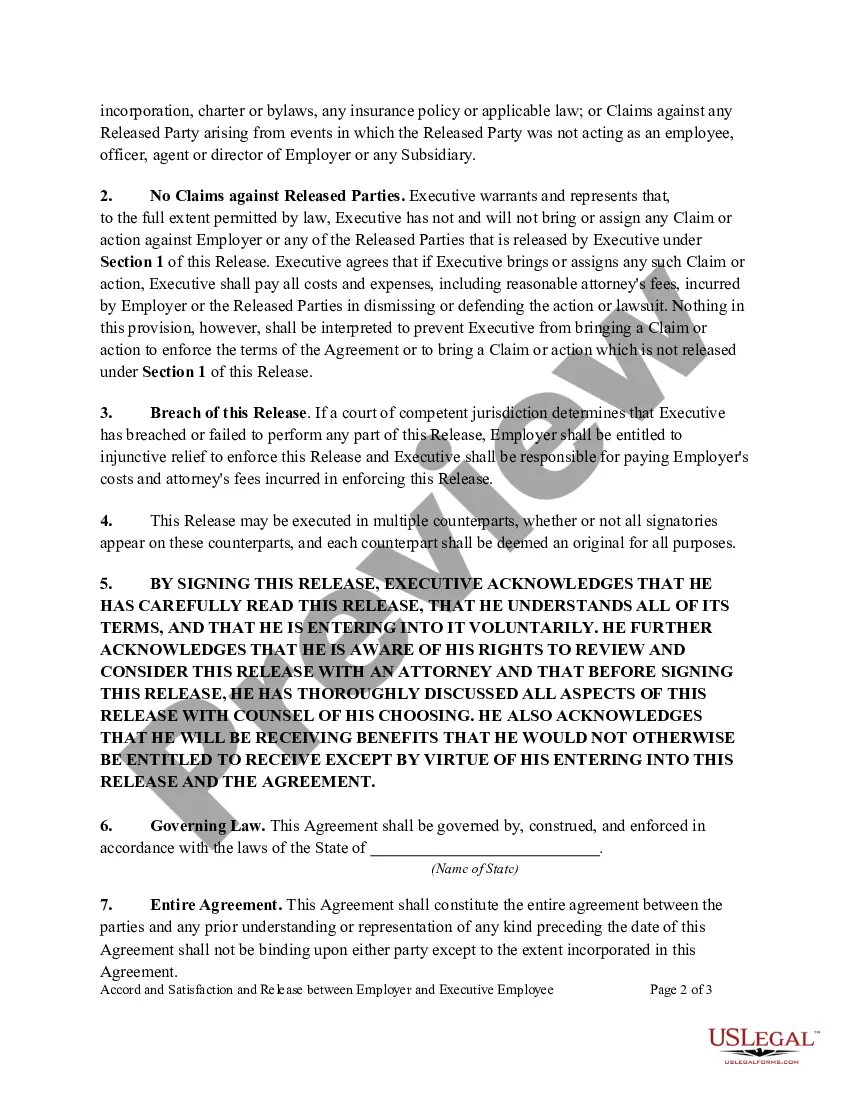
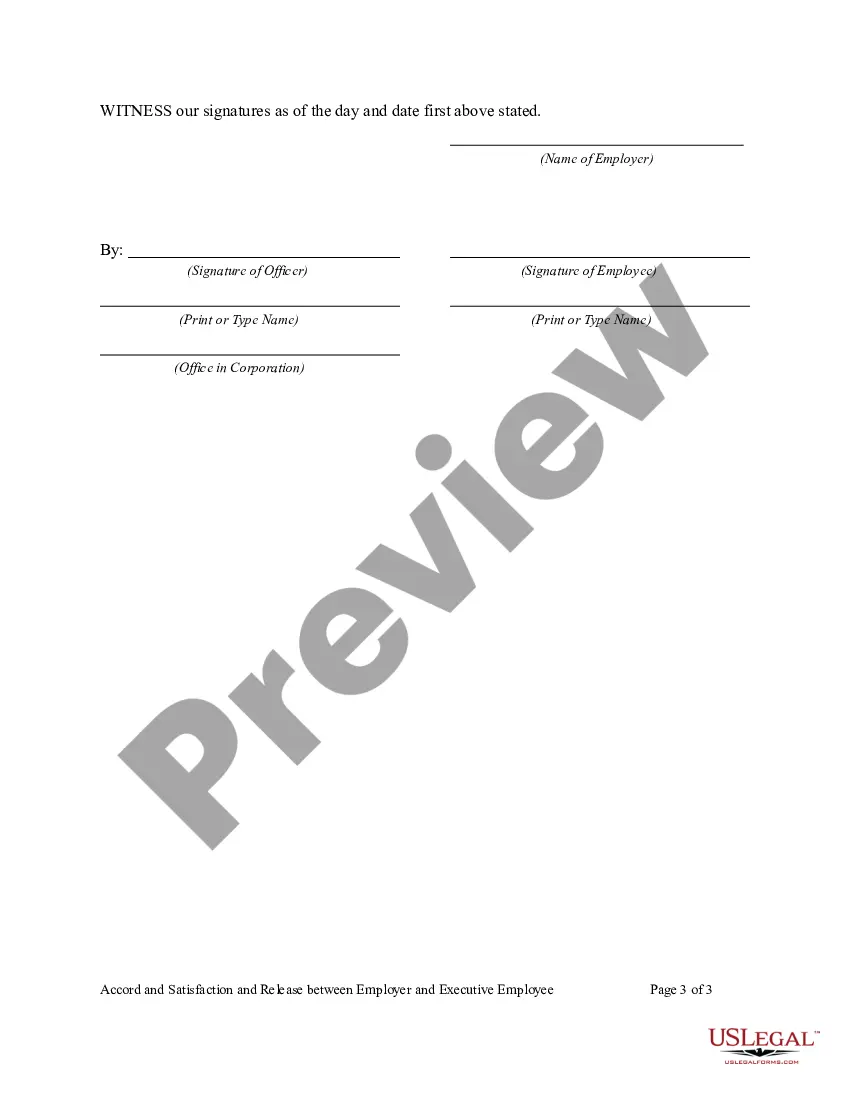
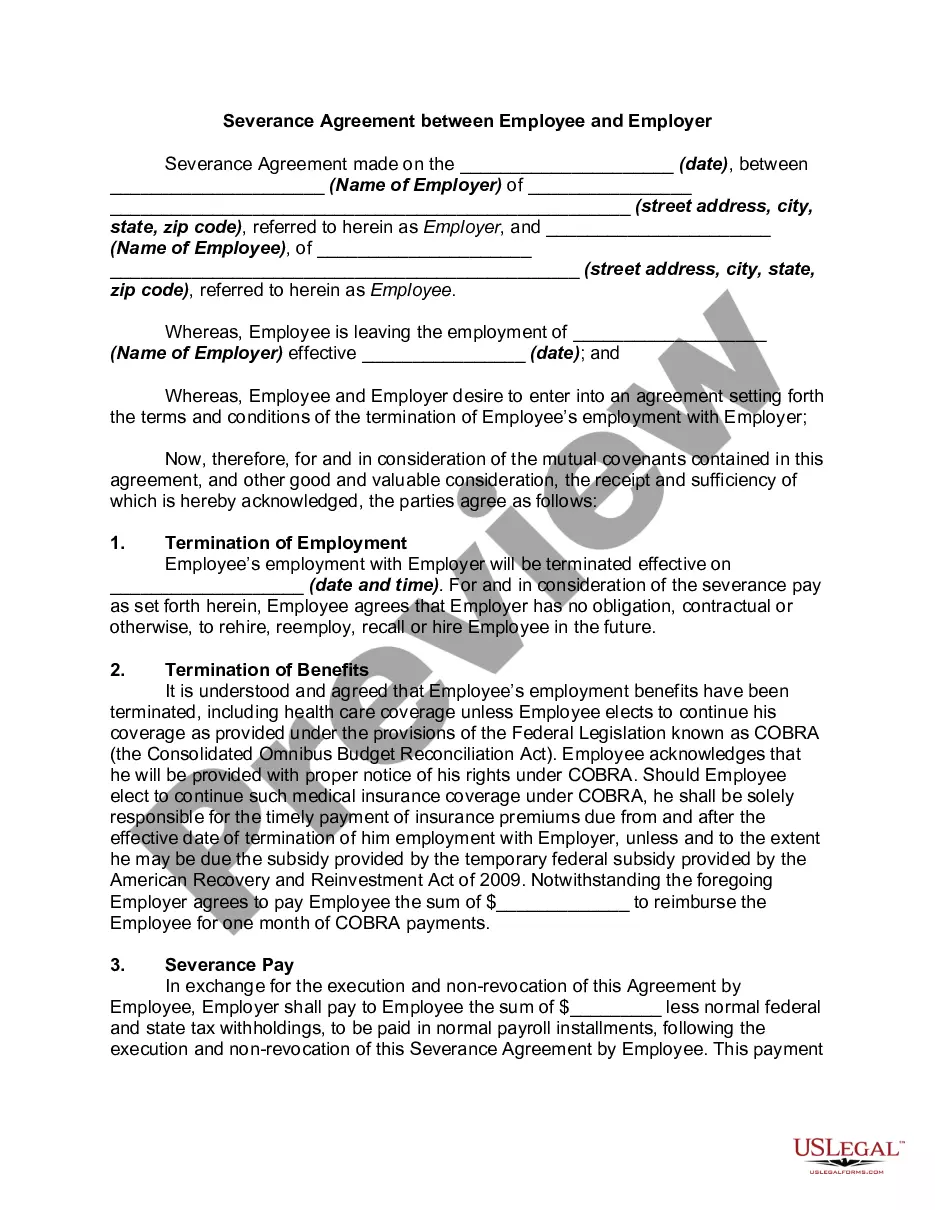
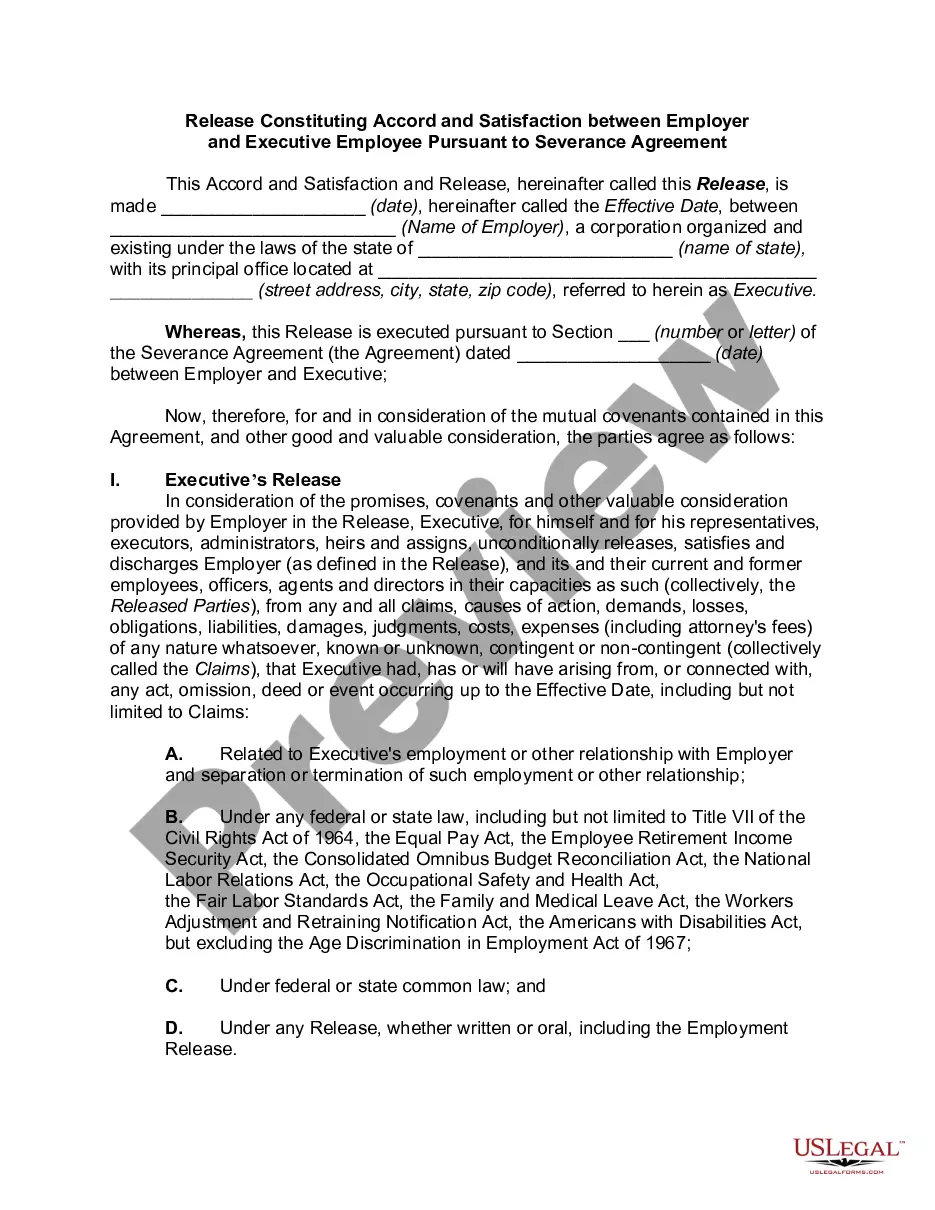
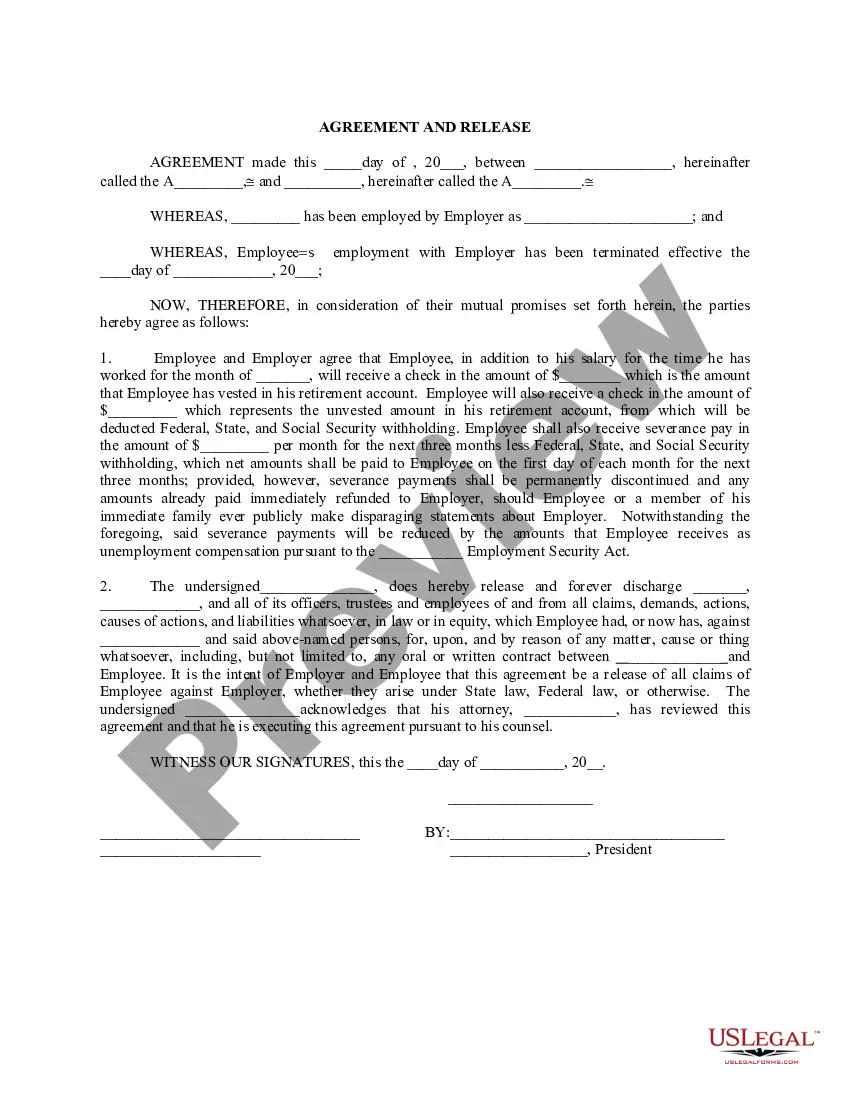
Get your form ready online
Our built-in tools help you complete, sign, share, and store your documents in one place.
Make edits, fill in missing information, and update formatting in US Legal Forms—just like you would in MS Word.
Download a copy, print it, send it by email, or mail it via USPS—whatever works best for your next step.
Sign and collect signatures with our SignNow integration. Send to multiple recipients, set reminders, and more. Go Premium to unlock E-Sign.
If this form requires notarization, complete it online through a secure video call—no need to meet a notary in person or wait for an appointment.
We protect your documents and personal data by following strict security and privacy standards.

Make edits, fill in missing information, and update formatting in US Legal Forms—just like you would in MS Word.

Download a copy, print it, send it by email, or mail it via USPS—whatever works best for your next step.

Sign and collect signatures with our SignNow integration. Send to multiple recipients, set reminders, and more. Go Premium to unlock E-Sign.

If this form requires notarization, complete it online through a secure video call—no need to meet a notary in person or wait for an appointment.

We protect your documents and personal data by following strict security and privacy standards.
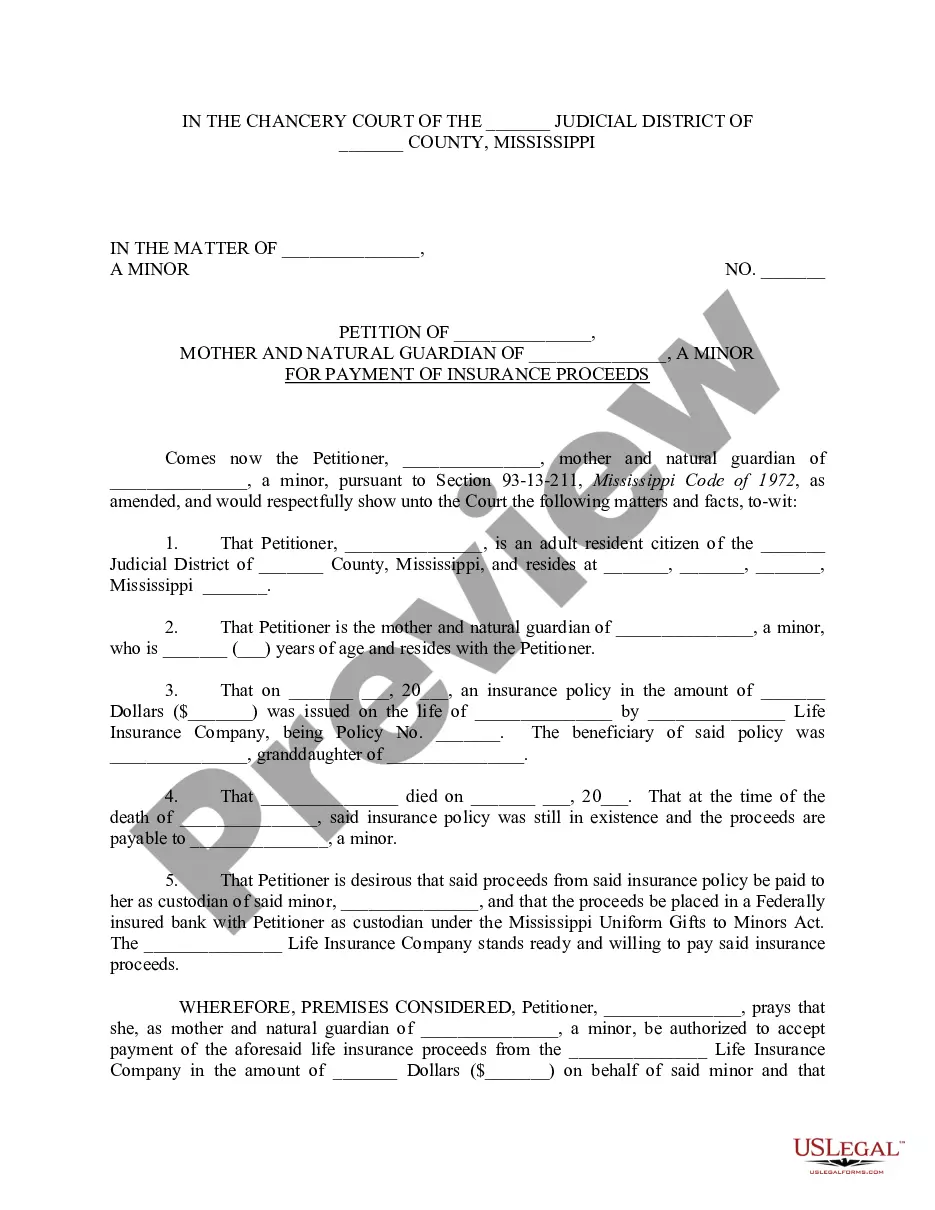
Looking for another form?






Form popularity
FAQ
If you are an at-will employee, an employer can usually terminate you any time, for any or no reason. An employer does not have to give you advance notice of termination. There are 3 exceptions to this: If you and your employer changed your rights by entering into an agreement.
Most termination clauses are an agreement between the employer and the employee that in the event the employer elects to dismiss the employee without cause, the employee will only receive what they are entitled to under the Employment Standards Code.
Washington recognizes legal separation through a formal court order, which sets the terms for the separation. One key difference is that legal separation does not dissolve the marriage.
To comply with WARN, Washington employers must notify employees of a mass layoff or plant closing 60 days in advance. Employees are entitled to notice if they will lose their jobs. For employees who are union members, the employer must notify their union representative instead.
Negotiation Leverage: Refusing to sign the agreement can provide leverage for negotiation with your employer. You might be able to negotiate more favorable terms including a better severance package, limiting the scope of non-disclosure, non-disparagement, non-compete and non-solicitation clauses, and more.
Lack of Voluntary Consent: Under California law, a severance agreement can be considered valid and enforceable only if the parties entered into it voluntarily. If your consent was obtained through coercion, duress, or fraud, the agreement will be deemed invalid.
It makes no difference how long you've been with a company so yes, it's legal to lay off any and everyone without severance. The exceptions: a union agreement requiring severance, a personal contract calling for a severance. This is usually only for executives and ``key'' people.