Severance Agreement Form Without Severance In Virginia
Description

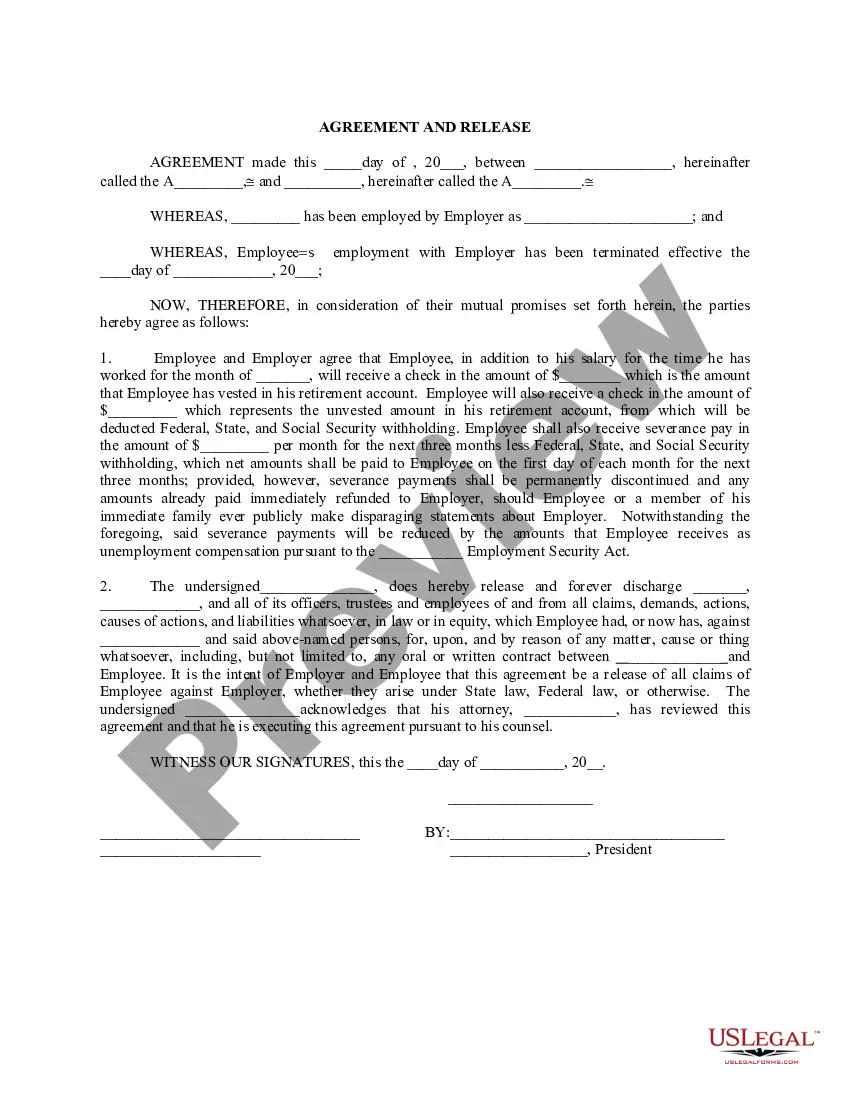
Get your form ready online
Our built-in tools help you complete, sign, share, and store your documents in one place.
Make edits, fill in missing information, and update formatting in US Legal Forms—just like you would in MS Word.
Download a copy, print it, send it by email, or mail it via USPS—whatever works best for your next step.
Sign and collect signatures with our SignNow integration. Send to multiple recipients, set reminders, and more. Go Premium to unlock E-Sign.
If this form requires notarization, complete it online through a secure video call—no need to meet a notary in person or wait for an appointment.
We protect your documents and personal data by following strict security and privacy standards.

Make edits, fill in missing information, and update formatting in US Legal Forms—just like you would in MS Word.

Download a copy, print it, send it by email, or mail it via USPS—whatever works best for your next step.

Sign and collect signatures with our SignNow integration. Send to multiple recipients, set reminders, and more. Go Premium to unlock E-Sign.

If this form requires notarization, complete it online through a secure video call—no need to meet a notary in person or wait for an appointment.

We protect your documents and personal data by following strict security and privacy standards.
Looking for another form?


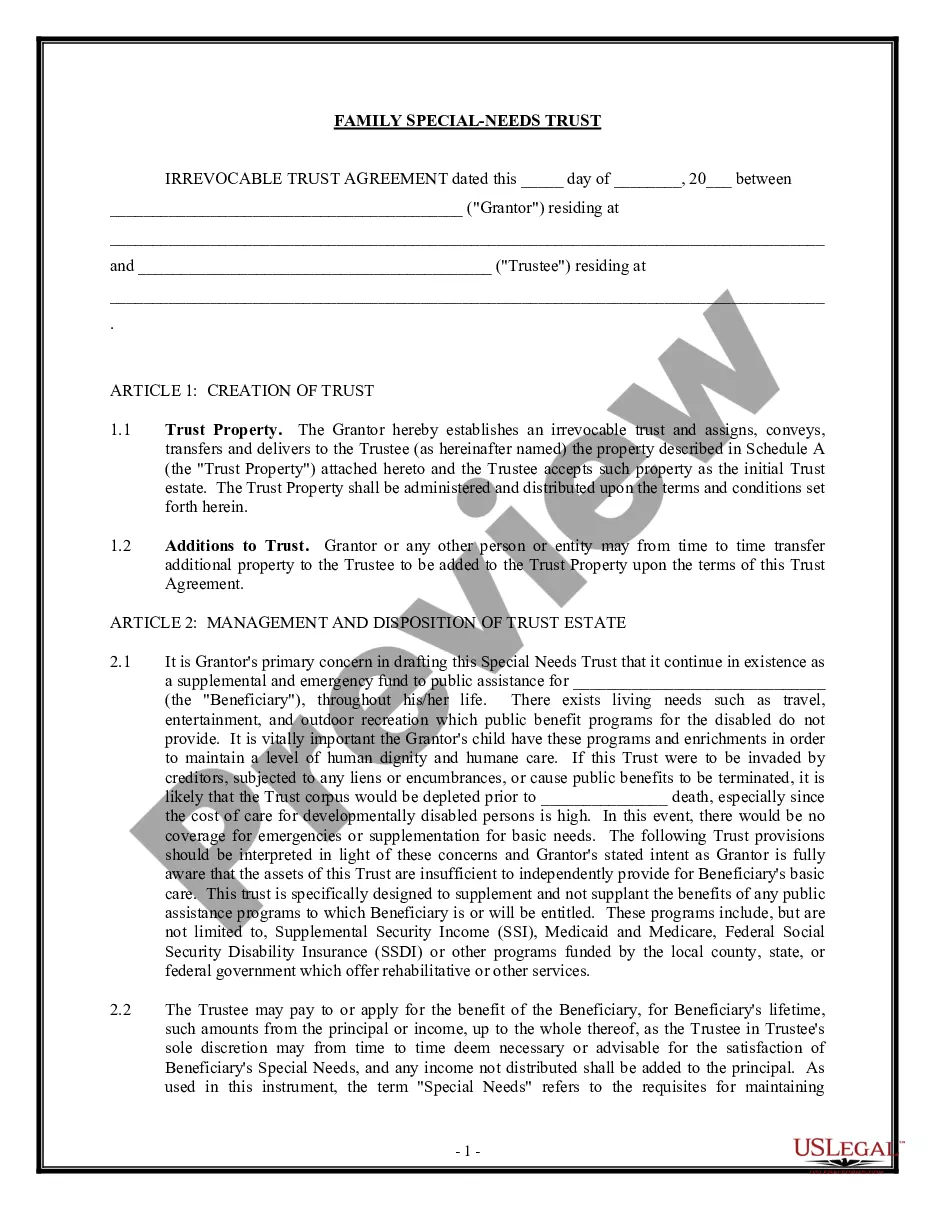
Form popularity
FAQ
Severance agreements can be challenged on grounds of unconscionability or duress. Unconscionability refers to terms that are so one-sided or oppressive that they shock the conscience.
There is no requirement to provide severance in the US and if you were terminated for cause a company generally would not provide it. In general severance is only provided when a company does something like lay you off because of financial conditions or restructuring (if even then).
Lack of Voluntary Consent: Under California law, a severance agreement can be considered valid and enforceable only if the parties entered into it voluntarily. If your consent was obtained through coercion, duress, or fraud, the agreement will be deemed invalid.
There are a few things that can make a separation agreement invalid, but the most common reason is if one of the parties involved didn't actually agree to it. If one party has been forced or coerced into signing the agreement, or if they were misled about what it said, then it can be overturned in court.
Unemployment Insurance Depending on your earnings, your benefit amount provided by the Virginia Employment Commission may range from a minimum of $60 per week for 12 weeks to a maximum of $378 a week for 26 weeks.
You may qualify for regular Unemployment Insurance (UI) benefits. If eligible, you can receive up to 26 weeks of benefits. Visit UI Online (portal.edd.ca) to apply.
A: Severance payments made under WTA are allocated to the date of separation and do not affect the receipt of UI benefits. The only exception to this occurs when a UI claim is filed during the same week in which you are laid off.
The deputy will make a determination regarding your qualification based on the separation information presented. You will be disqualified if the deputy determines that you quit your job without good cause, or you were fired from your job for misconduct in connection with your work.
Only effective notice that the employment has ended is required. Id. There is a narrow public policy exception limited to discharges that violate public policy.
Wrongful termination is illegal in Virginia and the District of Columbia, but it is narrowly defined so as to apply in only limited circumstances.