Severance Agreement Form With Non-disparagement Clause In Santa Clara
Description

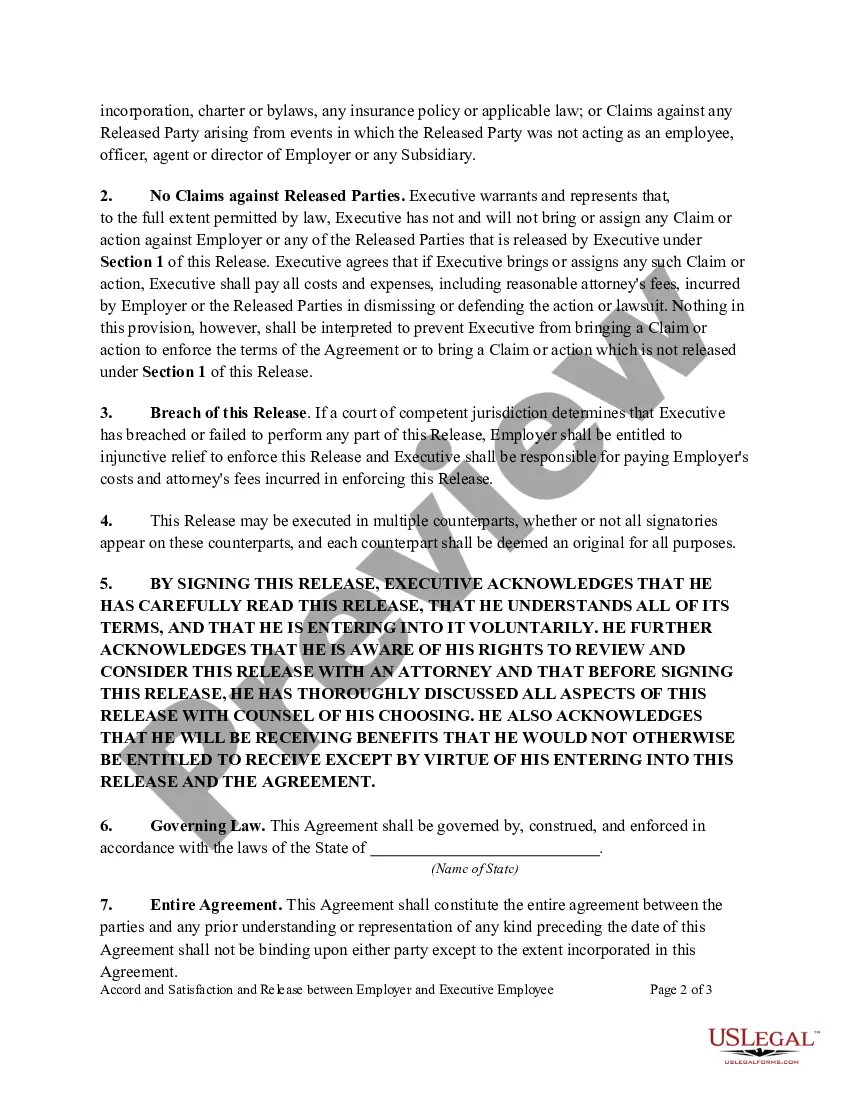
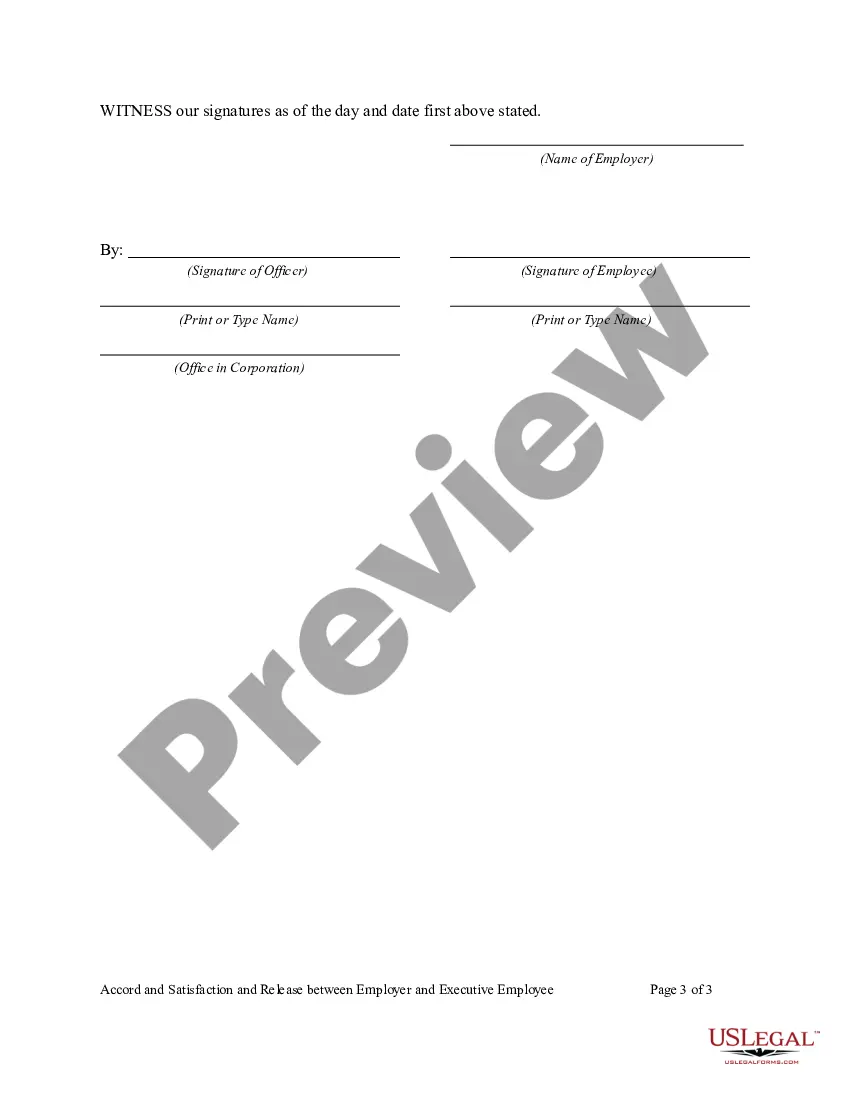
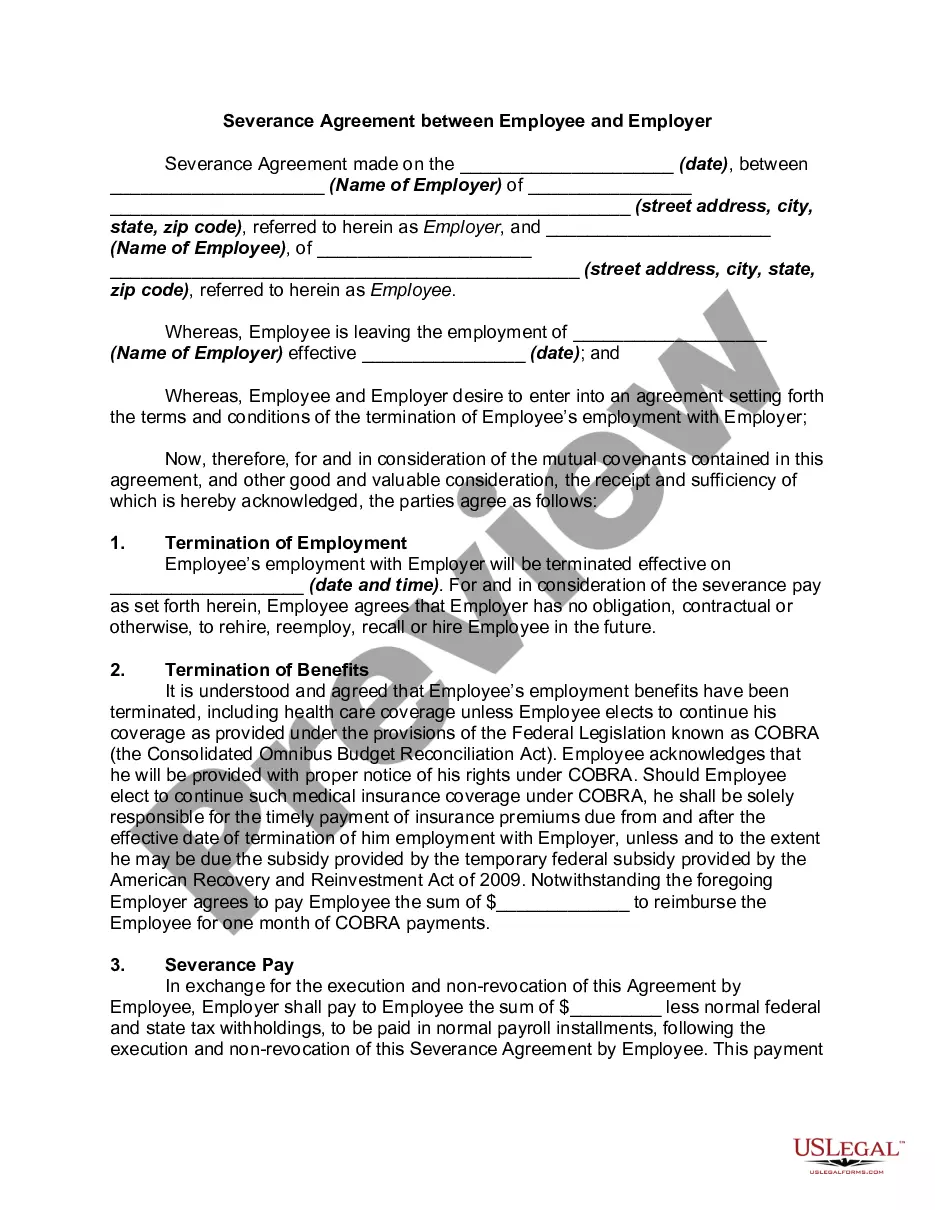
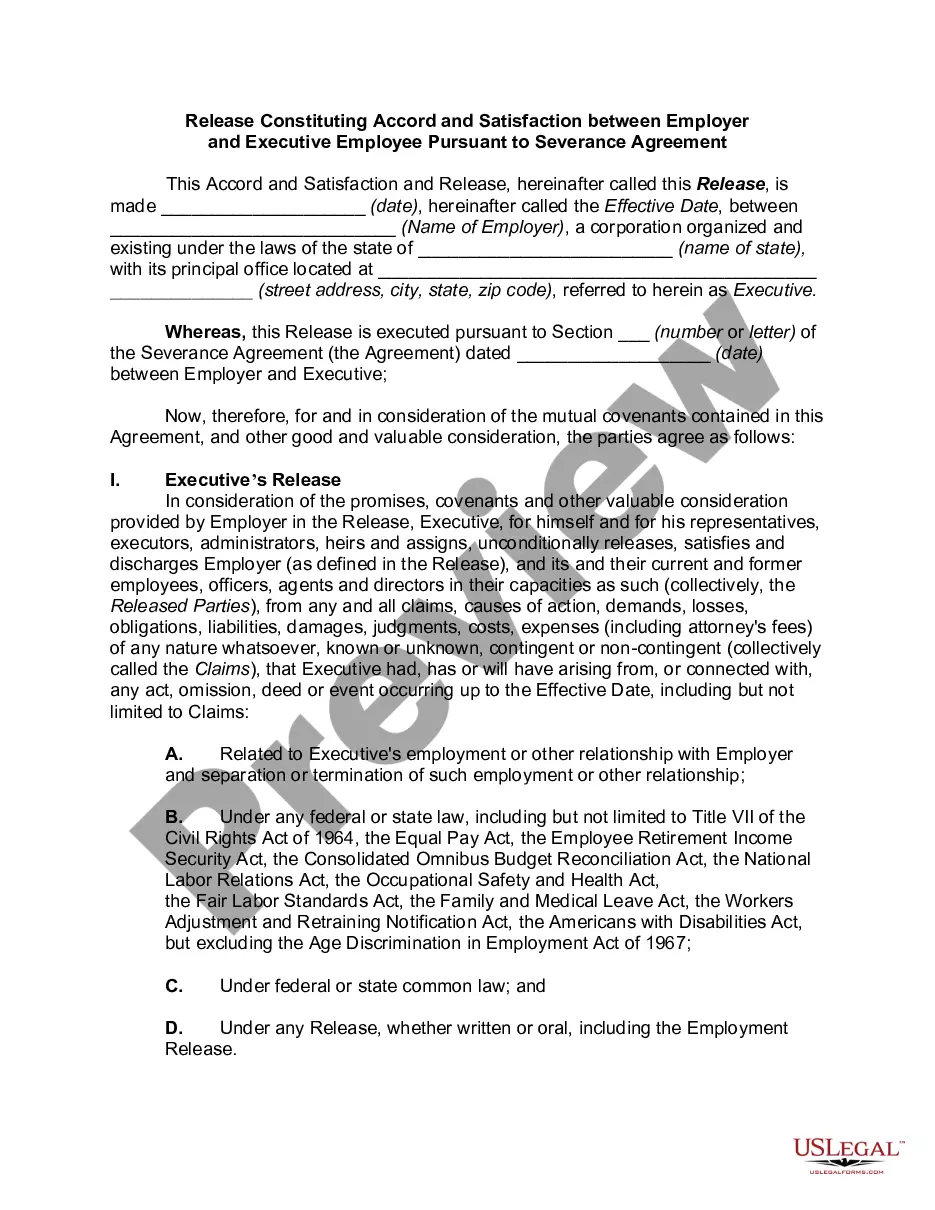
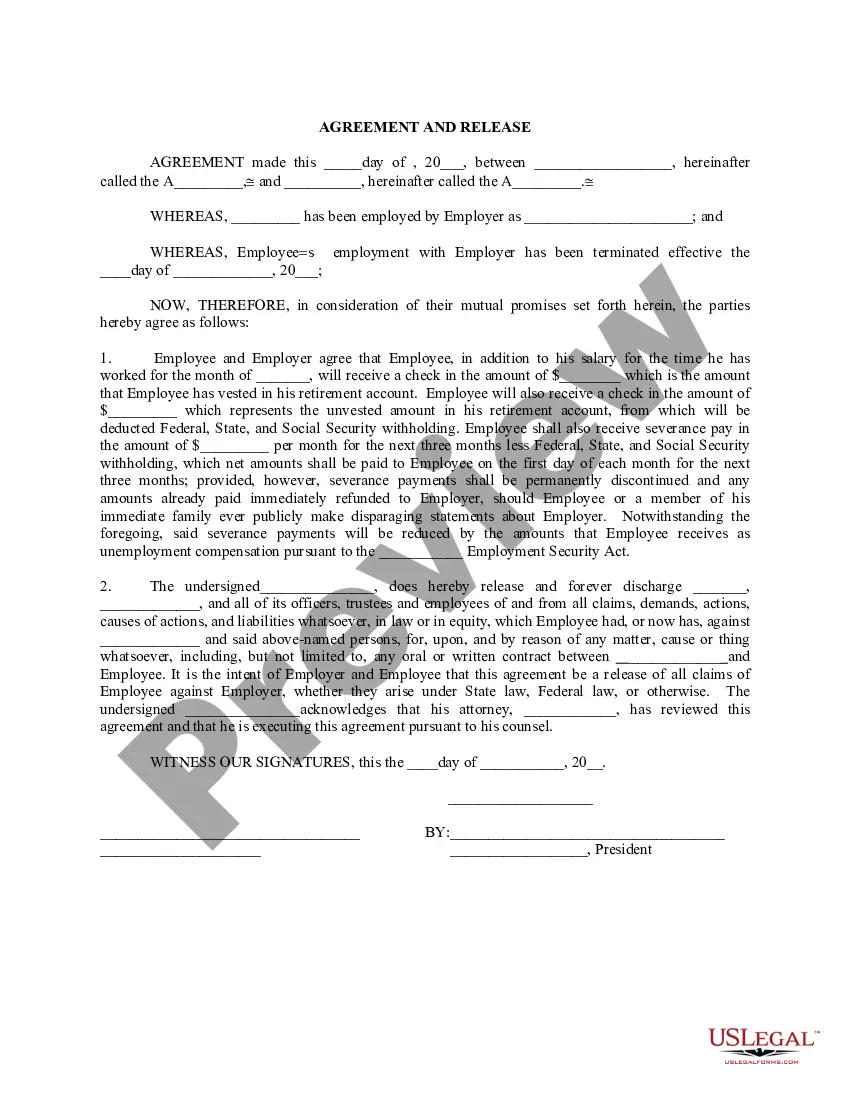
Get your form ready online
Our built-in tools help you complete, sign, share, and store your documents in one place.
Make edits, fill in missing information, and update formatting in US Legal Forms—just like you would in MS Word.
Download a copy, print it, send it by email, or mail it via USPS—whatever works best for your next step.
Sign and collect signatures with our SignNow integration. Send to multiple recipients, set reminders, and more. Go Premium to unlock E-Sign.
If this form requires notarization, complete it online through a secure video call—no need to meet a notary in person or wait for an appointment.
We protect your documents and personal data by following strict security and privacy standards.

Make edits, fill in missing information, and update formatting in US Legal Forms—just like you would in MS Word.

Download a copy, print it, send it by email, or mail it via USPS—whatever works best for your next step.

Sign and collect signatures with our SignNow integration. Send to multiple recipients, set reminders, and more. Go Premium to unlock E-Sign.

If this form requires notarization, complete it online through a secure video call—no need to meet a notary in person or wait for an appointment.

We protect your documents and personal data by following strict security and privacy standards.
Looking for another form?








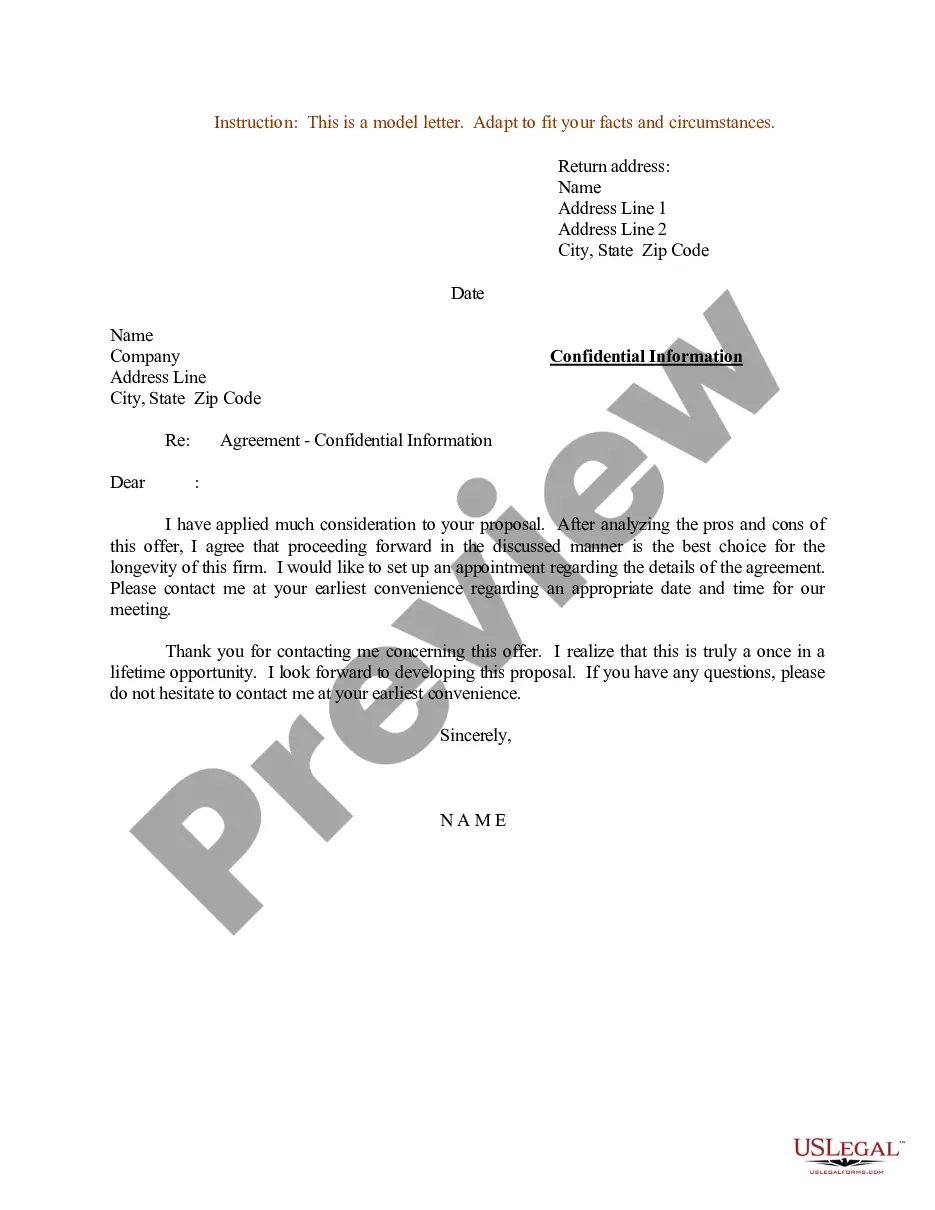

Form popularity
FAQ
This provision is commonly found in: Settlement agreements. Severance agreements. Stock or benefits agreements.
In California, Government Code § 12964.5 makes it unlawful for employers to include a non-disparagement clause without clear language that preserves your right to disclose unlawful conduct.
Generally, NDAs will be enforced by a court, but some statutes and public policy may prevent the enforcement of an NDA. For example, many NDAs will be voided or partially so regarding criminal acts. Often NDAs may be unenforceable unless certain procedural requirements are met.
Some severance packages include a non-disclosure agreement (NDA) that a departing employee must sign in order to receive severance offered by the company that extends above and beyond what the company is legally obligated to provide to them.
So if you were laid off and signed a separation agreement even before the February ruling, your former employer won't be able to enforce any overly broad confidentiality, non-disclosure, and non-disparagement clauses in your original agreement.
The new rule mandates that businesses inform their employees that they have at least five days to review any separation or severance arrangements.
In California, a nondisclosure agreement may be enforceable, provided it meets basic criteria. The restrictive covenant must be properly drafted. This entails clear writing, detailed information about the confidential components of the contract, and a clearly stated extent of the confidentiality obligation.
Noncompete agreements are void and prohibited by law in California. QUICK SUMMARY: In California, noncompete agreements that are intended to prevent or restrain an employee from engaging in another lawful possession, trade or business during their employment have long been unenforceable.
Specifically, California Gov Code 12964.5(b)(4) sets a mandatory waiting period of at least five business days. This period allows employees the necessary time to review the severance agreement thoroughly and consult with legal counsel to ensure the terms are fair and in their best interest.
Available legal options for seeking to enforce a non-disparagement agreement primarily include sending a cease-and-desist letter, filing a lawsuit for injunctive relief to stop (or request the removal) of any disparaging statements or posts, and pursuing legal claims for common law defamation.