Severance Agreement Form For Employees Over 40 In New York
Description

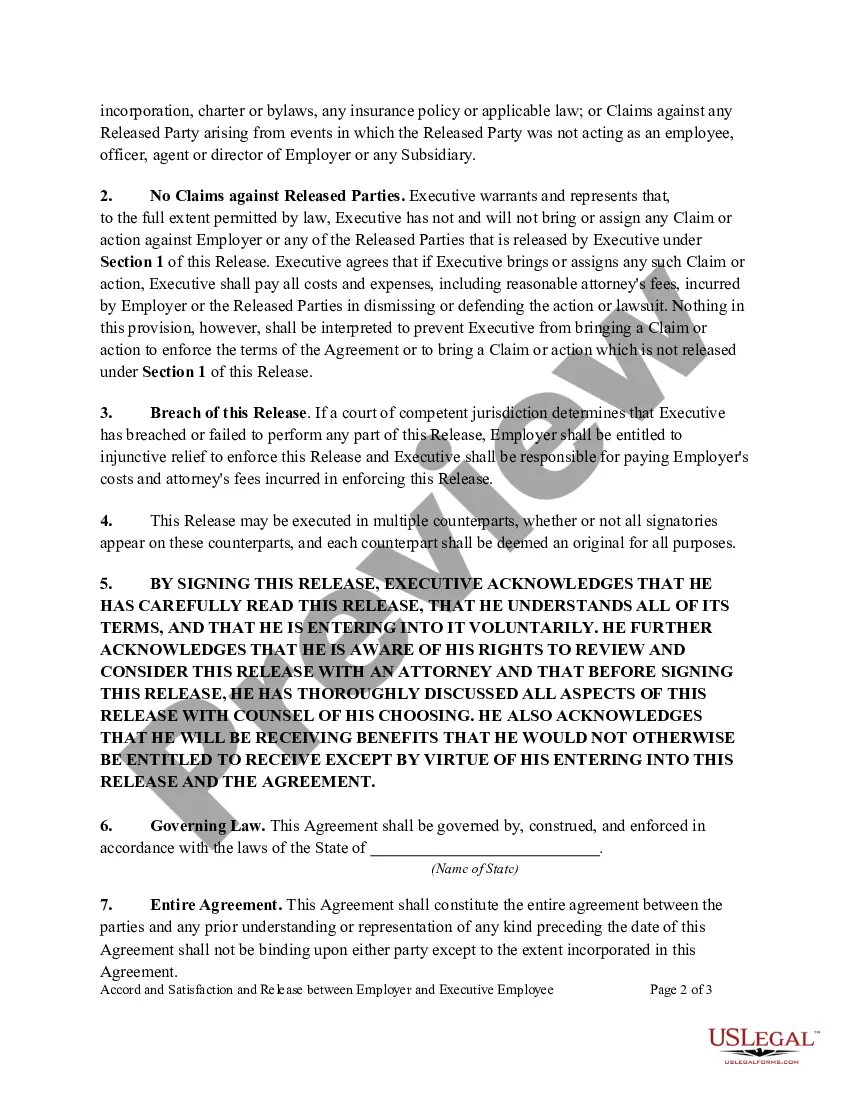
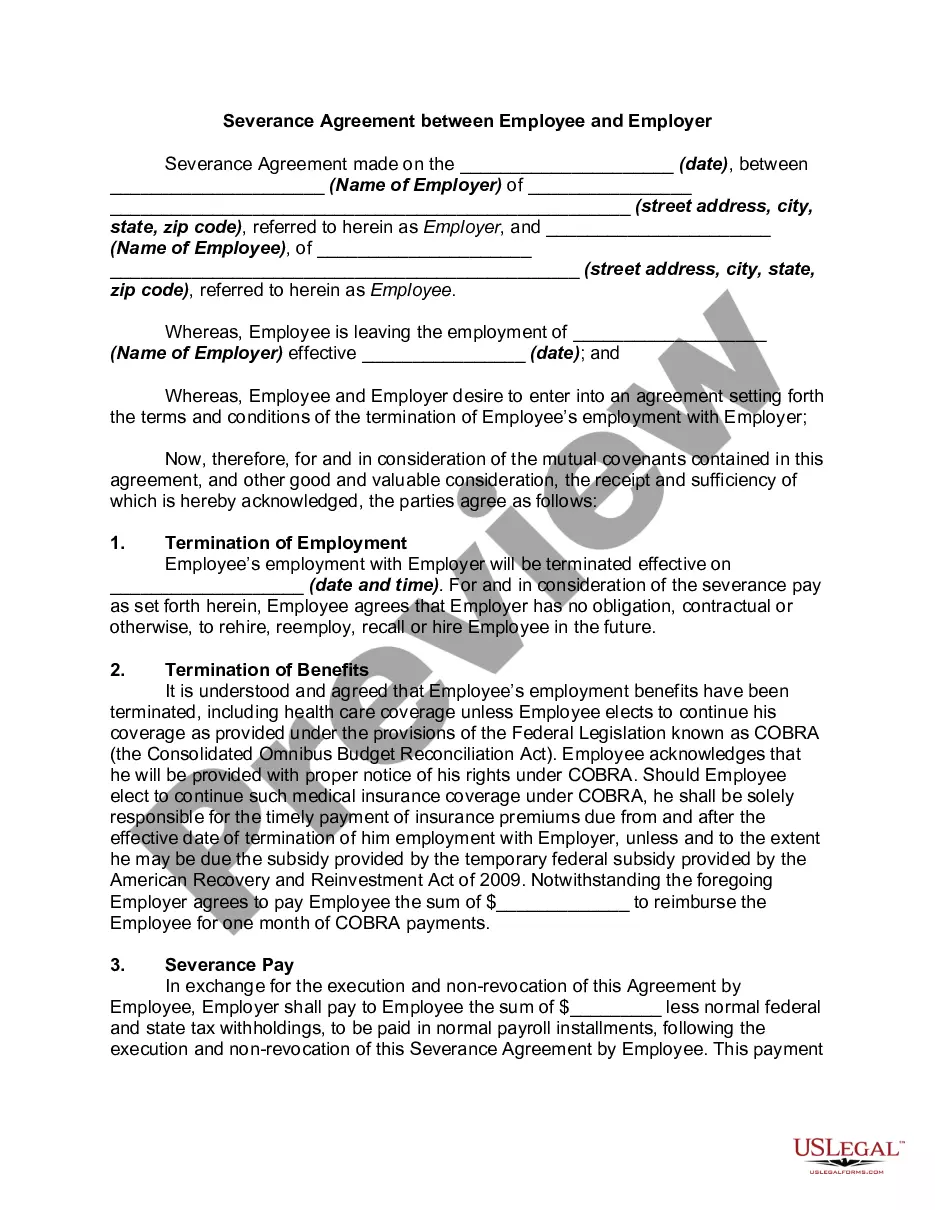
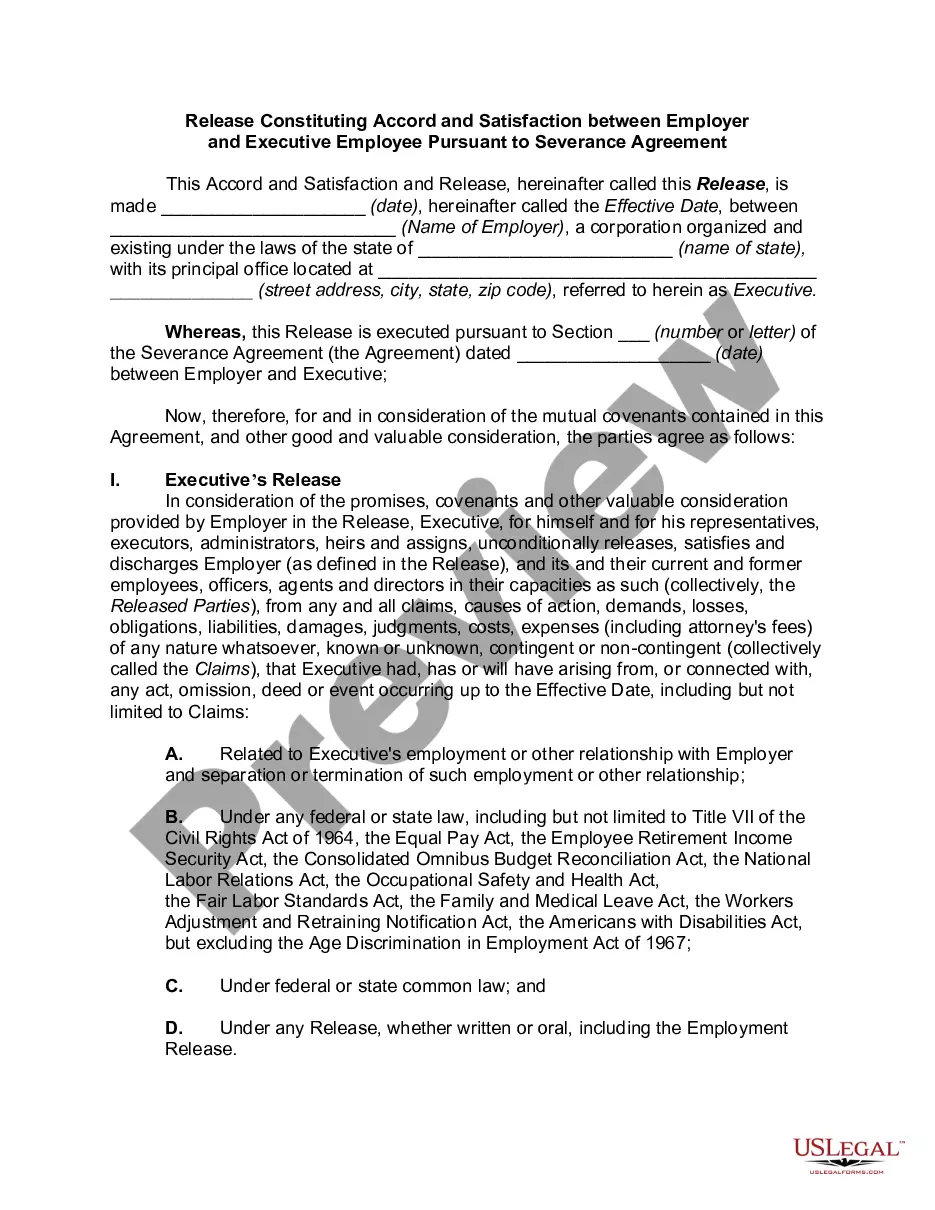
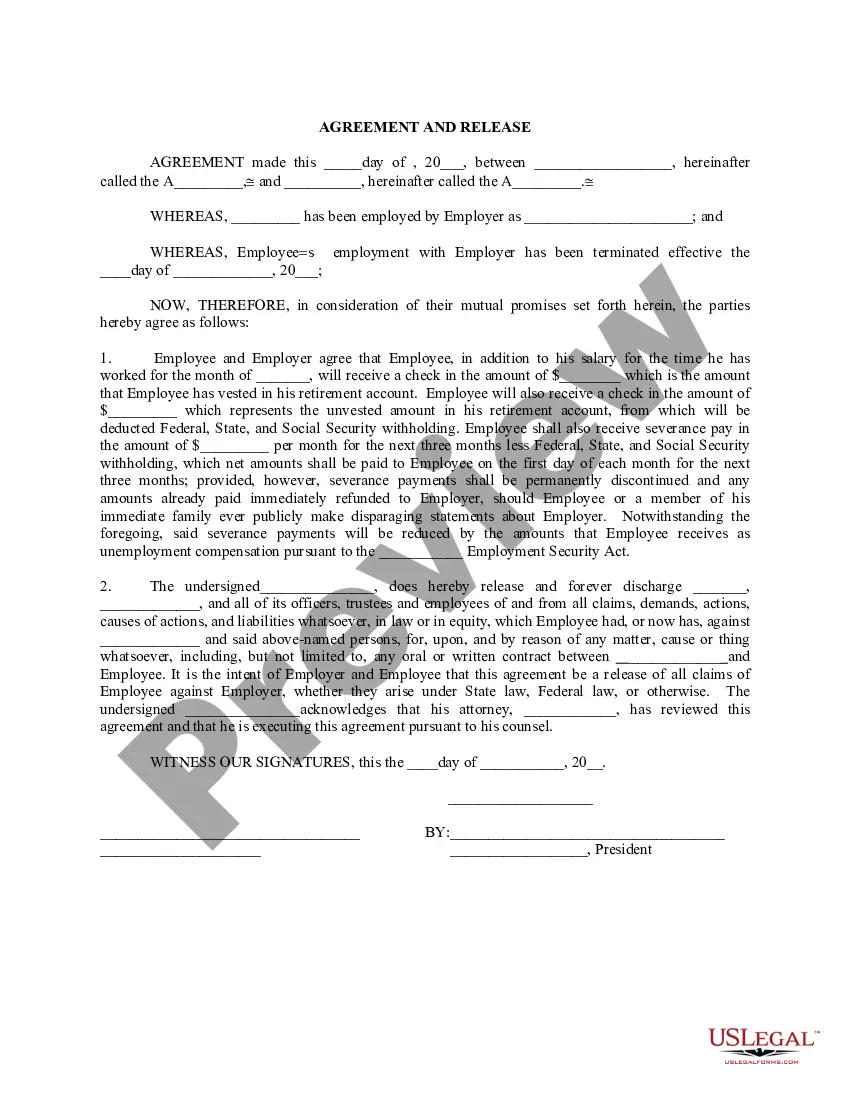
Get your form ready online
Our built-in tools help you complete, sign, share, and store your documents in one place.
Make edits, fill in missing information, and update formatting in US Legal Forms—just like you would in MS Word.
Download a copy, print it, send it by email, or mail it via USPS—whatever works best for your next step.
Sign and collect signatures with our SignNow integration. Send to multiple recipients, set reminders, and more. Go Premium to unlock E-Sign.
If this form requires notarization, complete it online through a secure video call—no need to meet a notary in person or wait for an appointment.
We protect your documents and personal data by following strict security and privacy standards.

Make edits, fill in missing information, and update formatting in US Legal Forms—just like you would in MS Word.

Download a copy, print it, send it by email, or mail it via USPS—whatever works best for your next step.

Sign and collect signatures with our SignNow integration. Send to multiple recipients, set reminders, and more. Go Premium to unlock E-Sign.

If this form requires notarization, complete it online through a secure video call—no need to meet a notary in person or wait for an appointment.

We protect your documents and personal data by following strict security and privacy standards.
Looking for another form?








Form popularity
FAQ
1. How long do I legally have to sign a severance agreement in California? You usually have 5 business days. However, people 40 and older must be given at least 21 days to consider the agreement or 45 days in group layoffs.
California employers are required to give employees over 40 a minimum of 21 days to review a severance agreement. During this time, employees can seek advice from an attorney or financial advisor. Additionally, employees have 7 days after signing the agreement to revoke it.
Applicable Time Limits If you are the only worker being terminated, then you must be given at least 21 days to consider the agreement to waive your ADEA rights. If you are not the only worker being terminated, you must be given at least 45 days to consider the waiver.
Employers who offer a severance agreement to induce you to waive your rights must follow special rules if you at least 40. Federal law requires these severance agreements to be clearly written and explicit. You must be given adequate time to review the agreement and cannot be pressured into signing it.
You may be denied benefits if you: Were fired because you violated a company policy, rule or procedure, such as absenteeism or insubordination. Quit your job without good cause, such as a compelling personal reason.
You may be eligible for Unemployment Insurance if the weekly payments of dismissal or severance are less than the maximum benefit rate. You will not be eligible for benefits if: You receive weekly dismissal or severance payments that are greater than the maximum weekly benefit rate; or.
You may be eligible for Unemployment Insurance if the weekly payments of dismissal or severance are less than the maximum benefit rate. You will not be eligible for benefits if: You receive weekly dismissal or severance payments that are greater than the maximum weekly benefit rate; or.
First, all employees who separate from employment, are subject to reduction in hours, temporary separation, and any other interruption of employment must be informed of their right to apply for unemployment benefits. Employers must provide them with completed Form IA12. 3 – Record of Employment.
Base Severance Payment: Typically calculated as a multiple of your salary, your severance payment is often negotiable, especially for high earners. For senior roles, packages can range from 3–24 months of base salary, depending on tenure, position, and company norms.
The New York State WARN Act requires businesses to give early warning of closing and layoffs. WARN notices DO NOT need to be submitted to DOL from businesses that employ less than 50 full-time employees. The WARN Act applies to private businesses with 50 or more full-time employees in New York State.