Severance Agreement Form For Independent Contractor In Minnesota
Description

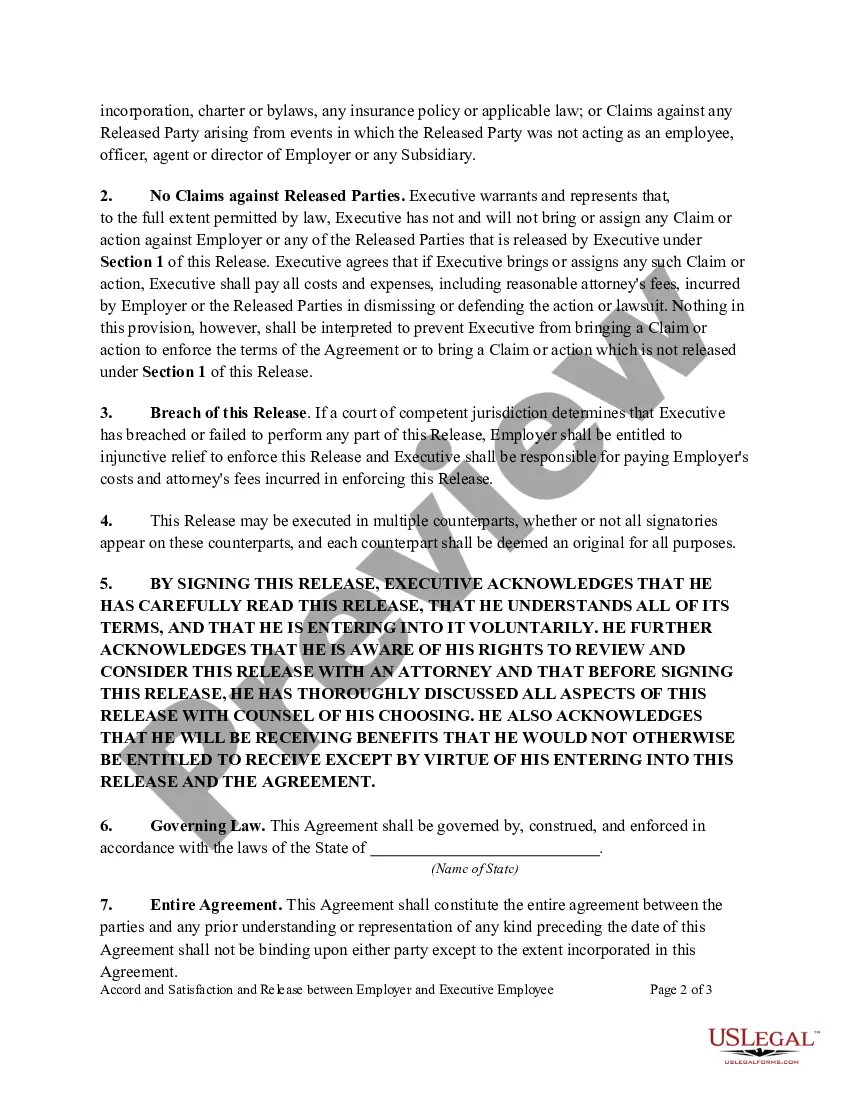
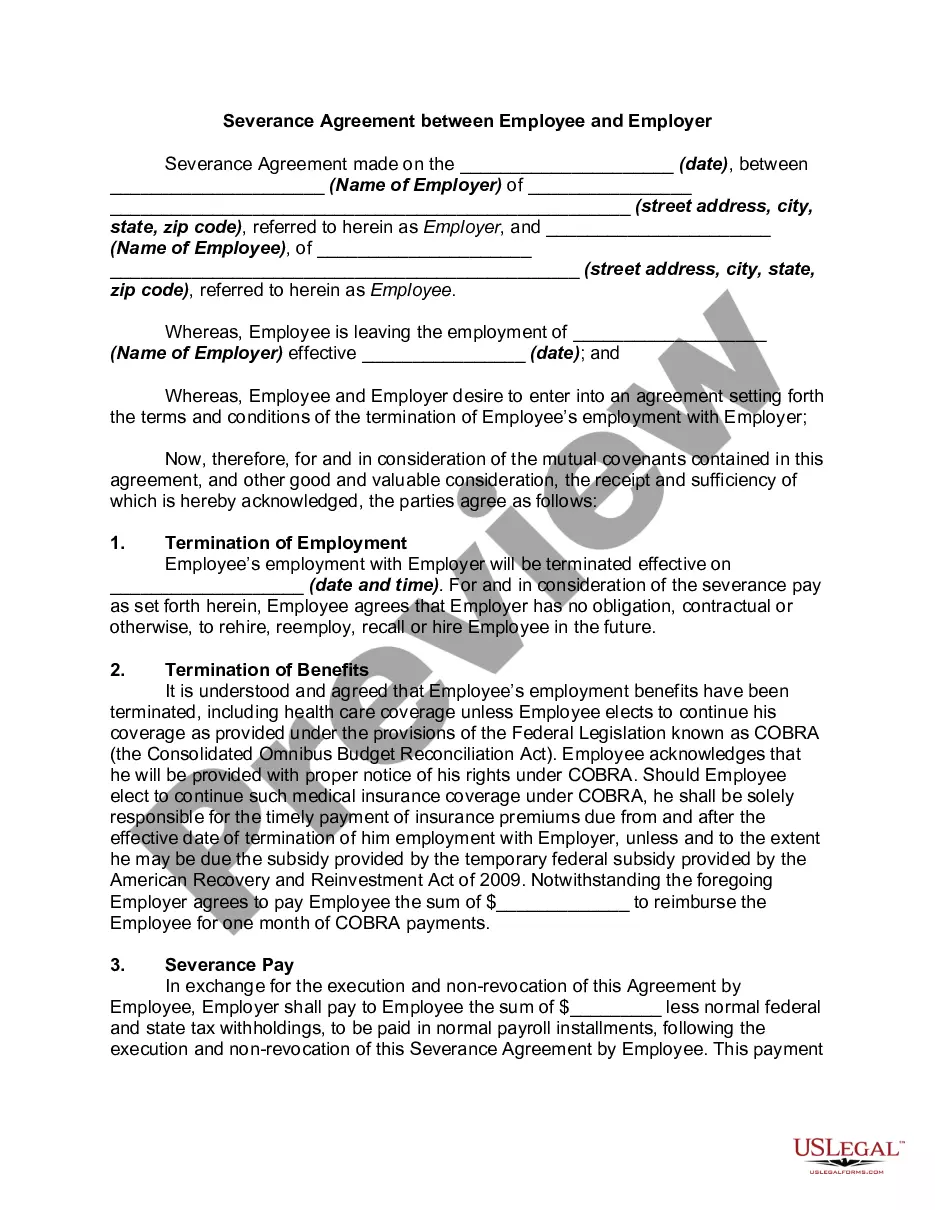
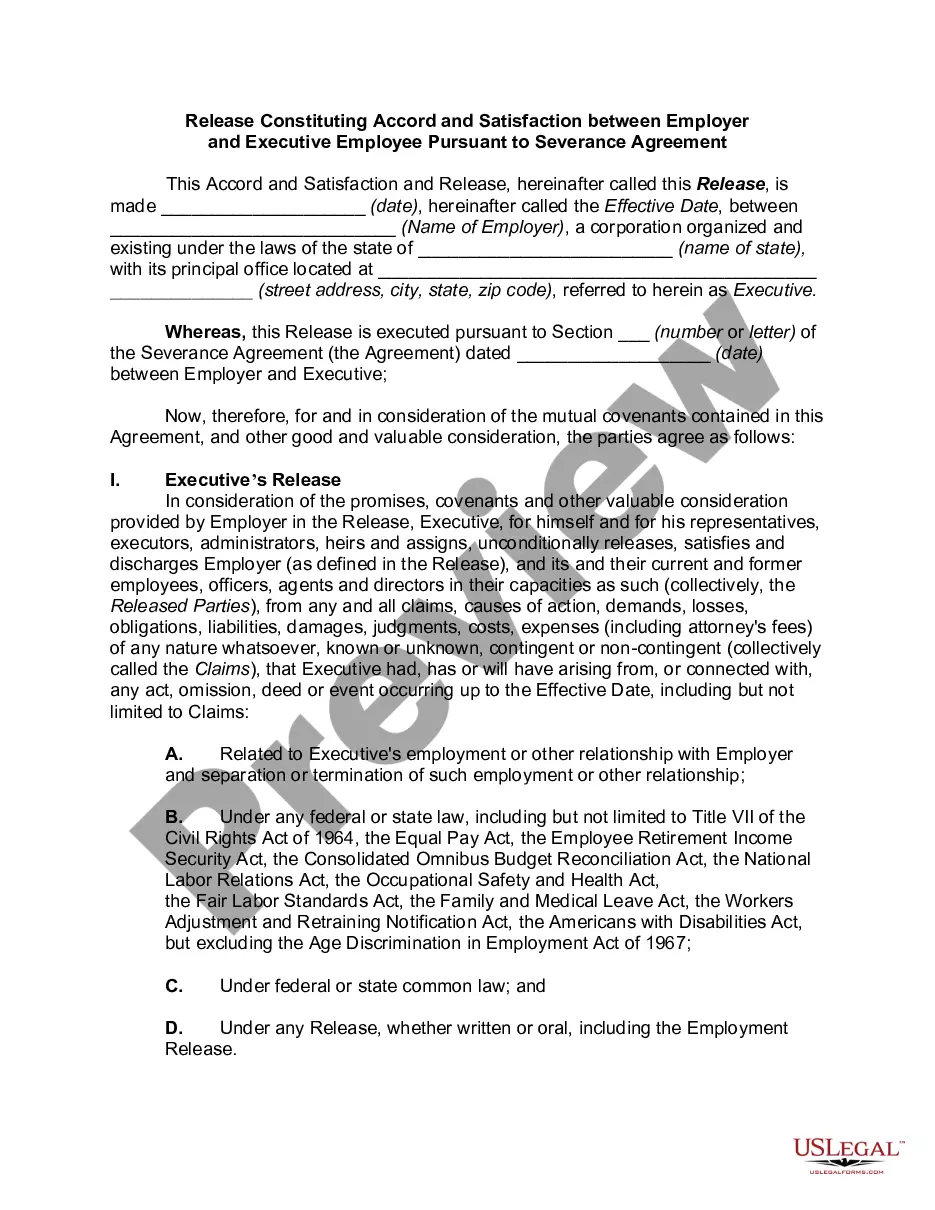
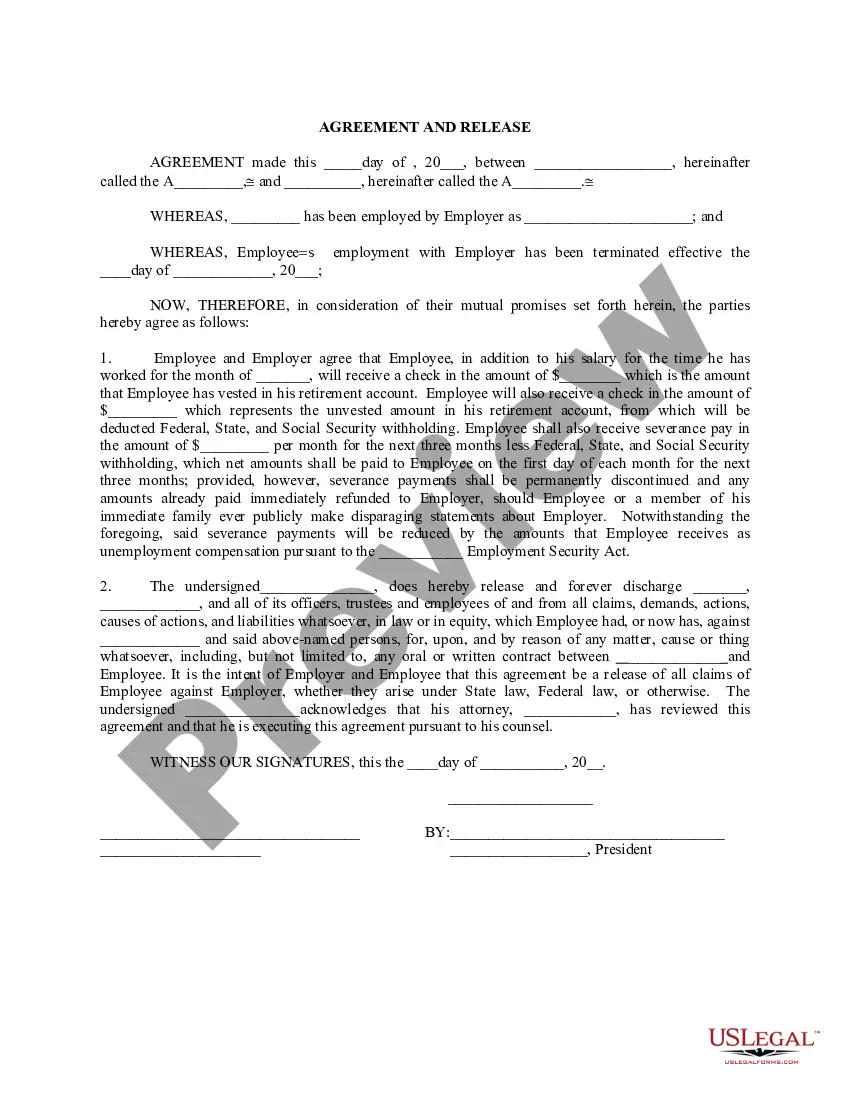
Get your form ready online
Our built-in tools help you complete, sign, share, and store your documents in one place.
Make edits, fill in missing information, and update formatting in US Legal Forms—just like you would in MS Word.
Download a copy, print it, send it by email, or mail it via USPS—whatever works best for your next step.
Sign and collect signatures with our SignNow integration. Send to multiple recipients, set reminders, and more. Go Premium to unlock E-Sign.
If this form requires notarization, complete it online through a secure video call—no need to meet a notary in person or wait for an appointment.
We protect your documents and personal data by following strict security and privacy standards.

Make edits, fill in missing information, and update formatting in US Legal Forms—just like you would in MS Word.

Download a copy, print it, send it by email, or mail it via USPS—whatever works best for your next step.

Sign and collect signatures with our SignNow integration. Send to multiple recipients, set reminders, and more. Go Premium to unlock E-Sign.

If this form requires notarization, complete it online through a secure video call—no need to meet a notary in person or wait for an appointment.

We protect your documents and personal data by following strict security and privacy standards.
Looking for another form?




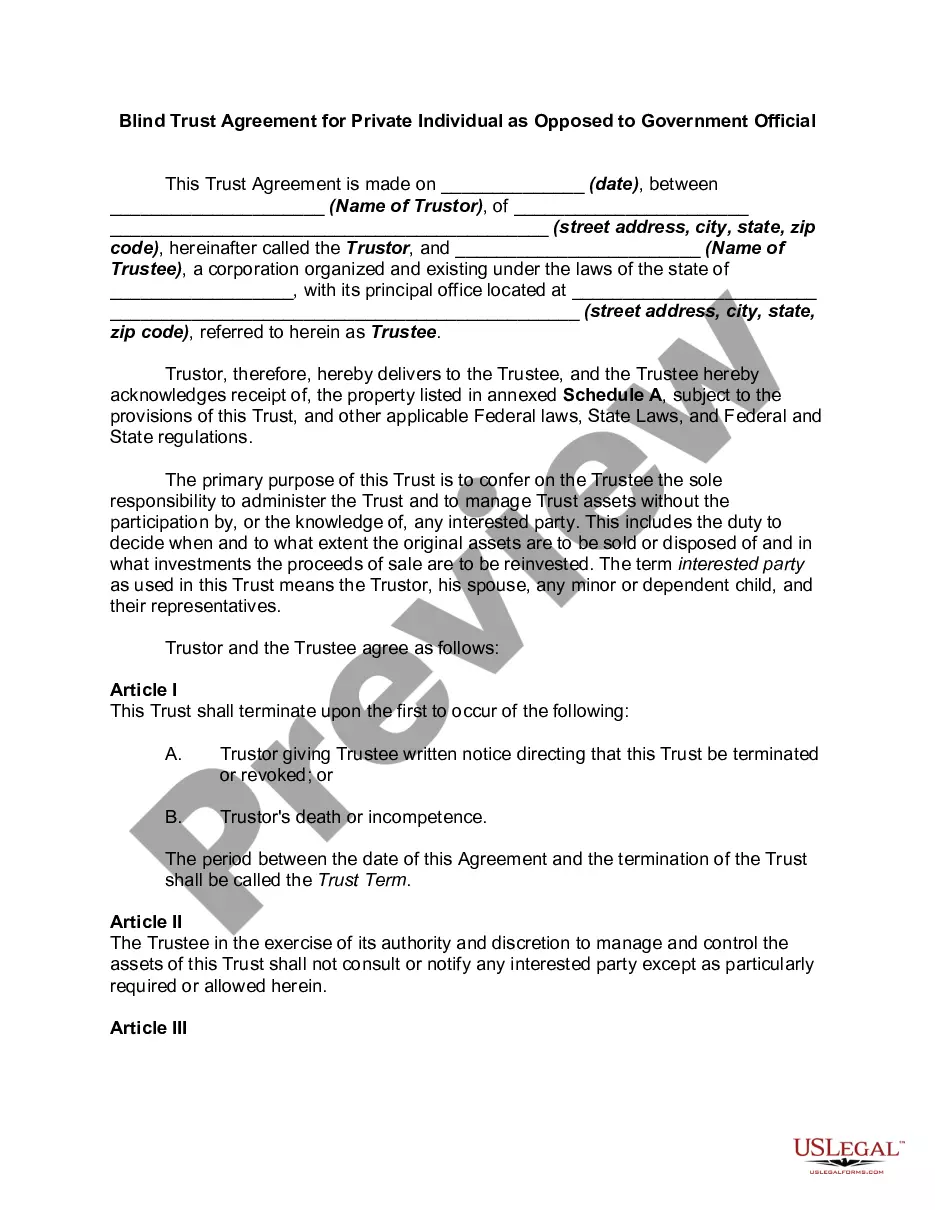
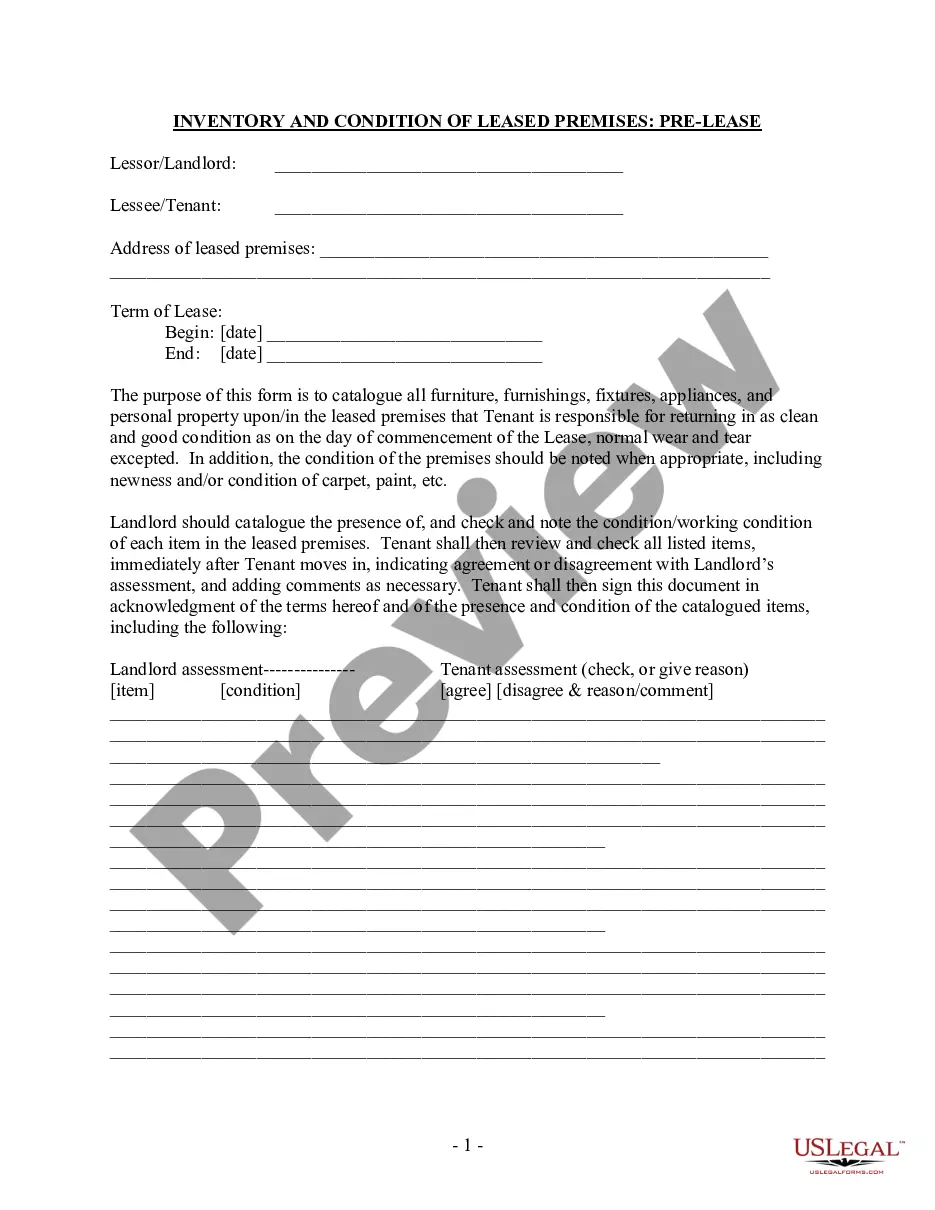

Form popularity
FAQ
What Is 1099 Form Used for? The 1099 form is used to report non-employment income to the Internal Revenue Service (IRS). Businesses are typically required to issue a 1099 form to a taxpayer (other than a corporation) who has received at least $600 or more in non-employment income during the tax year.
It's important to work with your legal counsel to draft a contractor agreement template that can be easily utilized across your contractor workforce and customized to protect your business from liability when engaging with independent contractors.
A Minnesota independent contractor agreement is a written contract between a contractor and the entity that hired them. In addition to compensation, a contractor agreement also covers taxes, insurance, expenses, licenses, workers' compensation, and the contractor's status.
You and your employer must follow certain legal formalities for a severance agreement to be enforceable. You must ensure that the agreement is in writing and that your employer has signed it. Sometimes, you might also need a witness or have it notarized. Failing to adhere to these formalities can void the agreement.
It outlines the terms of the working relationship, including project scope, payment details, and responsibilities. This agreement ensures both parties understand their obligations, mitigating potential disputes and clarifying the contractor's non-employee status.
No notice of separation is required by law, by either party, upon separation of an employee for any reason. Courtesy and time to collect accrued benefits are reasons why notice is given.
How to Structure a Severance Agreement Determine Eligibility: Decide which employees will be offered a severance agreement based on company policy or specific circumstances. Consult Legal Counsel: Work with an attorney to draft the agreement to ensure compliance with federal and state laws.
Keep it professional. Use business reasons, such as your performance record or time with the company, when negotiating the terms of your severance package rather than personal details, such as having a baby or buying a house. Be wary of non-compete clauses.
First you can simply ask. The offer of severance is not a legal obligation. It is an attempt by the employer to assure that you will never make any claims against it. Some times simply asking for more can trigger a discussion, but do not count on it. Especially in a RIF where many people are involved.