Employer Severance Package In Minnesota
Description

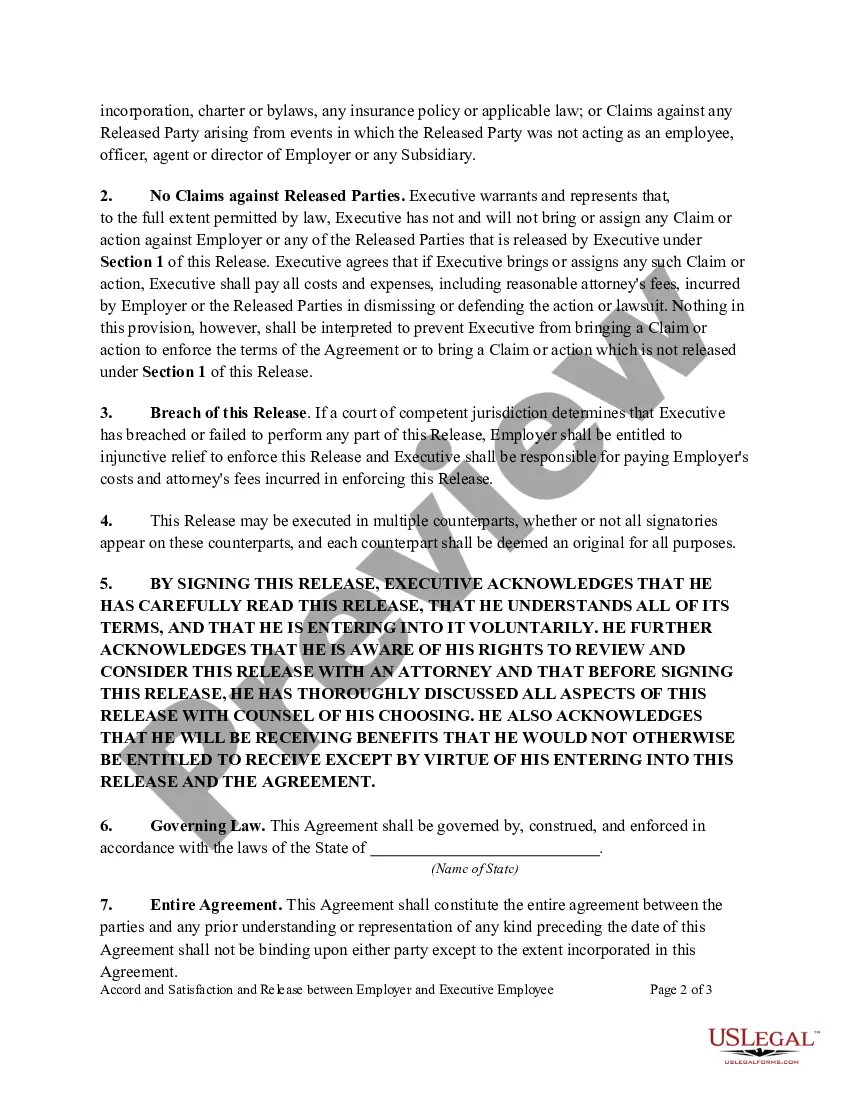
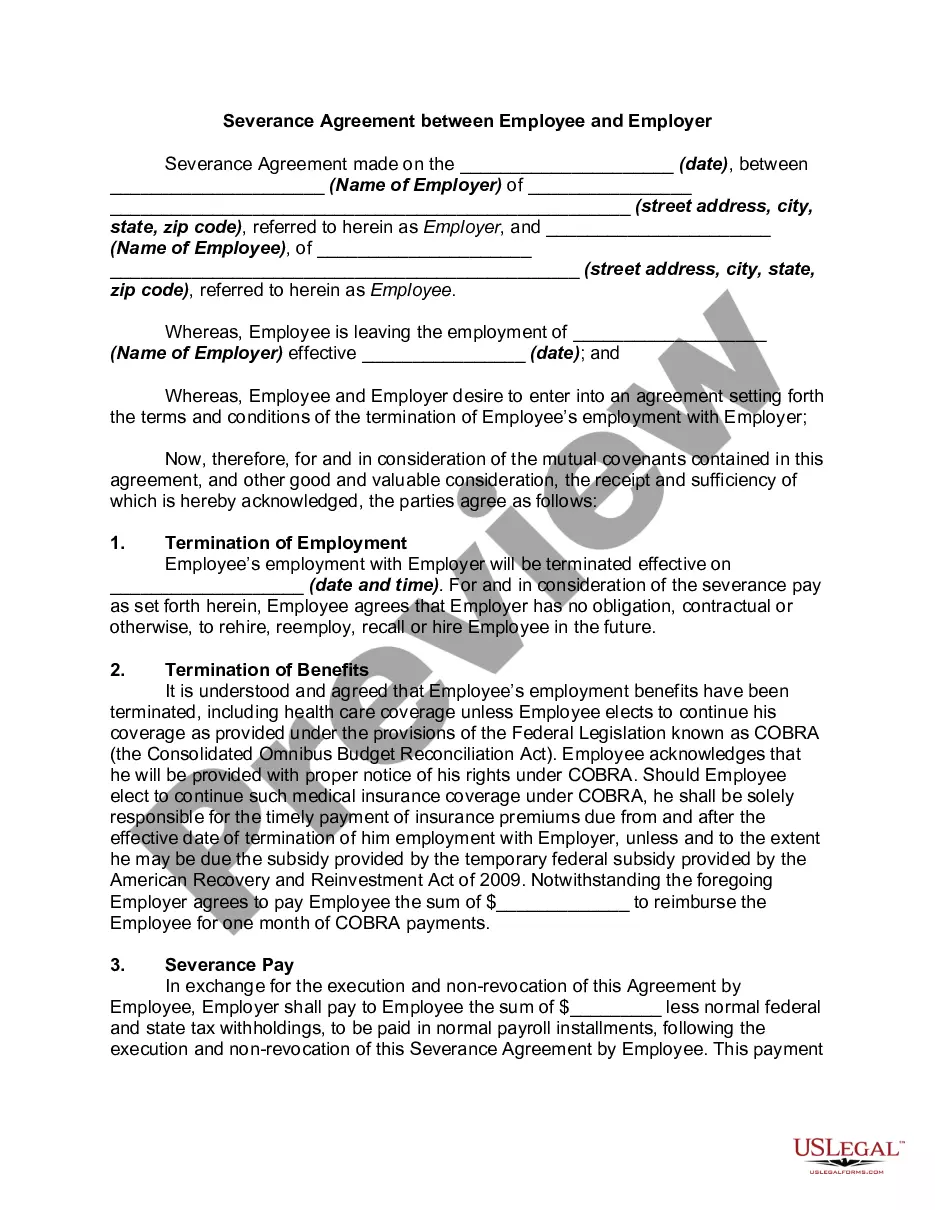
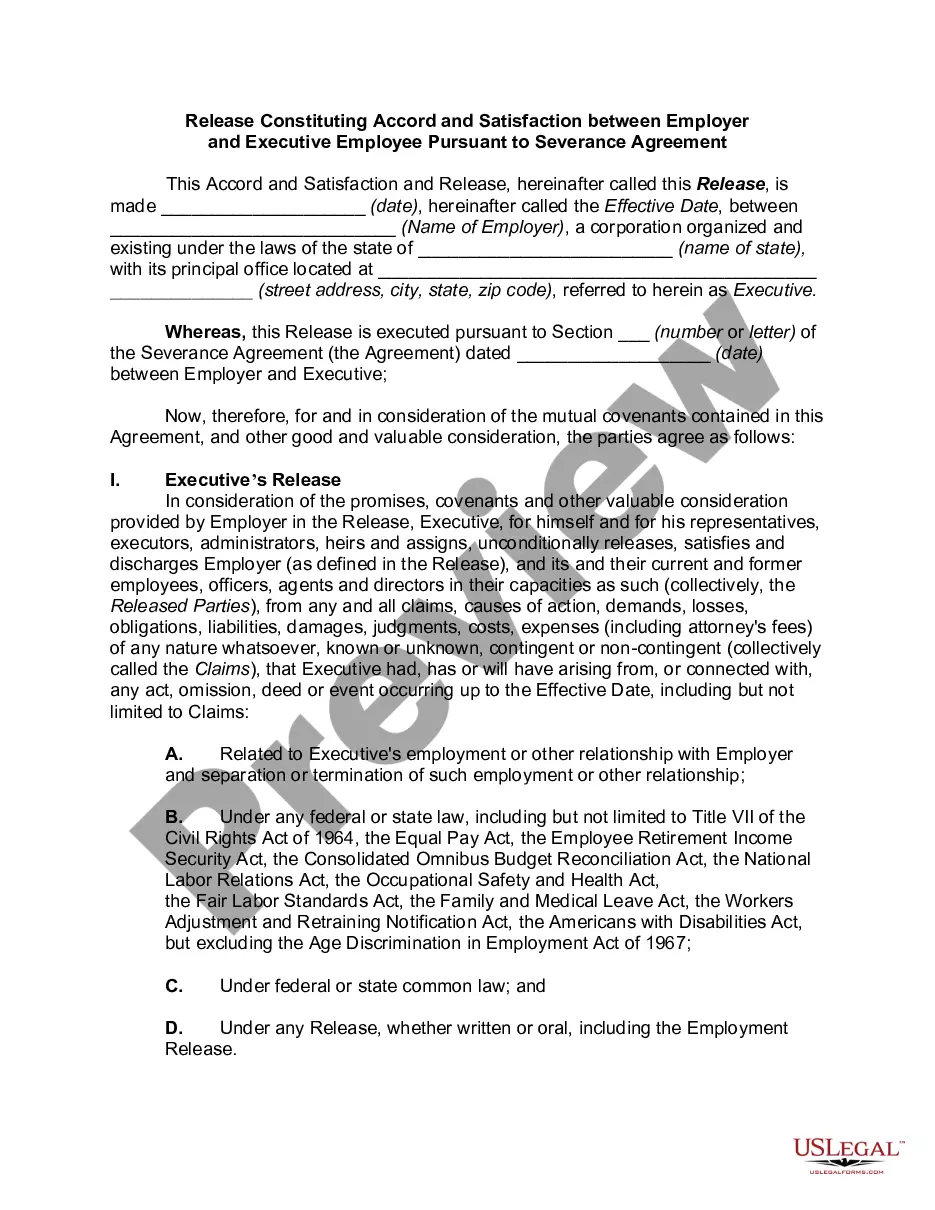
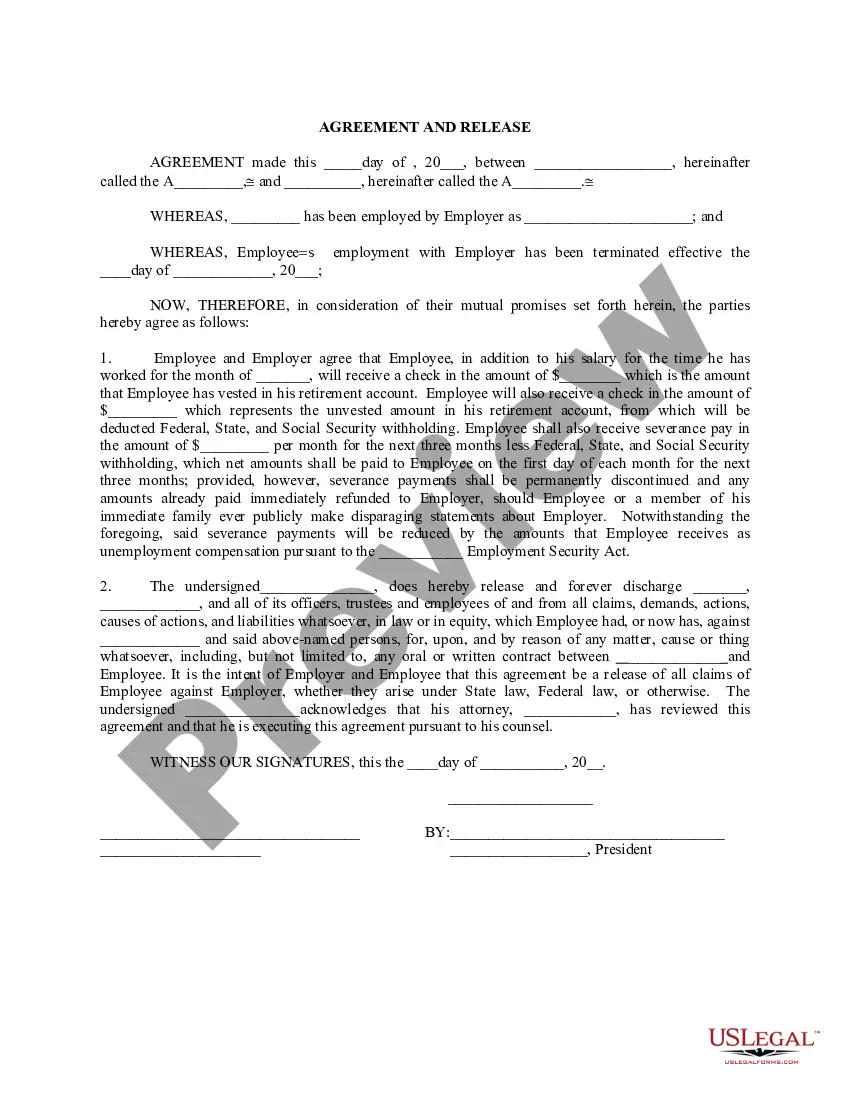
Get your form ready online
Our built-in tools help you complete, sign, share, and store your documents in one place.
Make edits, fill in missing information, and update formatting in US Legal Forms—just like you would in MS Word.
Download a copy, print it, send it by email, or mail it via USPS—whatever works best for your next step.
Sign and collect signatures with our SignNow integration. Send to multiple recipients, set reminders, and more. Go Premium to unlock E-Sign.
If this form requires notarization, complete it online through a secure video call—no need to meet a notary in person or wait for an appointment.
We protect your documents and personal data by following strict security and privacy standards.

Make edits, fill in missing information, and update formatting in US Legal Forms—just like you would in MS Word.

Download a copy, print it, send it by email, or mail it via USPS—whatever works best for your next step.

Sign and collect signatures with our SignNow integration. Send to multiple recipients, set reminders, and more. Go Premium to unlock E-Sign.

If this form requires notarization, complete it online through a secure video call—no need to meet a notary in person or wait for an appointment.

We protect your documents and personal data by following strict security and privacy standards.
Looking for another form?


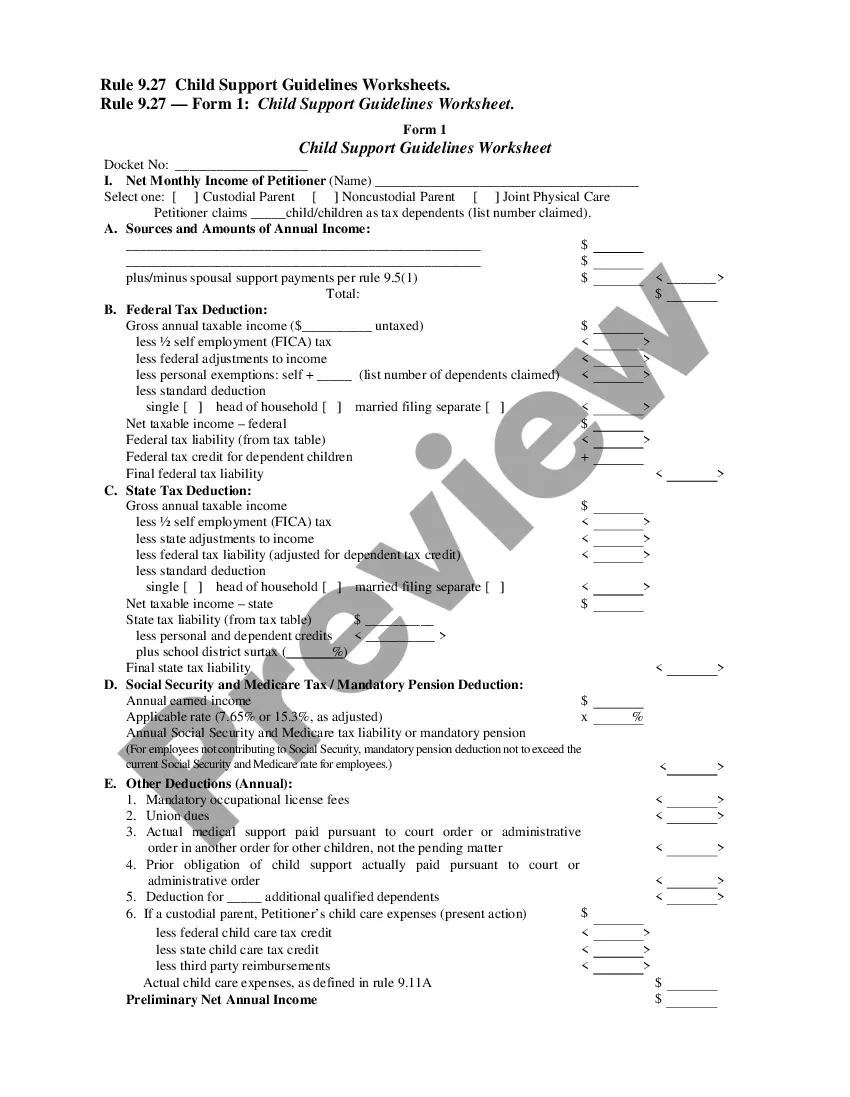




Form popularity
FAQ
Exiting employees may ask to negotiate severance packages. Even if your company has a standard severance policy in place, employees can exercise their right to negotiate. In fact, some individuals may seek legal counsel before signing any agreement regarding severance terms.
Most termination clauses are an agreement between the employer and the employee that in the event the employer elects to dismiss the employee without cause, the employee will only receive what they are entitled to under the Employment Standards Code.
Minnesota is an employment "at will" state. The employer can fire any employee for any reason as long as that reason is not illegal.
How to ask for a severance package Review your company's documents. You can typically find details of the company's policy regarding severance packages in a couple of places. Make note of your accomplishments. Stay professional. Negotiate severance during your job offer. Agree to an exit interview.
Voluntary separation offers on the other hand, are not typically calculated based on years of service, but are rather a multiple of monthly salary (i.e., 5-6 months of salary) to ensure the offer is competitive and attractive regardless of tenure.
You do not get severance if you quit. Nobody is automatically entitled to any severance legally, ever, unless you were hired under a contract such as a 1099 employee and you have severance written into your agreement. Standard W-2 employees usually do not get severance.
Neither the California Labor Code nor the federal Fair Labor Standards Act require employers to offer severance agreements to departing employees. Instead, severance agreements are provided by employers to accomplish a specific goal.
Some factors that are often considered include length of employment at the company, your position or rank within the organization, salary, and individual circumstances relating to termination. Some employers adhere to a written contract or employment agreement or policy that was outlined previously.