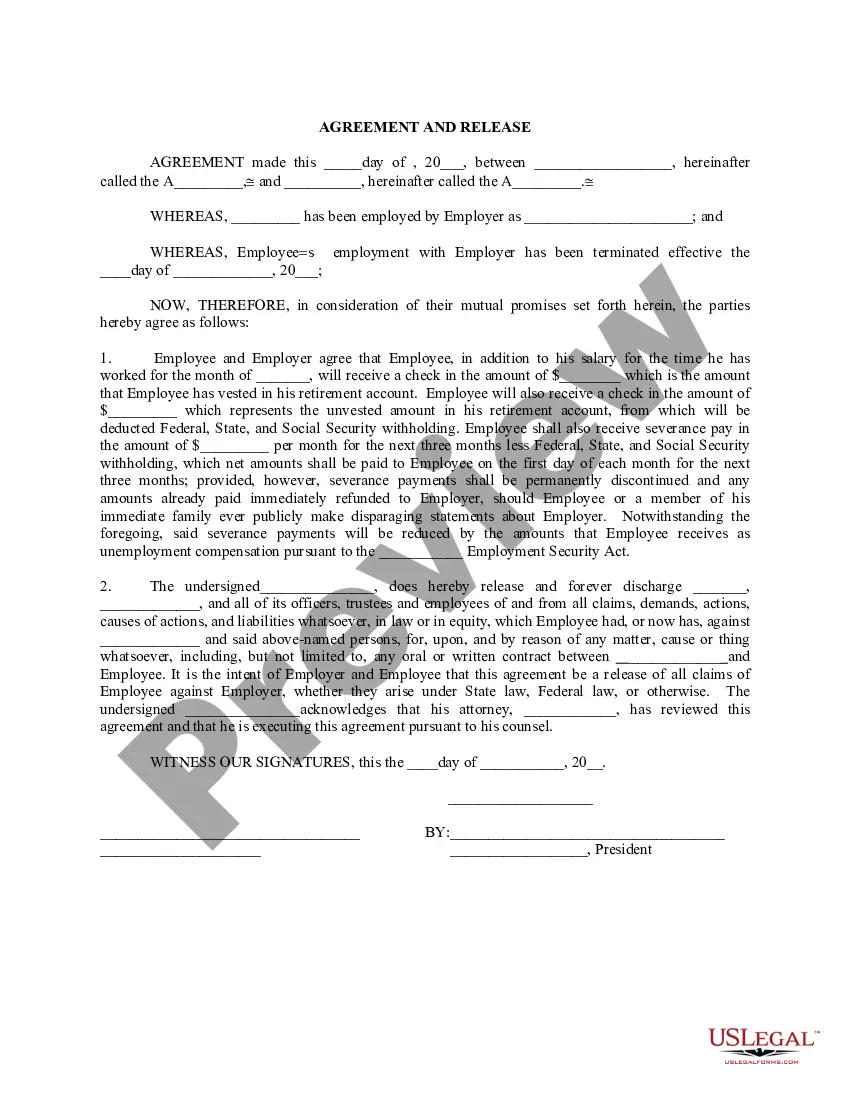
Severance Termination For Cause In Houston
Description

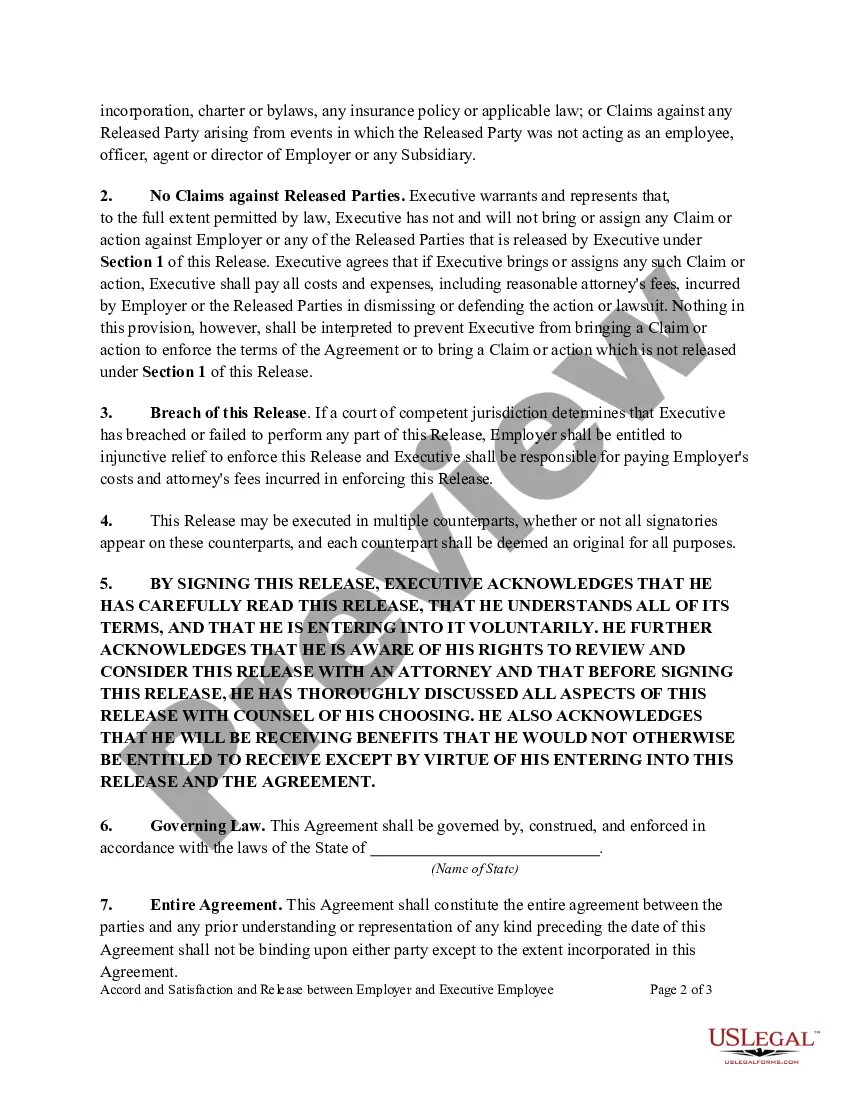
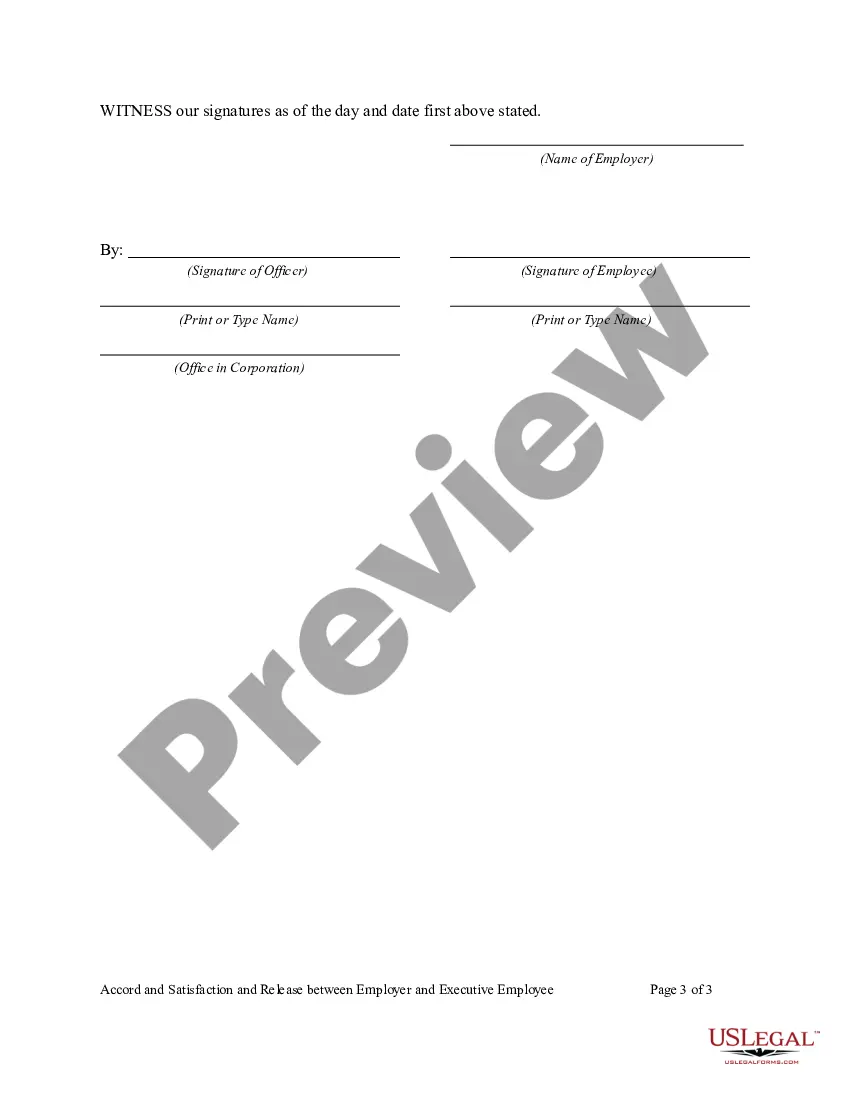
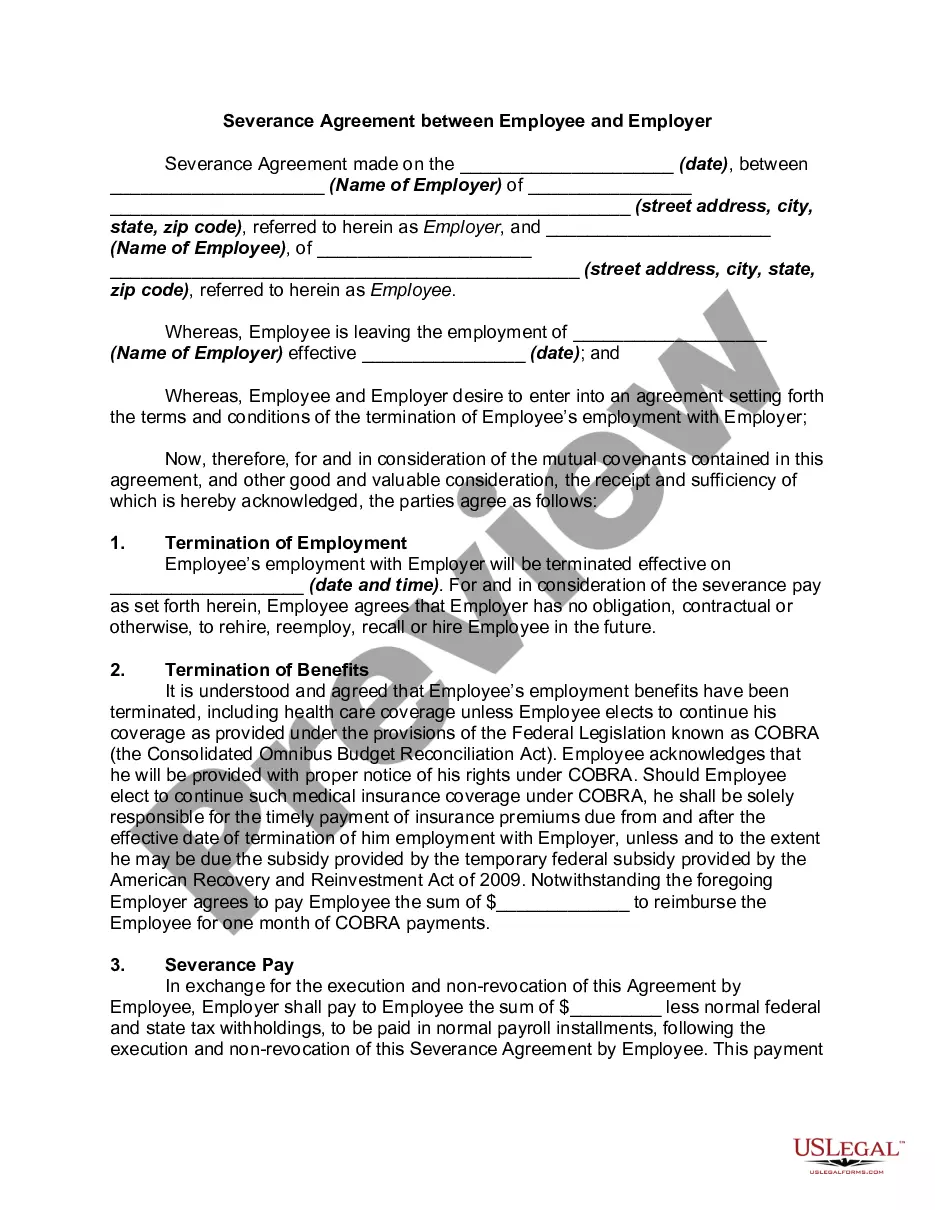
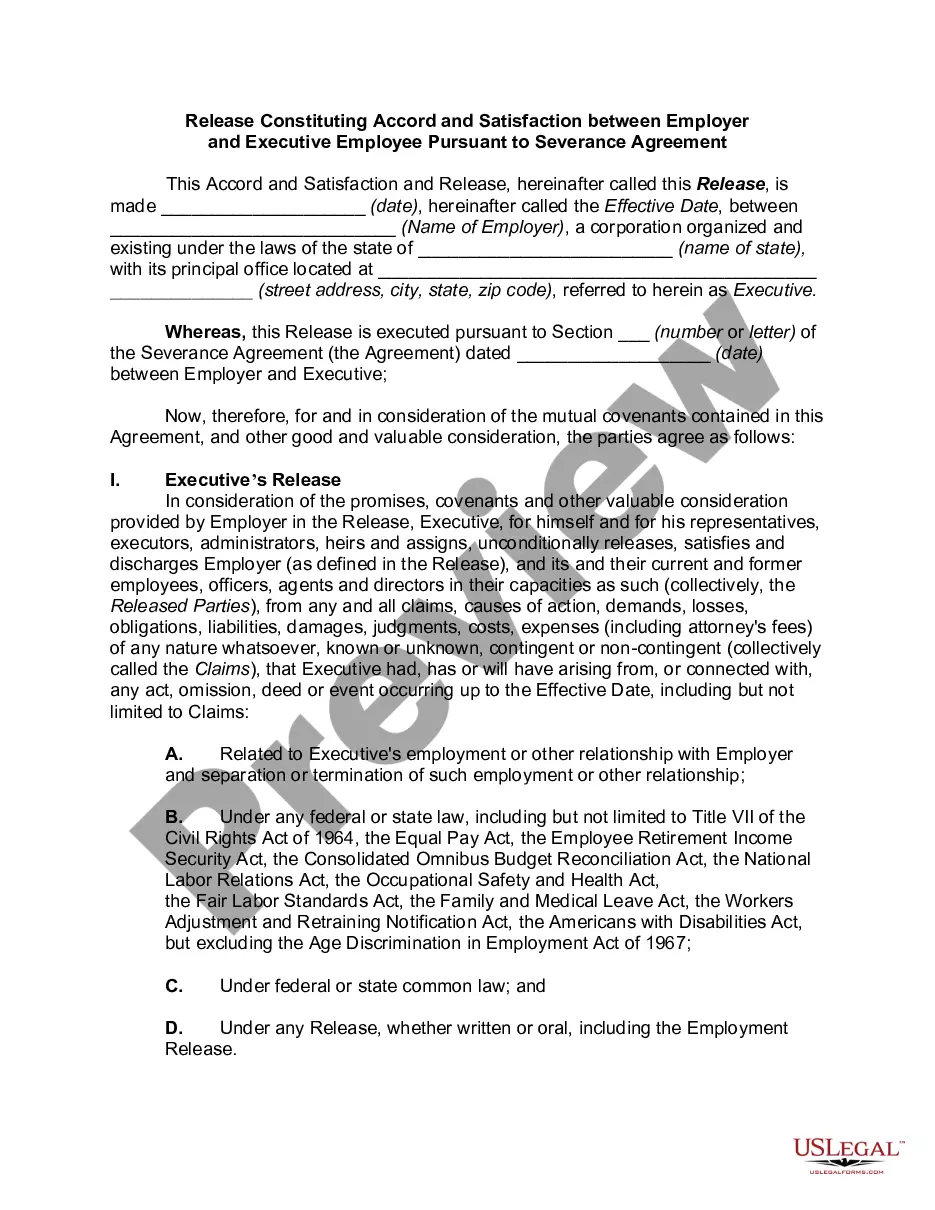
Get your form ready online
Our built-in tools help you complete, sign, share, and store your documents in one place.
Make edits, fill in missing information, and update formatting in US Legal Forms—just like you would in MS Word.
Download a copy, print it, send it by email, or mail it via USPS—whatever works best for your next step.
Sign and collect signatures with our SignNow integration. Send to multiple recipients, set reminders, and more. Go Premium to unlock E-Sign.
If this form requires notarization, complete it online through a secure video call—no need to meet a notary in person or wait for an appointment.
We protect your documents and personal data by following strict security and privacy standards.

Make edits, fill in missing information, and update formatting in US Legal Forms—just like you would in MS Word.

Download a copy, print it, send it by email, or mail it via USPS—whatever works best for your next step.

Sign and collect signatures with our SignNow integration. Send to multiple recipients, set reminders, and more. Go Premium to unlock E-Sign.

If this form requires notarization, complete it online through a secure video call—no need to meet a notary in person or wait for an appointment.

We protect your documents and personal data by following strict security and privacy standards.
Looking for another form?









Form popularity
FAQ
Generally, you do not get a severance package if you are fired ``for cause'' (from drug use, workplace violence, sexual harassment on one end to chronic tardiness or talking on the phone on the other).
Severance agreements can be challenged on grounds of unconscionability or duress. Unconscionability refers to terms that are so one-sided or oppressive that they shock the conscience.
During the termination meeting, deliver the news directly and humanely. Use clear, unambiguous language so there's no confusion about the decision. Explain the reasons objectively, referring to policy violations or performance gaps. Listen to the employee's response, but avoid getting drawn into a debate.
The agreement must be backed by consideration. The employer must give something of value to the employee in exchange for the agreement. Employees must have 21 days to consider the severance offer, or 45 days if more than one employee is laid off as part of a group lay off.
Fired 'For Cause': Your employer believes they have a strong reason – like gross misconduct or breach of policy – to end your employment without providing severance, notice or EI eligibility. Fired 'Without Cause': It means there's no serious misconduct. Reasons might include company downsizing or restructuring.
When a person gets terminated for cause in Texas, it means that they get dismissed for what is considered a satisfactory reason. This could include the disclosure of confidential information, fraud or misconduct.
Key elements of a well-drafted Termination With Cause clause: Definition of Cause: Clearly specifying the events or circumstances that constitute grounds for termination, such as non-payment, breach of representations or warranties, violation of laws or regulations, or failure to perform material obligations.
Do You Get Severance If You Get Fired? There are no legal requirements or federal law for employers to offer a dismissal or redundancy package at the time of termination of employment. The Fair Labor Standards Act (FLSA) does not have any such provisions either.
You may be eligible for benefits if you were fired for reasons other than misconduct. Examples of misconduct that could make you ineligible include violation of company policy, violation of law, neglect or mismanagement of your position, or failure to perform your work adequately if you are capable of doing so.
In Texas, employment is generally at-will, meaning an employee can be dismissed at any time and for any reason, as long as that reason isn't illegal under state or federal law.