Employer Severance Package In Dallas
Description

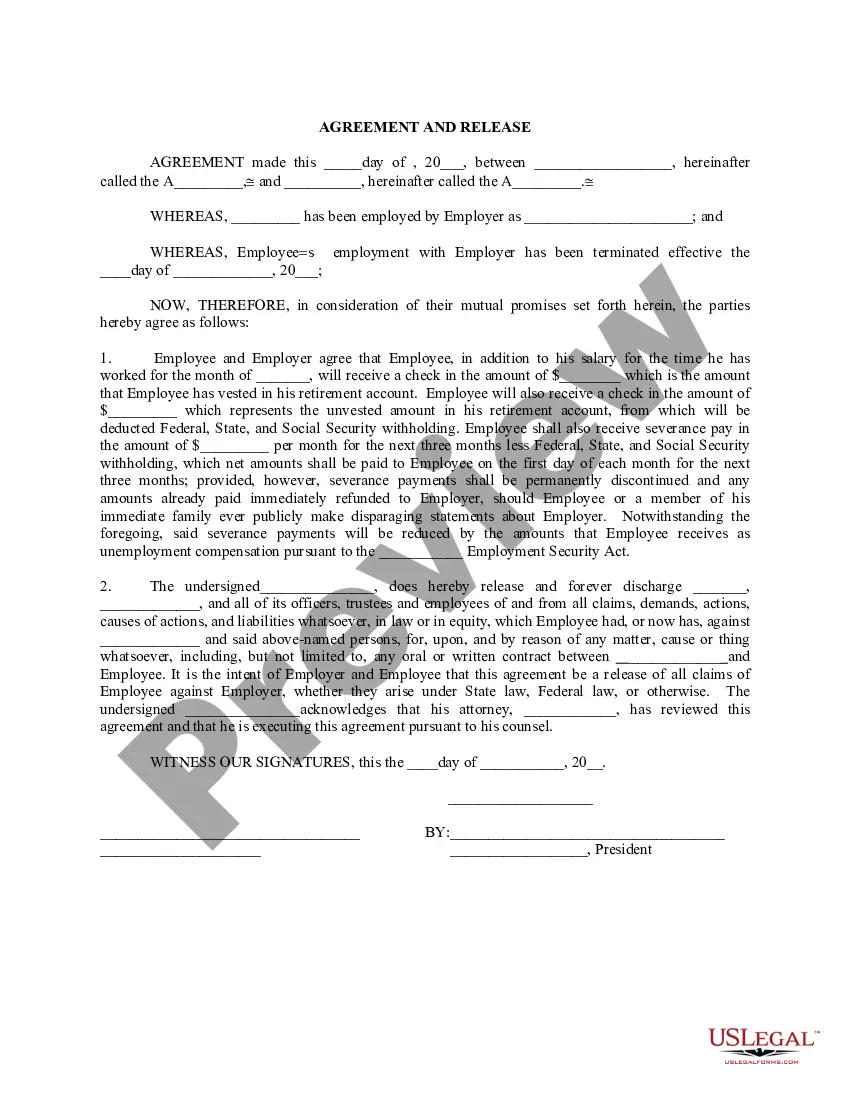
Get your form ready online
Our built-in tools help you complete, sign, share, and store your documents in one place.
Make edits, fill in missing information, and update formatting in US Legal Forms—just like you would in MS Word.
Download a copy, print it, send it by email, or mail it via USPS—whatever works best for your next step.
Sign and collect signatures with our SignNow integration. Send to multiple recipients, set reminders, and more. Go Premium to unlock E-Sign.
If this form requires notarization, complete it online through a secure video call—no need to meet a notary in person or wait for an appointment.
We protect your documents and personal data by following strict security and privacy standards.

Make edits, fill in missing information, and update formatting in US Legal Forms—just like you would in MS Word.

Download a copy, print it, send it by email, or mail it via USPS—whatever works best for your next step.

Sign and collect signatures with our SignNow integration. Send to multiple recipients, set reminders, and more. Go Premium to unlock E-Sign.

If this form requires notarization, complete it online through a secure video call—no need to meet a notary in person or wait for an appointment.

We protect your documents and personal data by following strict security and privacy standards.
Looking for another form?







Form popularity
FAQ
Yes, you can negotiate a severance package. Make sure you review the package offered by your employer. Be realistic when you try to negotiate if you feel you can. If you are unsure about how and where to start, consult a legal representative to review your separation agreement.
How to ask for a severance package Review your company's documents. You can typically find details of the company's policy regarding severance packages in a couple of places. Make note of your accomplishments. Stay professional. Negotiate severance during your job offer. Agree to an exit interview.
The agreement must be backed by consideration. The employer must give something of value to the employee in exchange for the agreement. Employees must have 21 days to consider the severance offer, or 45 days if more than one employee is laid off as part of a group lay off.
Employers are generally understanding about layoffs. Be honest about why you left, and share that your previous company had layoffs that affected you. It's important to only frame leaving your job as a layoff if the company truly laid you off, not if they fired you, to represent your situation accurately.
The agreement must be backed by consideration. The employer must give something of value to the employee in exchange for the agreement. Employees must have 21 days to consider the severance offer, or 45 days if more than one employee is laid off as part of a group lay off.
What is the downside to severance? The downside to severance includes financial drawbacks such as loss of steady income, potential loss of benefits, and uncertainty about future job prospects, as well as the impact on retirement savings and benefits.
First you can simply ask. The offer of severance is not a legal obligation. It is an attempt by the employer to assure that you will never make any claims against it. Some times simply asking for more can trigger a discussion, but do not count on it. Especially in a RIF where many people are involved.
It makes no difference how long you've been with a company so yes, it's legal to lay off any and everyone without severance. The exceptions: a union agreement requiring severance, a personal contract calling for a severance. This is usually only for executives and ``key'' people.
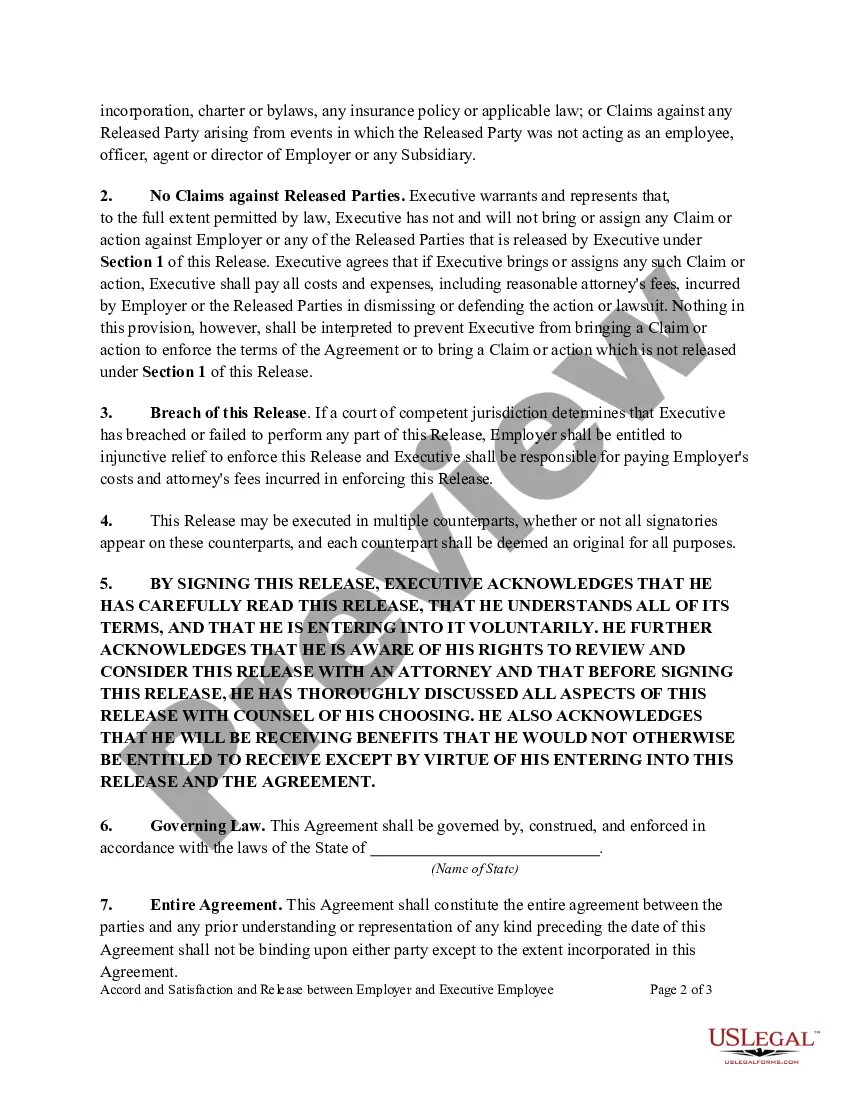
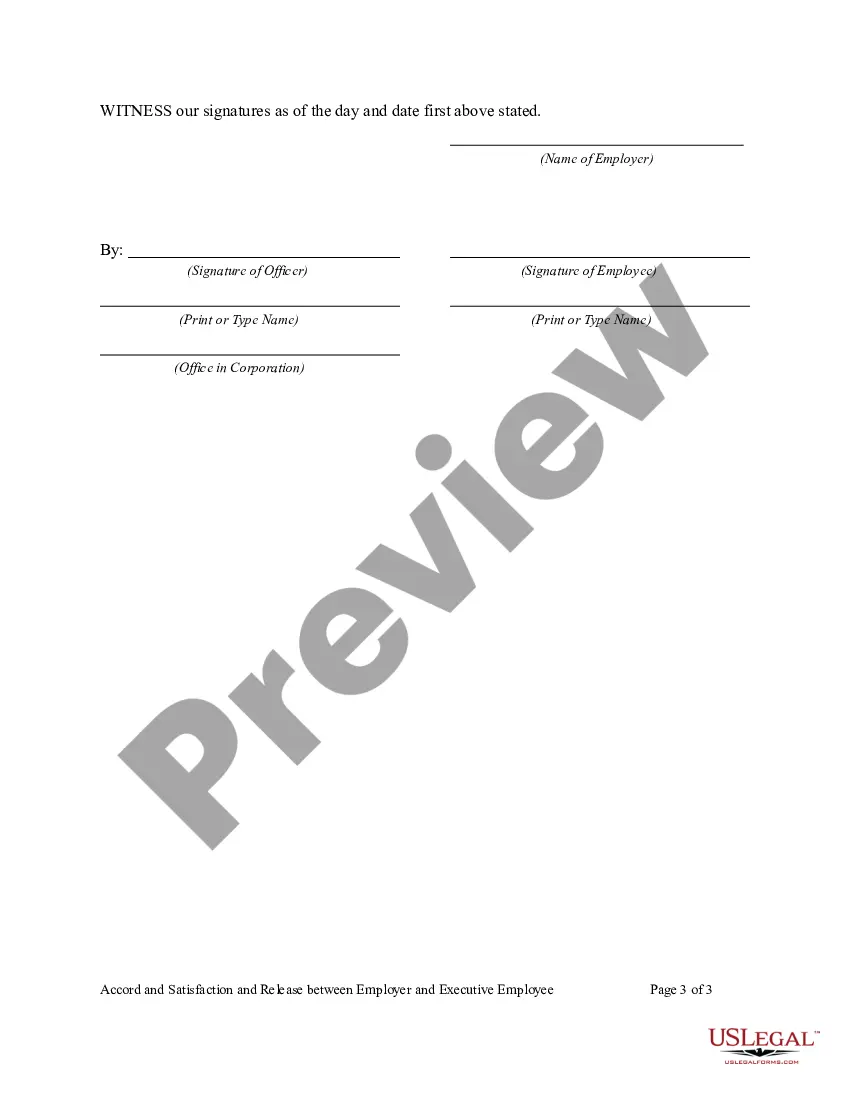
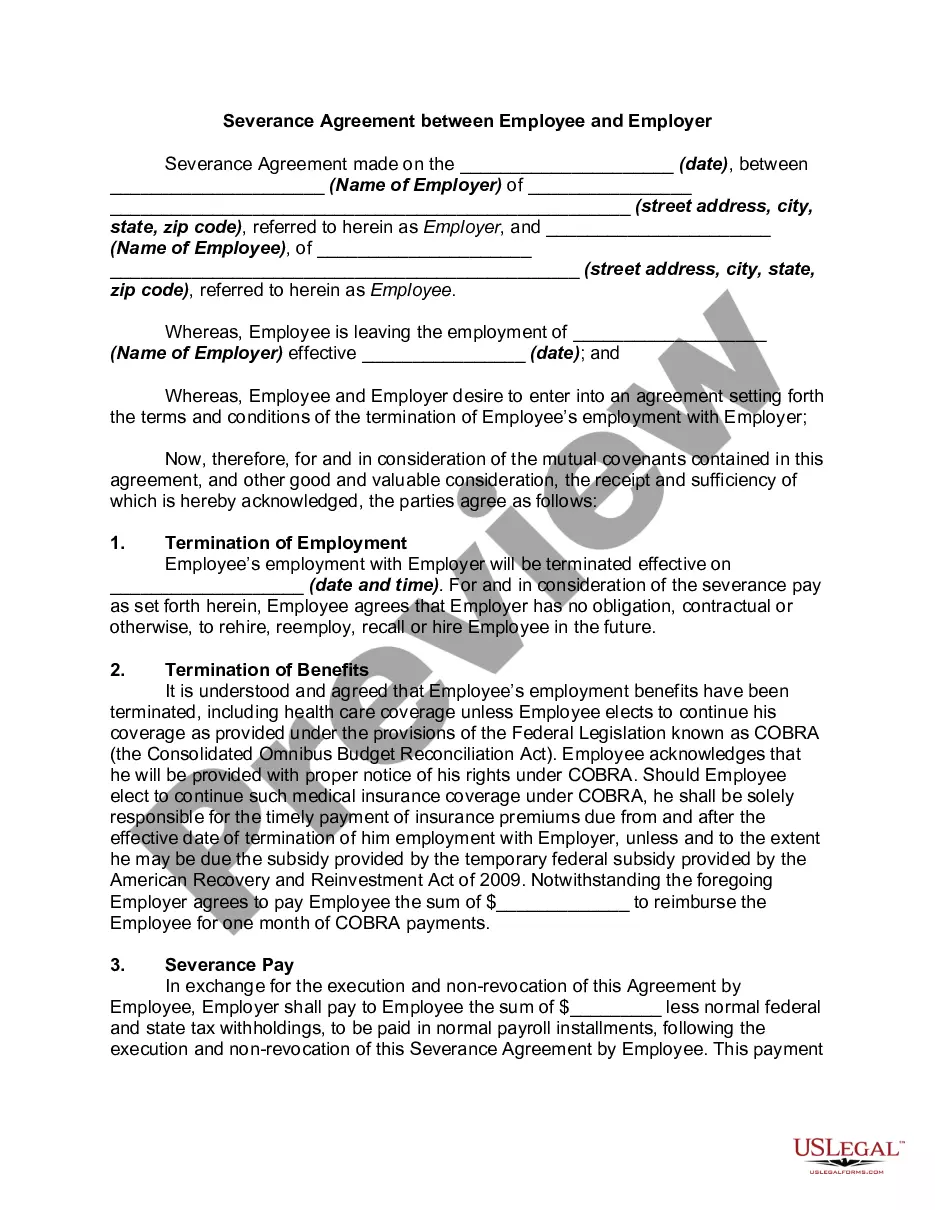
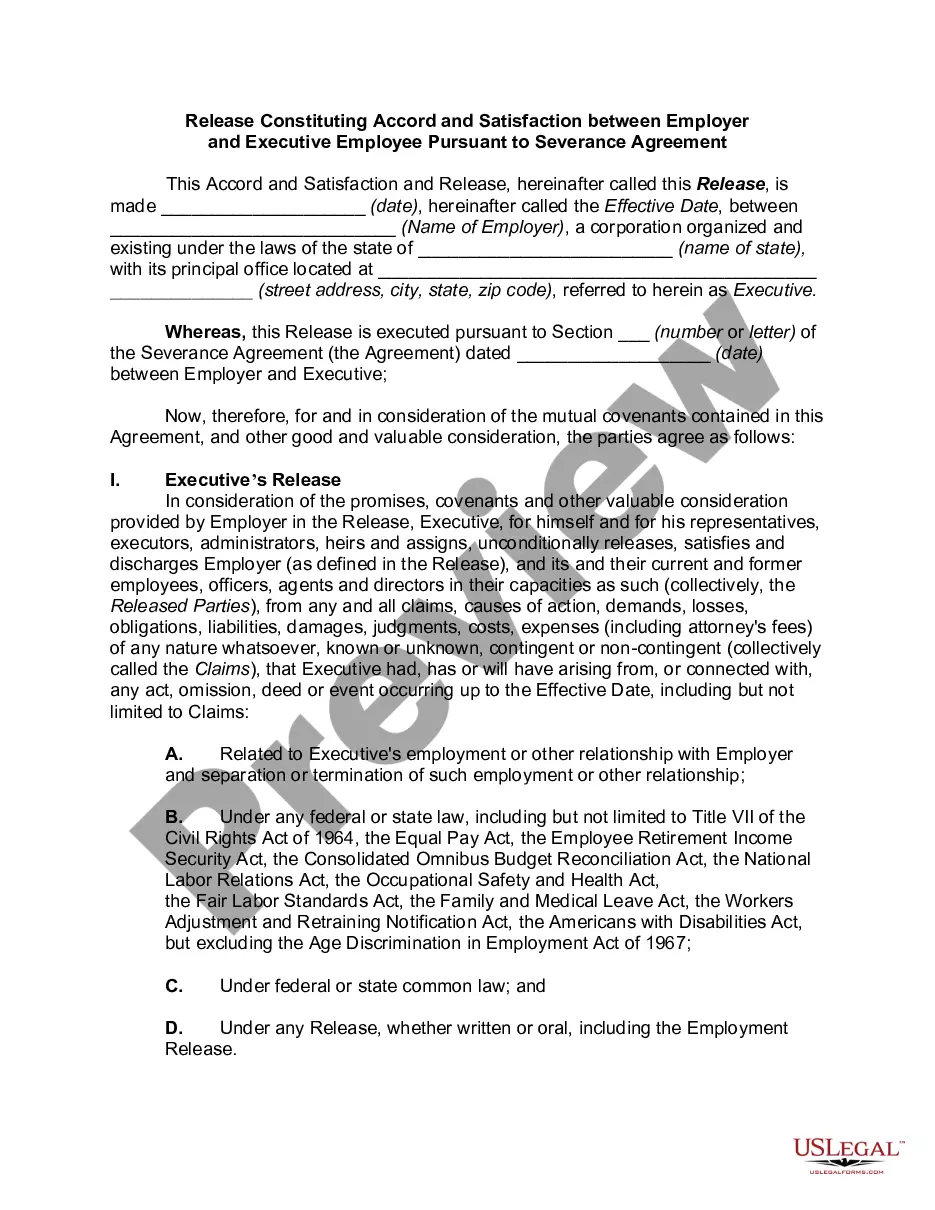
Most employers offer a severance agreement established by company policy that outlines the financial terms on which the employee will leave the company. Sometimes, employees can negotiate those terms. Regardless, they must sign the agreement to receive their severance package.