Termination Without Severance In Cuyahoga
Description

Form popularity
FAQ
The termination process in Ohio doesn't have a specific mandated duration because the state follows the “at-will” employment doctrine, allowing employers to terminate employees at any time for any reason that is not illegal (as mandated by the state) without a notice period.
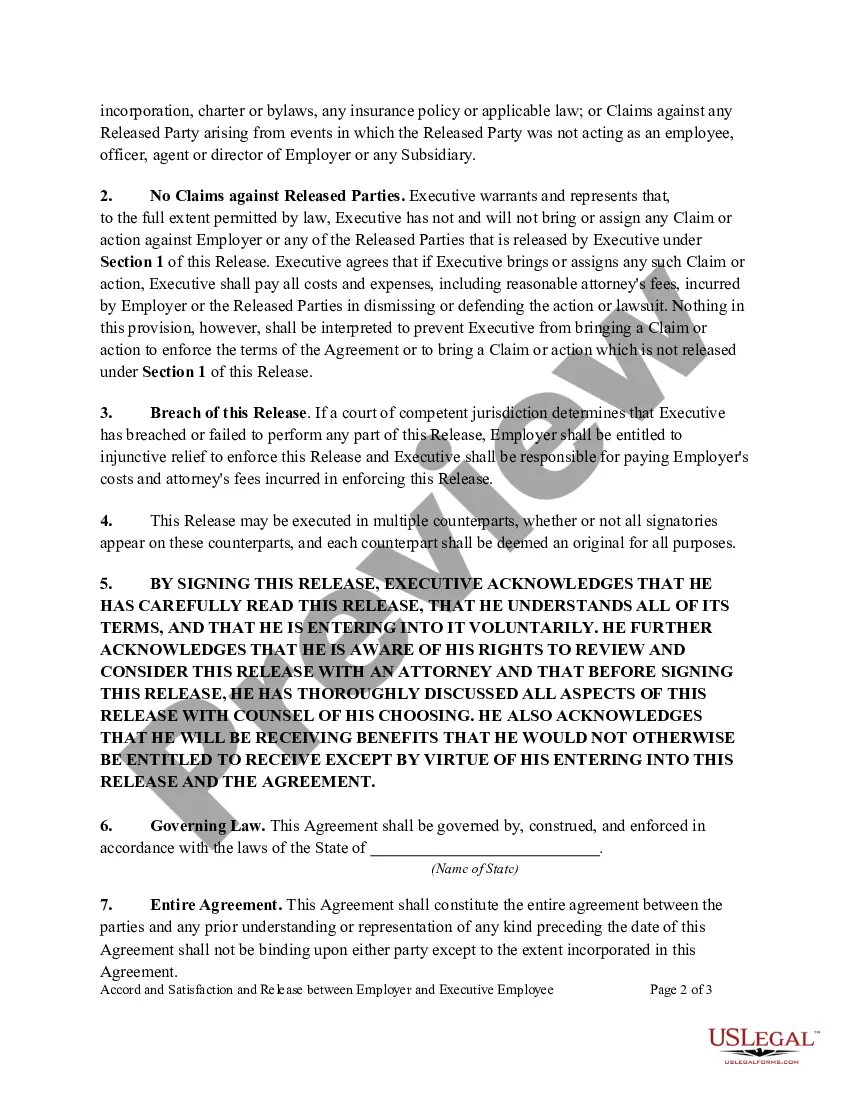
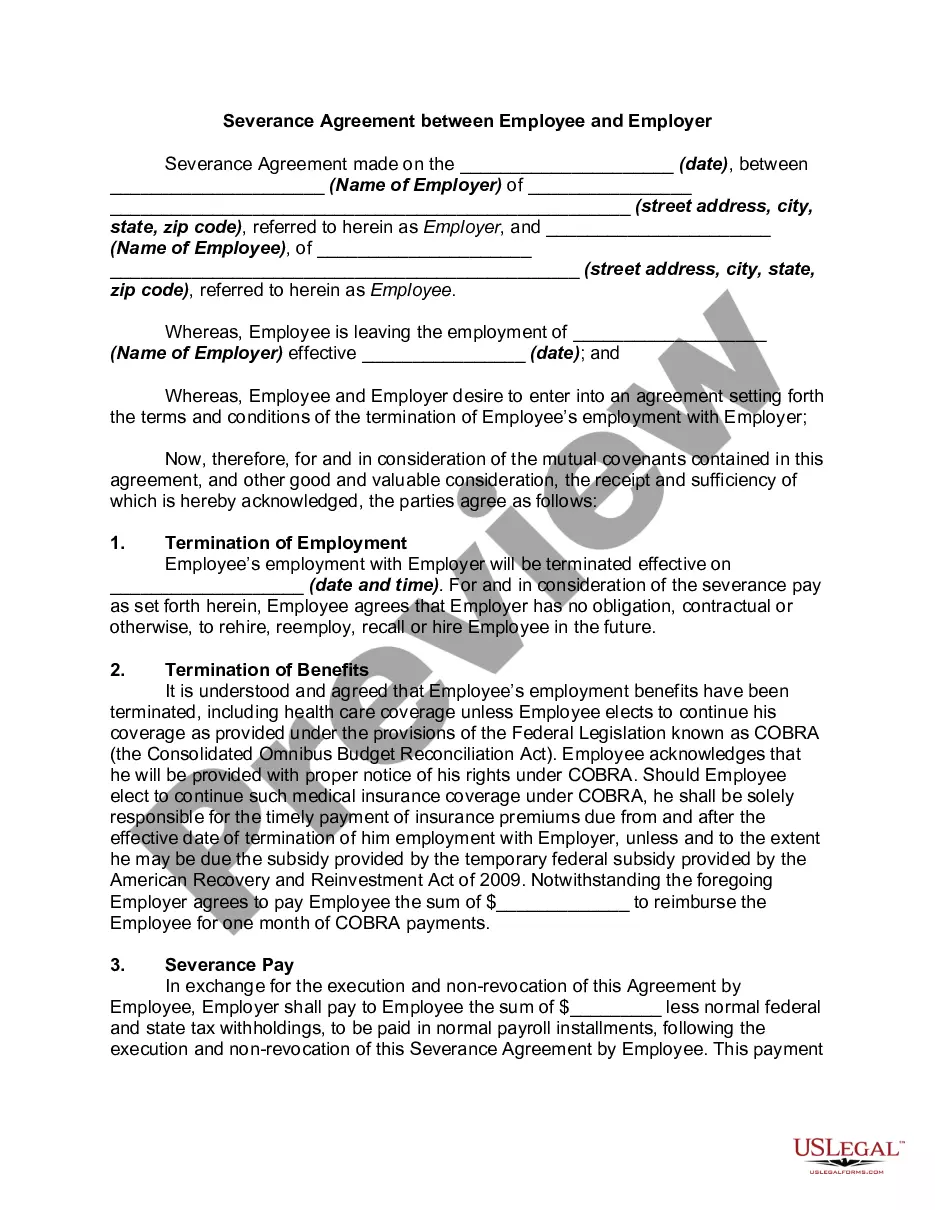
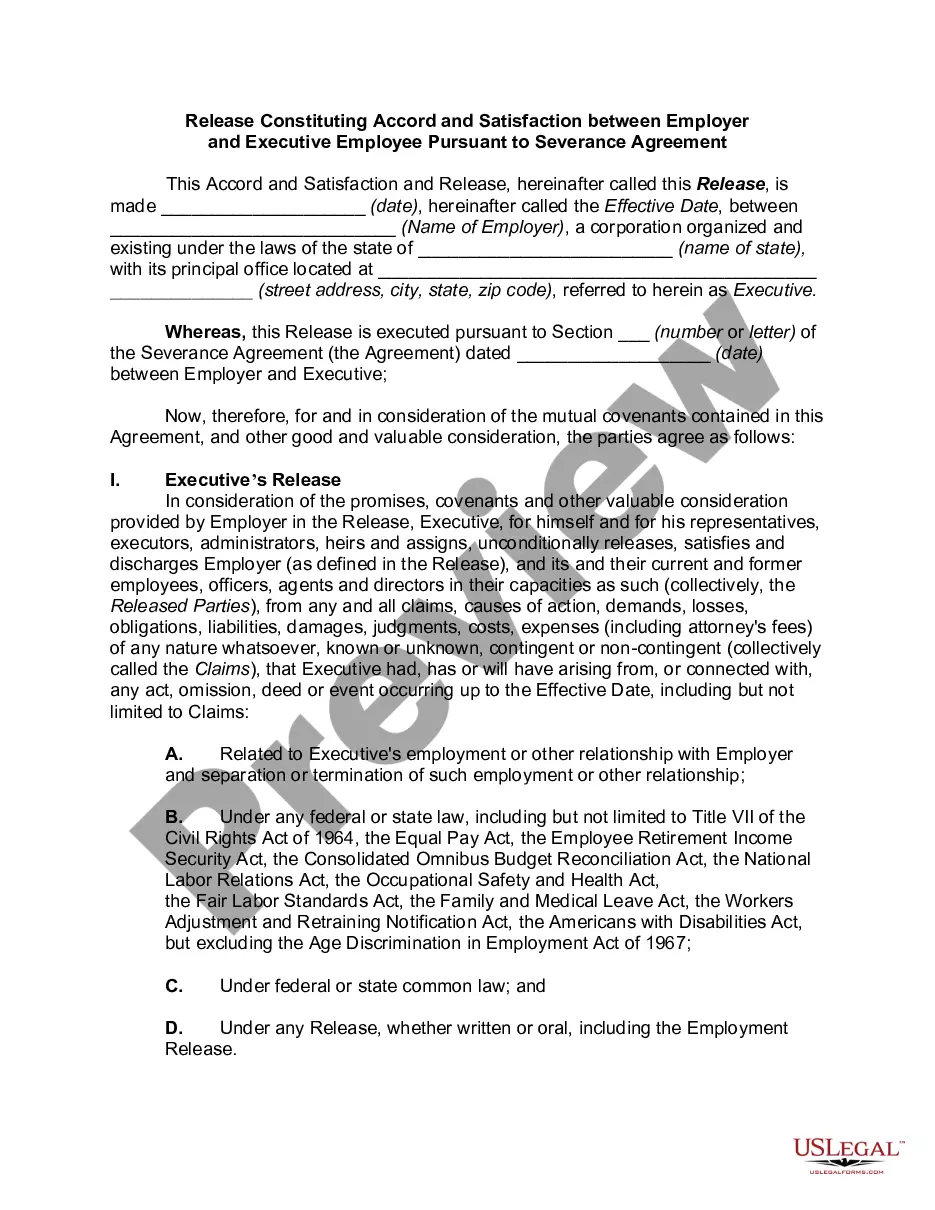
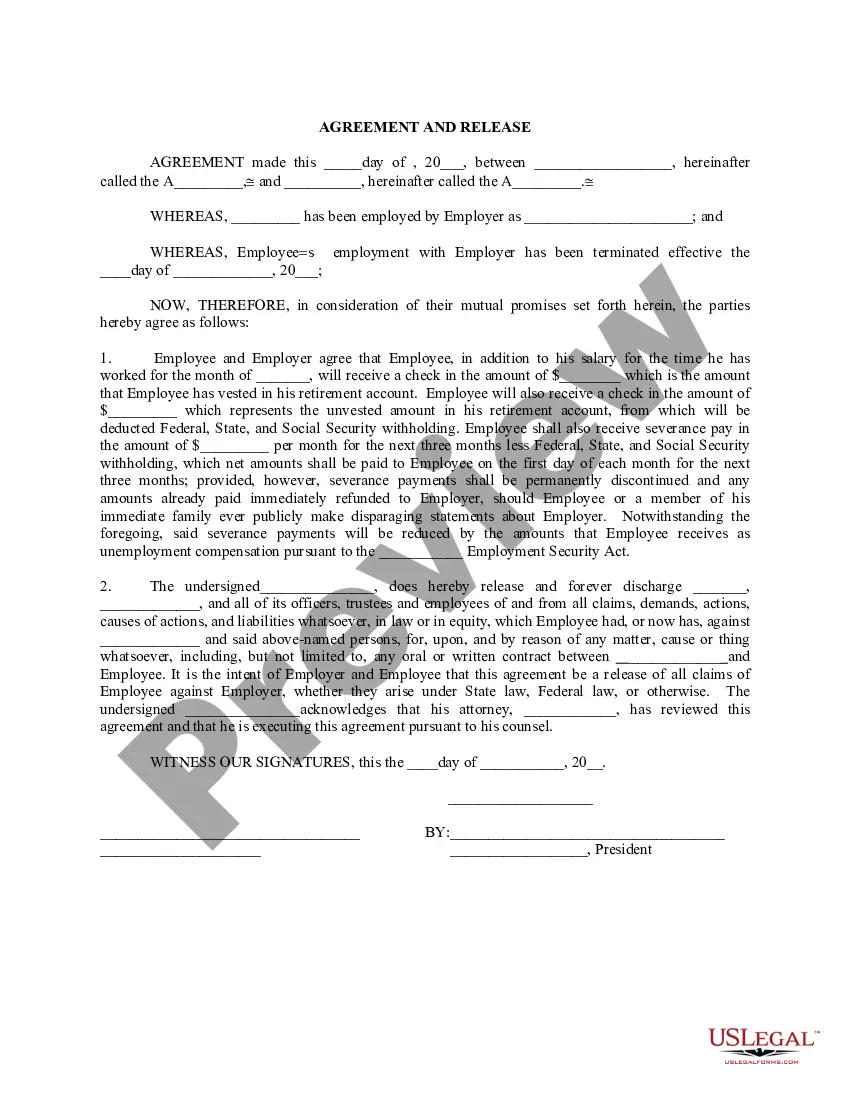
While employers are not legally required to offer severance packages in Ohio, many choose to do so for a smooth transition and to mitigate potential legal disputes.
Under Ohio law, a divorce may be granted on the basis of bigamy, willful absence for one year, adultery, extreme cruelty, fraudulent contract, gross neglect, habitual drunkenness, imprisonment, unilateral procurement of divorce outside state, separation for one year and incompatibility.
To file for a dissolution, you will need to sit down with your spouse to fill out a number of complex forms. Then you will file the forms with your clerk of court. This page will help you understand what to fill out, what you should think through and provide the forms you will need.
It is possible to electronically file (“e-file”) certain divorce documents online in Ohio. However, you and your spouse need to physically appear in court for any divorce or dissolution in Ohio.
If your divorce is uncontested, meaning you and your spouse agree to end the marriage and all aspects of the dissolution, you will likely avoid much of the need for an attorney. However, it is always a good idea to seek advice from an Ohio dissolution of marriage lawyer.
To file for a dissolution, you will need to sit down with your spouse to fill out a number of complex forms. Then you will file the forms with your clerk of court. This page will help you understand what to fill out, what you should think through and provide the forms you will need.
Ohio, as an “at-will” employment state, permits an employer, absent an employment contract to the contrary, to terminate an employee for no reason or any reason at all, so long as the reason does not violate Ohio or federal law.
Understanding termination letters The date of termination. The reason for the termination (while not always required, many include it) Any severance benefits or other compensation the employee is entitled to. Instructions for the return of company property. Details regarding the final paycheck and accrued vacation time.
Ohio, as an “at-will” employment state, permits an employer, absent an employment contract to the contrary, to terminate an employee for no reason or any reason at all, so long as the reason does not violate Ohio or federal law.