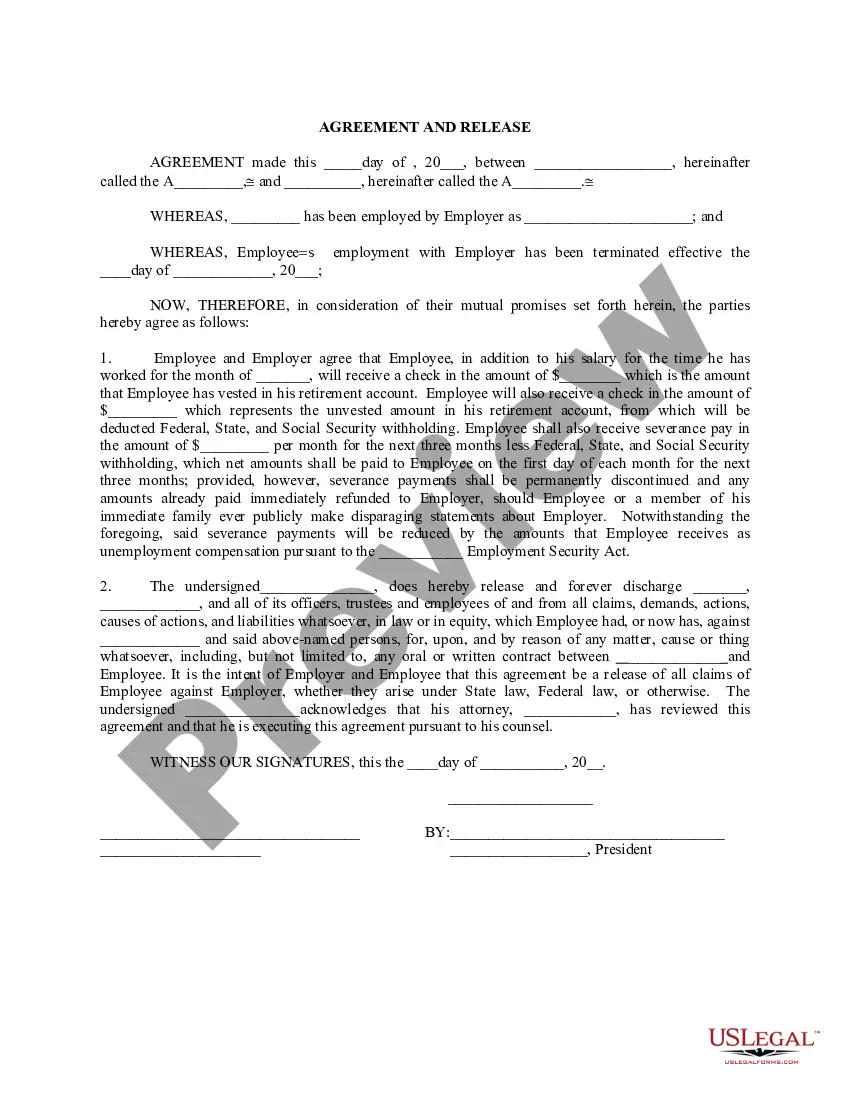
Termination With Severance Letter In Contra Costa
Description

Get your form ready online
Our built-in tools help you complete, sign, share, and store your documents in one place.
Make edits, fill in missing information, and update formatting in US Legal Forms—just like you would in MS Word.
Download a copy, print it, send it by email, or mail it via USPS—whatever works best for your next step.
Sign and collect signatures with our SignNow integration. Send to multiple recipients, set reminders, and more. Go Premium to unlock E-Sign.
If this form requires notarization, complete it online through a secure video call—no need to meet a notary in person or wait for an appointment.
We protect your documents and personal data by following strict security and privacy standards.

Make edits, fill in missing information, and update formatting in US Legal Forms—just like you would in MS Word.

Download a copy, print it, send it by email, or mail it via USPS—whatever works best for your next step.

Sign and collect signatures with our SignNow integration. Send to multiple recipients, set reminders, and more. Go Premium to unlock E-Sign.

If this form requires notarization, complete it online through a secure video call—no need to meet a notary in person or wait for an appointment.

We protect your documents and personal data by following strict security and privacy standards.
Looking for another form?








Form popularity
FAQ
Non-waivable claims: Certain claims, such as workers' compensation and unemployment insurance claims, cannot be waived by the employee. No prevailing party and attorney's fees: Ensure that the agreement does not include provisions that would allow either party to claim attorney's fees if legal disputes arise.
On February 21, 2023, the NLRB issued a decision stating that the language of typical Confidentiality Clauses and Non-disparagement Clauses are illegal because they infringe on an employee's right to organize (form a union) or help other employees organize.
Generally speaking, employees who are fired are not offered a severance package—particularly when they are fired for misconduct. However, some fired employees are offered a severance package in the hope that they will “go away” after receiving the package.
While no mandate requires employers to provide severance under California law, SB 331, signed into law in October 2021, introduced important provisions: Time to Review: You have a minimum of five days to review the severance agreement.
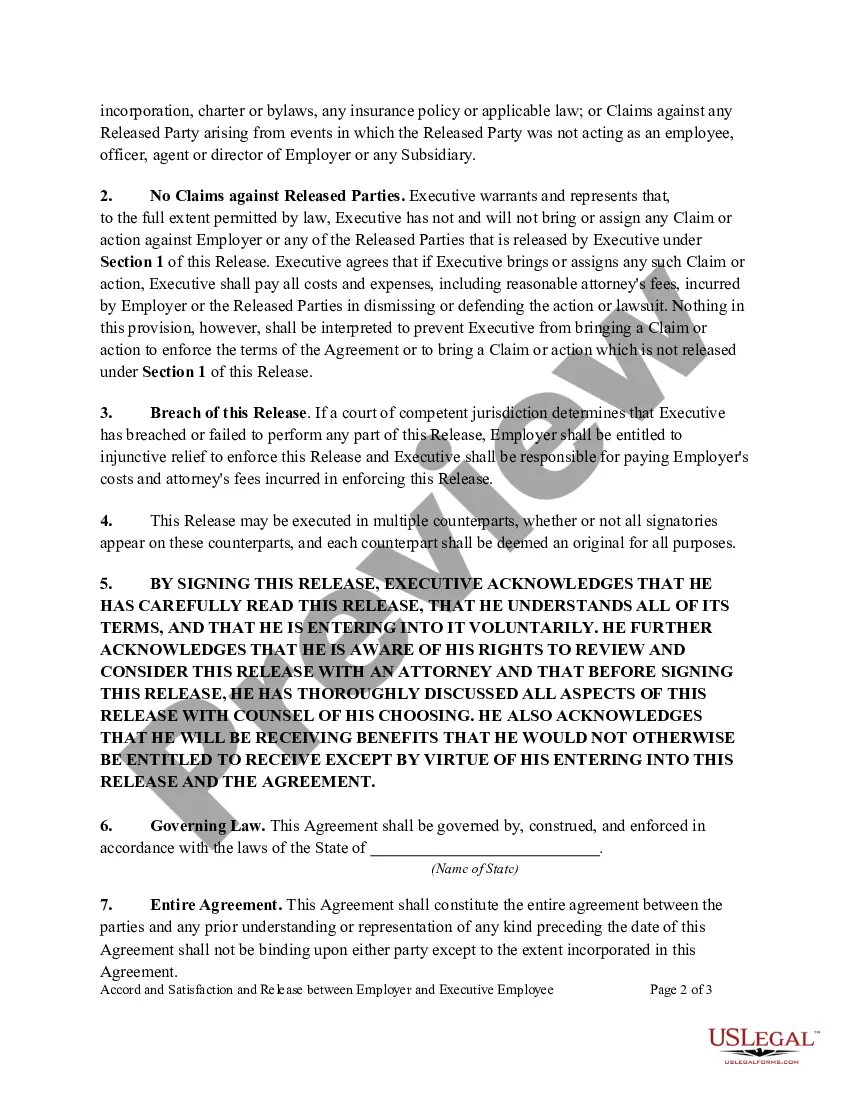
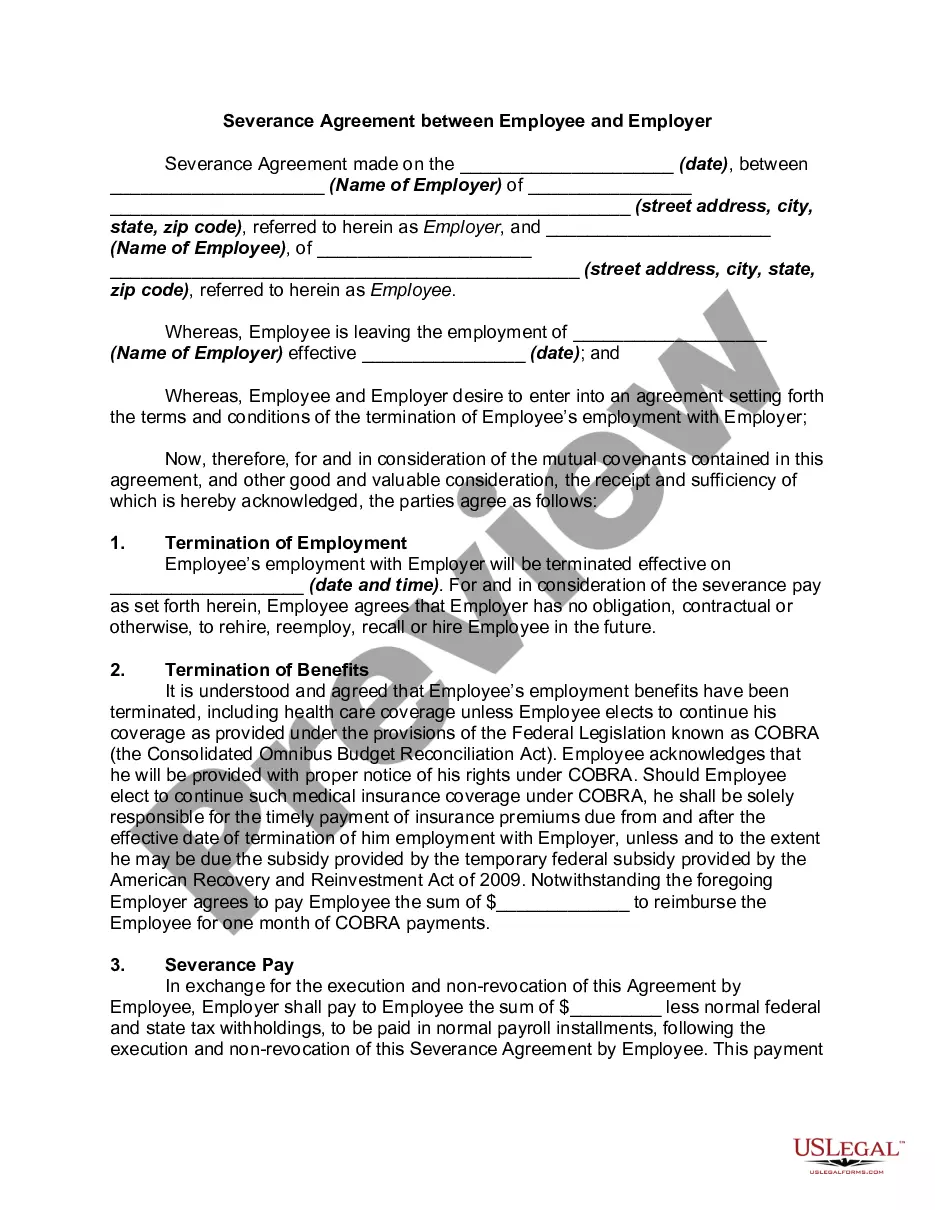
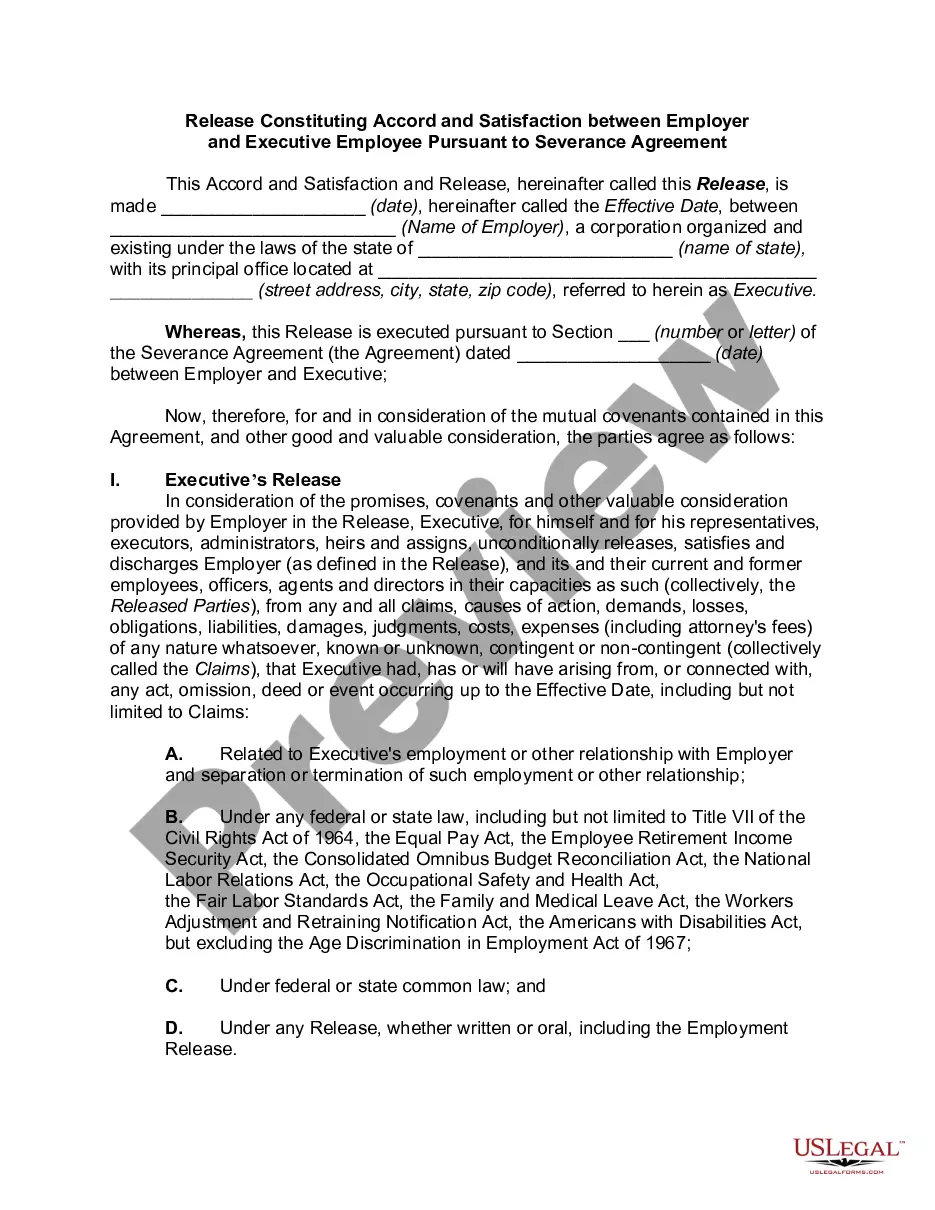
Basically, a severance agreement is a waiver or release of liability that the outgoing employee signs, protecting the business from lawsuits. These agreements are usually part of a larger severance package that includes compensation, outplacement services, and other benefits in exchange for the employee's signature.
Lack of Voluntary Consent: Under California law, a severance agreement can be considered valid and enforceable only if the parties entered into it voluntarily. If your consent was obtained through coercion, duress, or fraud, the agreement will be deemed invalid.
What is the downside to severance? The downside to severance includes financial drawbacks such as loss of steady income, potential loss of benefits, and uncertainty about future job prospects, as well as the impact on retirement savings and benefits.