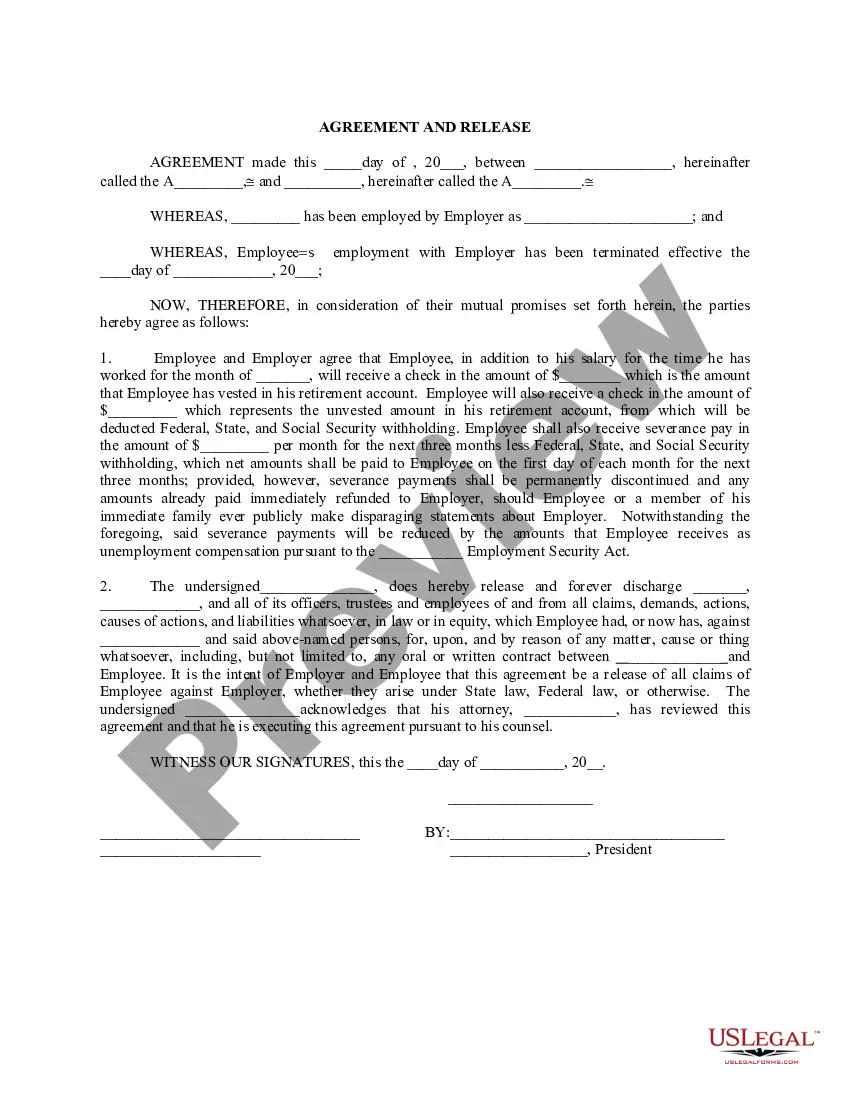
Severance Agreement Form With Non-disparagement Clause In Chicago
Description

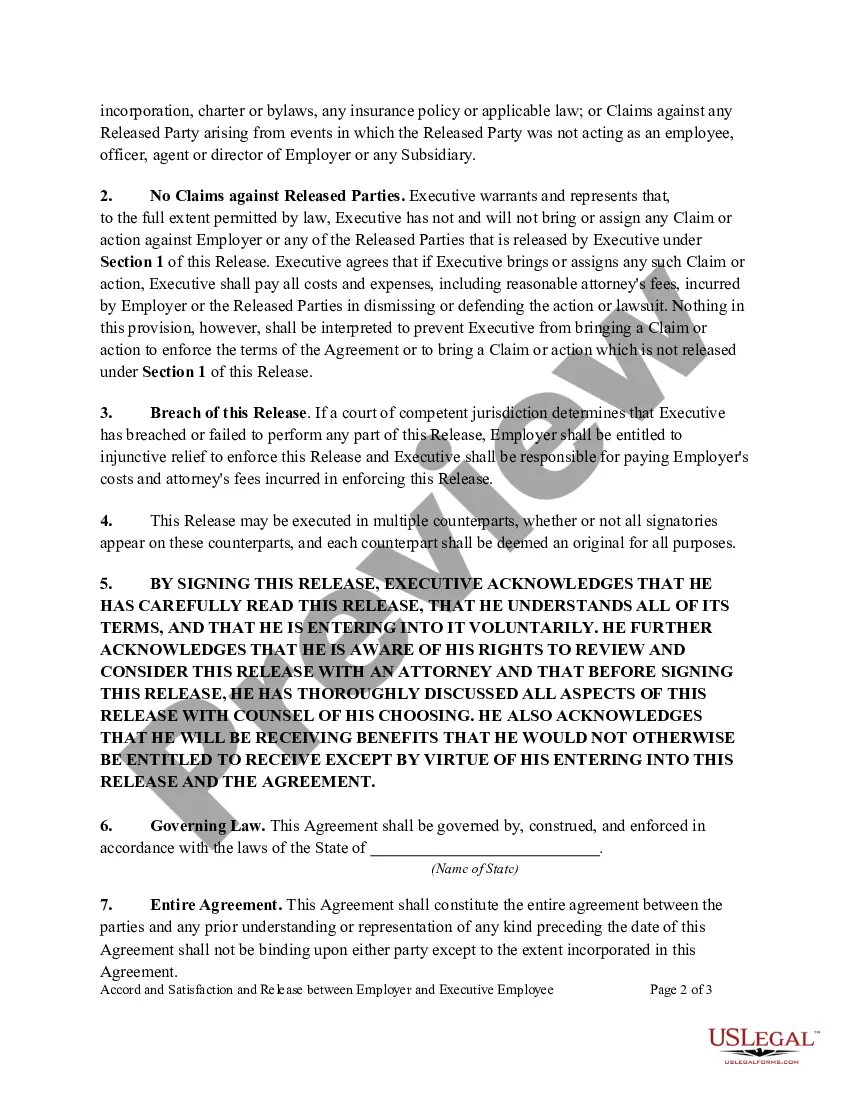
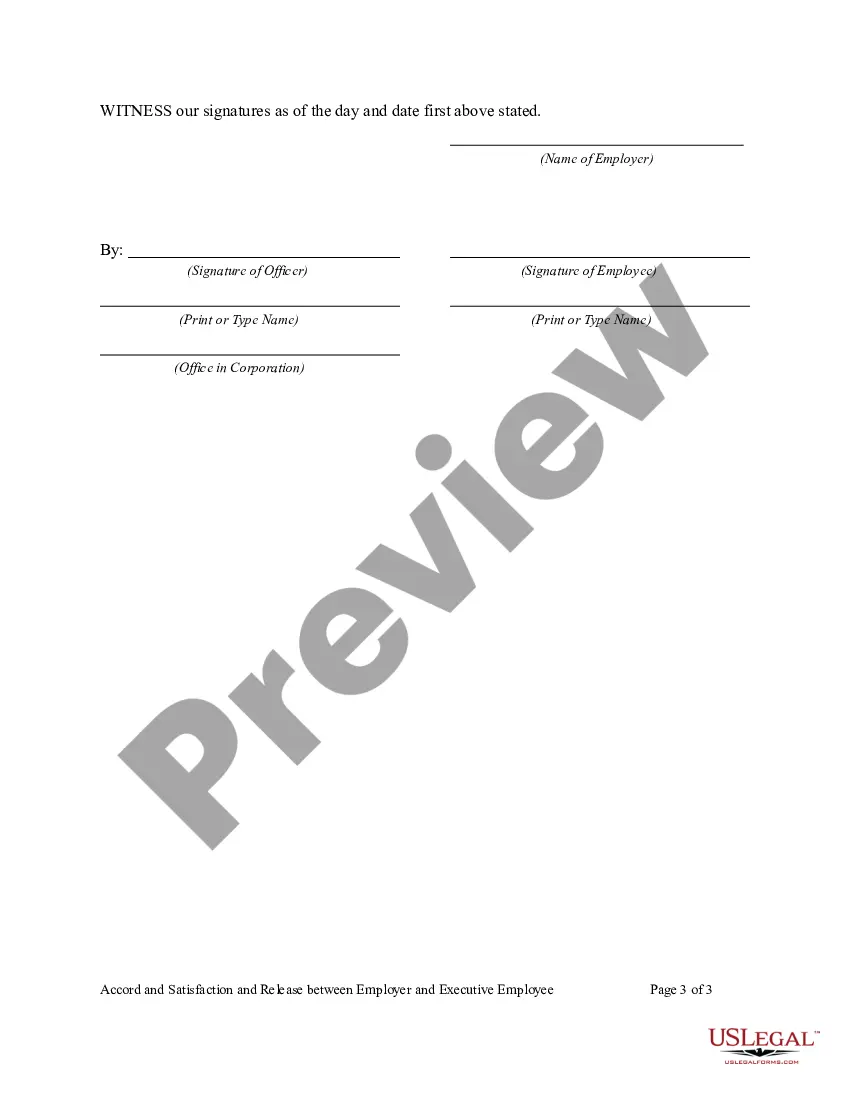
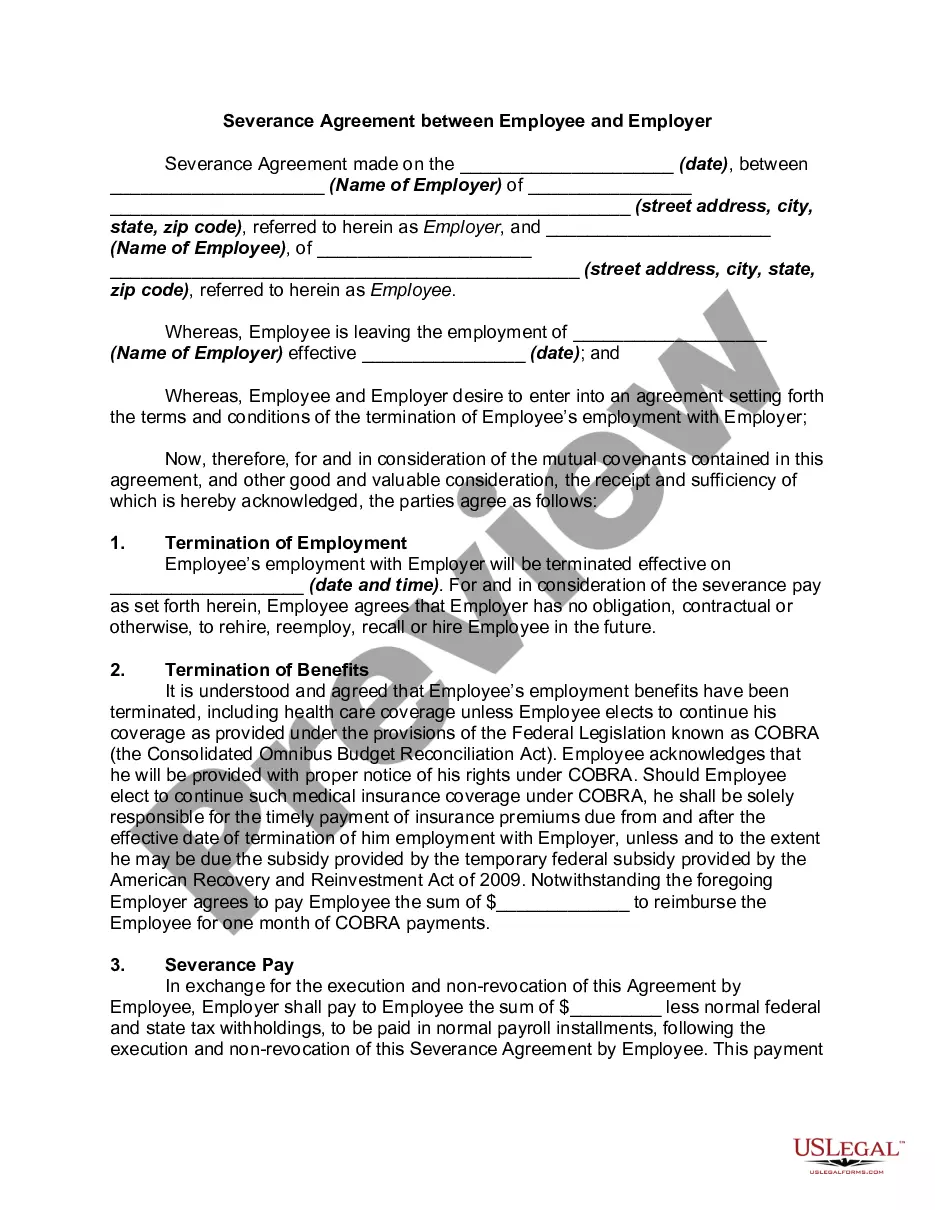
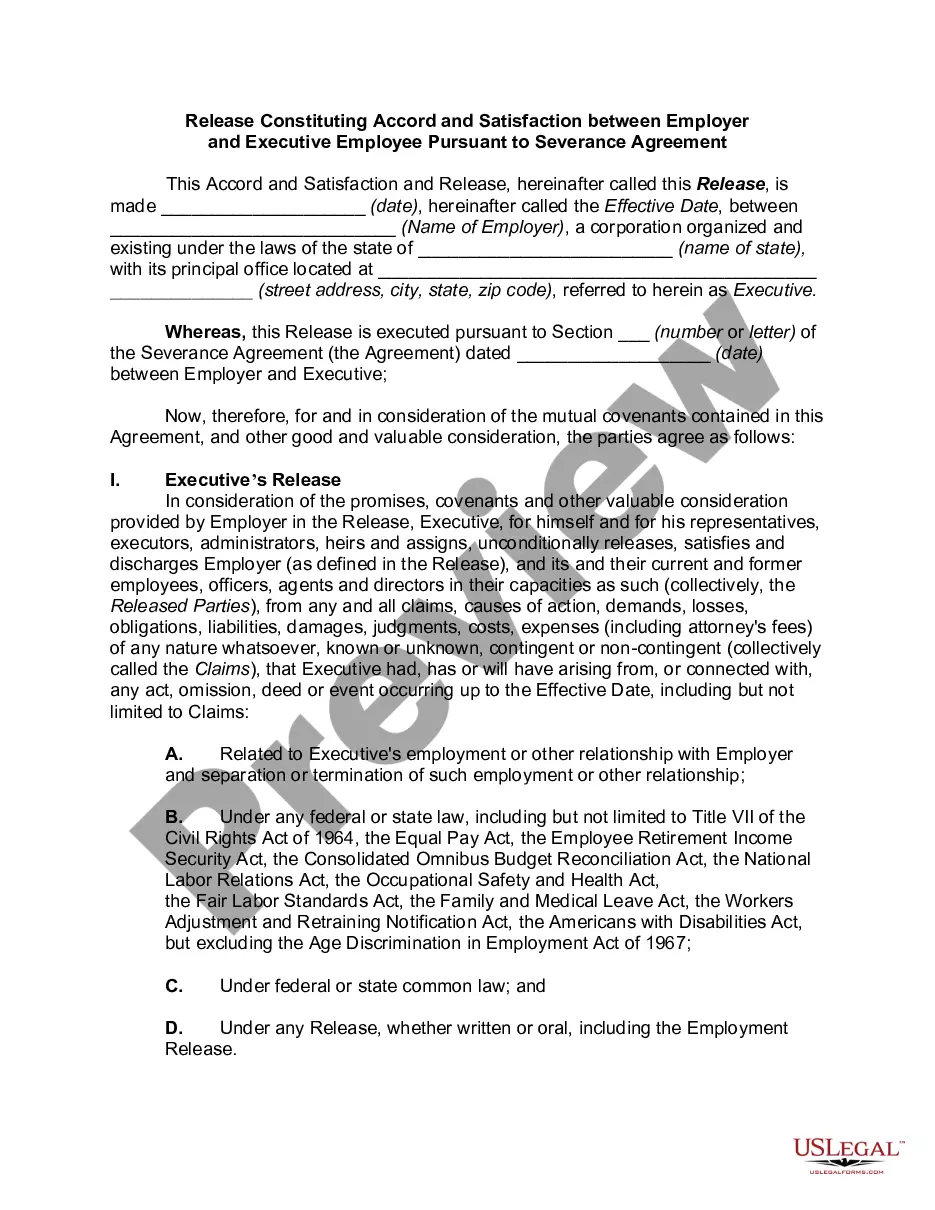
Get your form ready online
Our built-in tools help you complete, sign, share, and store your documents in one place.
Make edits, fill in missing information, and update formatting in US Legal Forms—just like you would in MS Word.
Download a copy, print it, send it by email, or mail it via USPS—whatever works best for your next step.
Sign and collect signatures with our SignNow integration. Send to multiple recipients, set reminders, and more. Go Premium to unlock E-Sign.
If this form requires notarization, complete it online through a secure video call—no need to meet a notary in person or wait for an appointment.
We protect your documents and personal data by following strict security and privacy standards.

Make edits, fill in missing information, and update formatting in US Legal Forms—just like you would in MS Word.

Download a copy, print it, send it by email, or mail it via USPS—whatever works best for your next step.

Sign and collect signatures with our SignNow integration. Send to multiple recipients, set reminders, and more. Go Premium to unlock E-Sign.

If this form requires notarization, complete it online through a secure video call—no need to meet a notary in person or wait for an appointment.

We protect your documents and personal data by following strict security and privacy standards.
Looking for another form?









Form popularity
FAQ
This provision is commonly found in: Settlement agreements. Severance agreements. Stock or benefits agreements.
Severance agreements can be challenged on grounds of unconscionability or duress. Unconscionability refers to terms that are so one-sided or oppressive that they shock the conscience.
When settling a lawsuit or pre-litigation disputes, parties sometimes insist on including non-disparagement clauses in their settlement or severance agreements. Broadly speaking, these clauses prevent one or both parties to the agreement from making negative comments about each other.
So if you were laid off and signed a separation agreement even before the February ruling, your former employer won't be able to enforce any overly broad confidentiality, non-disclosure, and non-disparagement clauses in your original agreement.
The Workplace Transparency Act provides that an employer shall not enter into a contract or agreement with an employee or applicant if that contract or agreement contains a nondisclosure or nondisparagement clause or forced arbitration clause that covers workplace harassment or discrimination, including sexual ...
As to whether the non-disparagement clause is lawful, that depends on whether certain exceptions are provided for. There should be exceptions that allow a party to provide truthful testimony in legal proceedings, communicate truthfully with any government agency, or enforce the agreement the parties signed.
In California, Government Code § 12964.5 makes it unlawful for employers to include a non-disparagement clause without clear language that preserves your right to disclose unlawful conduct.
The parties agree to not make any statements written or verbal, or cause or encourage any others to make statements, written or verbal regarding the past behavior of the parties, which statements would tend to disparage or impugn the reputation of any party.
disparagement clause generally prevents employees from disclosing certain confidential business information or saying anything negative about their former employer. Confidentiality clauses generally prohibit employees from sharing details of the severance agreement.