Severance Agreement Form For Over 40 In California
Description

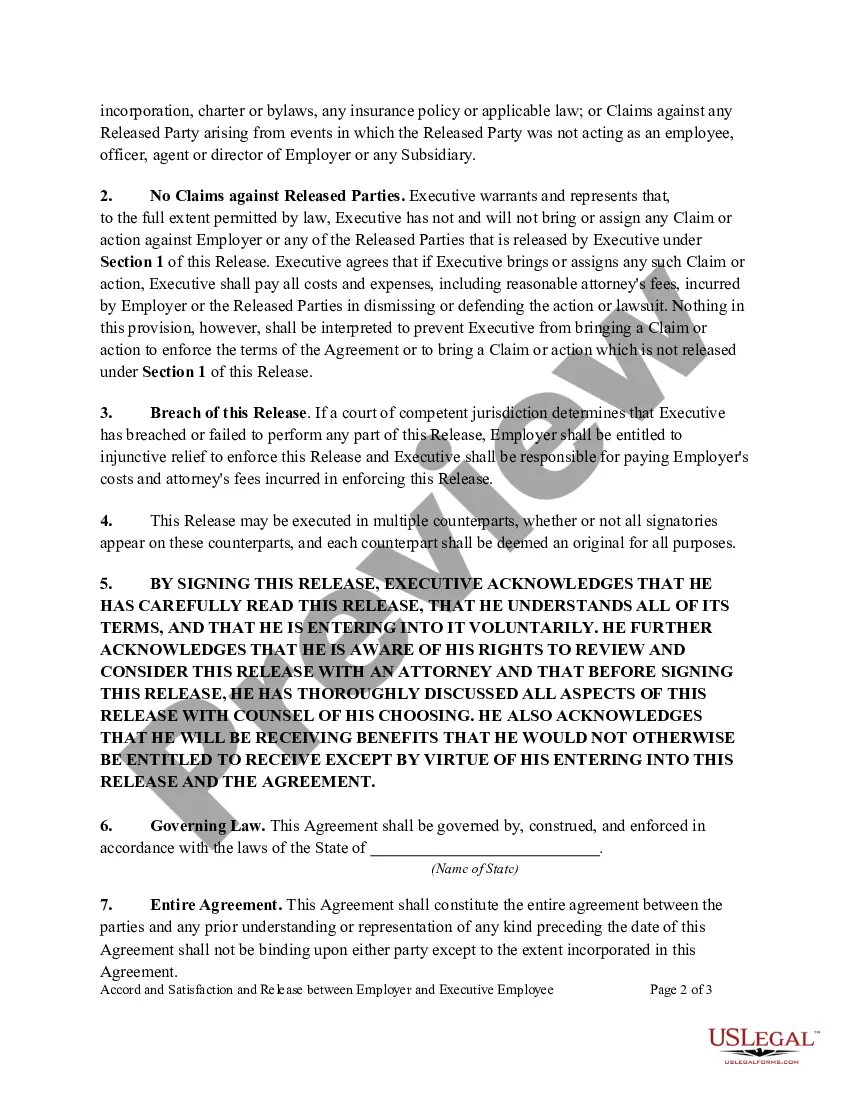
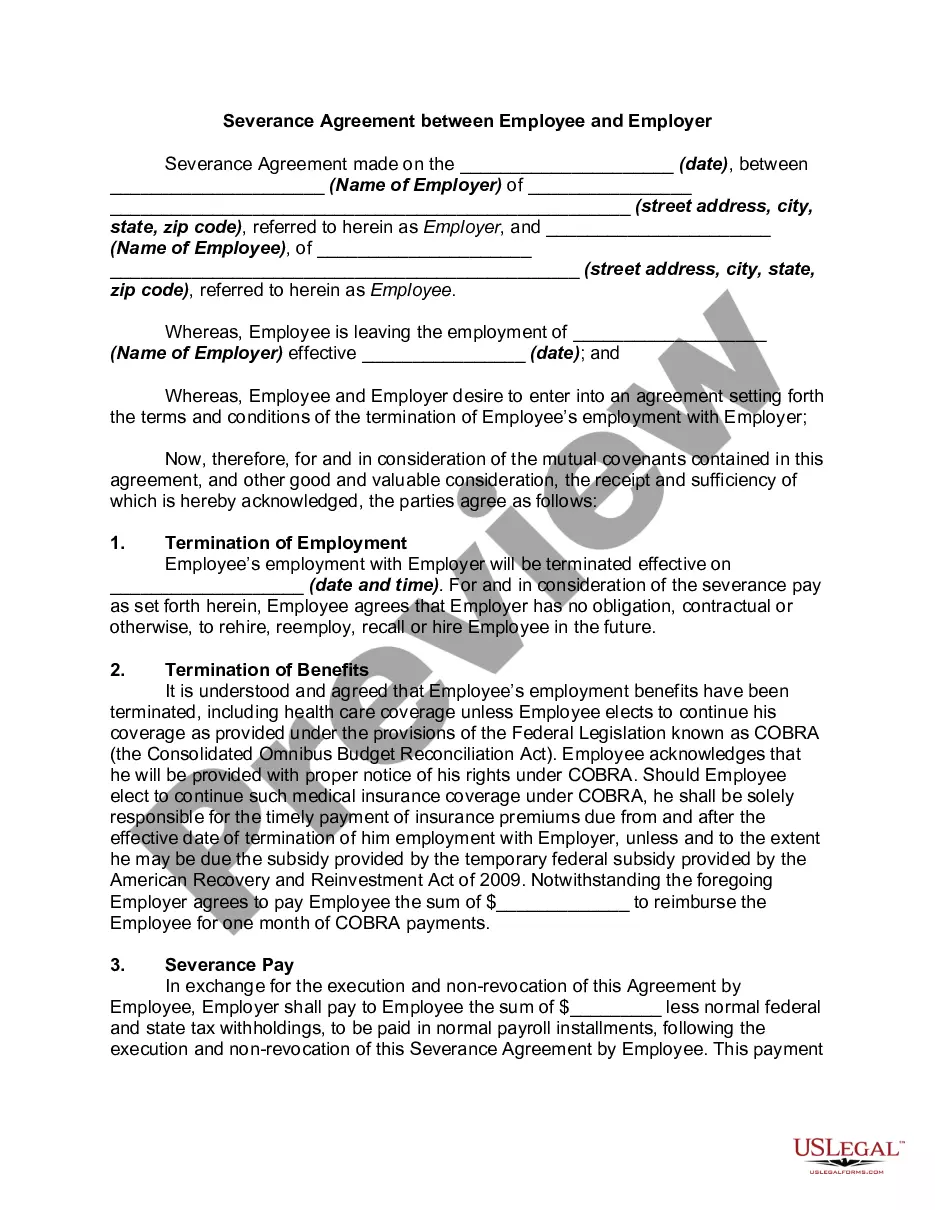
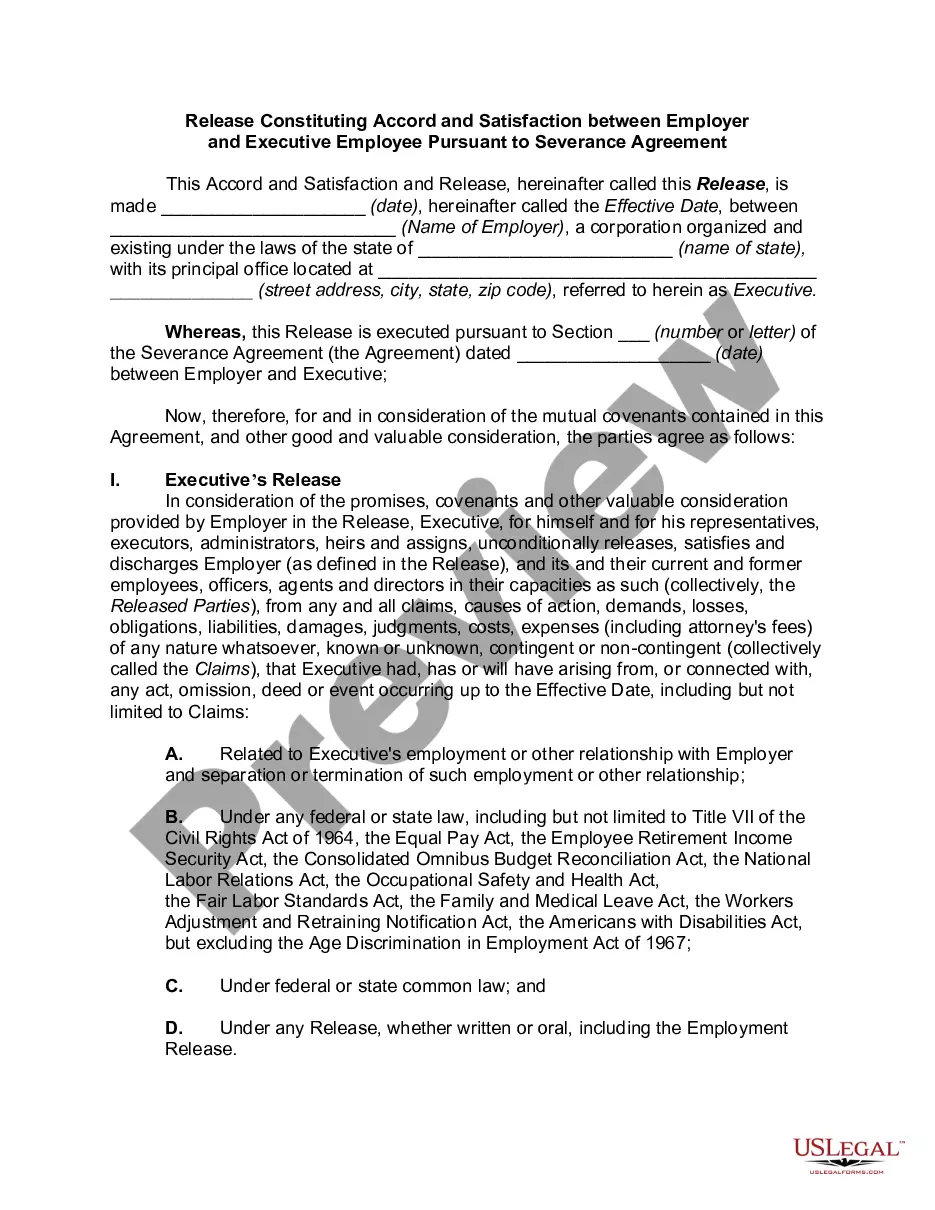
Get your form ready online
Our built-in tools help you complete, sign, share, and store your documents in one place.
Make edits, fill in missing information, and update formatting in US Legal Forms—just like you would in MS Word.
Download a copy, print it, send it by email, or mail it via USPS—whatever works best for your next step.
Sign and collect signatures with our SignNow integration. Send to multiple recipients, set reminders, and more. Go Premium to unlock E-Sign.
If this form requires notarization, complete it online through a secure video call—no need to meet a notary in person or wait for an appointment.
We protect your documents and personal data by following strict security and privacy standards.

Make edits, fill in missing information, and update formatting in US Legal Forms—just like you would in MS Word.

Download a copy, print it, send it by email, or mail it via USPS—whatever works best for your next step.

Sign and collect signatures with our SignNow integration. Send to multiple recipients, set reminders, and more. Go Premium to unlock E-Sign.

If this form requires notarization, complete it online through a secure video call—no need to meet a notary in person or wait for an appointment.

We protect your documents and personal data by following strict security and privacy standards.
Looking for another form?






Form popularity
FAQ
Specifically, California Gov Code 12964.5(b)(4) sets a mandatory waiting period of at least five business days. This period allows employees the necessary time to review the severance agreement thoroughly and consult with legal counsel to ensure the terms are fair and in their best interest.
The new rule mandates that businesses inform their employees that they have at least five days to review any separation or severance arrangements.
The waiting period is a crucial time frame that California law provides to employees before they can be required to sign a severance agreement that includes a release or waiver of rights. Specifically, California Gov Code 12964.5(b)(4) sets a mandatory waiting period of at least five business days.
Regarding the revocation period, for employees under 40, California law does not mandate a revocation period for severance agreements. This contrasts with the requirements for older employees, where a revocation period must be offered.
First you can simply ask. The offer of severance is not a legal obligation. It is an attempt by the employer to assure that you will never make any claims against it. Some times simply asking for more can trigger a discussion, but do not count on it. Especially in a RIF where many people are involved.
Employers who offer a severance agreement to induce you to waive your rights must follow special rules if you are over the age of 40. Federal law requires these severance agreements to be clearly written and explicit. You must be given adequate time to review the agreement and cannot be pressured into signing it.
If you're under 40, you get five days to review a severance agreement. If you're over 40, you get 21 days. #EmploymentLawyer #California.