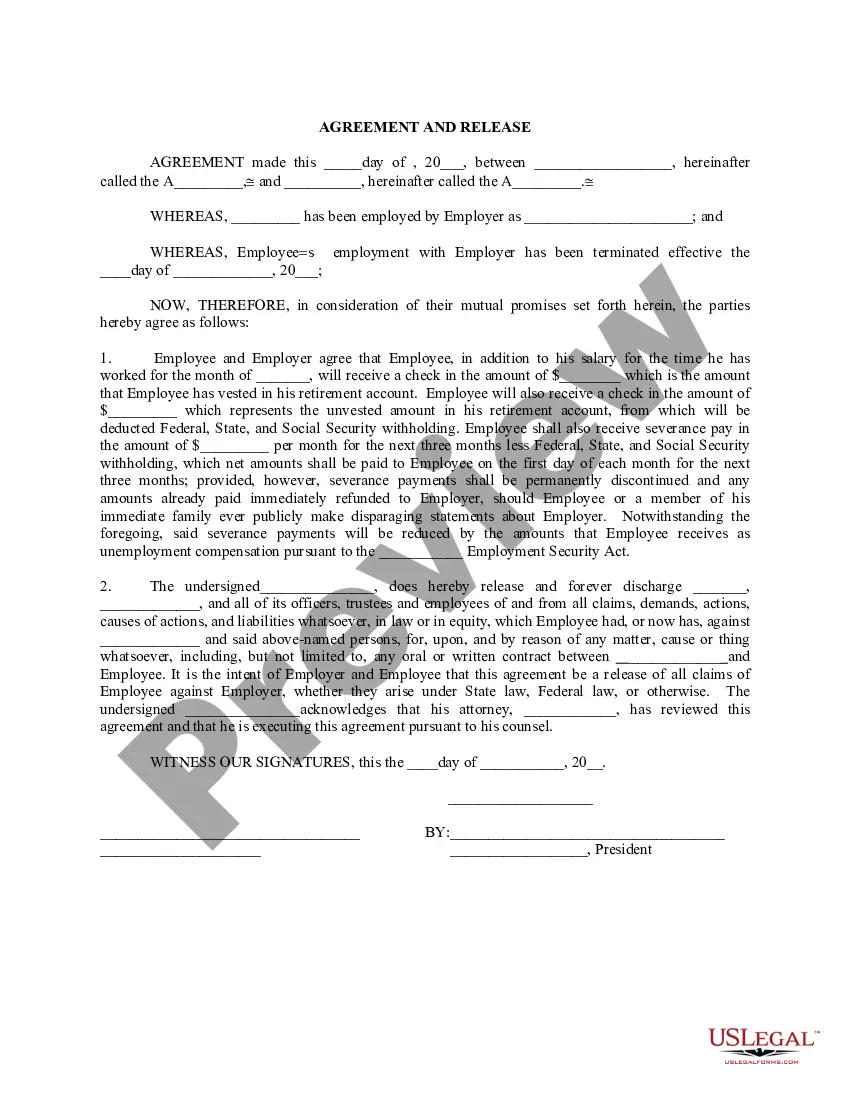
Termination With Severance Letter In Allegheny
Description

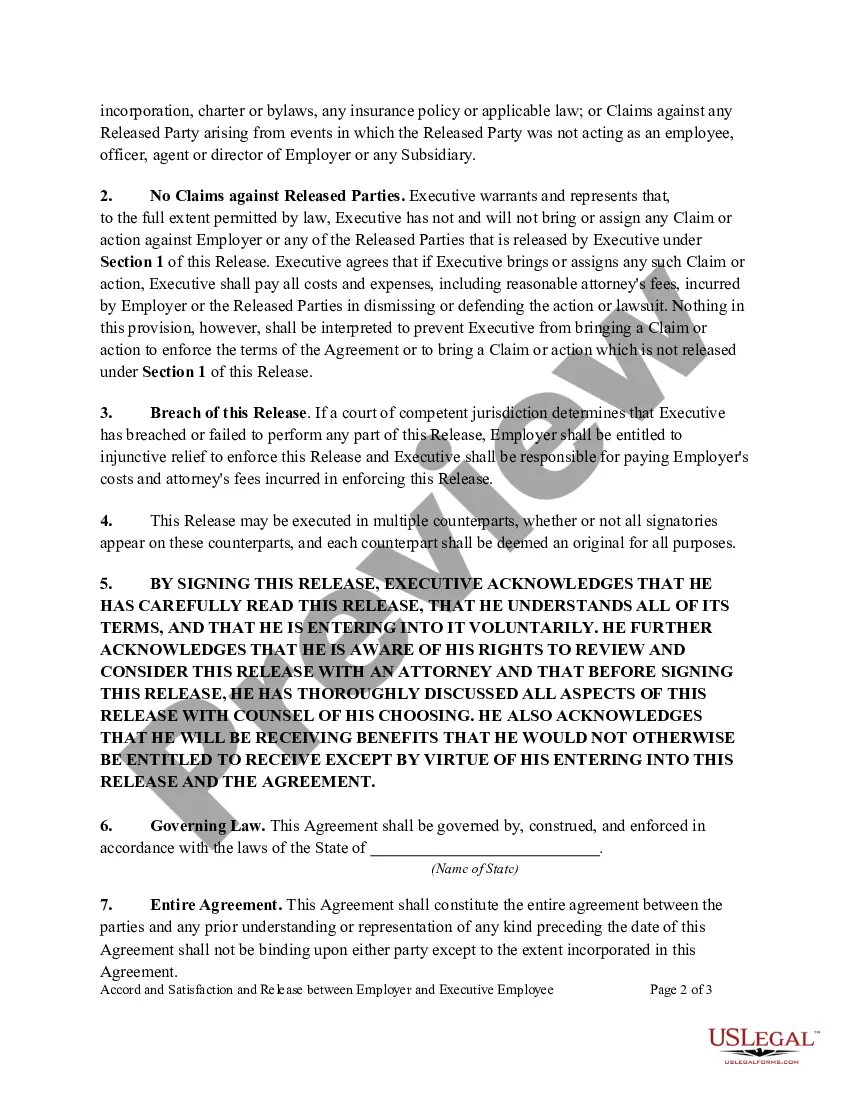
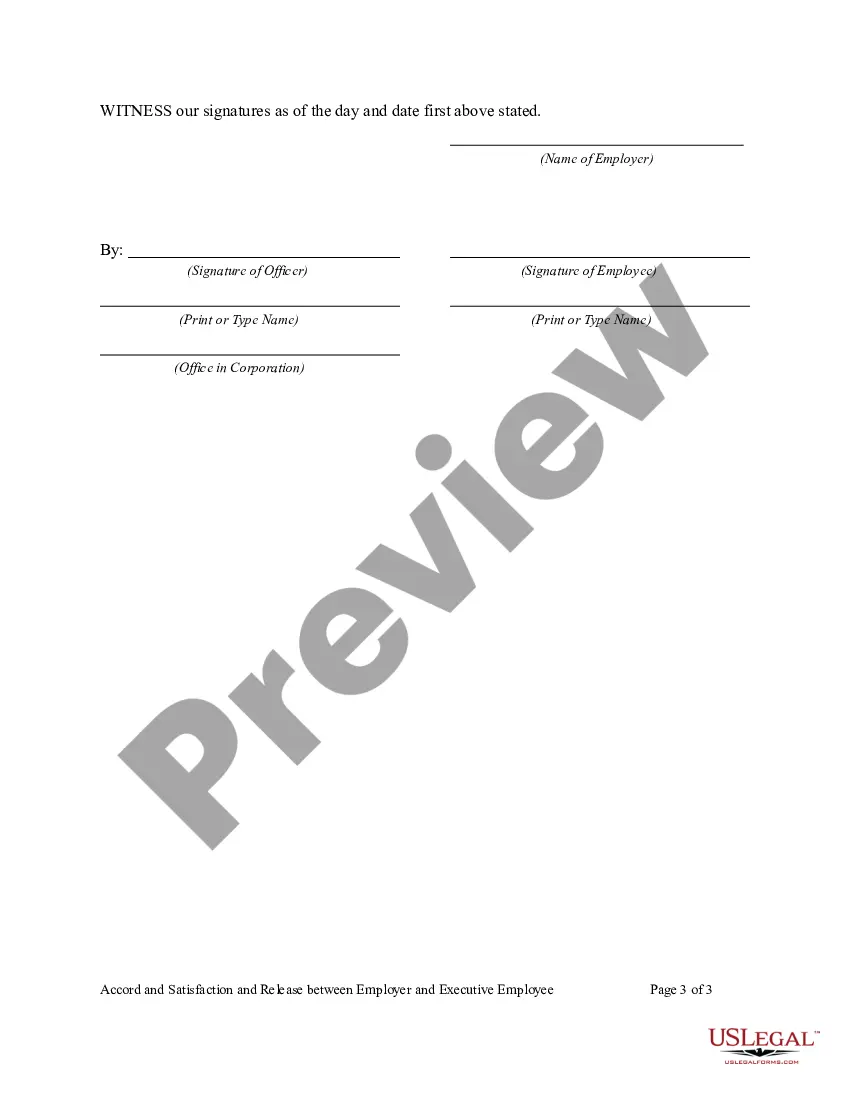
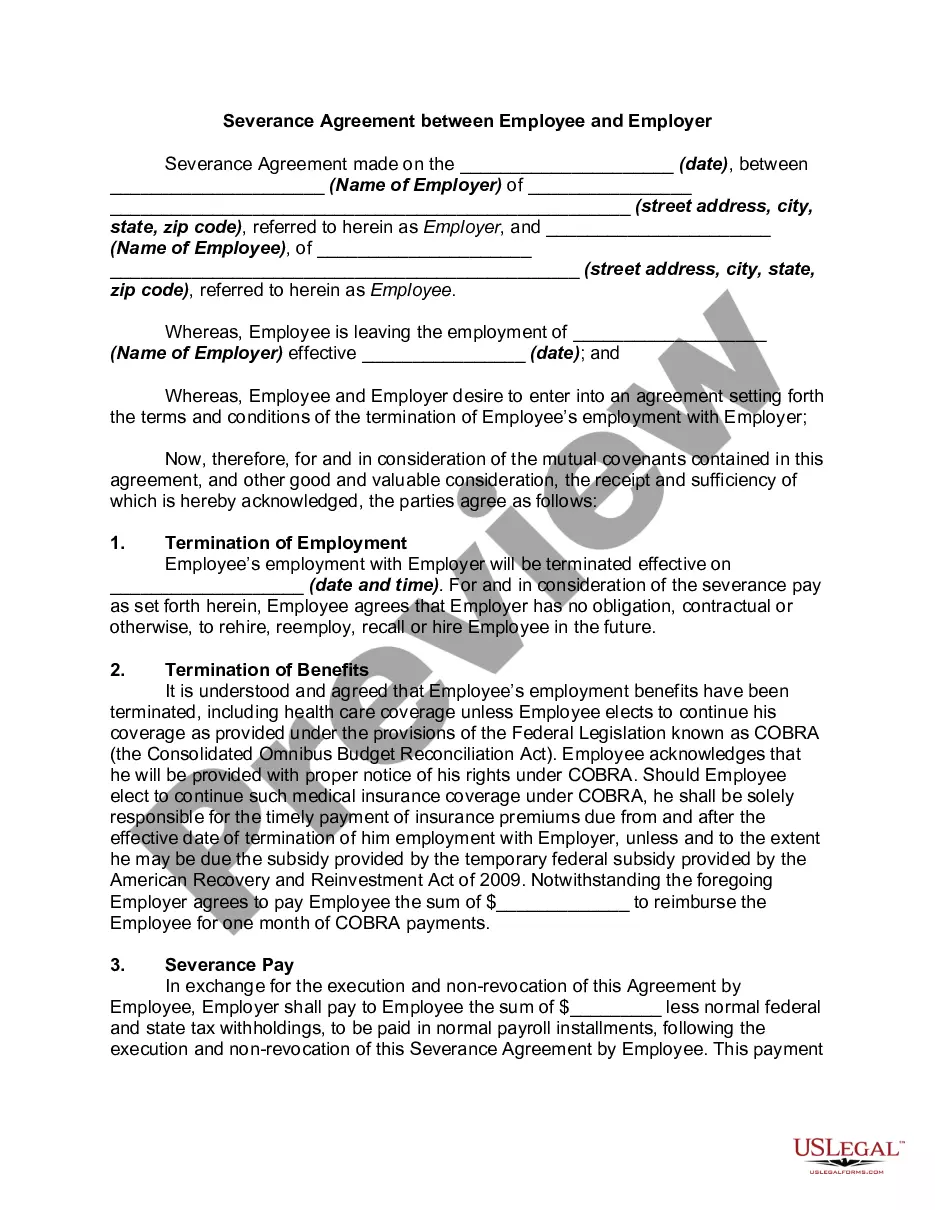
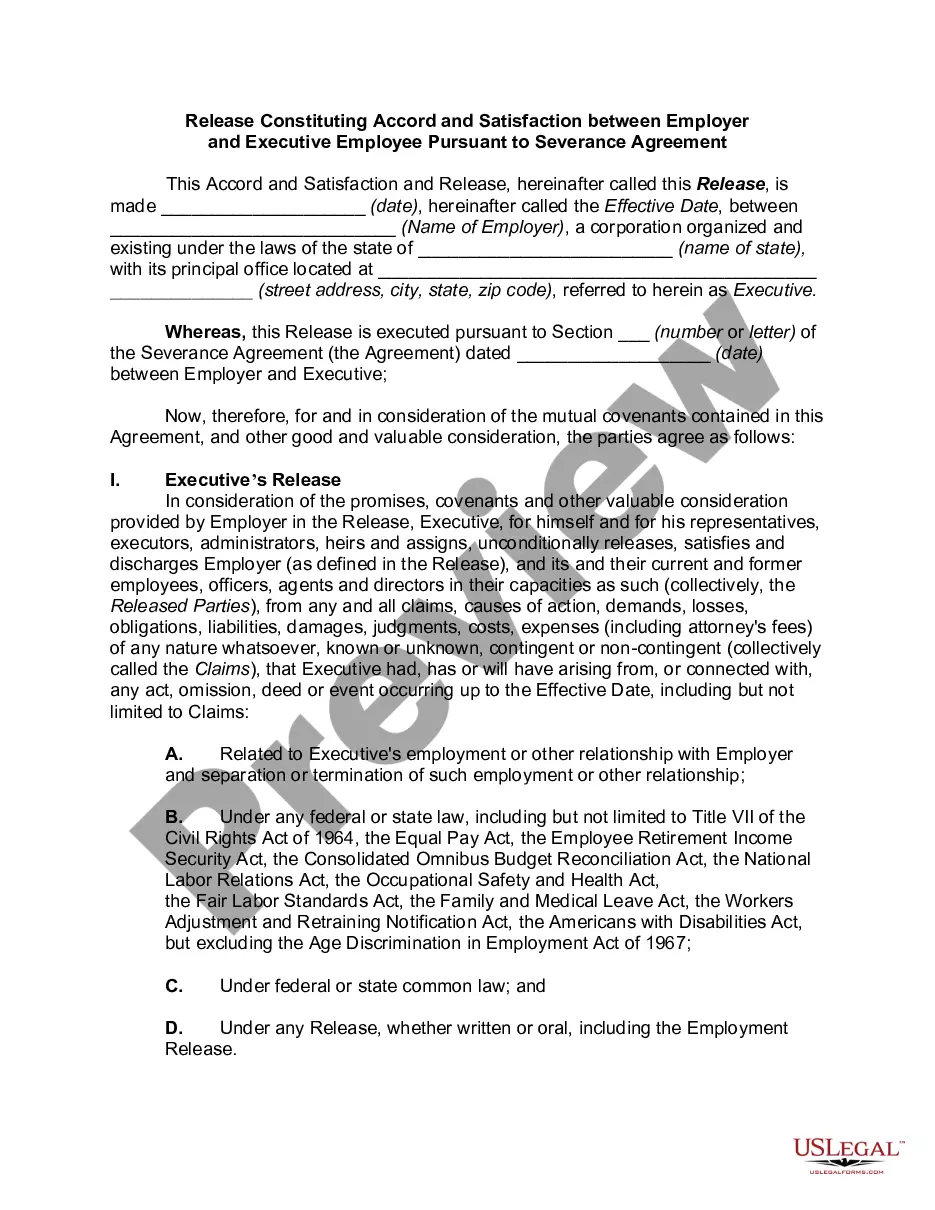
Get your form ready online
Our built-in tools help you complete, sign, share, and store your documents in one place.
Make edits, fill in missing information, and update formatting in US Legal Forms—just like you would in MS Word.
Download a copy, print it, send it by email, or mail it via USPS—whatever works best for your next step.
Sign and collect signatures with our SignNow integration. Send to multiple recipients, set reminders, and more. Go Premium to unlock E-Sign.
If this form requires notarization, complete it online through a secure video call—no need to meet a notary in person or wait for an appointment.
We protect your documents and personal data by following strict security and privacy standards.

Make edits, fill in missing information, and update formatting in US Legal Forms—just like you would in MS Word.

Download a copy, print it, send it by email, or mail it via USPS—whatever works best for your next step.

Sign and collect signatures with our SignNow integration. Send to multiple recipients, set reminders, and more. Go Premium to unlock E-Sign.

If this form requires notarization, complete it online through a secure video call—no need to meet a notary in person or wait for an appointment.

We protect your documents and personal data by following strict security and privacy standards.
Looking for another form?









Form popularity
FAQ
These reasons may include poor work performance, misconduct or a failure to follow company rules. Despite firing an employee for poor performance, employers sometimes provide severance if they believe the employee was not entirely at fault. For example, the requirements of the position may have changed over time.
Basically, a severance agreement is a waiver or release of liability that the outgoing employee signs, protecting the business from lawsuits. These agreements are usually part of a larger severance package that includes compensation, outplacement services, and other benefits in exchange for the employee's signature.
Pennsylvania does not have a state law requiring employers to provide advance notice of termination. However, employers may be subject to the federal WARN Act, which requires some employers to provide advance notice of mass layoffs or plant closings.
2. Failing to perform the job for which one was hired. Unsatisfactory performance is the primary reason why most employees get fired.
11 Things You Should Never Say When Firing an Employee “This is really hard for me.” ... “I'm not sure how to say this.” ... “We've decided to let you go.” ... “We've decided to go in a different direction.” ... “We'll work out the details later.” ... “Compared to Susan, your performance is subpar.”
While you may show compassion (such as thanking them for their contributions and wishing them well), avoid saying anything false or misleading to soften the blow. For instance, if you are terminating because of poor performance, don't suggest possible continued or future employment.
How To Fire An Employee: 12 Things You Should Never Do 1) Fire An Employee By Electronic Means. 2) Surprise Them. 3) Fire The Employee By Yourself. 4) Compare The Employee To Someone Else. 5) Explain The Firing. 6) Get Into An Argument. 7) Give The Employee A Reason To Think The Decision Isn't Final.
Termination letters usually include details such as: The date of termination. The reason for the termination (while not always required, many include it) Any severance benefits or other compensation the employee is entitled to. Instructions for the return of company property.
Pennsylvania does not have a state law requiring employers to provide advance notice of termination. However, employers may be subject to the federal WARN Act, which requires some employers to provide advance notice of mass layoffs or plant closings.
Generally speaking, employees who are fired are not offered a severance package—particularly when they are fired for misconduct. However, some fired employees are offered a severance package in the hope that they will “go away” after receiving the package.