Retail Agreement Format In Utah
Description

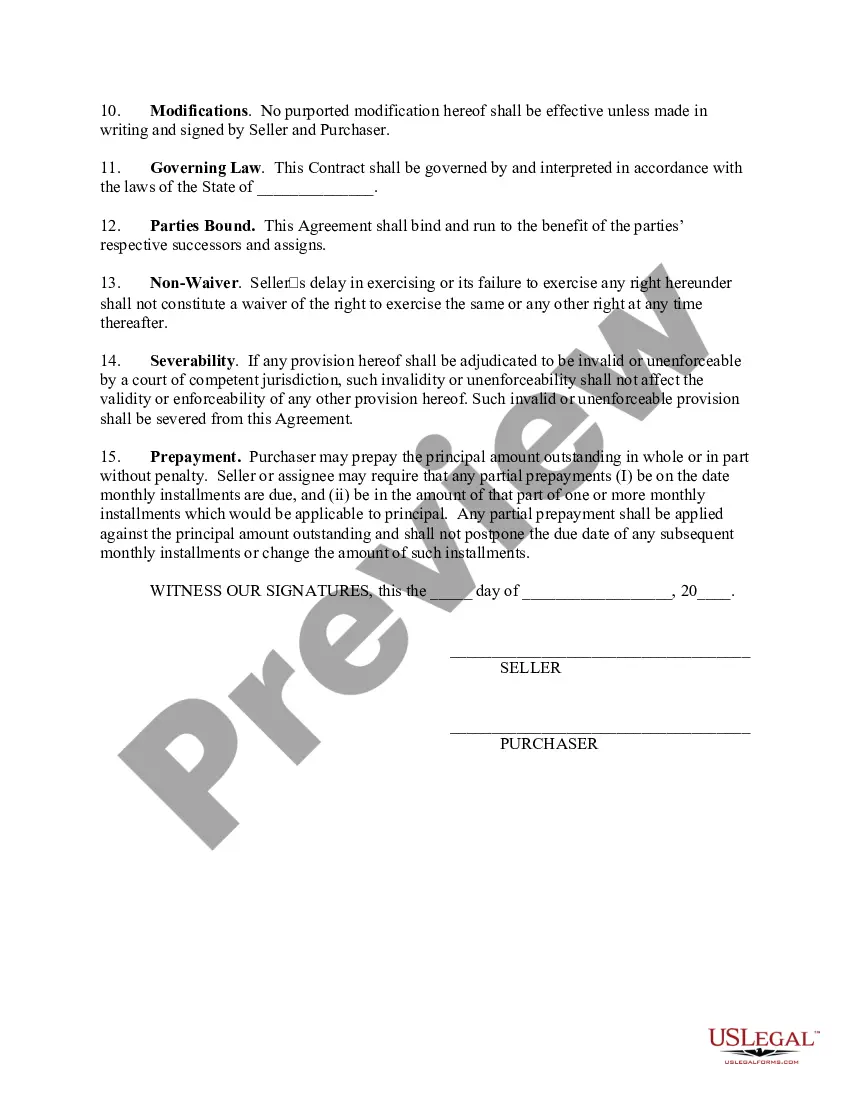
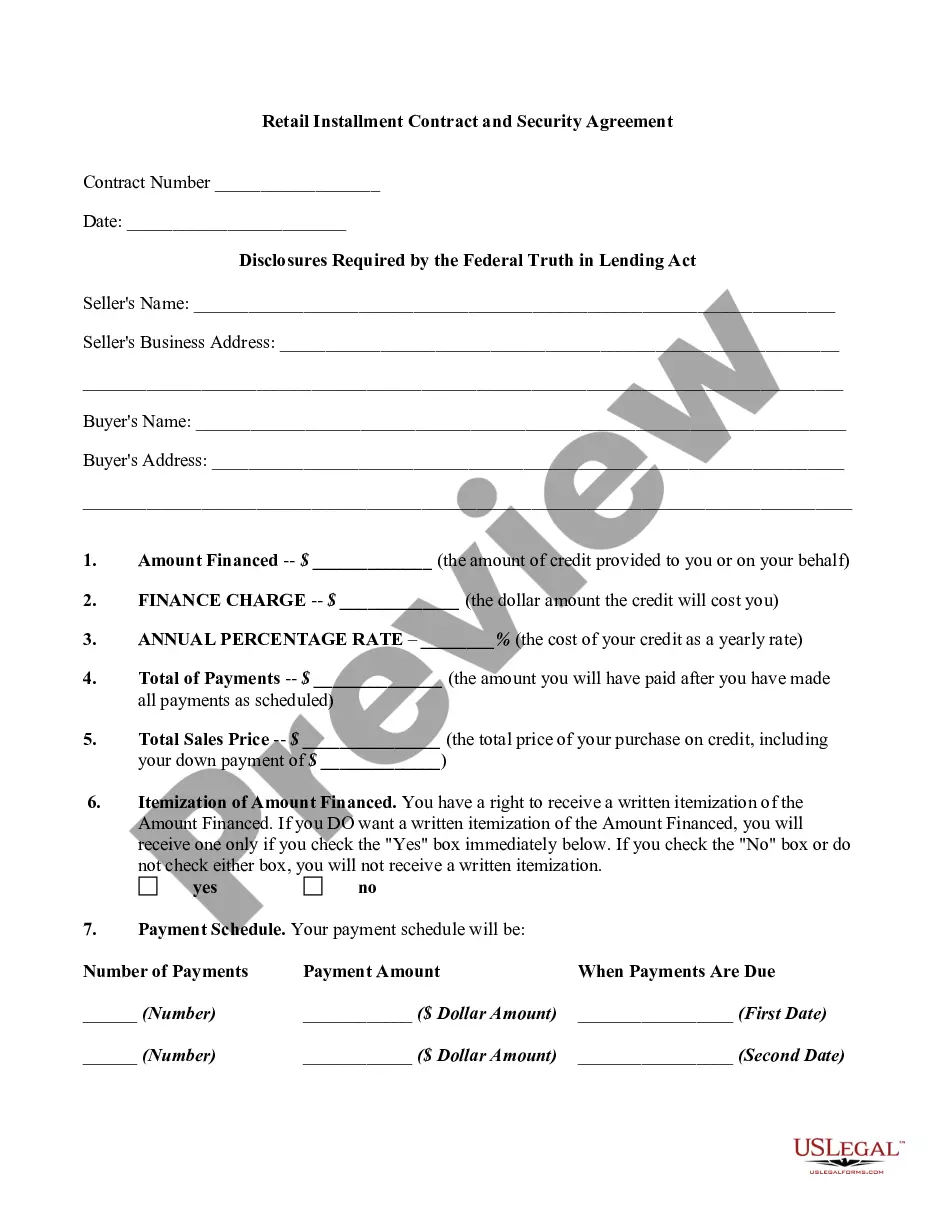
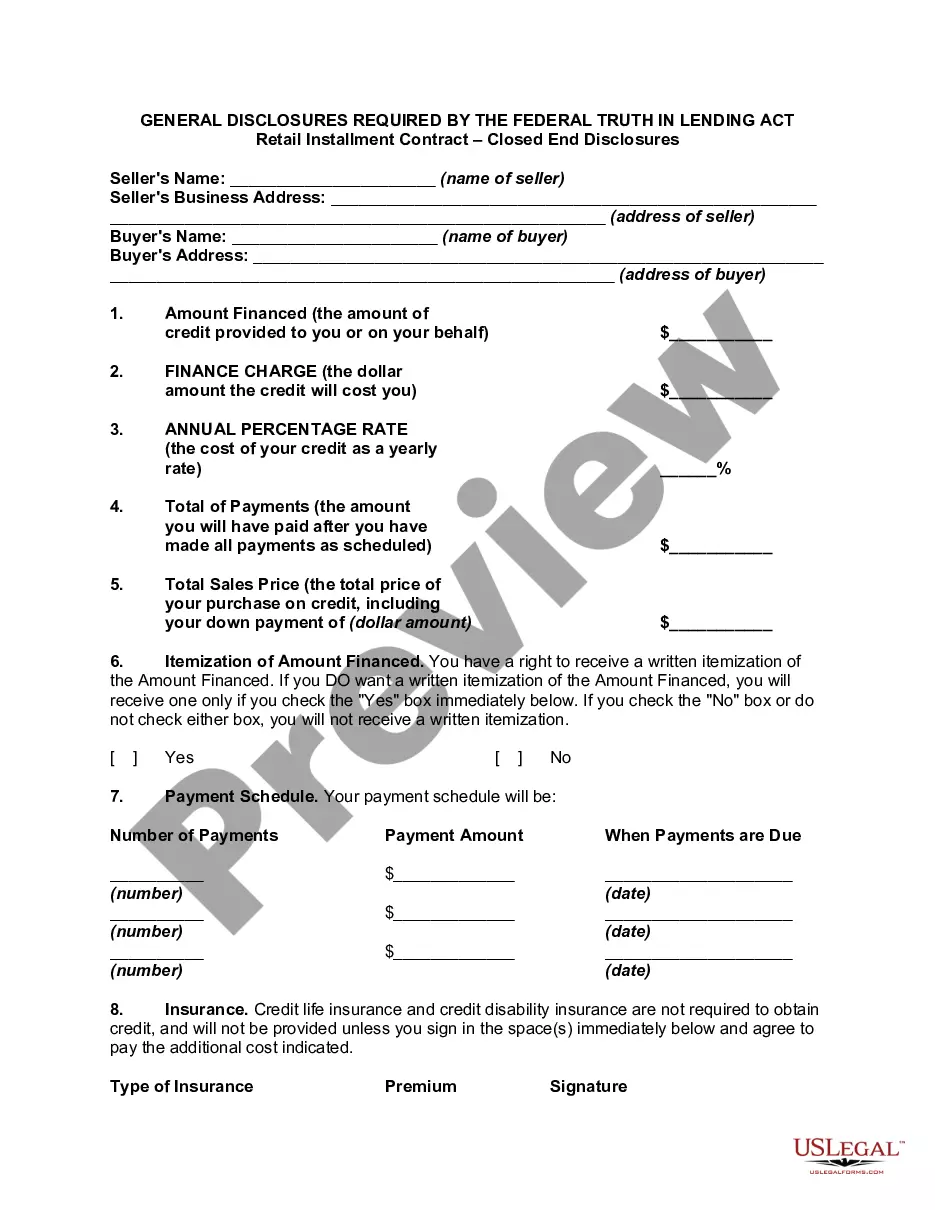
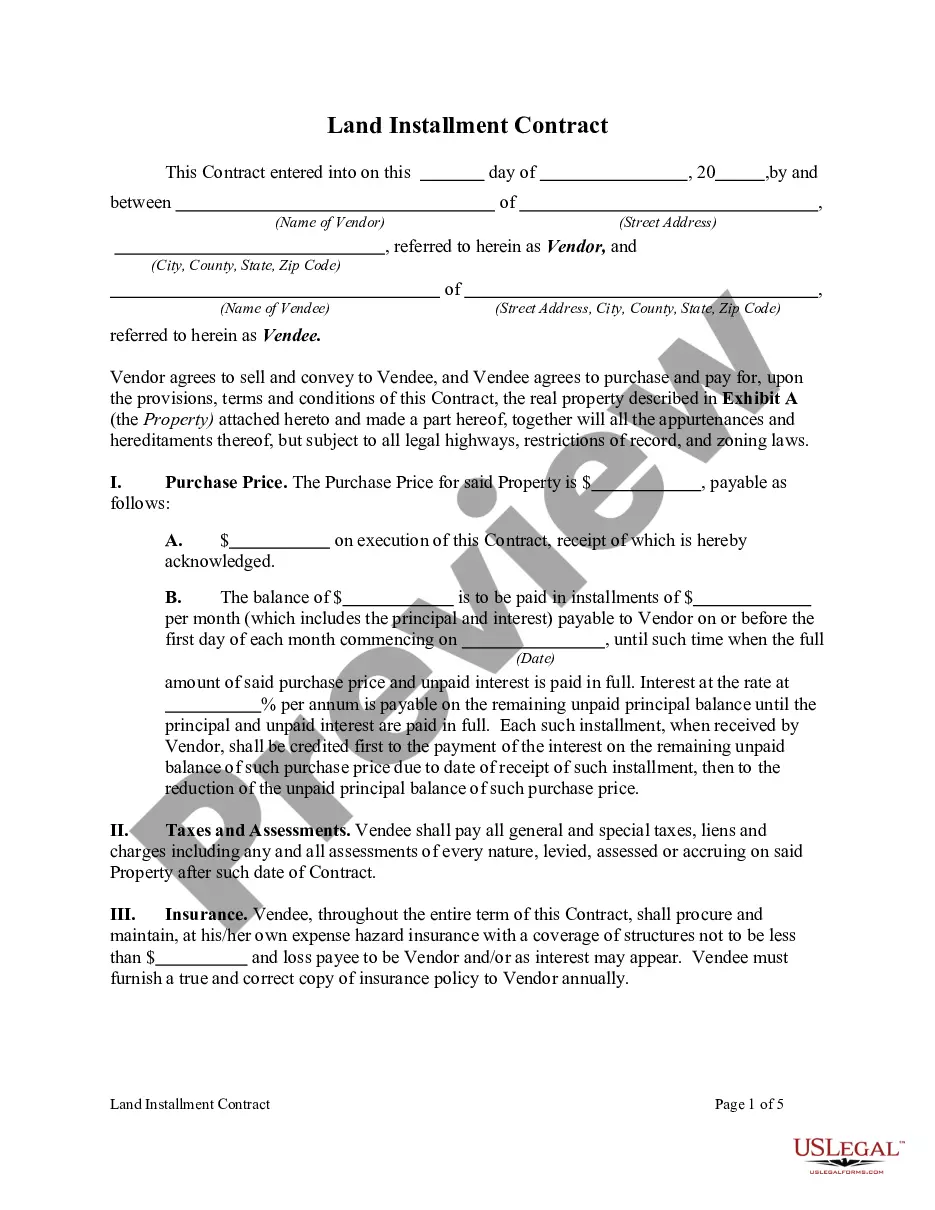
Get your form ready online
Our built-in tools help you complete, sign, share, and store your documents in one place.
Make edits, fill in missing information, and update formatting in US Legal Forms—just like you would in MS Word.
Download a copy, print it, send it by email, or mail it via USPS—whatever works best for your next step.
Sign and collect signatures with our SignNow integration. Send to multiple recipients, set reminders, and more. Go Premium to unlock E-Sign.
If this form requires notarization, complete it online through a secure video call—no need to meet a notary in person or wait for an appointment.
We protect your documents and personal data by following strict security and privacy standards.

Make edits, fill in missing information, and update formatting in US Legal Forms—just like you would in MS Word.

Download a copy, print it, send it by email, or mail it via USPS—whatever works best for your next step.

Sign and collect signatures with our SignNow integration. Send to multiple recipients, set reminders, and more. Go Premium to unlock E-Sign.

If this form requires notarization, complete it online through a secure video call—no need to meet a notary in person or wait for an appointment.

We protect your documents and personal data by following strict security and privacy standards.
Looking for another form?







Form popularity
FAQ
Utah state law does not require LLCs to adopt a written operating agreement. However, any good lawyer will recommend that you create a written operating agreement as one of the first actions of starting your Utah LLC.
The document required to form an LLC in Utah is called the Articles of Organization. The information required in the formation document varies by state. Utah's requirements include: Registered agent.
The primary purpose of a retailer agreement is to formalize the business relationship between the supplier and the retailer. It aims to: Define roles and responsibilities: Specify what each party is responsible for in the relationship.
Operating agreements are not necessarily needed or legally required for setting up or operating an LLC. Some states require LLCs to have a written operating agreement, including California, Delaware, Maine, Missouri, and New York.
The state of Utah does not require an LLC Operating Agreement, but it may still be recommended for many LLCs. Without an Operating Agreement, disputes are governed by the default LLC operating rules outlined in Utah law (UT Code § 48-3a).
Types of agreements under Indian Contract Act, 1872 Valid agreement. Section 11 of the Indian Contract Act, 1872. Void agreement. Section 24 of the Indian Contract Act, 1872. Wagering Agreements. Contingent Agreement. Voidable agreement. Express and implied agreements. Illegal Agreements.
The main difference between a retail sale and a lease is that a retail sale involves the transfer of ownership of a product or property, while a lease is more like a rental agreement where the ownership remains with the landlord or owner.
A retail lease is a legal document outlining the terms under which one party agrees to rent property from another party. A lease guarantees the lessee (the renter) use of an asset and guarantees the lessor (the property owner) regular payments from the lessee for a specified number of months or years.
A retail lease is a legal document outlining the terms under which one party agrees to rent property from another party. A lease guarantees the lessee (the renter) use of an asset and guarantees the lessor (the property owner) regular payments from the lessee for a specified number of months or years.