Payment Plan Contract For Horse In Texas
Description

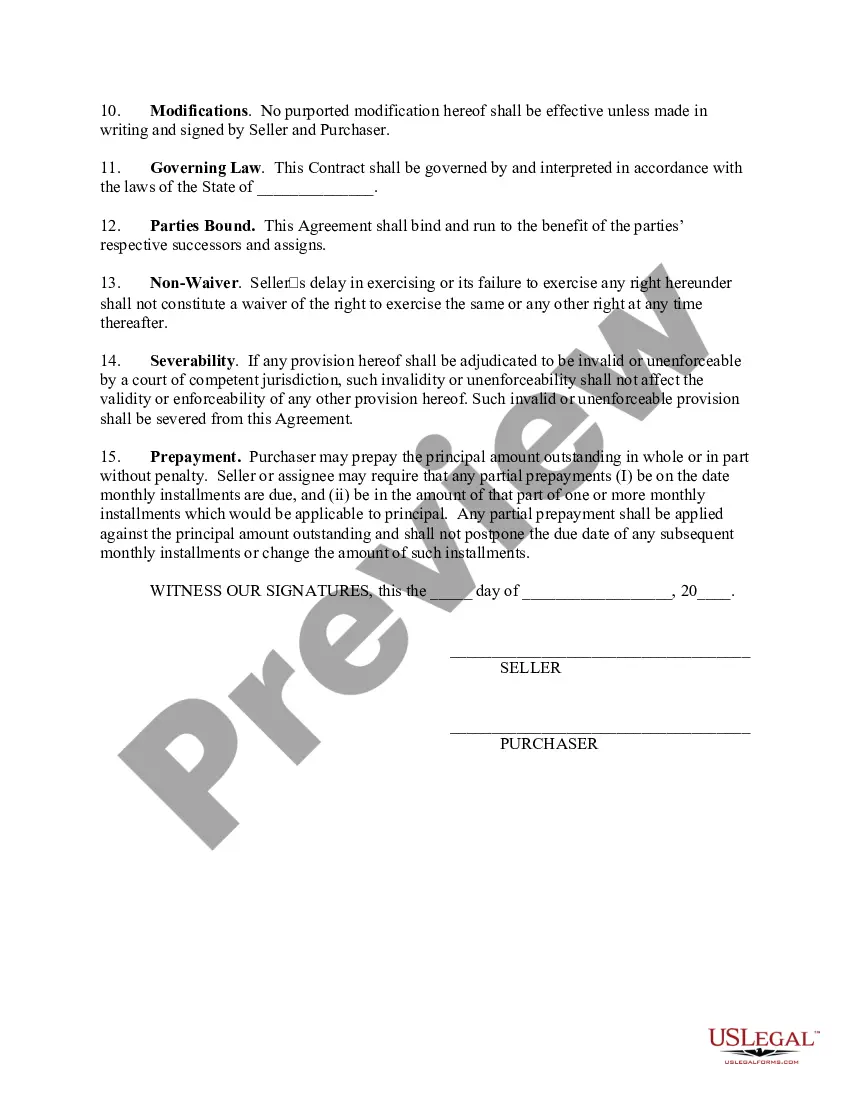
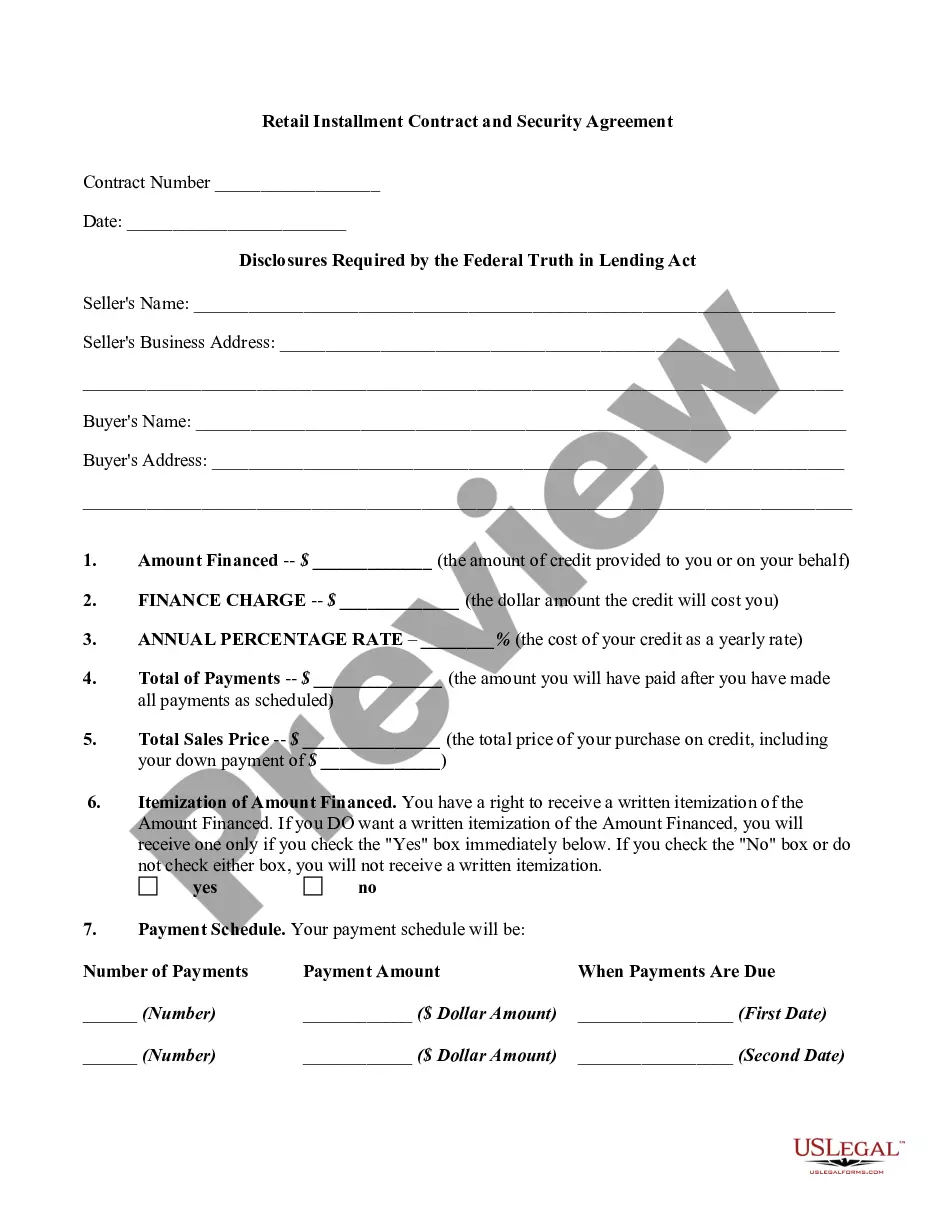
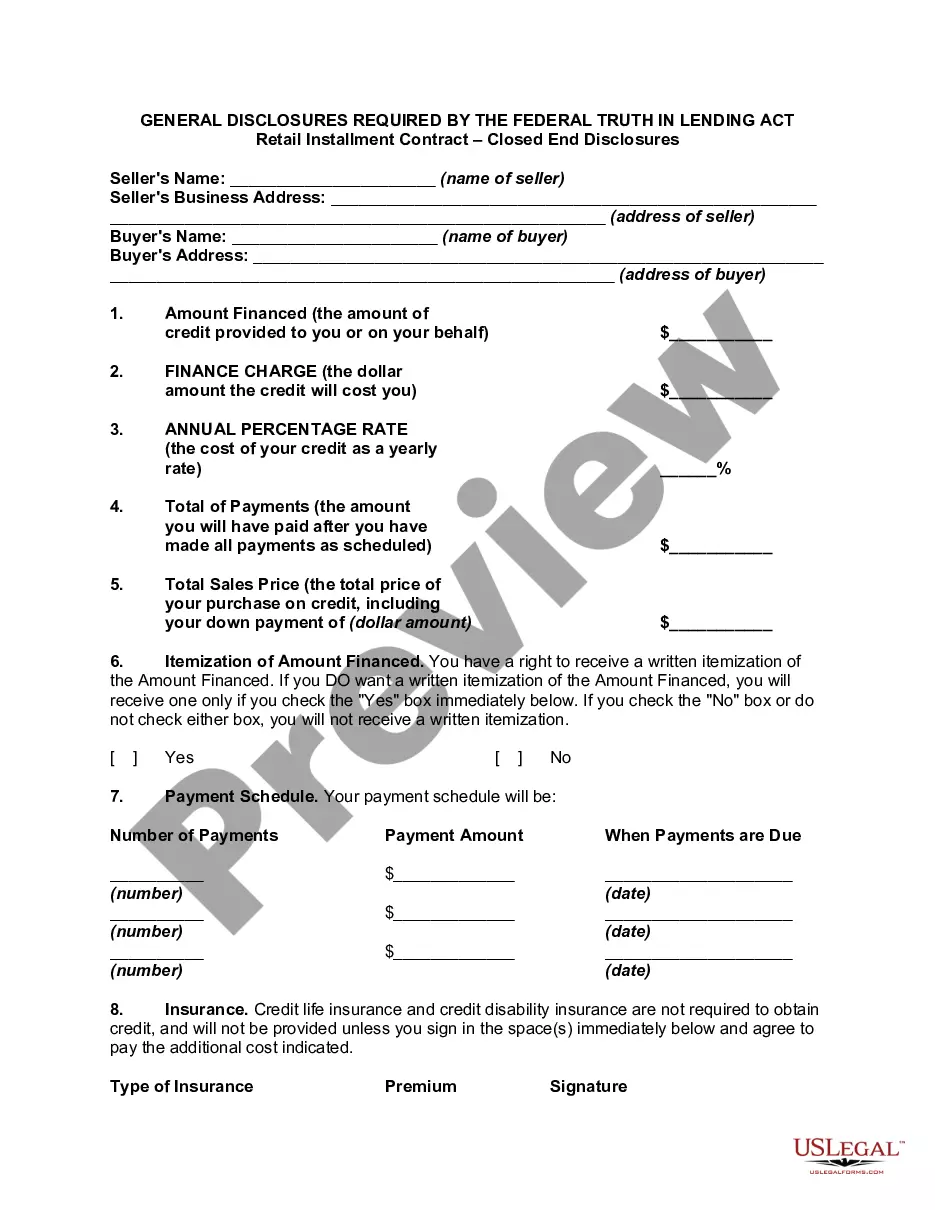
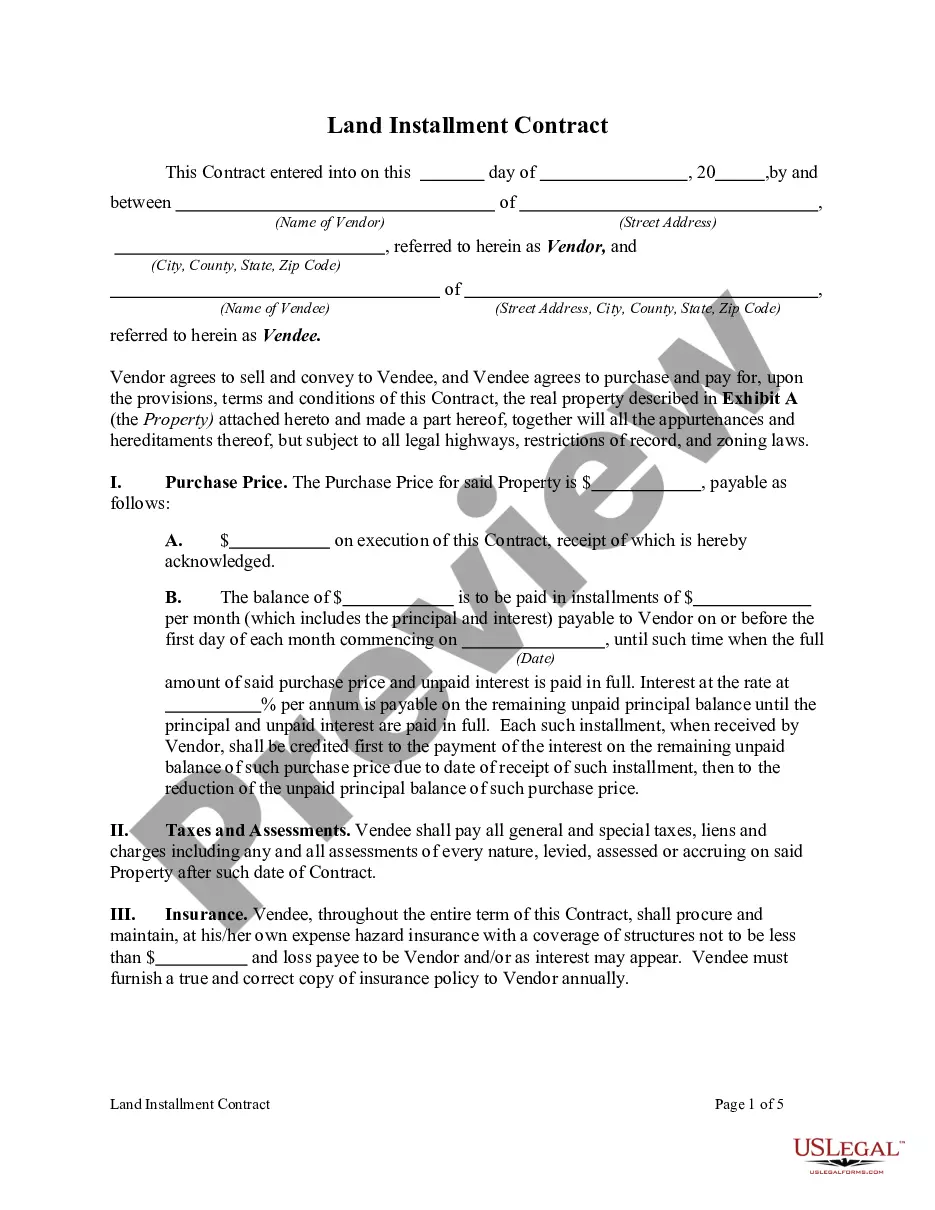
Get your form ready online
Our built-in tools help you complete, sign, share, and store your documents in one place.
Make edits, fill in missing information, and update formatting in US Legal Forms—just like you would in MS Word.
Download a copy, print it, send it by email, or mail it via USPS—whatever works best for your next step.
Sign and collect signatures with our SignNow integration. Send to multiple recipients, set reminders, and more. Go Premium to unlock E-Sign.
If this form requires notarization, complete it online through a secure video call—no need to meet a notary in person or wait for an appointment.
We protect your documents and personal data by following strict security and privacy standards.

Make edits, fill in missing information, and update formatting in US Legal Forms—just like you would in MS Word.

Download a copy, print it, send it by email, or mail it via USPS—whatever works best for your next step.

Sign and collect signatures with our SignNow integration. Send to multiple recipients, set reminders, and more. Go Premium to unlock E-Sign.

If this form requires notarization, complete it online through a secure video call—no need to meet a notary in person or wait for an appointment.

We protect your documents and personal data by following strict security and privacy standards.
Looking for another form?









Form popularity
FAQ
A horse bill of sale may detail the horse's name, the size of the horse, its gender, its lineage, markings, colors, and other physical features. This type of bill of sale may also include information about breeding the horse or any warranties if the horse is expected to produce young.
The bill of sale should be signed by both the buyer and the seller, who should also both date a copy for their records. Take into account including a notary statement: Including a notary statement can help ensure the document's legitimacy and offer further legal protection.
What is included in a bill of sale? Buyer and seller details. You should include their full names, addresses, and contact information. Description of the item being sold. The sale agreement. Location and date of sale. Terms and conditions of the transaction. Buyer's signature and seller's signature.
Equine-related contracts sometimes include a “right of first refusal” clause that restricts how a horse can be re-sold. Through these clauses, a horse buyer agrees to give the seller an opportunity to buy back the horse later under certain specified conditions.