Installment Contract For In San Bernardino
Description

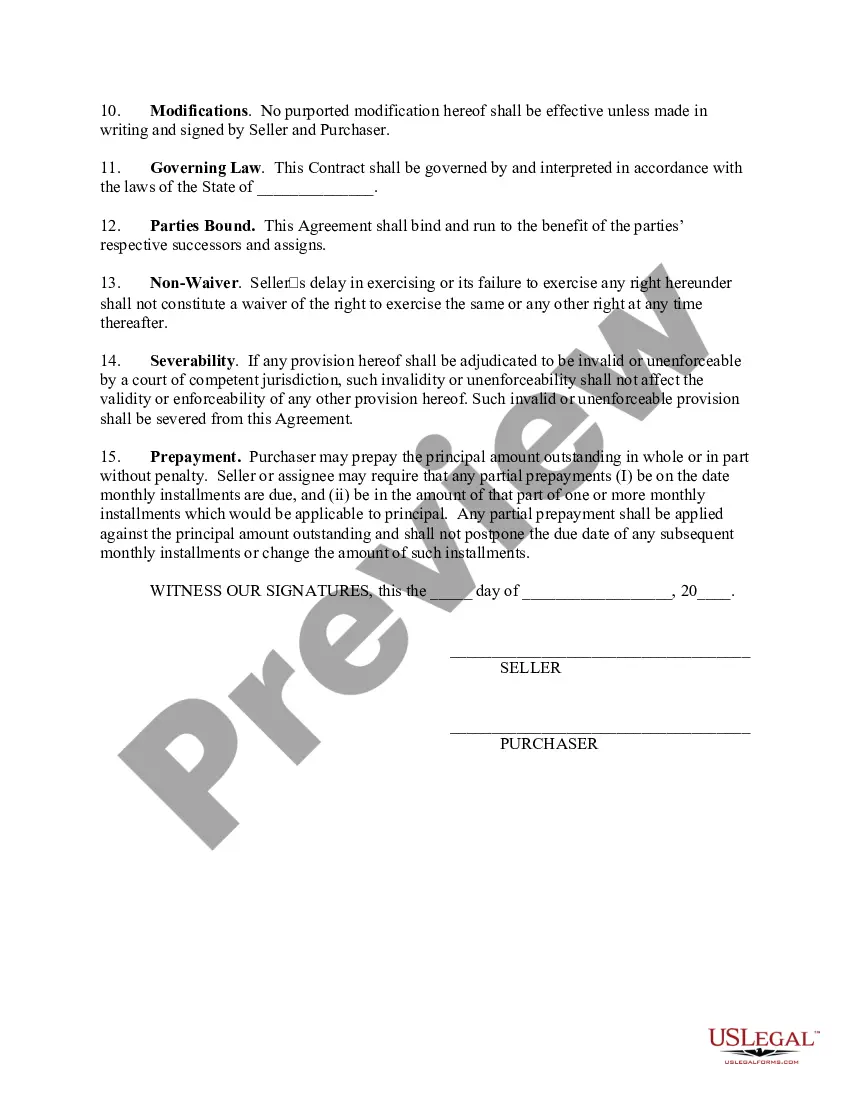
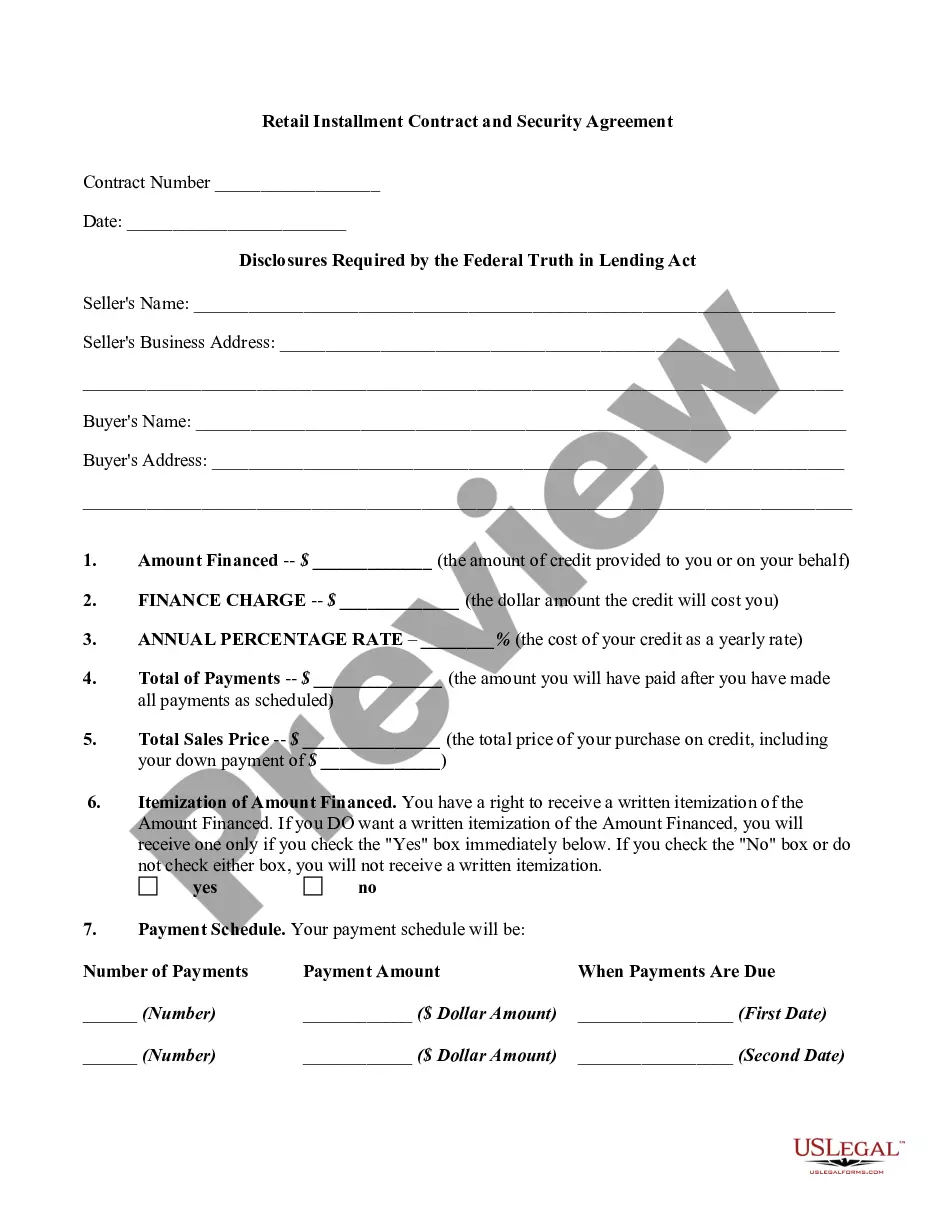
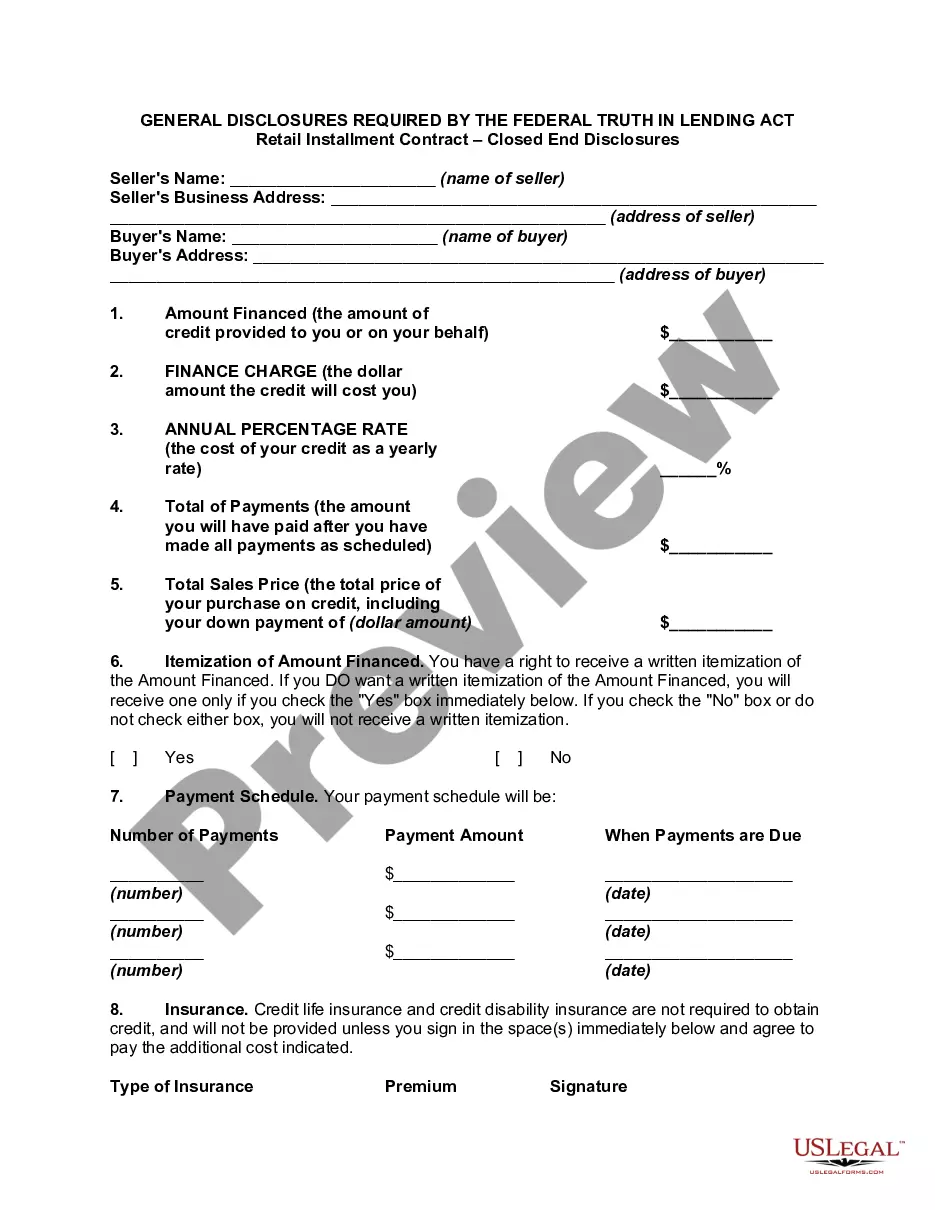
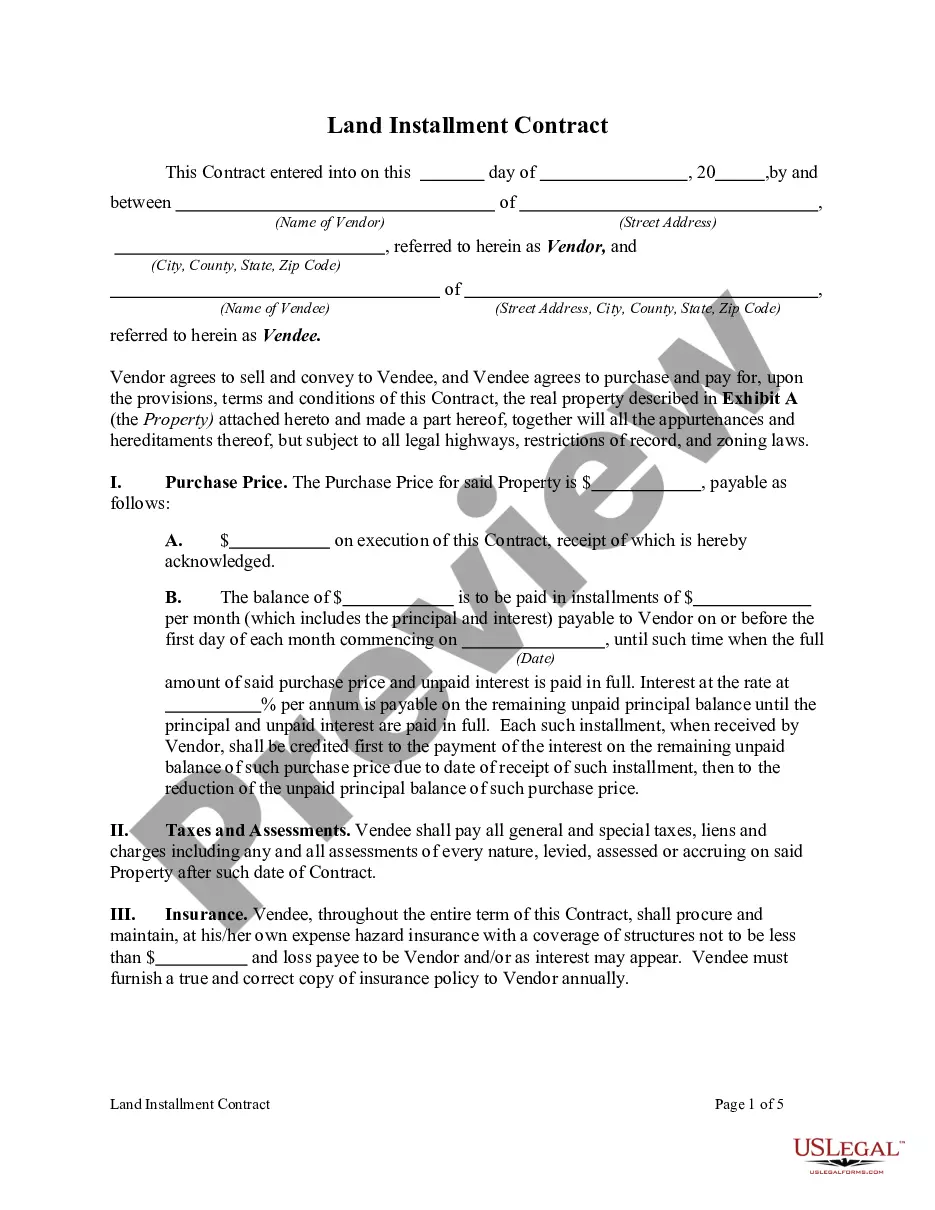
Get your form ready online
Our built-in tools help you complete, sign, share, and store your documents in one place.
Make edits, fill in missing information, and update formatting in US Legal Forms—just like you would in MS Word.
Download a copy, print it, send it by email, or mail it via USPS—whatever works best for your next step.
Sign and collect signatures with our SignNow integration. Send to multiple recipients, set reminders, and more. Go Premium to unlock E-Sign.
If this form requires notarization, complete it online through a secure video call—no need to meet a notary in person or wait for an appointment.
We protect your documents and personal data by following strict security and privacy standards.

Make edits, fill in missing information, and update formatting in US Legal Forms—just like you would in MS Word.

Download a copy, print it, send it by email, or mail it via USPS—whatever works best for your next step.

Sign and collect signatures with our SignNow integration. Send to multiple recipients, set reminders, and more. Go Premium to unlock E-Sign.

If this form requires notarization, complete it online through a secure video call—no need to meet a notary in person or wait for an appointment.

We protect your documents and personal data by following strict security and privacy standards.
Looking for another form?








Form popularity
FAQ
Go to ftb.ca and search for installment agreement, select online and follow the instructions on the Installment Agreement – Apply Online page. Only newly assessed liabilities may qualify for an online installment agreement.
A tax installment agreement is when a taxpayer enters into a written agreement with the IRS to make monthly payments to satisfy a personal tax debt.
About Form 9465, Installment Agreement Request. Internal Revenue Service.
The California Financing Law requires the licensing and regulation of finance lenders and brokers making and brokering consumer and commercial loans. Through licensing, regulation, and oversight of these lenders, DFPI supports a healthy and trusted financial marketplace. Search California Financing Law.
In general, improvements, replacements, and repairs require permits. Exemptions from permitting are allowed for certain work, but vary for each jurisdiction. Always check with your Building, Zoning, Fire, Environmental Health (lead paint, asbestos, etc.), and Public Works Departments for their specific requirements.
