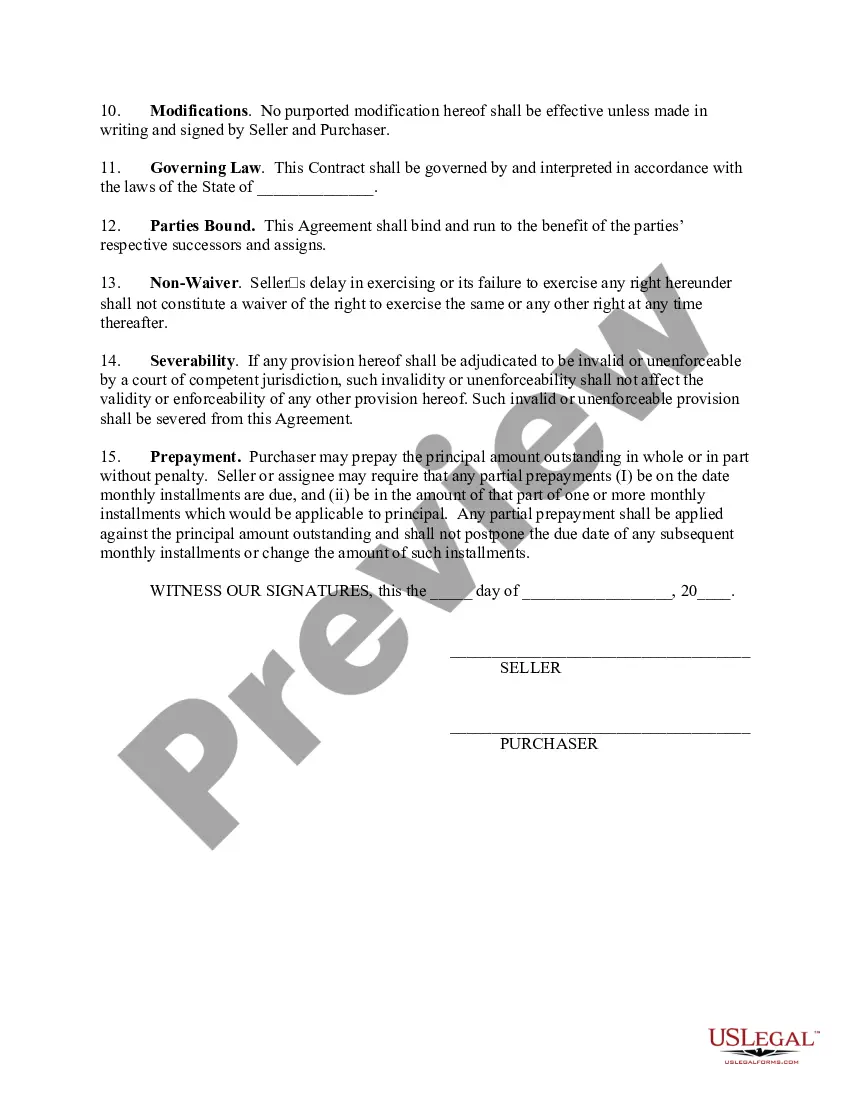
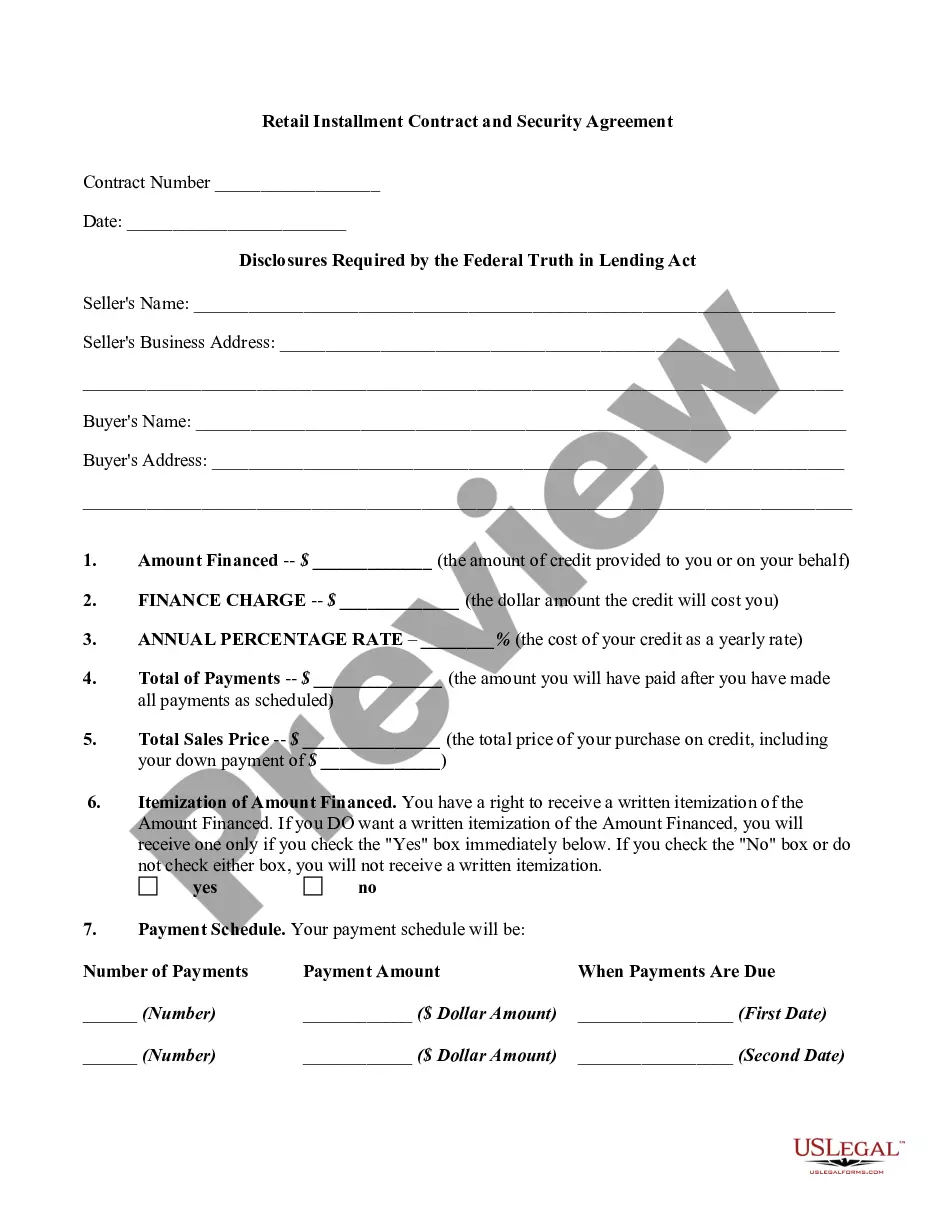
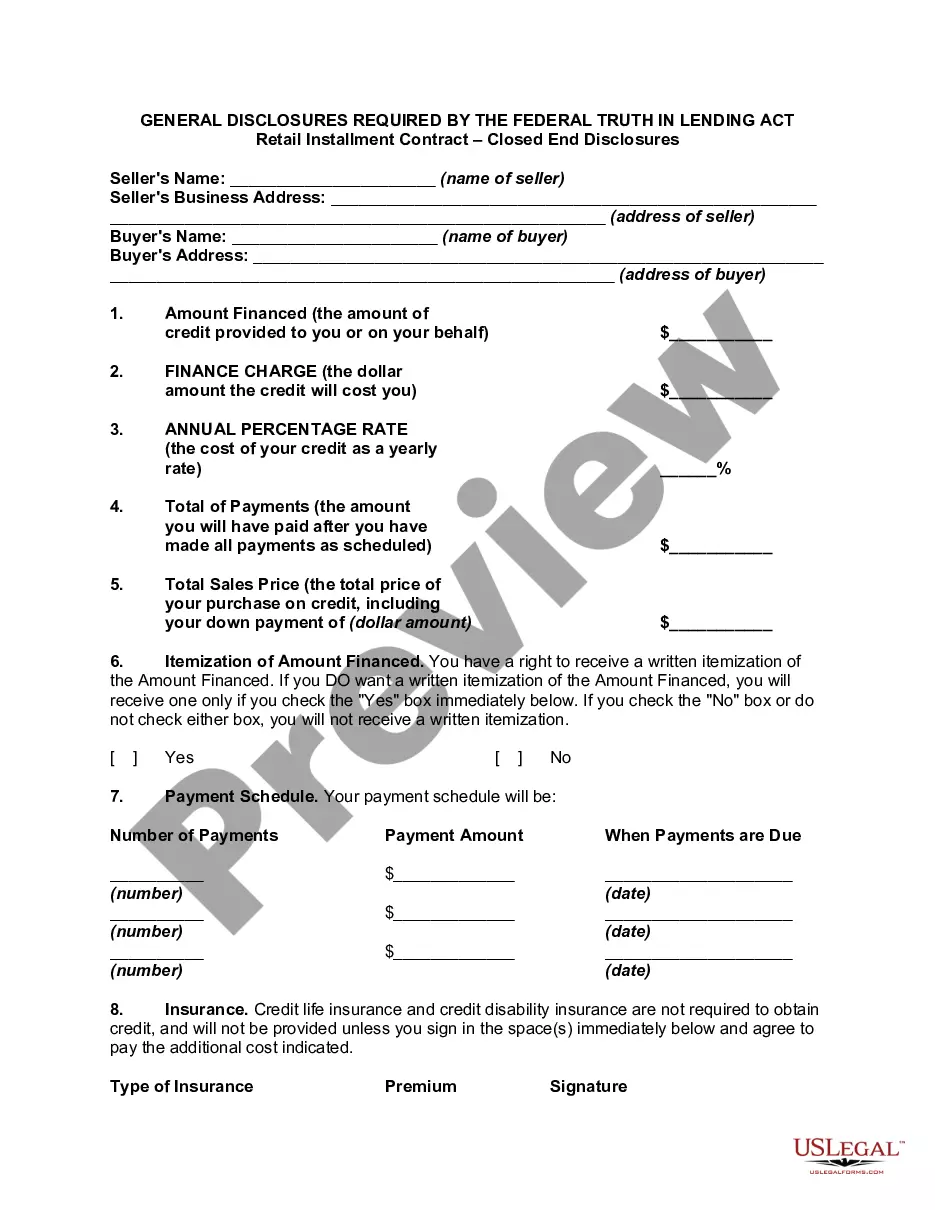
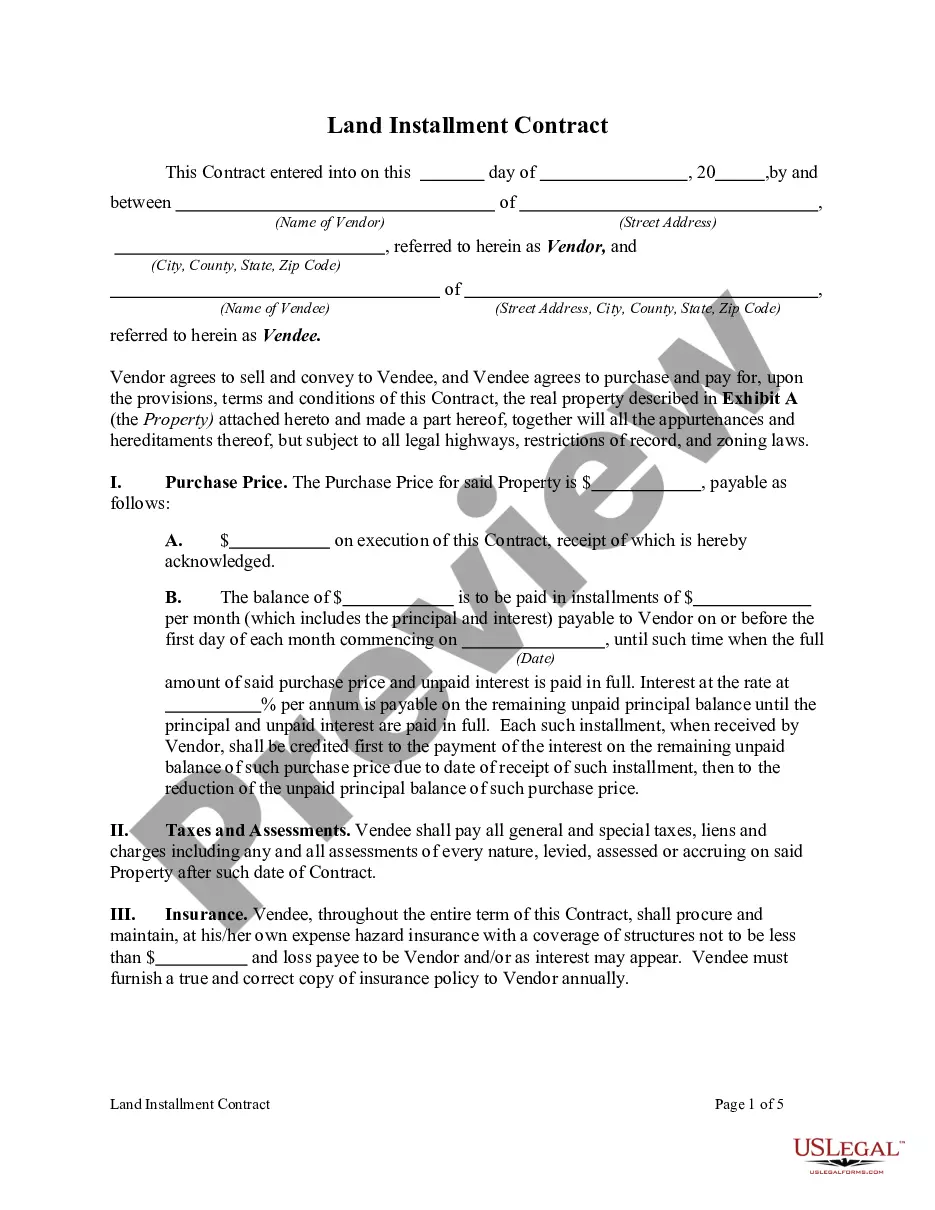
Installment Contract For Deed In Sacramento
Description

Get your form ready online
Our built-in tools help you complete, sign, share, and store your documents in one place.
Make edits, fill in missing information, and update formatting in US Legal Forms—just like you would in MS Word.
Download a copy, print it, send it by email, or mail it via USPS—whatever works best for your next step.
Sign and collect signatures with our SignNow integration. Send to multiple recipients, set reminders, and more. Go Premium to unlock E-Sign.
If this form requires notarization, complete it online through a secure video call—no need to meet a notary in person or wait for an appointment.
We protect your documents and personal data by following strict security and privacy standards.

Make edits, fill in missing information, and update formatting in US Legal Forms—just like you would in MS Word.

Download a copy, print it, send it by email, or mail it via USPS—whatever works best for your next step.

Sign and collect signatures with our SignNow integration. Send to multiple recipients, set reminders, and more. Go Premium to unlock E-Sign.

If this form requires notarization, complete it online through a secure video call—no need to meet a notary in person or wait for an appointment.

We protect your documents and personal data by following strict security and privacy standards.
Looking for another form?






Form popularity
FAQ
A contract for deed would be known as a real estate contract, and is a common method to document a sale. For a purchaser, with an increased possibility of a seller default based upon the owner's present default, I do not recommend using a contract. The biggest risk is that the seller remains as the legal owner.
Contracts for deed may have greater risk for the seller. The seller is not solely on title on the land for the term of the contract. Thus, if the buyer defaults, the seller will have to commence action and may be forced to reclaim the land.
You can sell a property with a land contract at any time. However, selling a home on a land contract while having an underlying contract may violate the agreement.
A contract for deed is a type of seller financing, where the seller agrees to give possession of the property to the buyer immediately. The buyer makes payments directly to the seller, usually monthly, over a period of time agreed upon by both parties and established within the contract.
Under a contract for deed, the buyer does not own the land but rather purchases an equitable right in the land. This allows the buyer to occupy and utilize the land.
A contract for deed, also known as a land contract, is an alternative method for financing the sale of a house or other real estate. The buyer and seller agree to an installment plan, where the buyer pays the seller directly over a period of time instead of in one lump sum when the transaction closes.
An instalment sale agreement between you and a credit provider allows you to buy a vehicle or asset using the principal debt, which you repay by means of regular instalments over an agreed period, with fees and interest.
