Installment Contract Agreement For Irs In Orange
Description

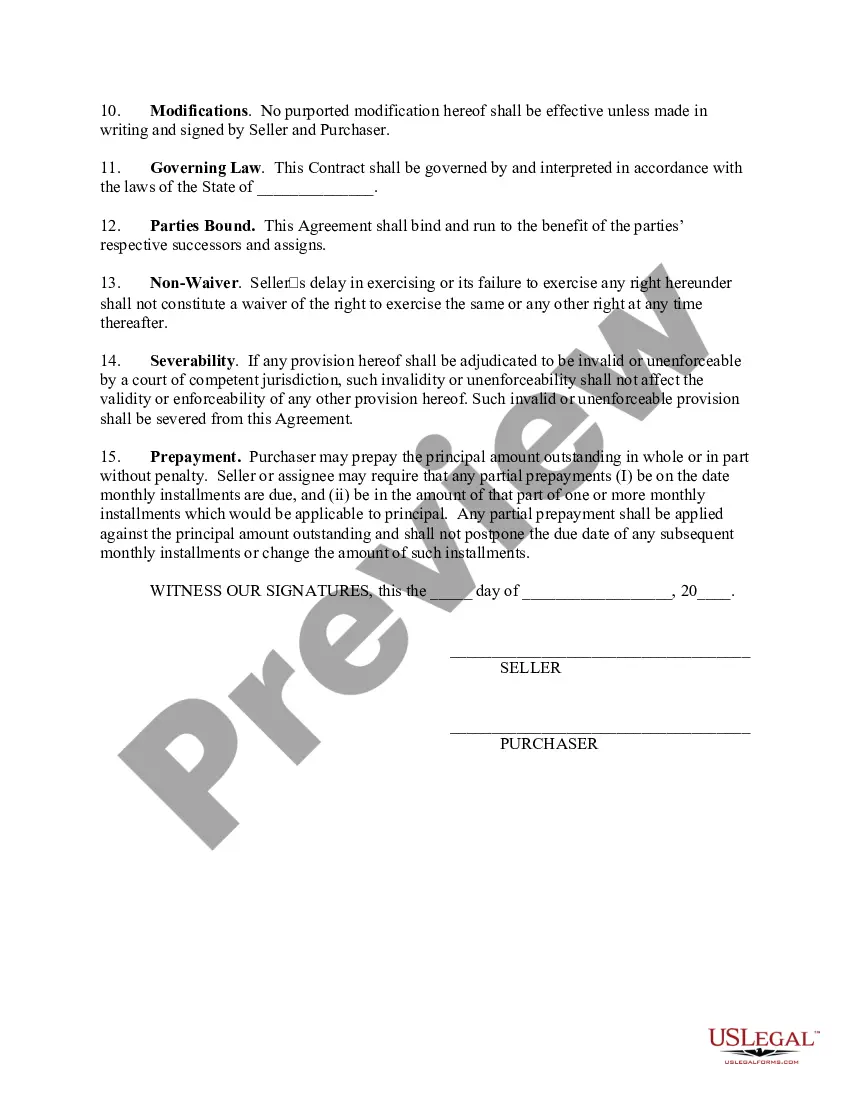
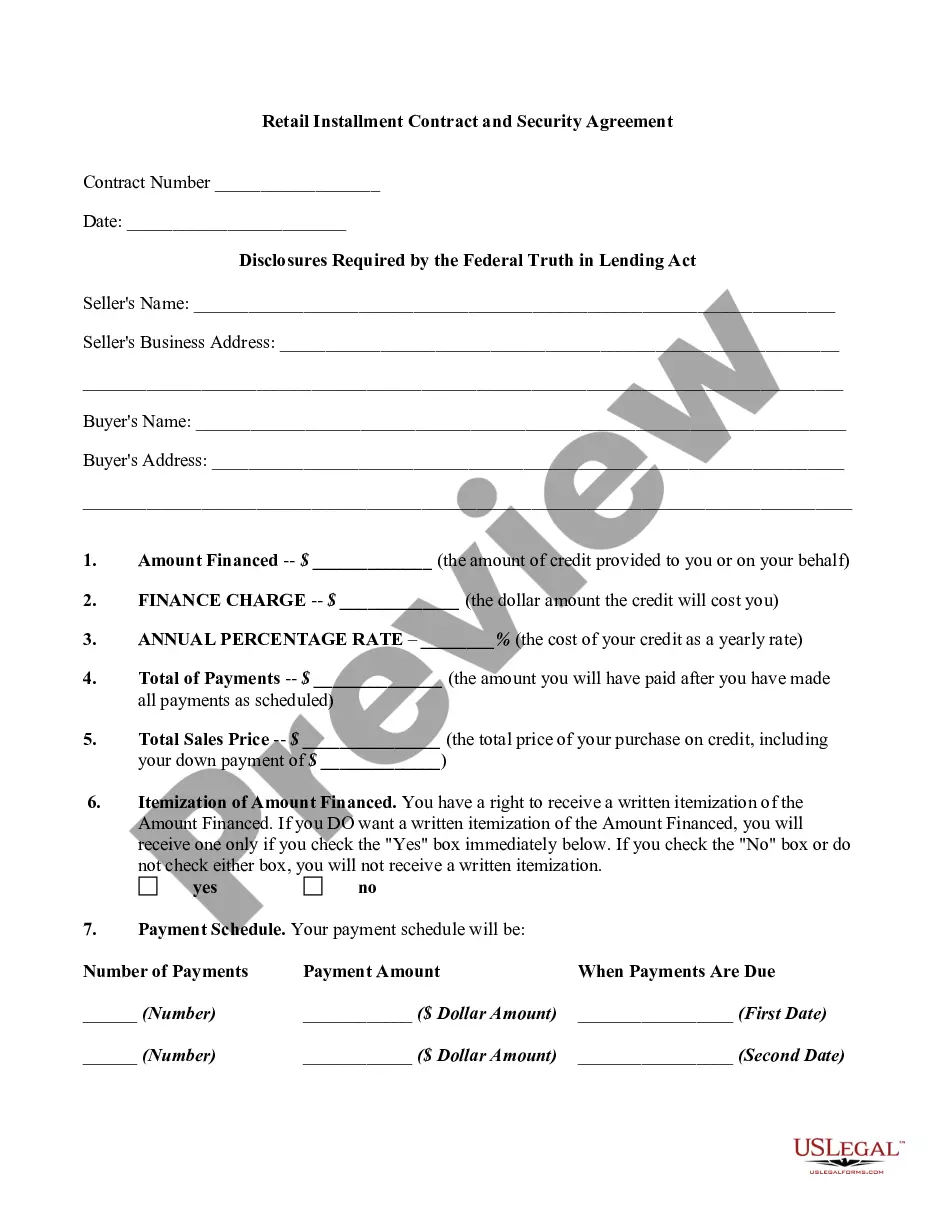
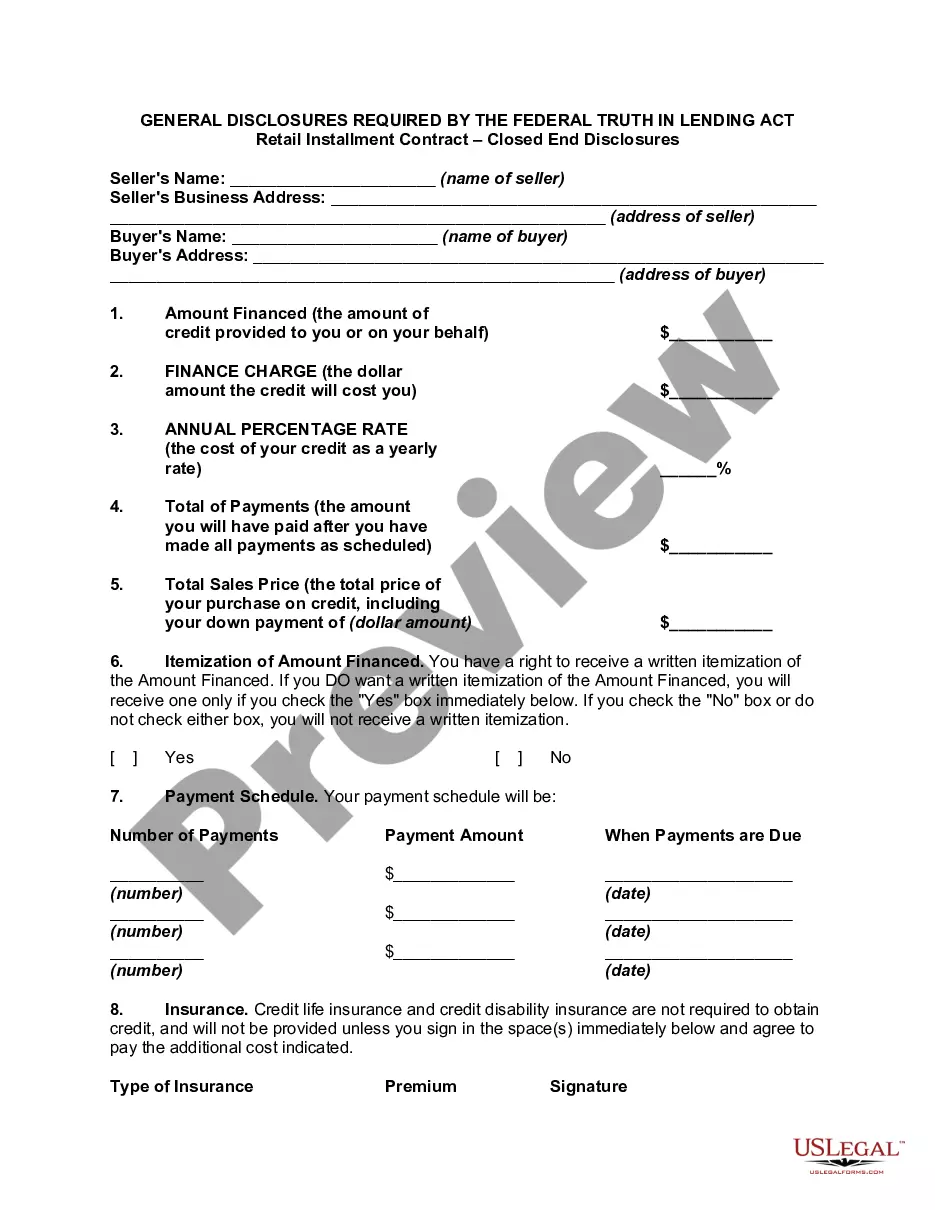
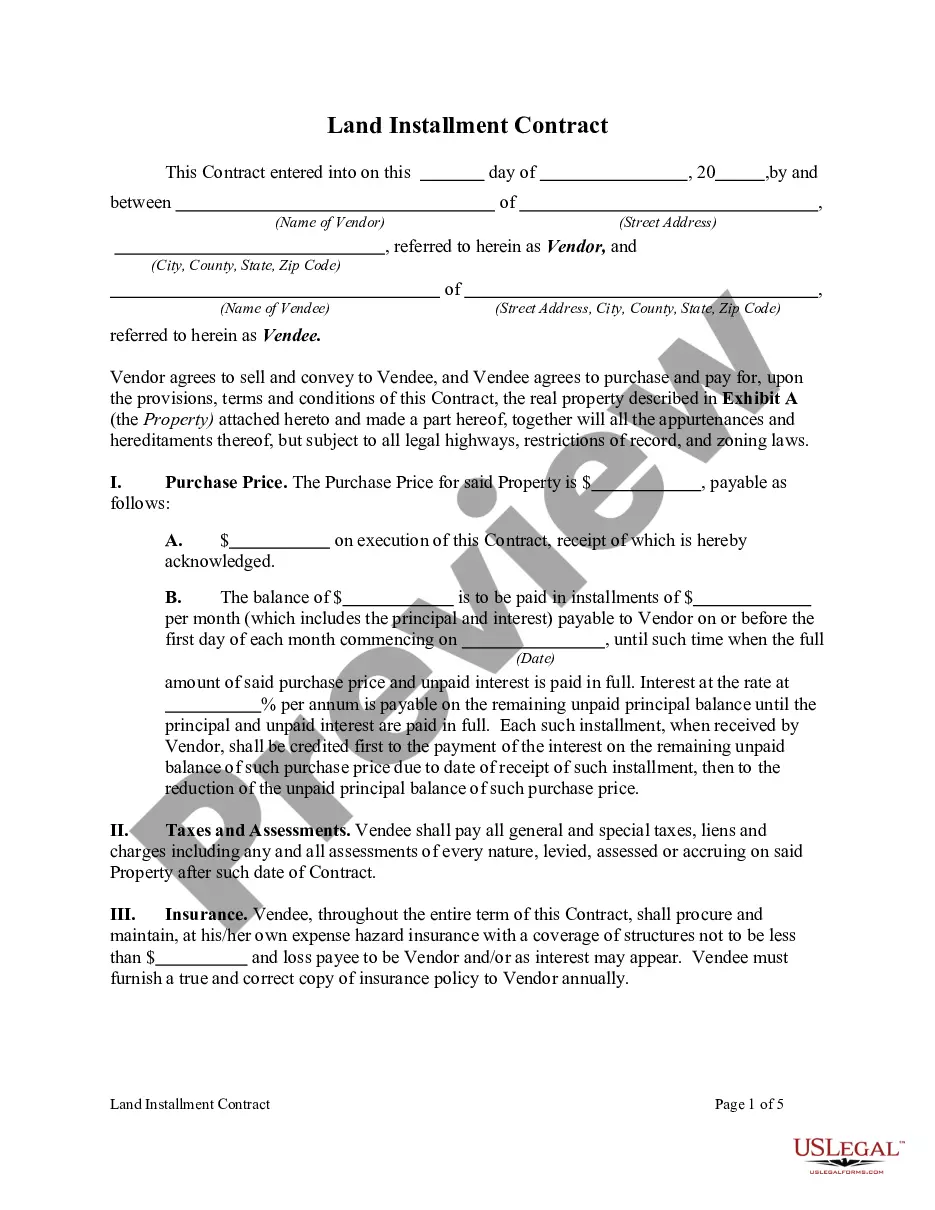
Get your form ready online
Our built-in tools help you complete, sign, share, and store your documents in one place.
Make edits, fill in missing information, and update formatting in US Legal Forms—just like you would in MS Word.
Download a copy, print it, send it by email, or mail it via USPS—whatever works best for your next step.
Sign and collect signatures with our SignNow integration. Send to multiple recipients, set reminders, and more. Go Premium to unlock E-Sign.
If this form requires notarization, complete it online through a secure video call—no need to meet a notary in person or wait for an appointment.
We protect your documents and personal data by following strict security and privacy standards.

Make edits, fill in missing information, and update formatting in US Legal Forms—just like you would in MS Word.

Download a copy, print it, send it by email, or mail it via USPS—whatever works best for your next step.

Sign and collect signatures with our SignNow integration. Send to multiple recipients, set reminders, and more. Go Premium to unlock E-Sign.

If this form requires notarization, complete it online through a secure video call—no need to meet a notary in person or wait for an appointment.

We protect your documents and personal data by following strict security and privacy standards.
Looking for another form?









Form popularity
FAQ
Once taxpayers complete the online application, they receive immediate notification of whether the IRS has approved their payment plan. The process only takes a few minutes, and there's no paperwork and no need to call, write or visit the IRS. Setup fees may apply for some types of plans.
If you have a history of non-compliance with tax obligations, such as failing to file required tax returns or having other outstanding tax debts, the IRS may deny your payment plan application. It's essential to address any outstanding compliance issues before applying for a payment plan.
Generally, you use Form 9465 (Installment Agreement Request) to apply for an installment agreement. Then, if the IRS accepts your application, you will finalize the agreement with Form 433-D. However, in some cases, you can apply for an installment agreement using Form 433-D.
What is IRS Form 433-D? It is a form taxpayers can submit to authorize a direct debit payment method for an IRS installment agreement. In other words, taxpayers leverage it to set up a direct debit installment agreement. Taxpayers generally use can initiate this direct debit method on this form or form 9465.
Essentially, Form 9465 is a request form used to apply for a payment plan, and Form 433-D is the direct debit installment agreement form that is used to establish the actual agreement once the IRS has approved the payment plan. 433 d form allows the IRS to take payments directly from a taxpayer's bank account.
Who should use Form 433-A? Form 433-A is used to obtain current financial information necessary for determining how a wage earner or self-employed individual can satisfy an outstanding tax liability. If you are an individual who is self-employed or has self- employment income.
While the IRS typically doesn't allow taxpayers to have two separate installment agreements, adding a new tax debt to an existing installment plan is possible. However, taxpayers must act swiftly before the IRS assesses the new tax balance and potential default occurs, triggering enforcement actions.
A payment plan agreement, also known as an installment agreement, is a written legal document that allows one party to make smaller payments over time to payoff a larger debt.
What does the principal debt mean? An instalment sale agreement between you and a credit provider allows you to buy a vehicle or asset using the principal debt, which you repay by means of regular instalments over an agreed period, with fees and interest.