Payment Plan Contract For Car In Michigan
Description

Get your form ready online
Our built-in tools help you complete, sign, share, and store your documents in one place.
Make edits, fill in missing information, and update formatting in US Legal Forms—just like you would in MS Word.
Download a copy, print it, send it by email, or mail it via USPS—whatever works best for your next step.
Sign and collect signatures with our SignNow integration. Send to multiple recipients, set reminders, and more. Go Premium to unlock E-Sign.
If this form requires notarization, complete it online through a secure video call—no need to meet a notary in person or wait for an appointment.
We protect your documents and personal data by following strict security and privacy standards.

Make edits, fill in missing information, and update formatting in US Legal Forms—just like you would in MS Word.

Download a copy, print it, send it by email, or mail it via USPS—whatever works best for your next step.

Sign and collect signatures with our SignNow integration. Send to multiple recipients, set reminders, and more. Go Premium to unlock E-Sign.

If this form requires notarization, complete it online through a secure video call—no need to meet a notary in person or wait for an appointment.

We protect your documents and personal data by following strict security and privacy standards.
Looking for another form?




Form popularity
FAQ
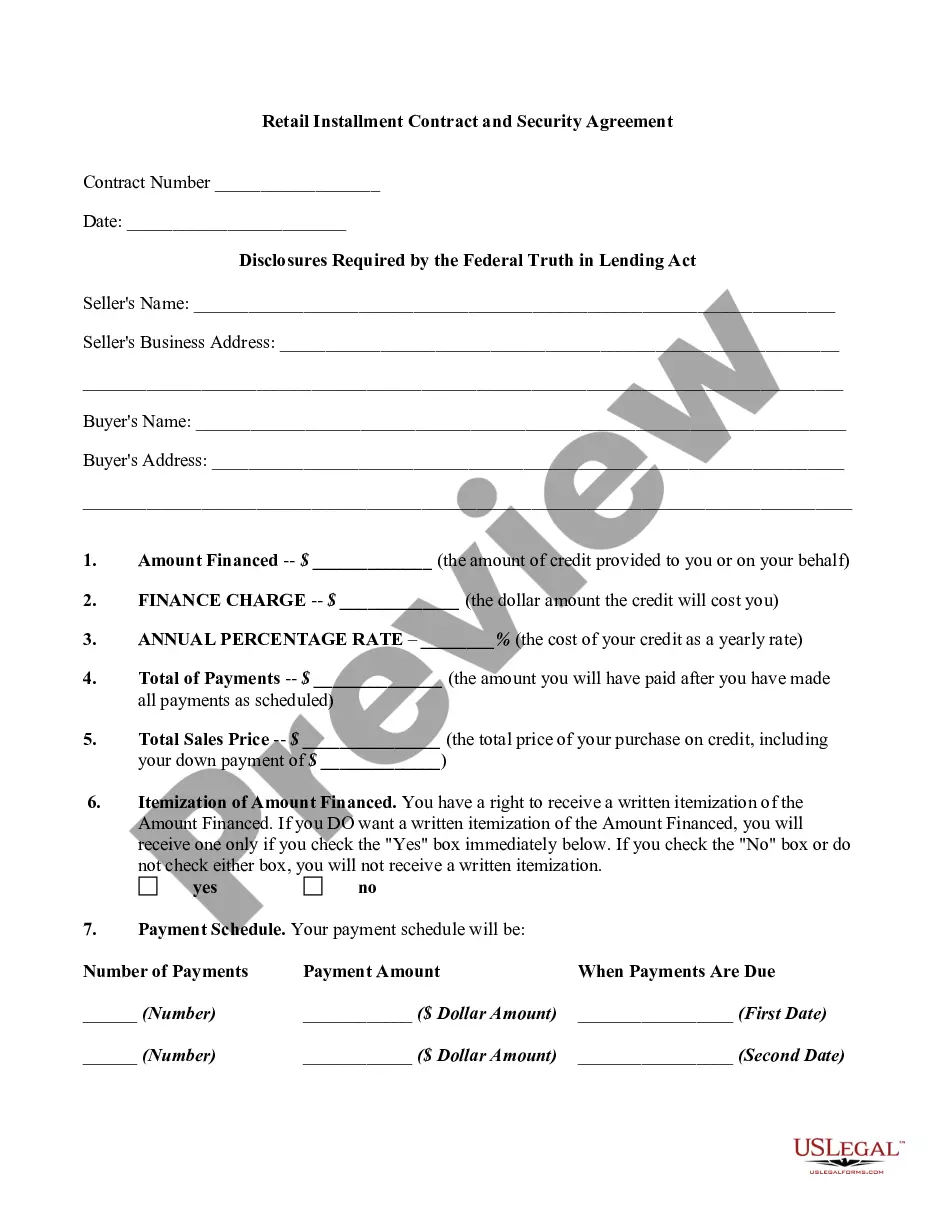
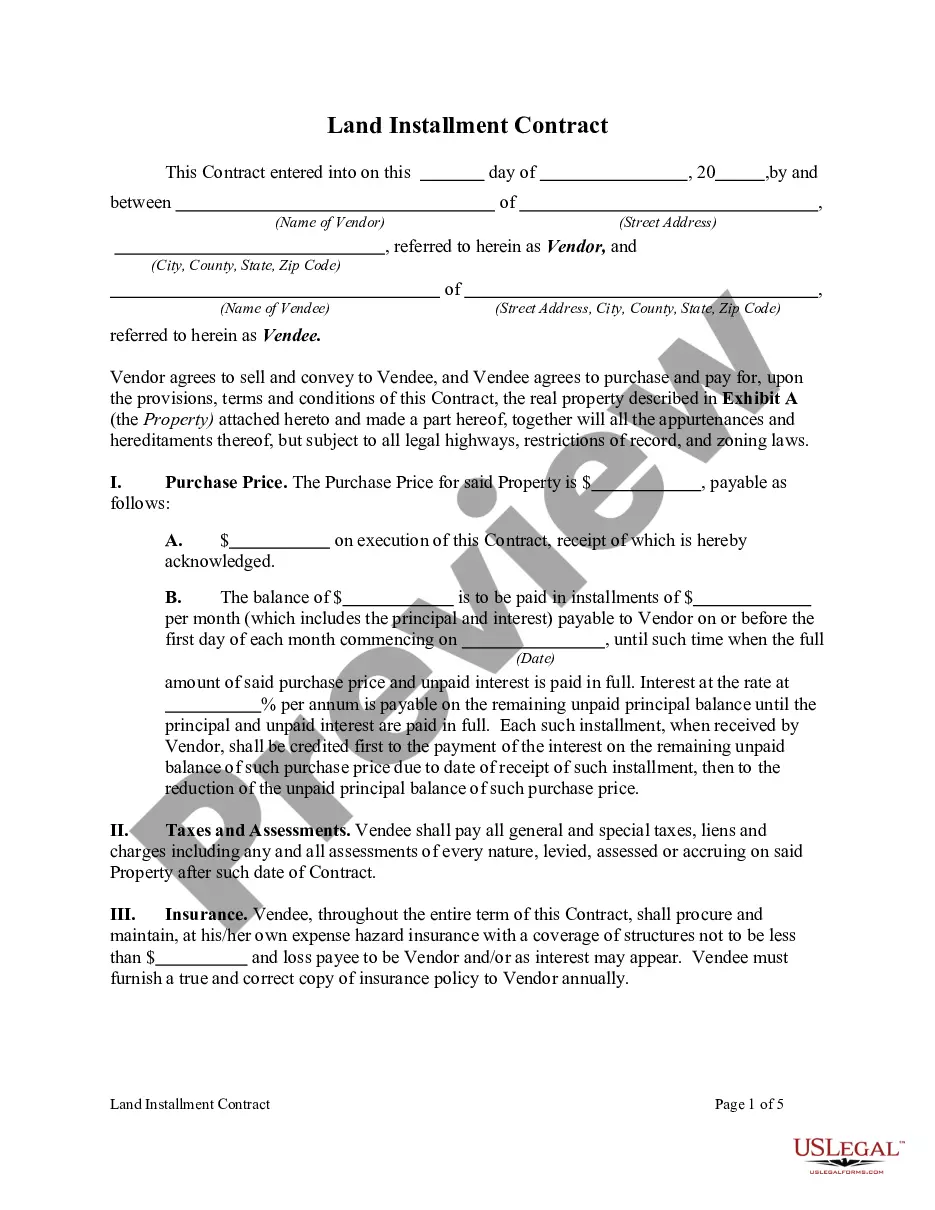
Setting up the payment plan Calculate the total amount due and the payment schedule. Determine the payment amounts, due dates and payment method. Write the agreement, detailing the payment plan. Include the date of the agreement and the parties involved. Get both parties to sign the agreement.
At this time the Michigan Department of Treasury may consider an Installment Agreement if your situation meets certain criteria. There are fast and convenient ways to make your payment on our e-Service site.
Under Michigan's prompt payment law, if a payment is delayed beyond the statutory deadline, the unpaid party “may include reasonable interest on amounts past due in the next request for payment.” Michigan's statutes do not define the limits of “reasonable interest,” though Michigan's interest rate law (MCL 438.31) caps ...
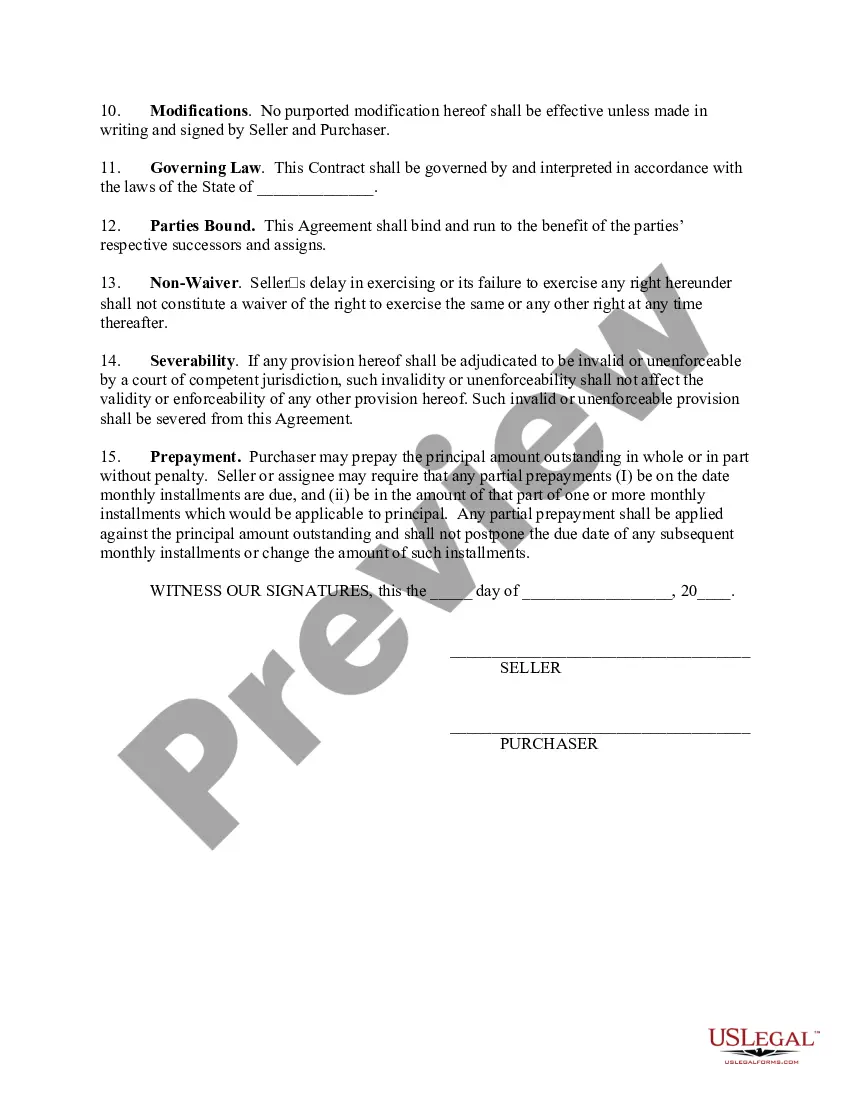
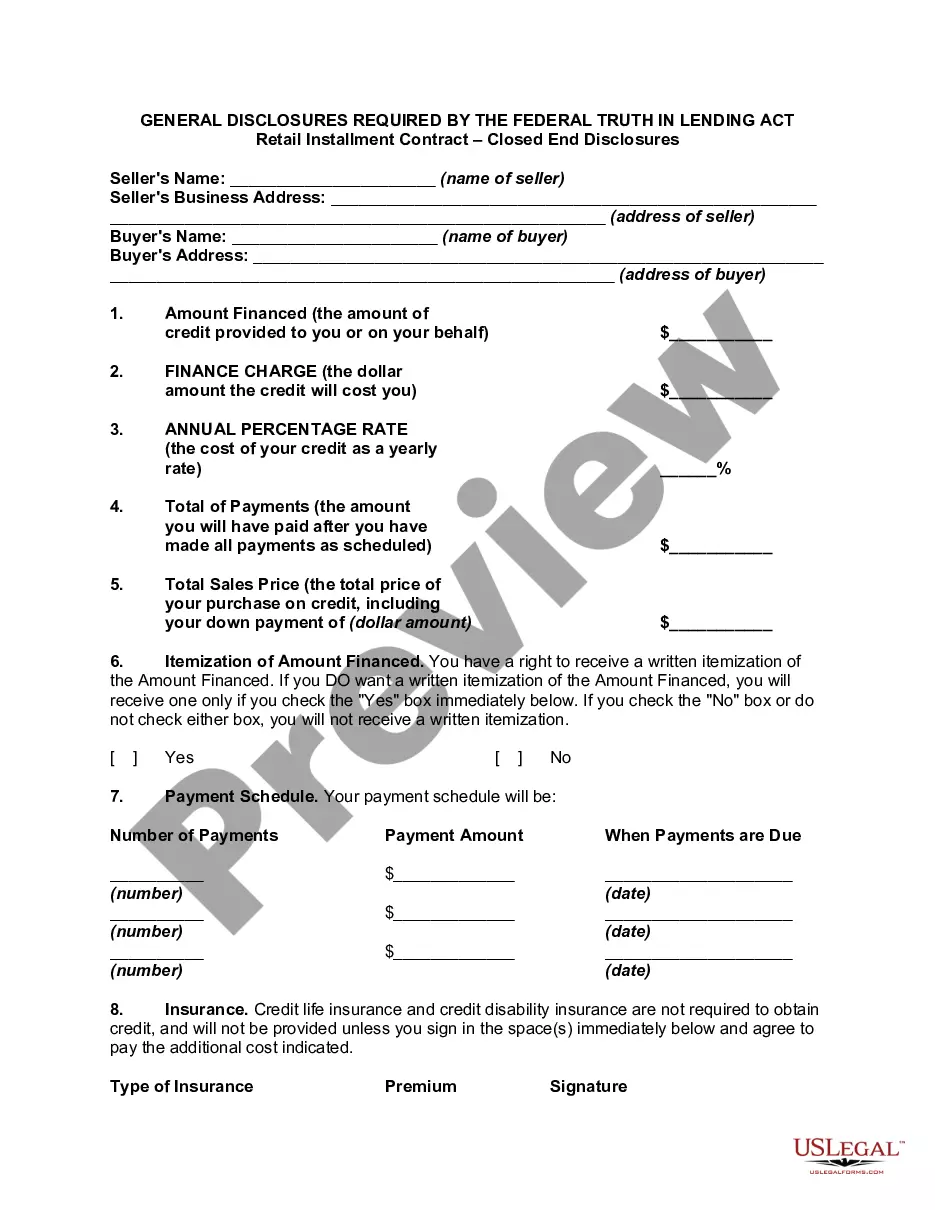
A vehicle payment plan agreement is a contract between a buyer and seller of a vehicle that agrees to installment payments. Since the seller is providing the financing, both parties must agree to the downpayment, interest rate, and the payment period.
Making payments AFTER a "Bill for Taxes Due" is issued: At this time the Michigan Department of Treasury may consider an Installment Agreement if your situation meets certain criteria. There are fast and convenient ways to make your payment on our e-Service site.
The easiest way to set up a payment plan with the state is to call Interface at 517-241-5060 or call Michigan Accounts Receivable Collection System (MARCS) at 800-950-6227.
To gift someone a vehicle, you must transfer the vehicle title to their name and create a bill of sale. Selling a vehicle for $1 instead of gifting it could result in your recipient paying sales tax based on the car's fair market value — it's better to stick with the official gifting process.
The creditor should sign the Letter in the space provided before sending it to the debtor. If the debtor agrees to the repayment plan set out in the Letter Accepting Payments in Instalments, they should countersign the Letter in the space provided. This makes the Letter a binding agreement between the parties.
The easiest way to set up a payment plan with the state is to call Interface at 517-241-5060 or call Michigan Accounts Receivable Collection System (MARCS) at 800-950-6227.